MRC Biostatistics Unit, University of Cambridge, Cambridge, UK.
Department of Clinical Neurosciences, University of Cambridge, Cambridge, UK.
Nat Med. 2024 Jun;30(6):1739-1748. doi: 10.1038/s41591-024-02960-5. Epub 2024 May 14.
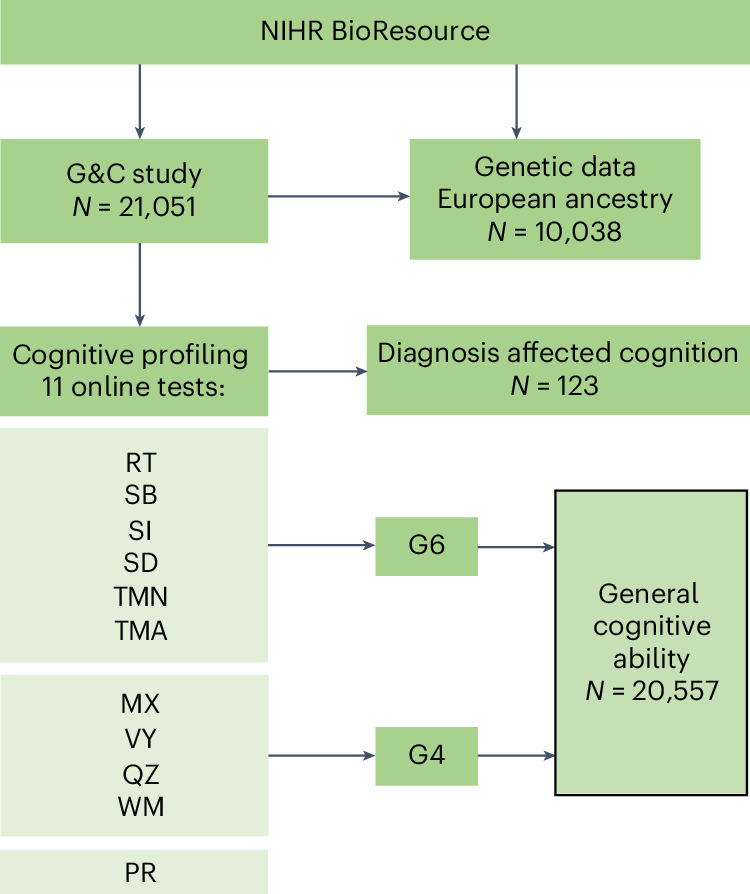
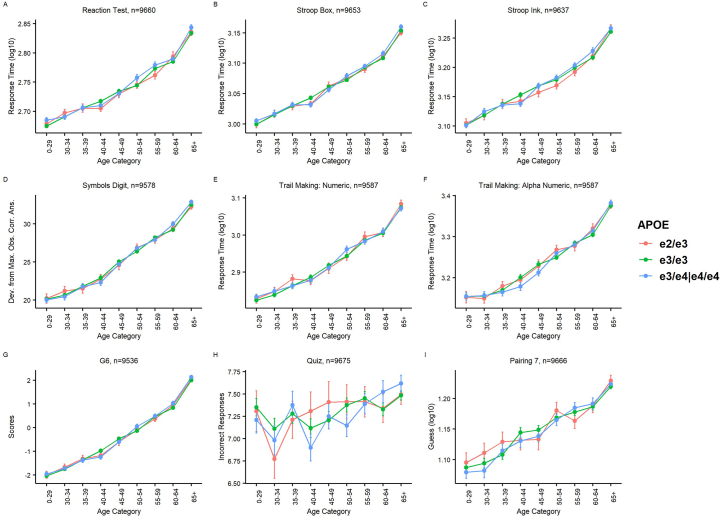
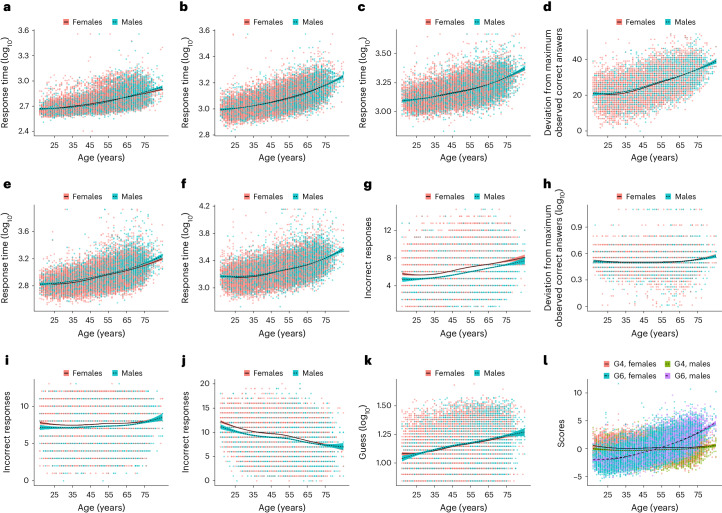
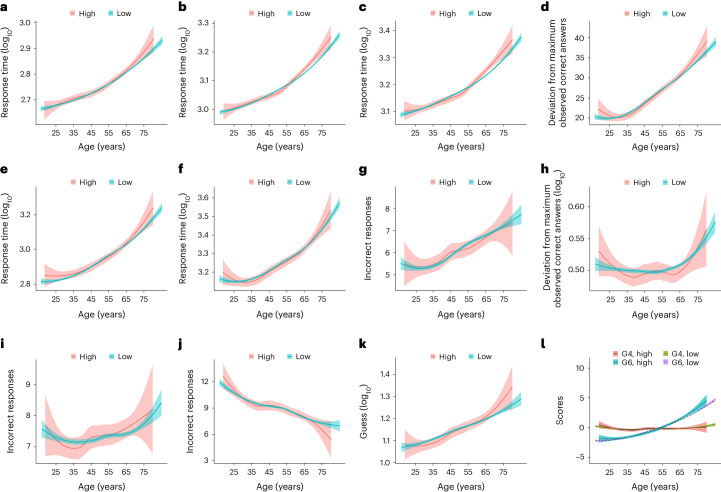
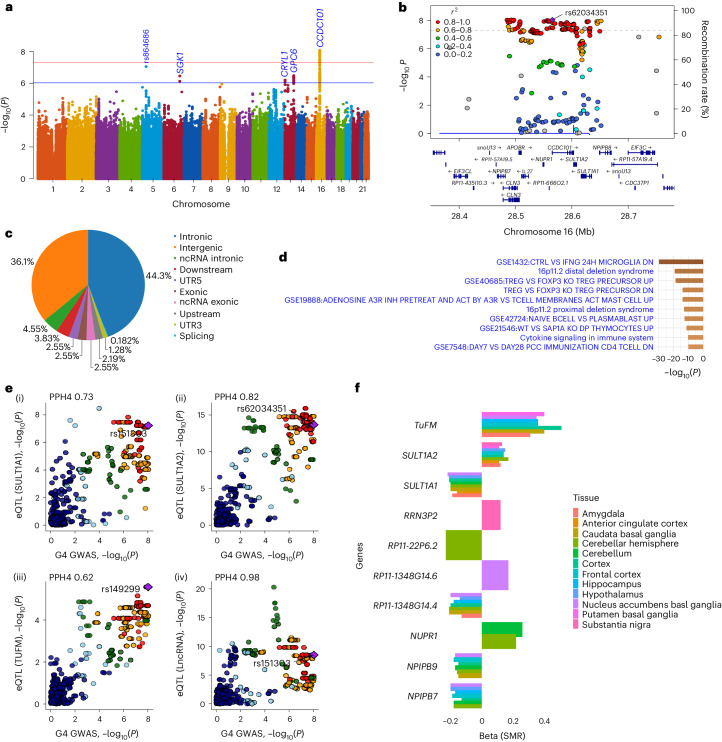
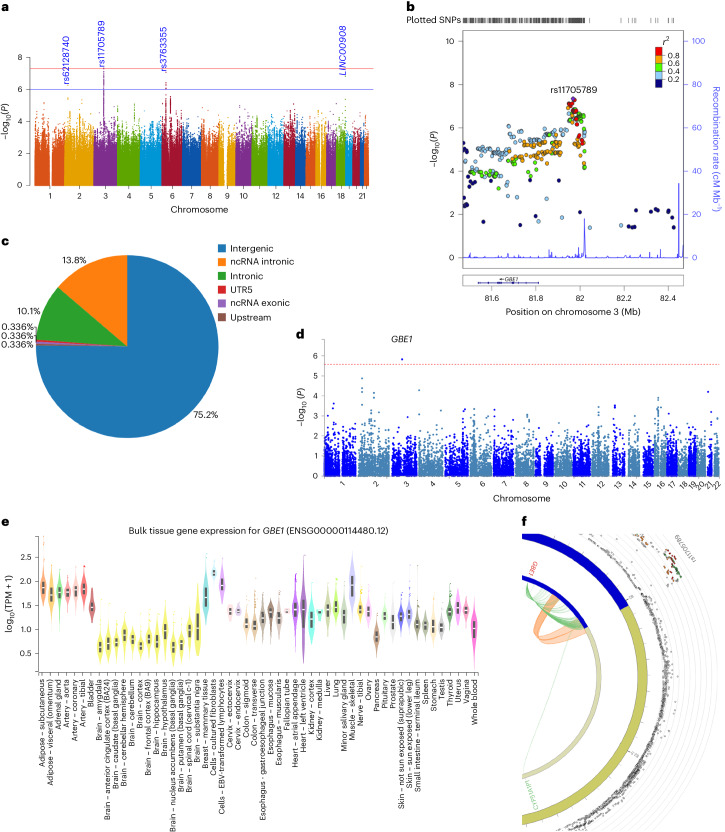
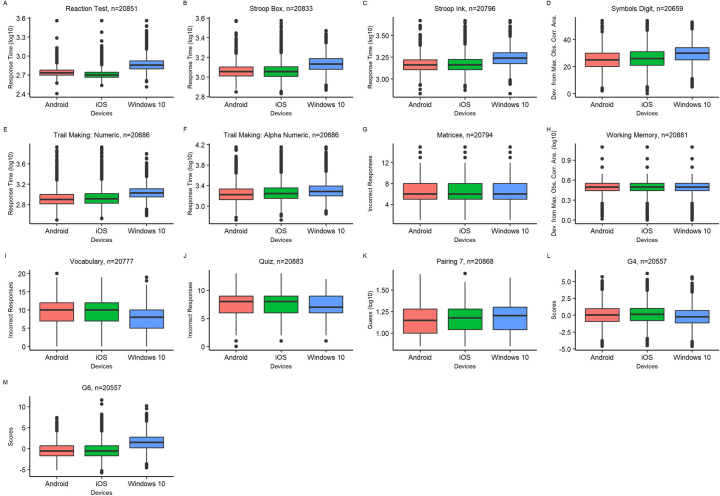
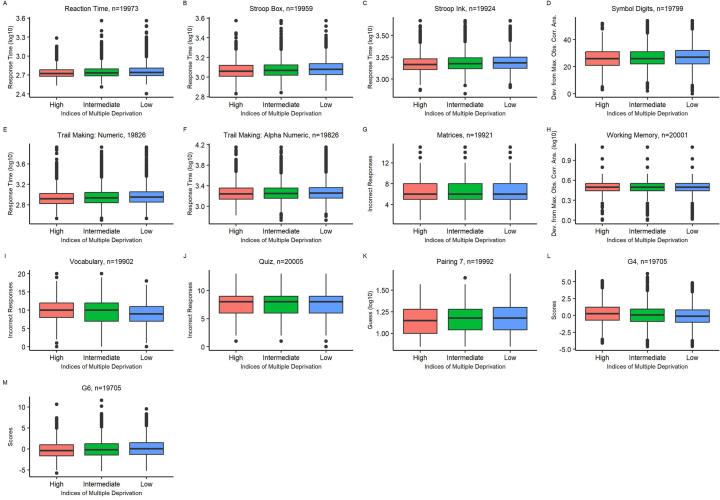
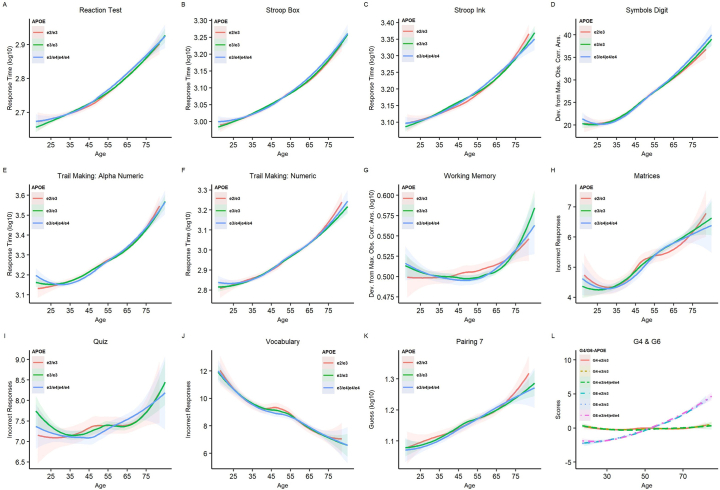
A leading explanation for translational failure in neurodegenerative disease is that new drugs are evaluated late in the disease course when clinical features have become irreversible. Here, to address this gap, we cognitively profiled 21,051 people aged 17-85 years as part of the Genes and Cognition cohort within the National Institute for Health and Care Research BioResource across England. We describe the cohort, present cognitive trajectories and show the potential utility. Surprisingly, when studied at scale, the APOE genotype had negligible impact on cognitive performance. Different cognitive domains had distinct genetic architectures, with one indicating brain region-specific activation of microglia and another with glycogen metabolism. Thus, the molecular and cellular mechanisms underpinning cognition are distinct from dementia risk loci, presenting different targets to slow down age-related cognitive decline. Participants can now be recalled stratified by genotype and cognitive phenotype for natural history and interventional studies of neurodegenerative and other disorders.
神经退行性疾病中翻译失败的一个主要解释是,新药物是在疾病过程的后期进行评估的,此时临床特征已经变得不可逆转。在这里,为了解决这一差距,我们在英格兰国家卫生与保健研究所生物资源的基因与认知队列中,对 21051 名年龄在 17-85 岁的人进行了认知分析。我们描述了这个队列,展示了认知轨迹,并展示了其潜在的应用。令人惊讶的是,当在大规模研究中进行研究时,APOE 基因型对认知表现几乎没有影响。不同的认知领域具有不同的遗传结构,其中一个表明小胶质细胞在大脑区域的特异性激活,另一个与糖原代谢有关。因此,认知的分子和细胞机制与痴呆风险基因座不同,为减缓与年龄相关的认知衰退提供了不同的靶点。现在,参与者可以根据基因型和认知表型进行分层召回,用于神经退行性疾病和其他疾病的自然史和干预研究。