Farooq Mariya, Mohammed Yaser, Zafar Mansoor, Dharmasena Dawpadee, Rana Usman Iqbal, Kankam Osei
General Internal Medicine, Conquest Hospital, East Sussex Healthcare NHS Trust, St. Leonards-on-Sea, GBR.
Internal Medicine, Conquest Hospital, East Sussex Healthcare NHS Trust, St. Leonards-on-Sea, GBR.
Cureus. 2022 Jan 6;14(1):e20979. doi: 10.7759/cureus.20979. eCollection 2022 Jan.
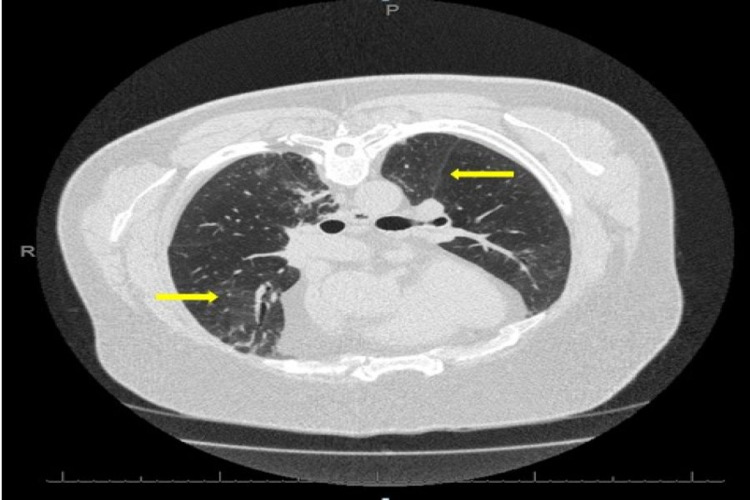
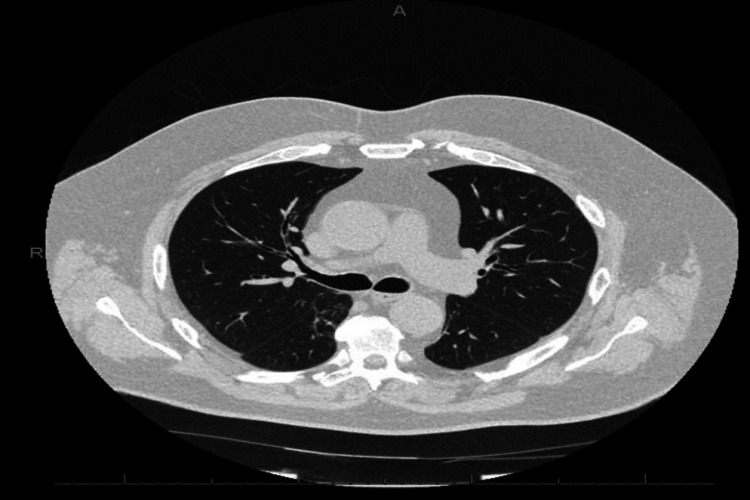
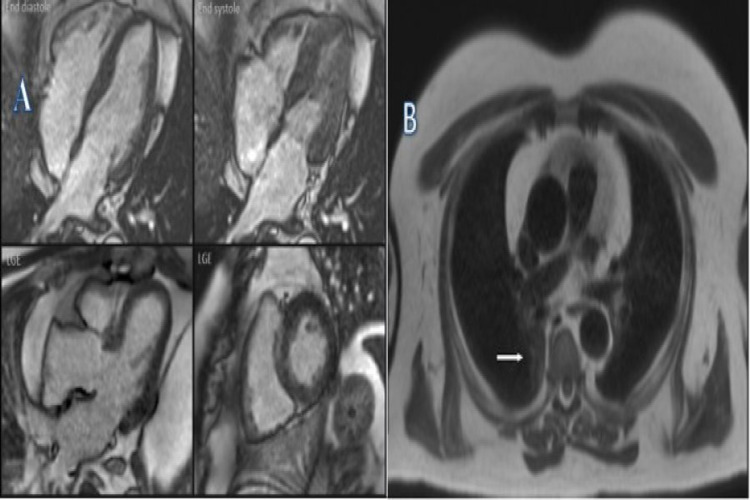
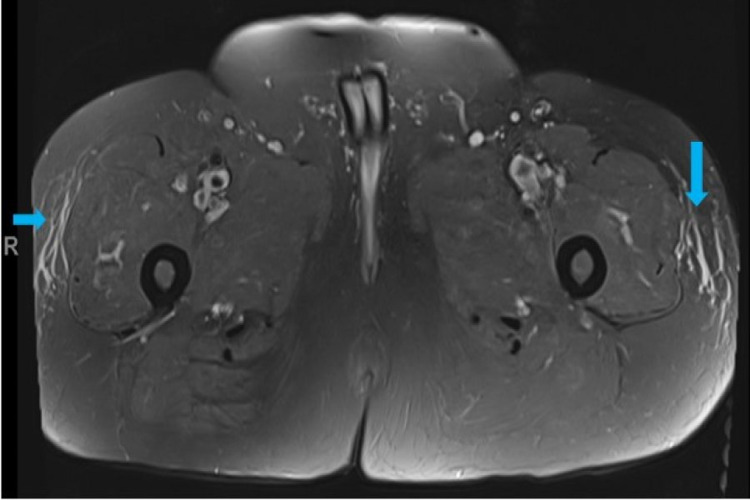
A 63-year-old male, with no significant past history and not on any regular medications previously, had mild respiratory symptoms post the first dose of the AstraZeneca (Cambridge, England) coronavirus disease 2019 (COVID-19) vaccine, which were self-limiting. Following the second dose of the vaccine, he arrived at the emergency department (ED) with worsening shortness of breath. During this admission, he was assumed to have interstitial lung disease due to a possible past history of occupational exposure. He responded to a short-term course of corticosteroids and antibiotics and was discharged home. However, he reported again to the emergency department three weeks later, with persistent dyspnoea along with myalgia. His blood tests and imaging from scans suggested myositis, pneumonitis, and myopericarditis. Since he recently had the COVID-19 AstraZeneca vaccine, it was postulated as the most likely cause of the symptoms. He was managed with intravenous (IV) corticosteroids followed by oral corticosteroids with symptom resolution.
一名63岁男性,既往无重大病史,之前未服用任何常规药物,在接种第一剂阿斯利康(英国剑桥)2019冠状病毒病(COVID-19)疫苗后出现轻度呼吸道症状,这些症状为自限性。接种第二剂疫苗后,他因气短加重前往急诊科(ED)。在此次住院期间,由于可能有过去的职业暴露史,他被假定患有间质性肺病。他对短期的皮质类固醇和抗生素治疗有反应,随后出院回家。然而,三周后他再次前往急诊科,伴有持续的呼吸困难和肌痛。他的血液检查和扫描影像提示为肌炎、肺炎和心肌心包炎。由于他最近接种了阿斯利康COVID-19疫苗,推测这是最可能的症状原因。他接受了静脉注射(IV)皮质类固醇治疗,随后口服皮质类固醇,症状得以缓解。