Dai Weiyu, Wang Jing, Wang Zhi, Xiao Yizhi, Li Jiaying, Hong Linjie, Pei Miaomiao, Zhang Jieming, Yang Ping, Wu Xiaosheng, Tang Weimei, Jiang Xiaoling, Jiang Ping, Xiang Li, Li Aimin, Lin Jianjiao, Liu Side, Wang Jide
Guangdong Provincial Key Laboratory of Gastroenterology, Department of Gastroenterology, Nanfang Hospital, Southern Medical University, Guangzhou, China.
Department of Pathology, School of Basic Medical Sciences, Southern Medical University, Guangzhou, China.
Front Oncol. 2021 Dec 23;11:767644. doi: 10.3389/fonc.2021.767644. eCollection 2021.
Accumulating studies have demonstrated the abnormal expressions and prognostic values of certain members of the tripartite motif (TRIM) family in diverse cancers. However, comprehensive prognostic values of the TRIM family in hepatocellular carcinoma (HCC) are yet to be clearly defined.
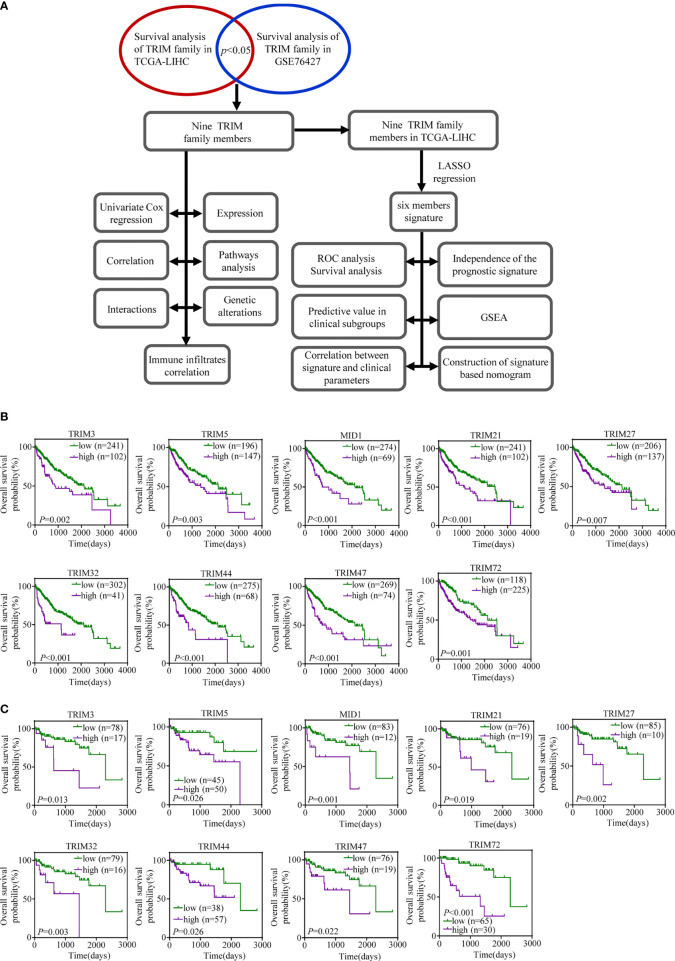
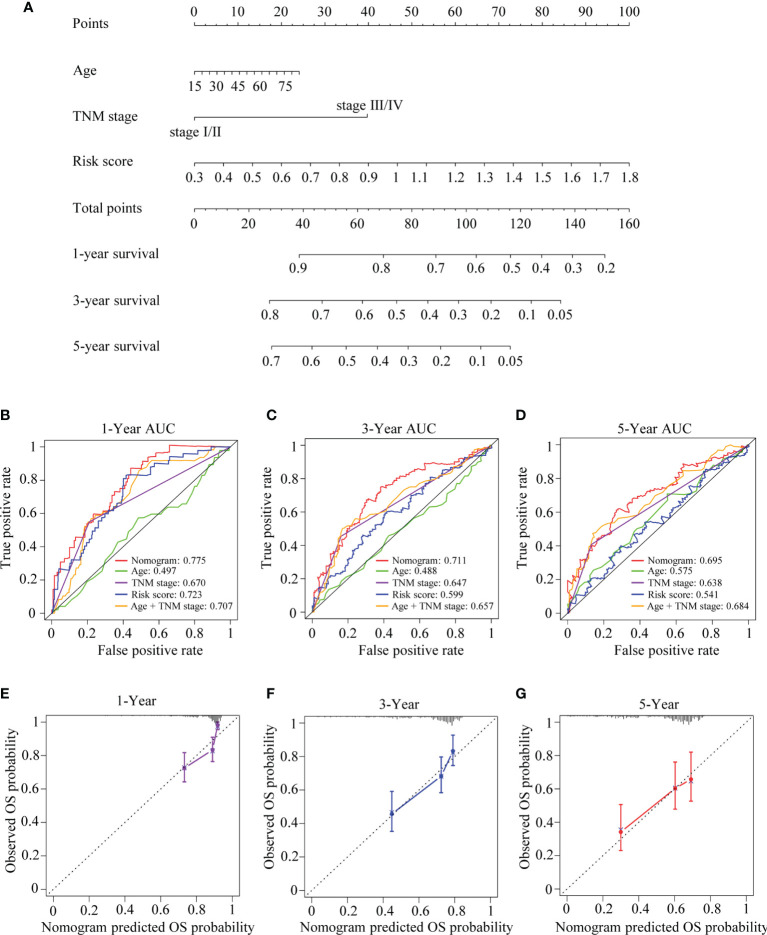
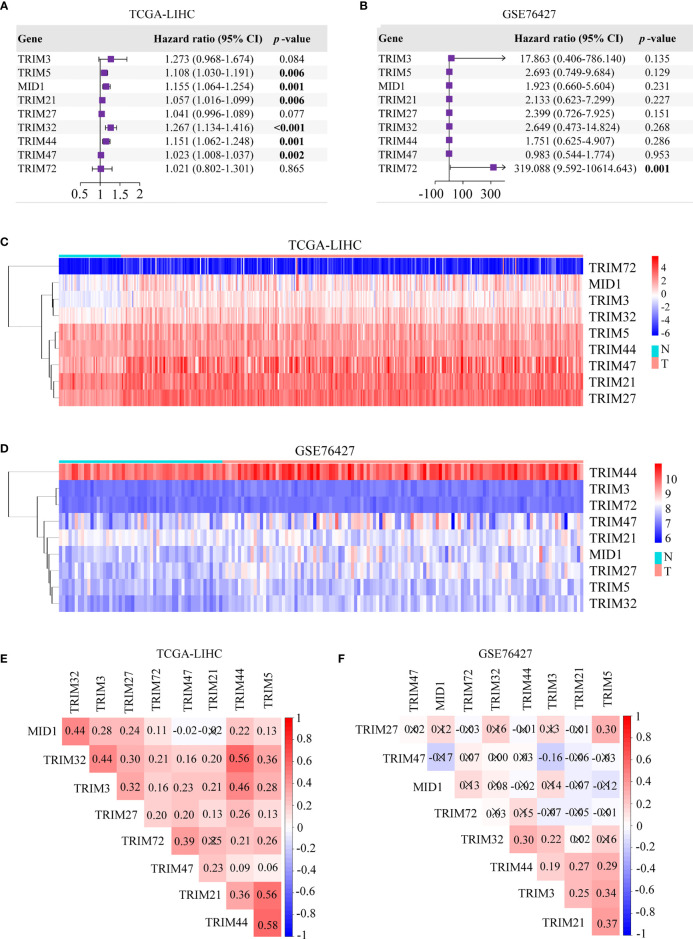
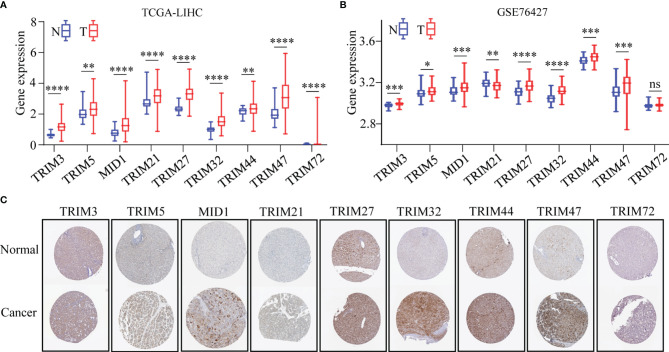
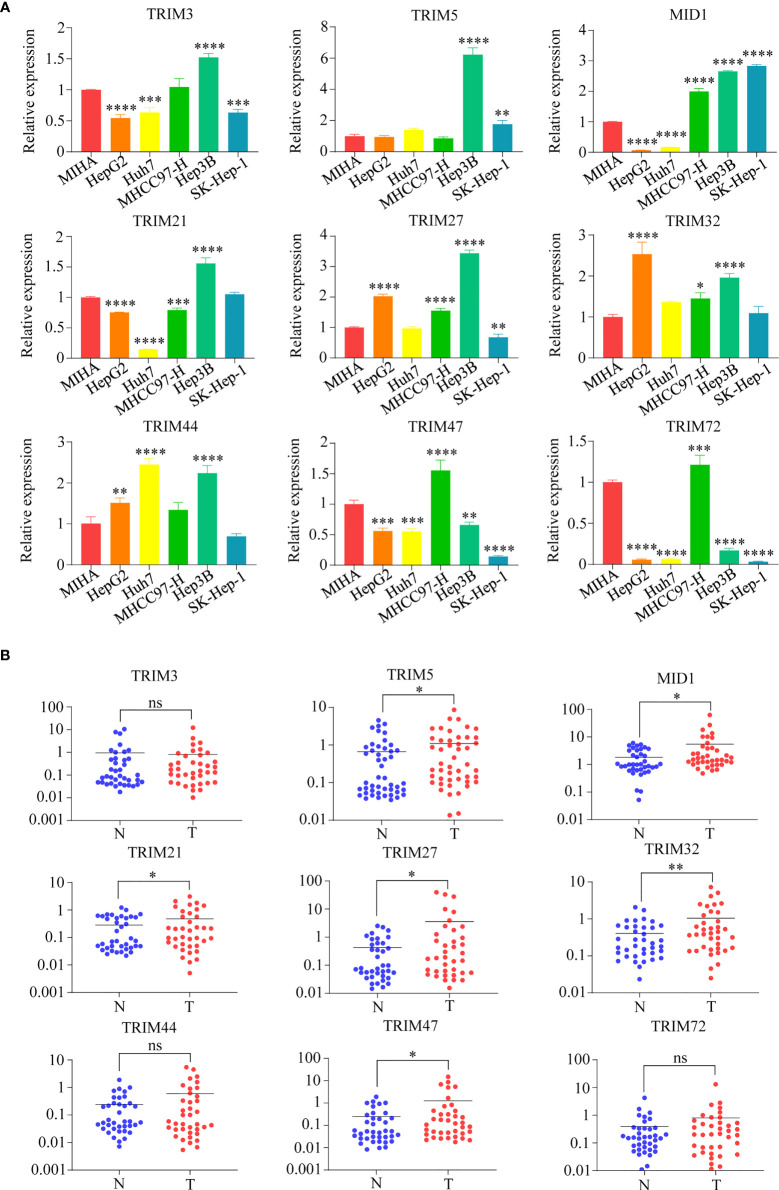
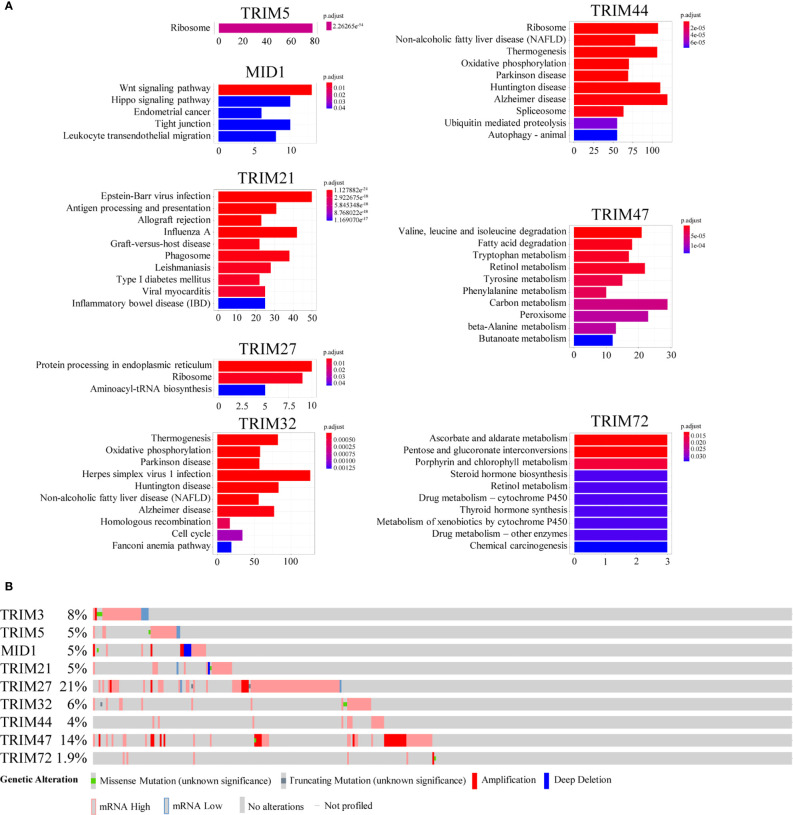
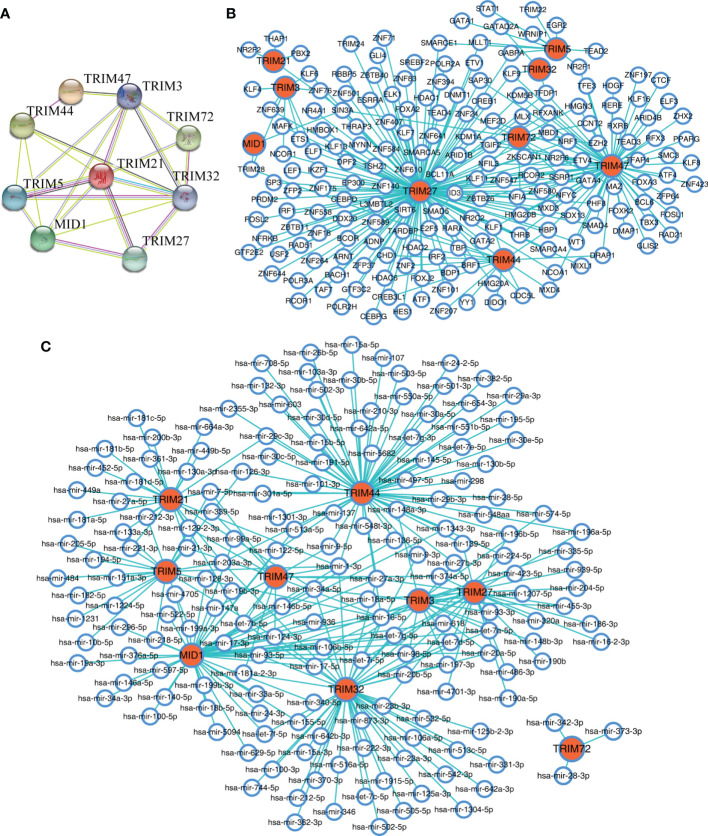
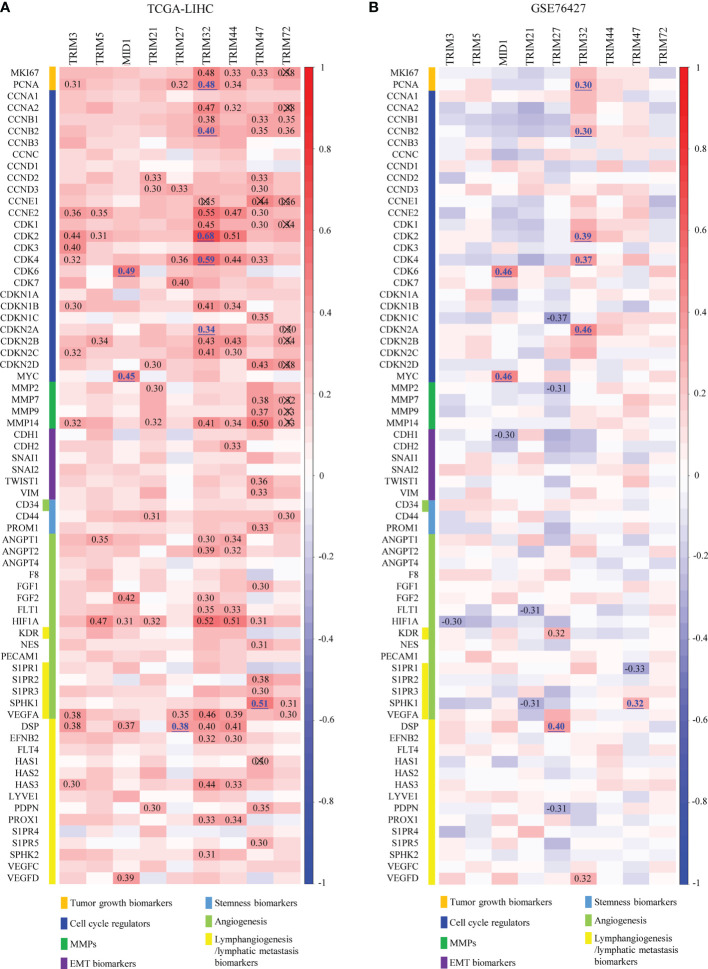
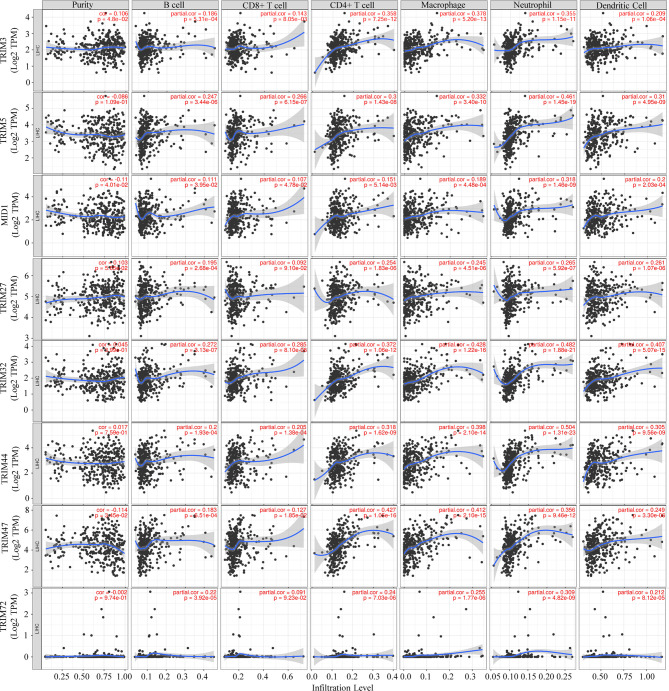
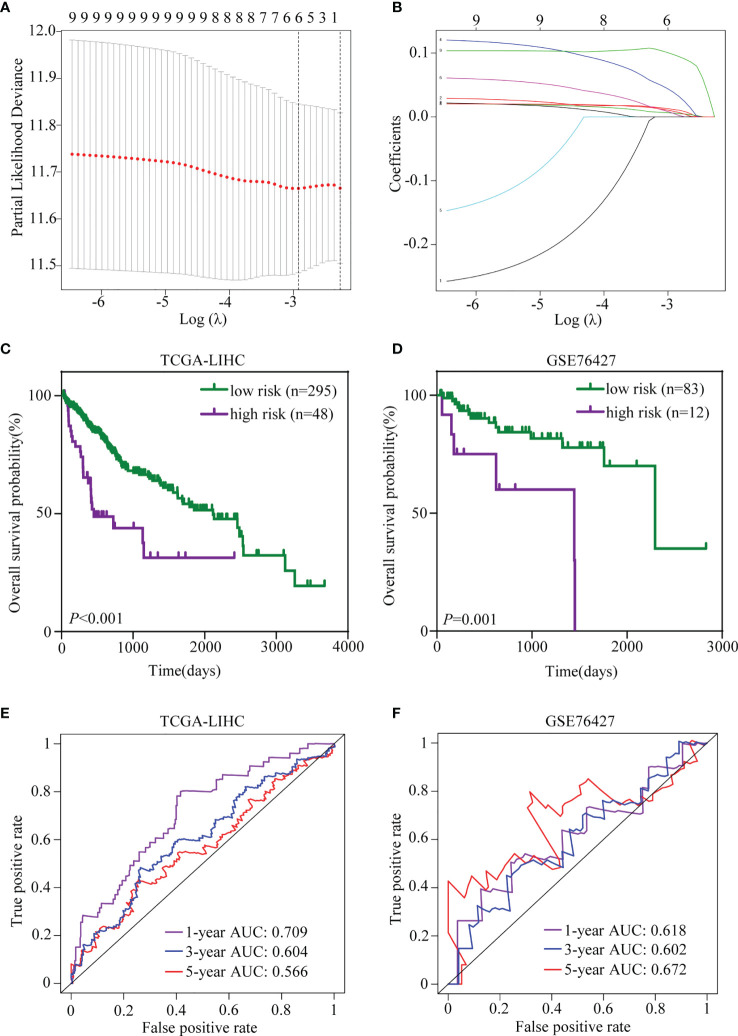
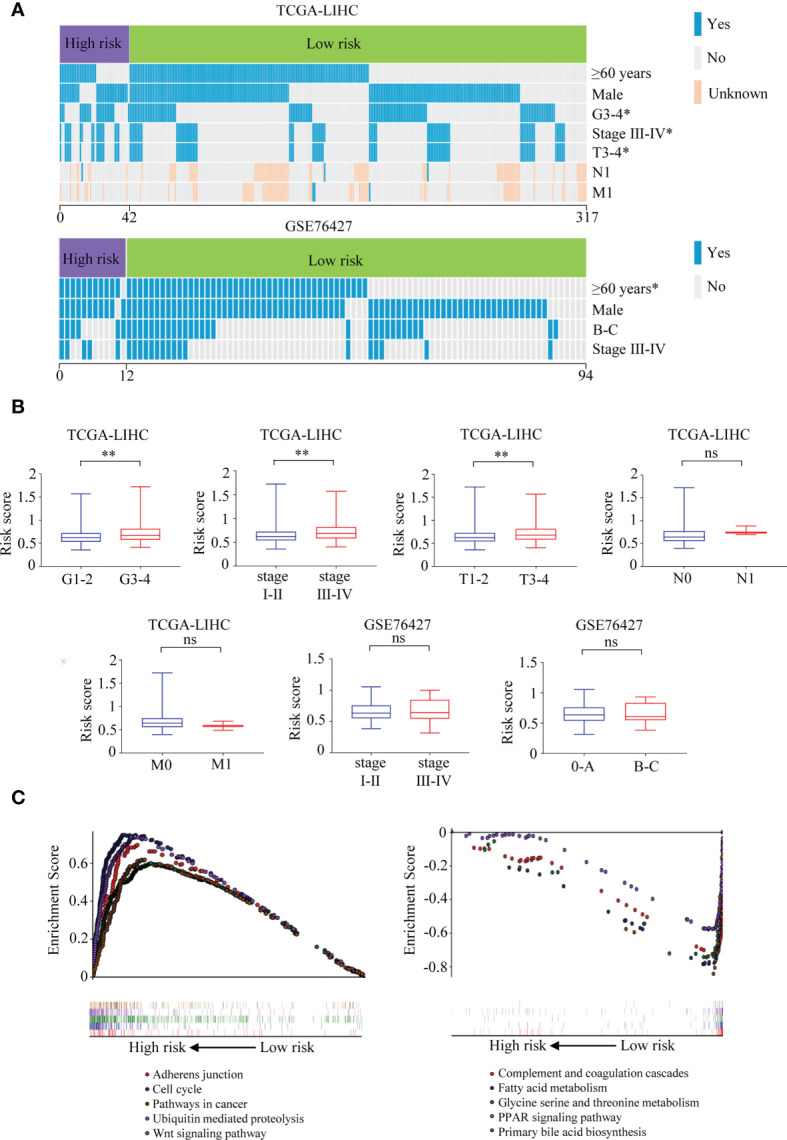
The prognostic values of the TRIM family were evaluated by survival analysis and univariate Cox regression analysis based on gene expression data and clinical data of HCC from The Cancer Genome Atlas (TCGA) and Gene Expression Omnibus (GEO) databases. The expression profiles, protein-protein interaction among the TRIM family, prediction of transcription factors (TFs) or miRNAs, genetic alterations, correlations with the hallmarks of cancer and immune infiltrates, and pathway enrichment analysis were explored by multiple public databases. Further, a TRIM family gene-based signature for predicting overall survival (OS) in HCC was built by using the least absolute shrinkage and selection operator (LASSO) regression. TCGA-Liver Hepatocellular Carcinoma (LIHC) cohort was used as the training set, and GSE76427 was used for external validation. Time-dependent receiver operating characteristic (ROC) and survival analysis were used to estimate the signature. Finally, a nomogram combining the TRIM family risk score and clinical parameters was established.
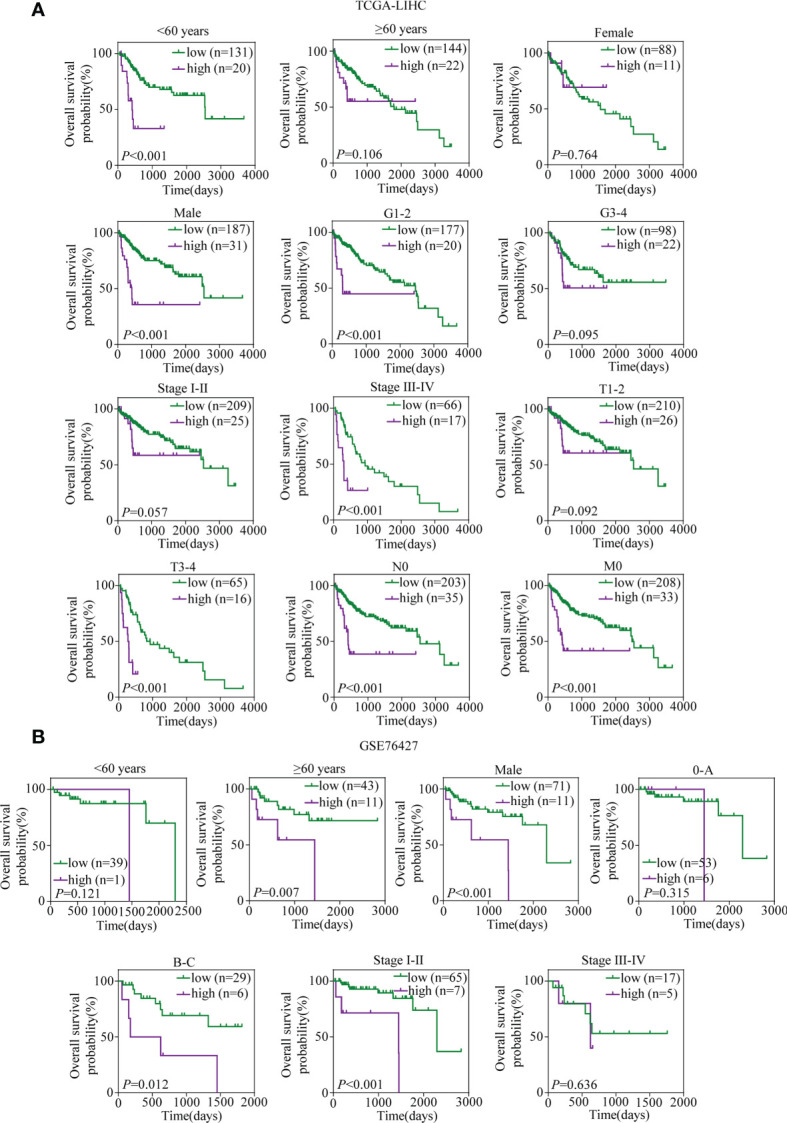
High expressions of TRIM family members including TRIM3, TRIM5, MID1, TRIM21, TRIM27, TRIM32, TRIM44, TRIM47, and TRIM72 were significantly associated with HCC patients' poor OS. A novel TRIM family gene-based signature (including TRIM5, MID1, TRIM21, TRIM32, TRIM44, and TRIM47) was built for OS prediction in HCC. ROC curves suggested the signature's good performance in OS prediction. HCC patients in the high-risk group had poorer OS than the low-risk patients based on the signature. A nomogram integrating the TRIM family risk score, age, and TNM stage was established. The ROC curves suggested that the signature presented better discrimination than the similar model without the TRIM family risk score.
Our study identified the potential application values of the TRIM family for outcome prediction in HCC.
越来越多的研究表明,三方基序(TRIM)家族的某些成员在多种癌症中存在异常表达并具有预后价值。然而,TRIM家族在肝细胞癌(HCC)中的综合预后价值尚未明确界定。
基于来自癌症基因组图谱(TCGA)和基因表达综合数据库(GEO)的HCC基因表达数据和临床数据,通过生存分析和单变量Cox回归分析评估TRIM家族的预后价值。利用多个公共数据库探索TRIM家族的表达谱、蛋白质-蛋白质相互作用、转录因子(TFs)或微小RNA(miRNAs)的预测、基因改变、与癌症特征和免疫浸润的相关性以及通路富集分析。此外,使用最小绝对收缩和选择算子(LASSO)回归构建了一个基于TRIM家族基因的HCC总生存(OS)预测特征。TCGA-肝细胞癌(LIHC)队列用作训练集,GSE76427用于外部验证。采用时间依赖的受试者工作特征(ROC)和生存分析来评估该特征。最后,建立了一个结合TRIM家族风险评分和临床参数的列线图。
包括TRIM3、TRIM5、MID1、TRIM21、TRIM27、TRIM32、TRIM44、TRIM47和TRIM72在内的TRIM家族成员的高表达与HCC患者的不良OS显著相关。构建了一个新的基于TRIM家族基因的特征(包括TRIM5、MID1、TRIM21、TRIM32、TRIM44和TRIM47)用于HCC的OS预测。ROC曲线表明该特征在OS预测中表现良好。基于该特征,高危组的HCC患者的OS比低危患者更差。建立了一个整合TRIM家族风险评分、年龄和TNM分期的列线图。ROC曲线表明,该特征比没有TRIM家族风险评分的类似模型具有更好的区分能力。
我们的研究确定了TRIM家族在HCC预后预测中的潜在应用价值。