Huang Yun, Cui Lijian, Yang Hongchao, Chen Ning, Guo Huishan, Gan Xiaoruo, Wang Rong, Shi Weiye, Wu Yu, Zhang Yan, Lv Pin
Beijing Advanced Innovation Center for Food Nutrition and Human Health, Beijing Technology and Business University, Beijing, China.
Cardiovascular Medical Science Center, Department of Cell Biology, Hebei Medical University, Shijiazhuang, China.
Front Nutr. 2021 Dec 23;8:795888. doi: 10.3389/fnut.2021.795888. eCollection 2021.
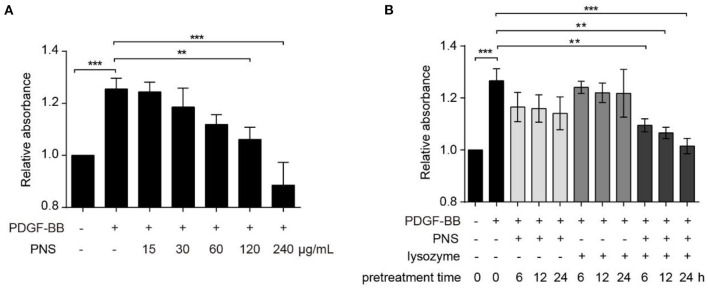
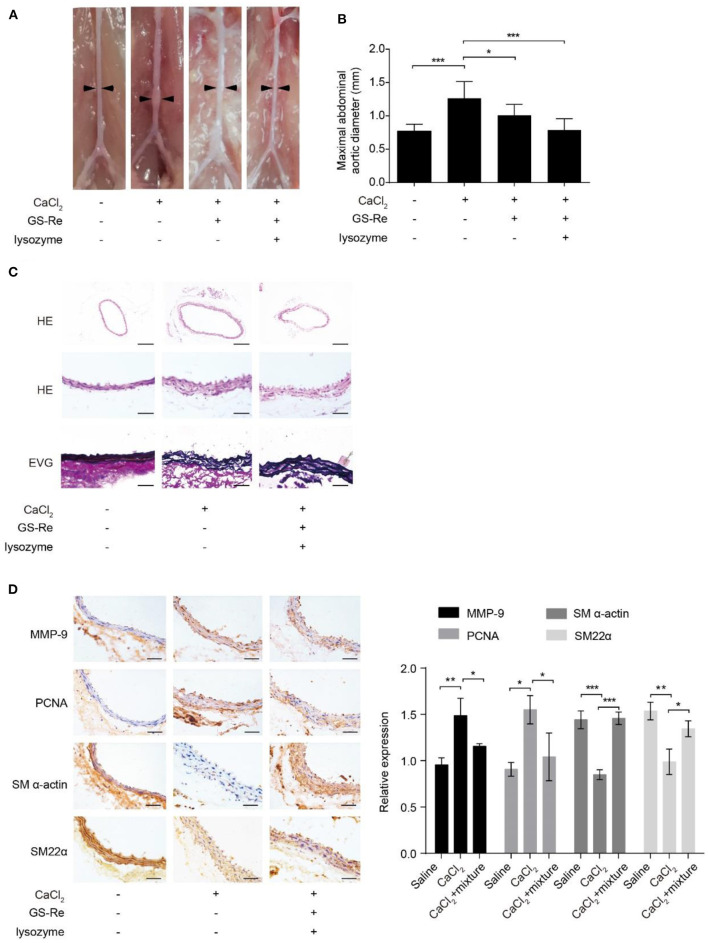
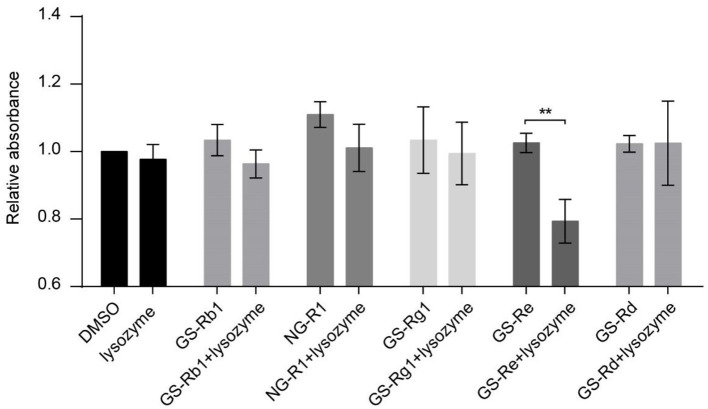
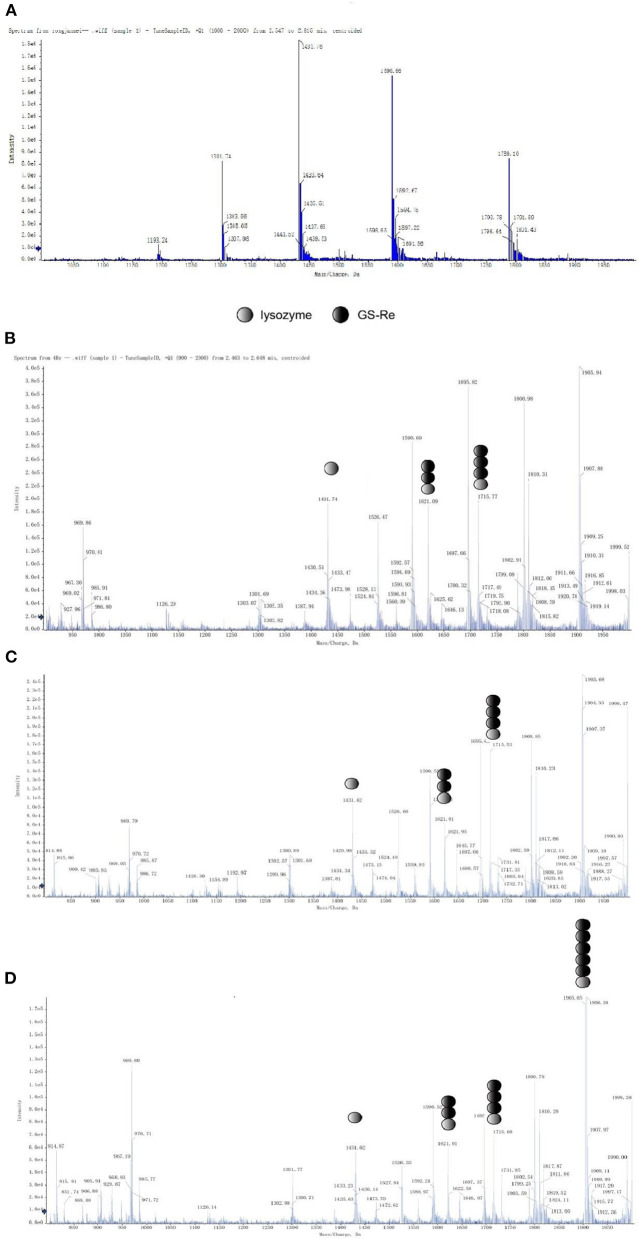
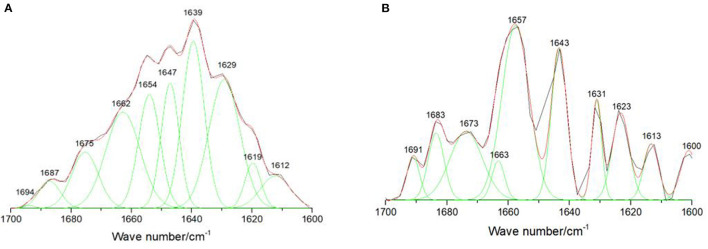
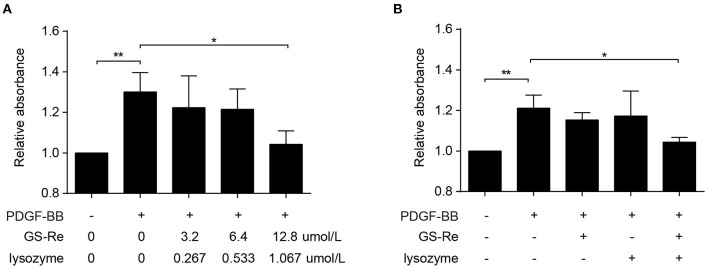
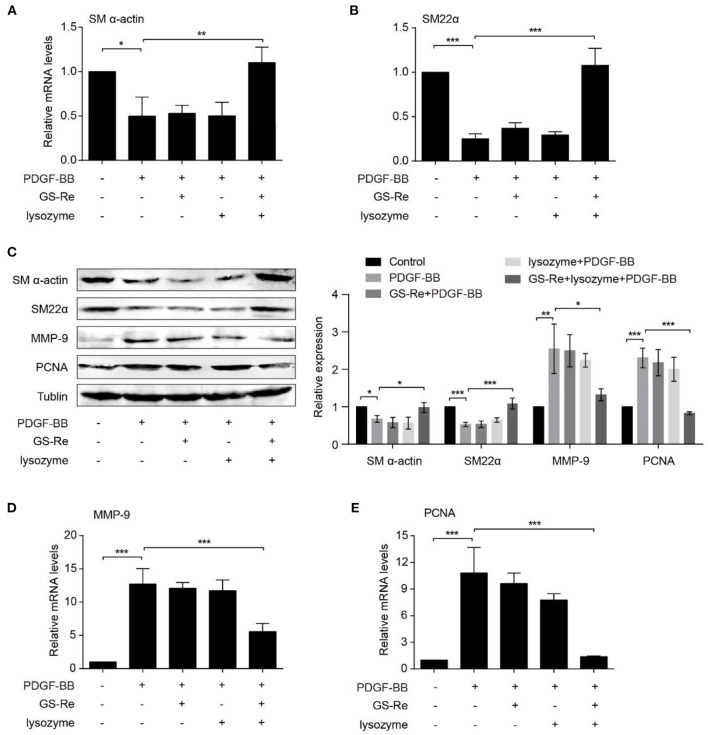
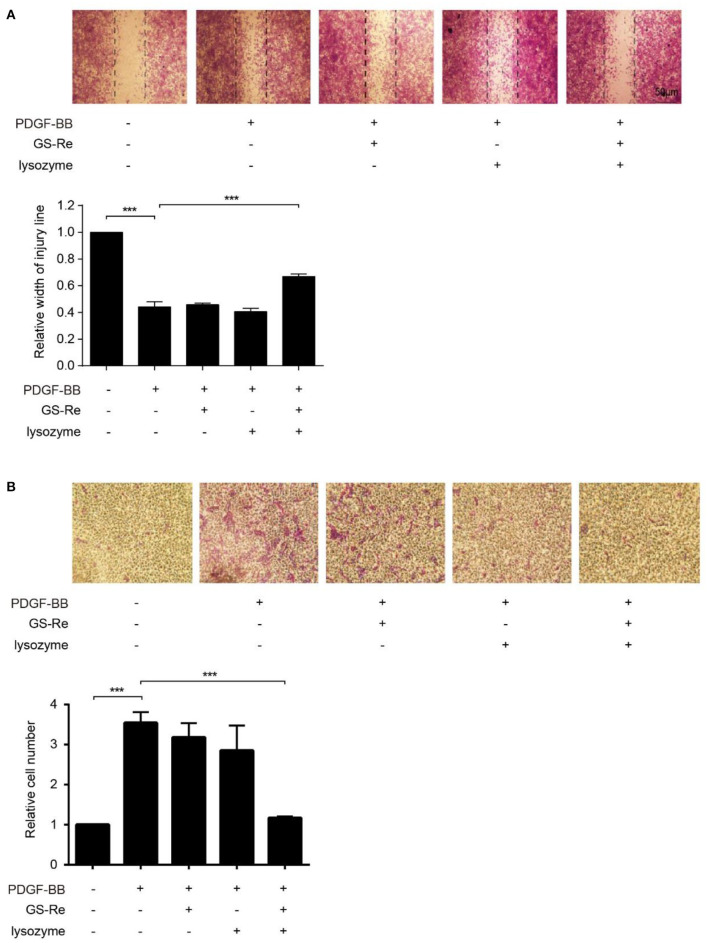
saponins (PNS) have been used to treat cardiovascular diseases for hundreds of years in China. Lysozyme can bind to exogenous compounds and promote their activity. Nevertheless, knowledge of whether there is a synergistic role between lysozyme and PNS is far from sufficient. In this study, we show that the mixture of PNS and lysozyme synergistically inhibited platelet derived growth factor BB (PDGF-BB)-induced vascular smooth muscle cell (VSMC) viability, and in the five main components of PNS, GS-Re, but not GS-Rb1, NG-R1, GS-Rg1, or GS-Rd, reduced VSMC viability by combined application with lysozyme. Next, the supramolecular complexes formed by GS-Re and lysozyme were detected by mass spectrometry, and the binding ability increased with the concentration ratio of GS-Re to lysozyme from 4:1 to 12:1. In the supramolecular complexes, the relative contents of α-helix of lysozyme were increased, which was beneficial for stabilizing the structure of lysozyme. The 12:1 mixture of GS-Re and lysozyme (12.8 μmol/L GS-Re+1.067 μmol/L lysozyme) repressed PDGF-BB-induced VSMC viability, proliferation, and migration, which were associated with the upregulated differentiated markers and downregulated dedifferentiated markers. Finally, in CaCl-induced rodent abdominal aortic aneurysm (AAA) models, we found that the 12:1 mixture of GS-Re and lysozyme slowed down AAA progression and reversed phenotype transformation of VSMCs. Thus, Gs-Re combined with a small amount of lysozyme may provide a novel therapeutic strategy for vascular remodeling-associated cardiovascular diseases.
在中国,皂苷(PNS)已被用于治疗心血管疾病数百年。溶菌酶可与外源性化合物结合并促进其活性。然而,关于溶菌酶与PNS之间是否存在协同作用的了解还远远不够。在本研究中,我们发现PNS与溶菌酶的混合物协同抑制血小板衍生生长因子BB(PDGF-BB)诱导的血管平滑肌细胞(VSMC)活力,并且在PNS的五个主要成分中,人参三醇组皂苷(GS-Re)而非人参皂苷Rb1、人参炔醇(NG-R1)、人参皂苷Rg1或人参皂苷Rd,与溶菌酶联合应用可降低VSMC活力。接下来,通过质谱检测了GS-Re与溶菌酶形成的超分子复合物,并且结合能力随着GS-Re与溶菌酶的浓度比从4:1增加到12:1而增强。在超分子复合物中,溶菌酶的α-螺旋相对含量增加,这有利于稳定溶菌酶的结构。GS-Re与溶菌酶的12:1混合物(12.8 μmol/L GS-Re + 1.0 67 μmol/L溶菌酶)抑制了PDGF-BB诱导的VSMC活力、增殖和迁移,这与上调的分化标志物和下调的去分化标志物有关。最后,在氯化钙诱导的啮齿动物腹主动脉瘤(AAA)模型中,我们发现GS-Re与溶菌酶的12:1混合物减缓了AAA的进展并逆转了VSMC的表型转化。因此,GS-Re与少量溶菌酶联合使用可能为血管重塑相关的心血管疾病提供一种新的治疗策略。