Division of Allergy, Immunology and Rheumatology, Dalin Tzu Chi Hospital, Buddhist Tzu Chi Medical Foundation, Chiayi 62247, Taiwan.
Department of Life Science and Institute of Molecular Biology, National Chung Cheng University, Minxiong 621301, Taiwan.
Int J Mol Sci. 2022 Jan 5;23(1):570. doi: 10.3390/ijms23010570.
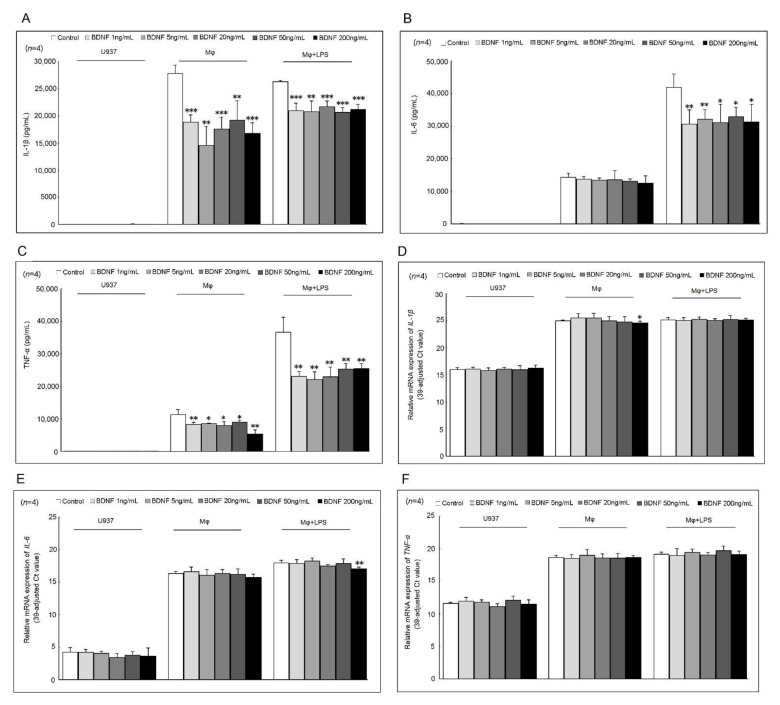
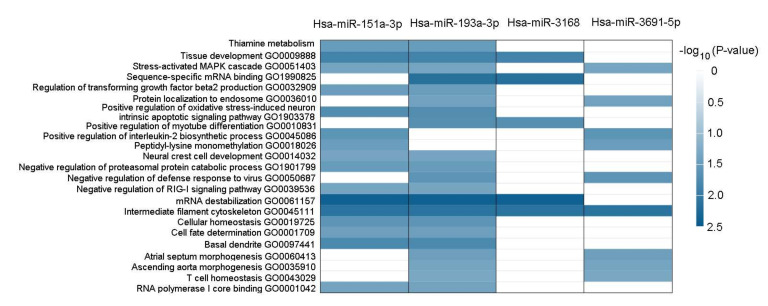
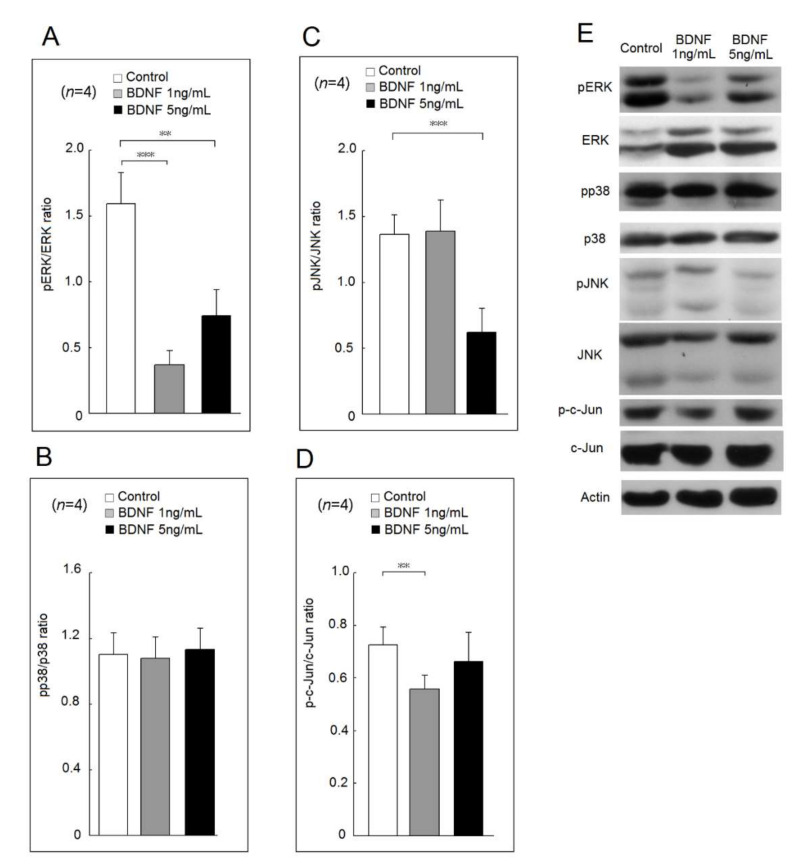
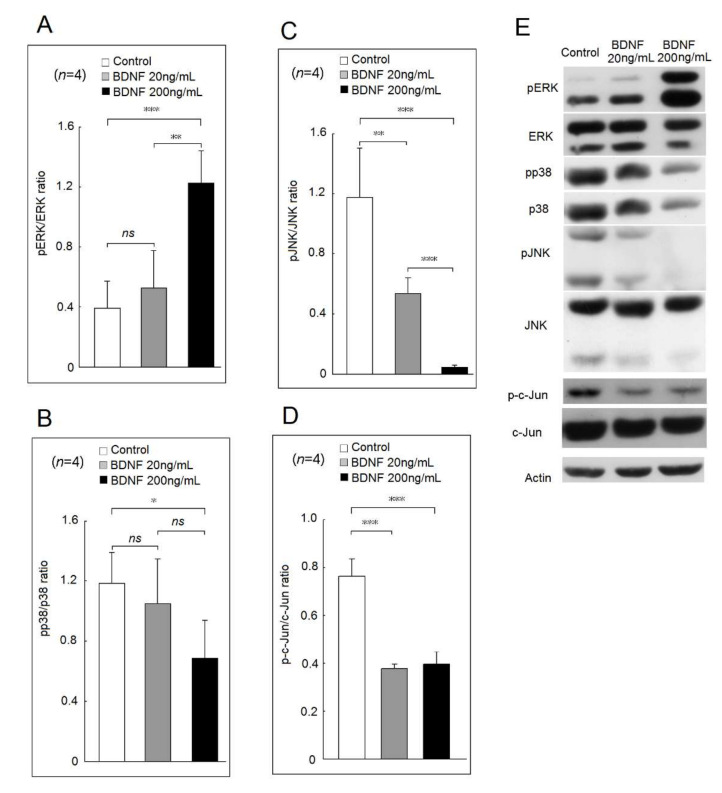
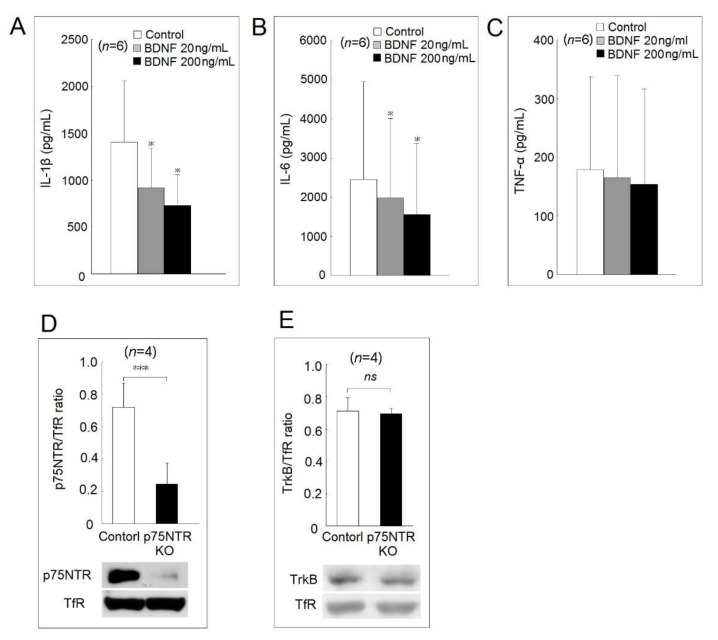
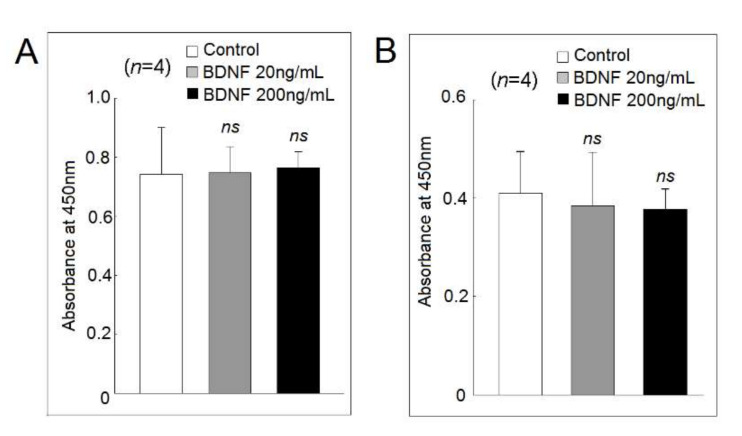
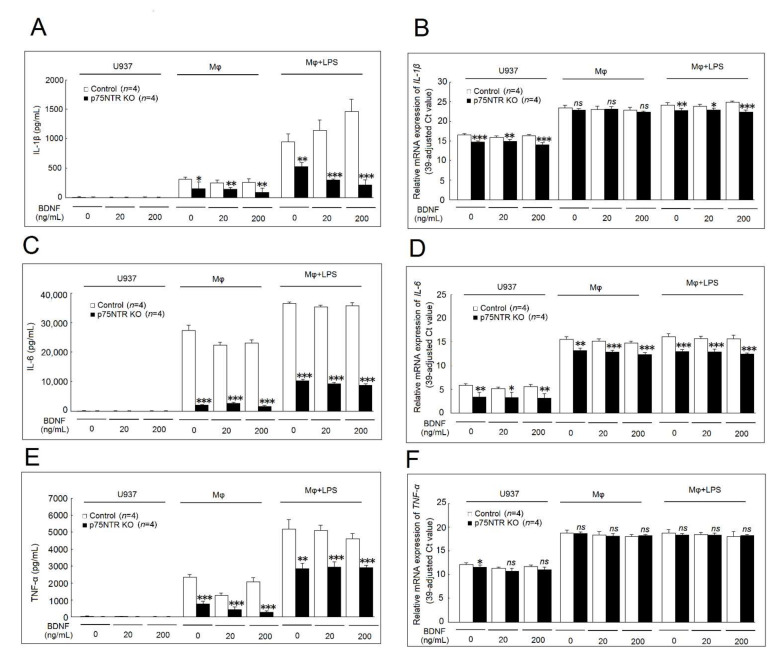
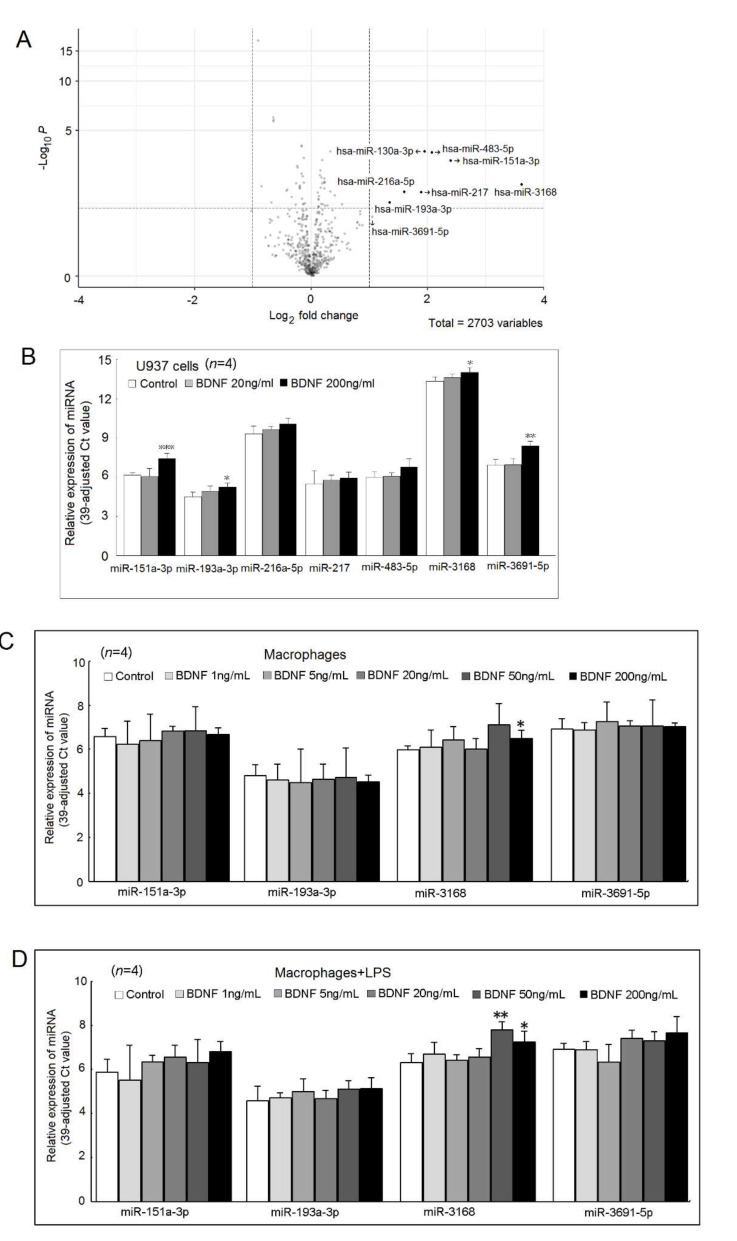
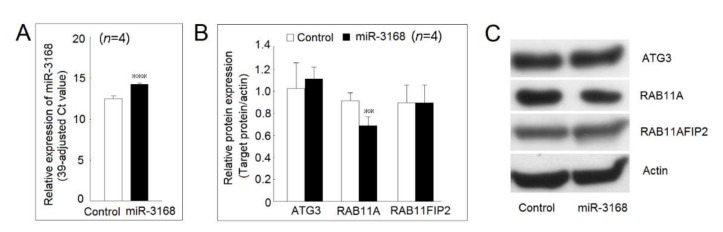
We investigated the role of brain-derived neurotrophic factor (BDNF) and its signaling pathway in the proinflammatory cytokines production of macrophages. The effects of different concentrations of BDNF on proinflammatory cytokines expression and secretion in U937 cell-differentiated macrophages, and human monocyte-derived macrophages were analyzed using enzyme-linked immunosorbent assay and real-time polymerase chain reaction. The CRISPR-Cas9 system was used to knockout p75 neurotrophin receptor (p75NTR), one of the BDNF receptors. Next-generation sequencing (NGS) was conducted to search for BDNF-regulated microRNA. A very low concentration of BDNF (1 ng/mL) could suppress the secretion of interleukin (IL)-1β, tumor necrosis factor (TNF)-α, and IL-6 in lipopolysaccharide (LPS)-stimulated macrophages but did not change their mRNA expression. BDNF suppressed IL-1β and IL-6 secretion in human monocyte-derived macrophages. In U937 cells, BDNF suppressed the phosphorylation of JNK and c-Jun. The p75NTR knockout strongly suppressed IL-1β, IL-6, and TNF-α secretion in macrophages and LPS-stimulated macrophages. BDNF regulated the expression of miR-3168 with Ras-related protein Rab-11A as its target. In conclusion, BDNF suppressed proinflammatory cytokines secretion in macrophages and inhibited the phosphorylation of JNK. Knockout of p75NTR suppressed proinflammatory cytokines expression and secretion. BDNF upregulated the expression of miR-3168. The inhibition of p75NTR could be a potential strategy to control inflammation.
我们研究了脑源性神经营养因子(BDNF)及其信号通路在巨噬细胞前炎性细胞因子产生中的作用。采用酶联免疫吸附试验和实时聚合酶链反应分析了不同浓度的 BDNF 对 U937 细胞分化的巨噬细胞和人单核细胞来源的巨噬细胞前炎性细胞因子表达和分泌的影响。CRISPR-Cas9 系统用于敲除 BDNF 受体之一 p75 神经生长因子受体(p75NTR)。下一代测序(NGS)用于寻找 BDNF 调节的 microRNA。非常低浓度的 BDNF(1ng/mL)可抑制脂多糖(LPS)刺激的巨噬细胞中白细胞介素(IL)-1β、肿瘤坏死因子(TNF)-α和 IL-6 的分泌,但不改变其 mRNA 表达。BDNF 可抑制人单核细胞来源的巨噬细胞中 IL-1β和 IL-6 的分泌。在 U937 细胞中,BDNF 抑制 JNK 和 c-Jun 的磷酸化。p75NTR 敲除强烈抑制巨噬细胞和 LPS 刺激的巨噬细胞中 IL-1β、IL-6 和 TNF-α的分泌。BDNF 调节 miR-3168 的表达,以 Ras 相关蛋白 Rab-11A 为其靶标。总之,BDNF 抑制巨噬细胞中前炎性细胞因子的分泌,并抑制 JNK 的磷酸化。p75NTR 的敲除抑制前炎性细胞因子的表达和分泌。BDNF 上调 miR-3168 的表达。抑制 p75NTR 可能是控制炎症的一种潜在策略。