Centre for Molecular Therapeutics, Australian Institute of Tropical Health and Medicine, James Cook University, Building E4, McGregor Rd, Smithfield, Cairns, QLD 4878, Australia.
Australian Tropical Herbarium, James Cook University, Building E1, McGregor Rd, Smithfield, Cairns, QLD 4878, Australia.
Molecules. 2022 Jan 5;27(1):313. doi: 10.3390/molecules27010313.
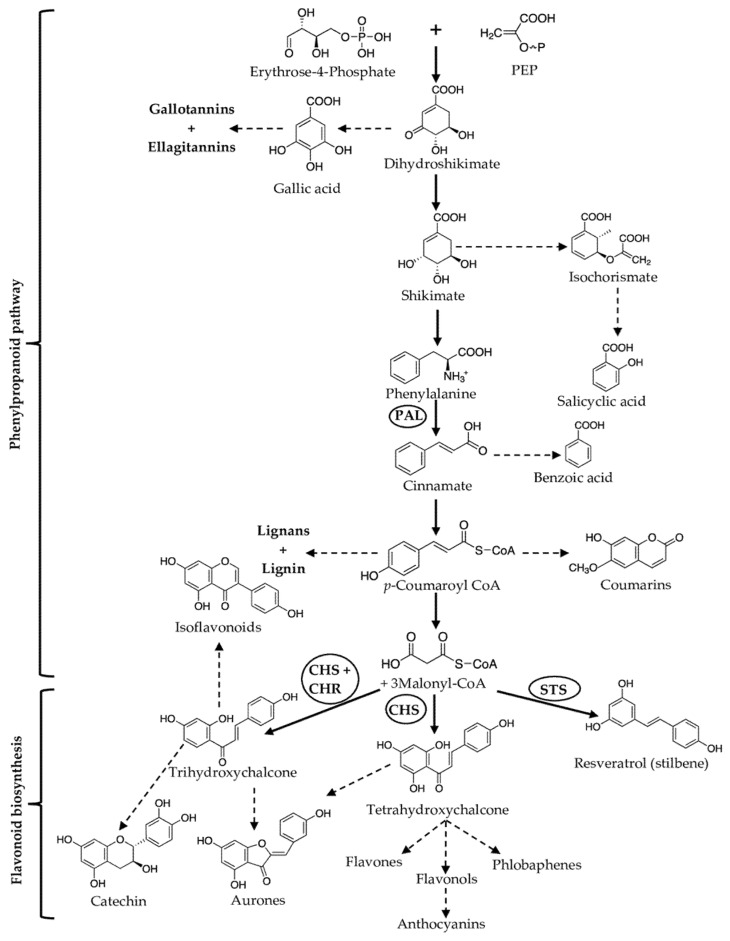
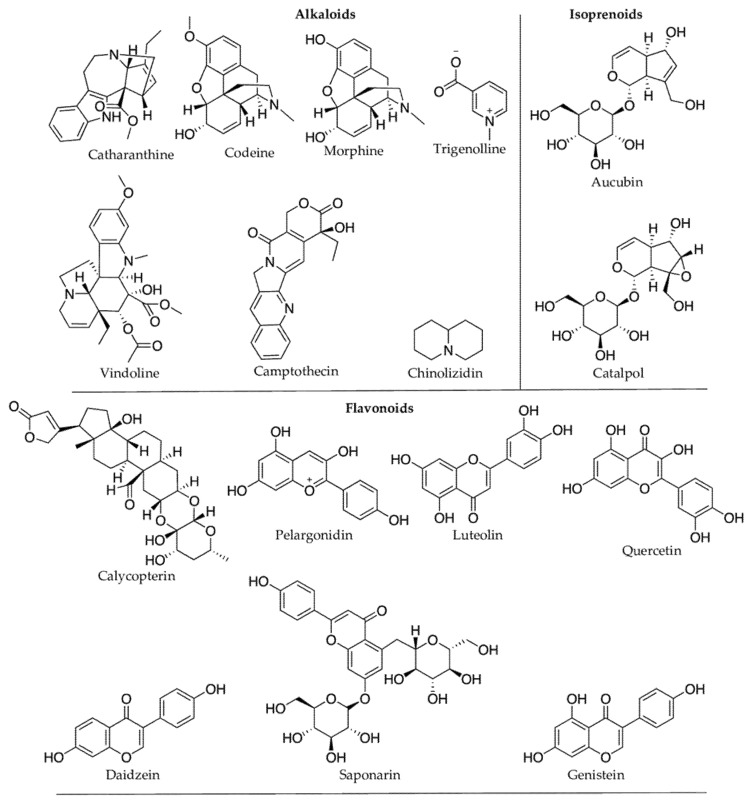
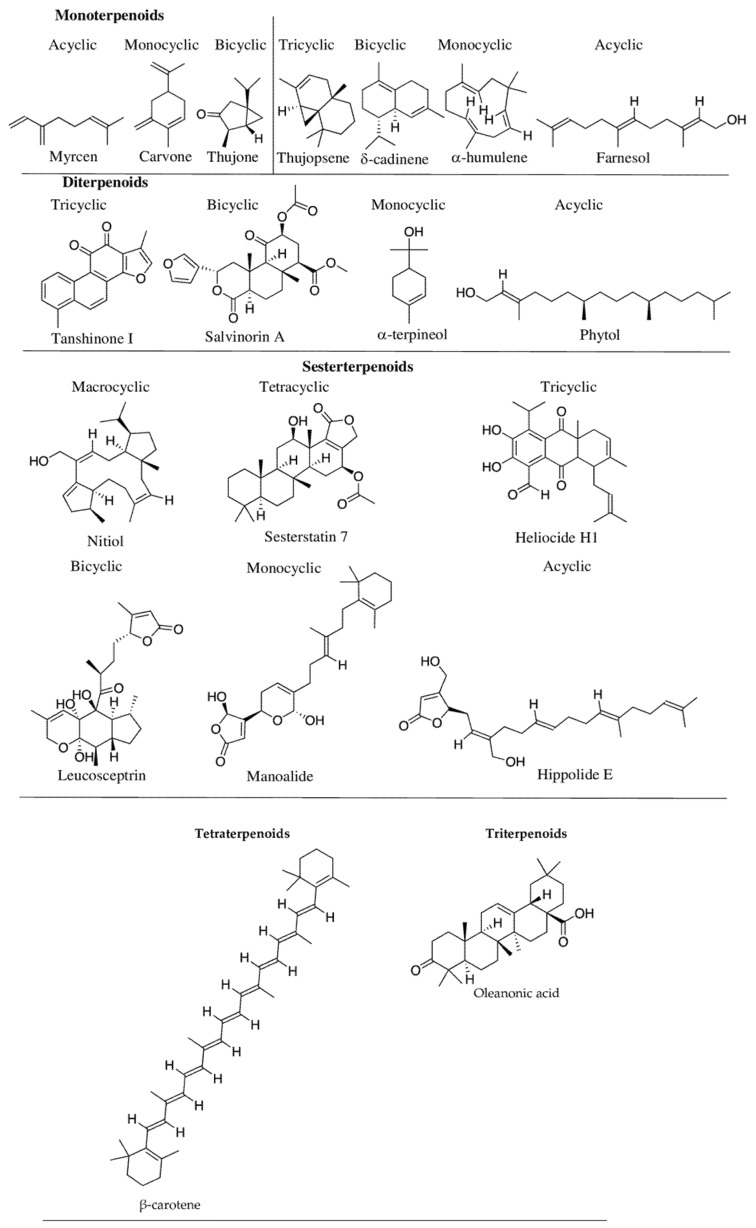
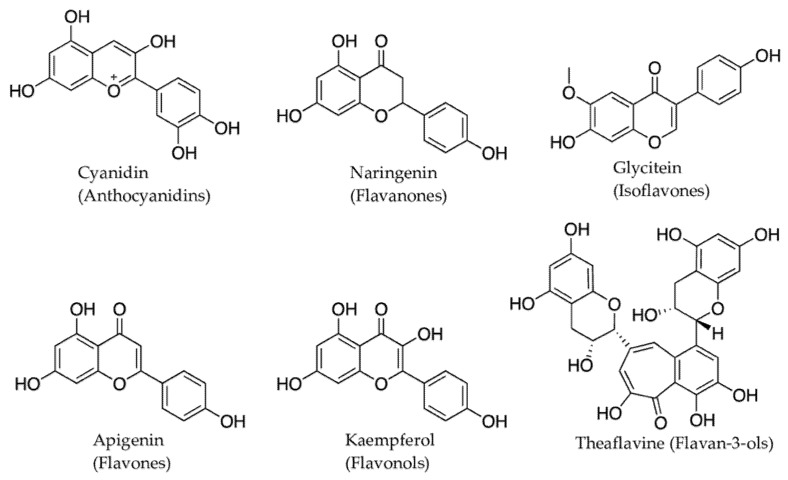
Plant secondary metabolites (PSMs) are vital for human health and constitute the skeletal framework of many pharmaceutical drugs. Indeed, more than 25% of the existing drugs belong to PSMs. One of the continuing challenges for drug discovery and pharmaceutical industries is gaining access to natural products, including medicinal plants. This bottleneck is heightened for endangered species prohibited for large sample collection, even if they show biological hits. While cultivating the pharmaceutically interesting plant species may be a solution, it is not always possible to grow the organism outside its natural habitat. Plants affected by abiotic stress present a potential alternative source for drug discovery. In order to overcome abiotic environmental stressors, plants may mount a defense response by producing a diversity of PSMs to avoid cells and tissue damage. Plants either synthesize new chemicals or increase the concentration (in most instances) of existing chemicals, including the prominent bioactive lead compounds morphine, camptothecin, catharanthine, epicatechin-3-gallate (EGCG), quercetin, resveratrol, and kaempferol. Most PSMs produced under various abiotic stress conditions are plant defense chemicals and are functionally anti-inflammatory and antioxidative. The major PSM groups are terpenoids, followed by alkaloids and phenolic compounds. We have searched the literature on plants affected by abiotic stress (primarily studied in the simulated growth conditions) and their PSMs (including pharmacological activities) from PubMed, Scopus, MEDLINE Ovid, Google Scholar, Databases, and journal websites. We used search keywords: "stress-affected plants," "plant secondary metabolites, "abiotic stress," "climatic influence," "pharmacological activities," "bioactive compounds," "drug discovery," and "medicinal plants" and retrieved published literature between 1973 to 2021. This review provides an overview of variation in bioactive phytochemical production in plants under various abiotic stress and their potential in the biodiscovery of therapeutic drugs. We excluded studies on the effects of biotic stress on PSMs.
植物次生代谢产物(PSMs)对人类健康至关重要,构成了许多药物的骨架。事实上,现有药物中有超过 25%属于 PSMs。药物发现和制药行业面临的持续挑战之一是获取天然产物,包括药用植物。对于禁止大规模采集样本的濒危物种来说,这一瓶颈更加突出,即使它们具有生物活性。虽然种植具有药用价值的植物物种可能是一种解决方案,但并非总是可以在其自然栖息地之外种植该生物。受非生物胁迫影响的植物为药物发现提供了潜在的替代来源。为了克服非生物环境胁迫,植物可能会通过产生多种 PSMs 来避免细胞和组织损伤,从而启动防御反应。植物要么合成新的化学物质,要么增加现有化学物质的浓度(在大多数情况下),包括突出的生物活性先导化合物吗啡、喜树碱、长春新碱、表儿茶素-3-没食子酸酯(EGCG)、槲皮素、白藜芦醇和山奈酚。大多数在各种非生物胁迫条件下产生的 PSMs 是植物防御化学物质,具有抗炎和抗氧化功能。主要的 PSM 组是萜类化合物,其次是生物碱和酚类化合物。我们从 PubMed、Scopus、MEDLINE Ovid、Google Scholar、数据库和期刊网站上搜索了受非生物胁迫影响的植物及其 PSMs(包括药理学活性)的文献。我们使用了搜索关键词:“受胁迫影响的植物”、“植物次生代谢产物”、“非生物胁迫”、“气候影响”、“药理学活性”、“生物活性化合物”、“药物发现”和“药用植物”,并检索了 1973 年至 2021 年之间发表的文献。本综述概述了各种非生物胁迫下植物中生物活性植物化学物质产生的变化及其在治疗药物生物发现中的潜力。我们排除了关于生物胁迫对 PSMs 影响的研究。