Department of Population Health Sciences, Weill Cornell Medicine, New York, NY 10065;
Division of General Internal Medicine, Department of Medicine, Weill Cornell Medicine, New York, NY 10065.
Proc Natl Acad Sci U S A. 2022 Jan 18;119(3). doi: 10.1073/pnas.2025448119.
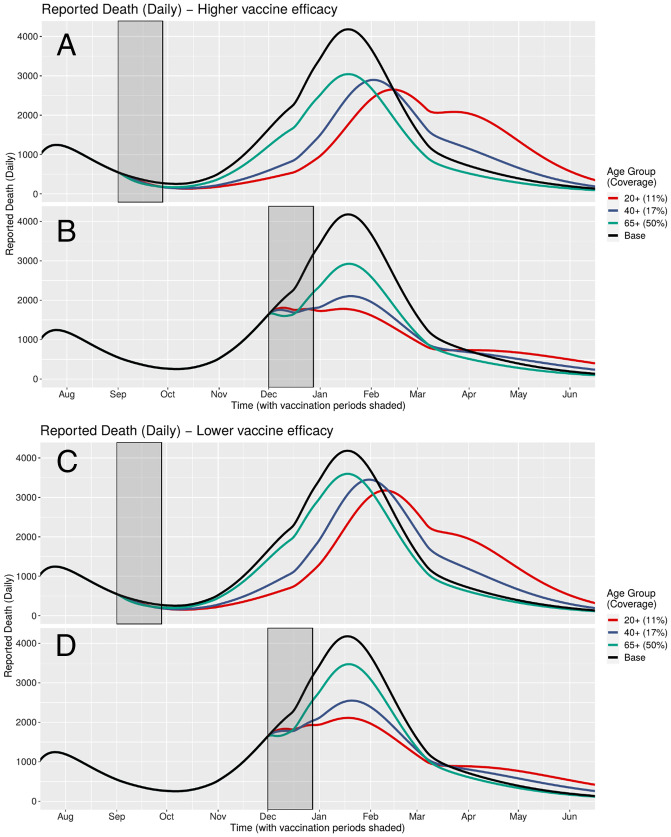
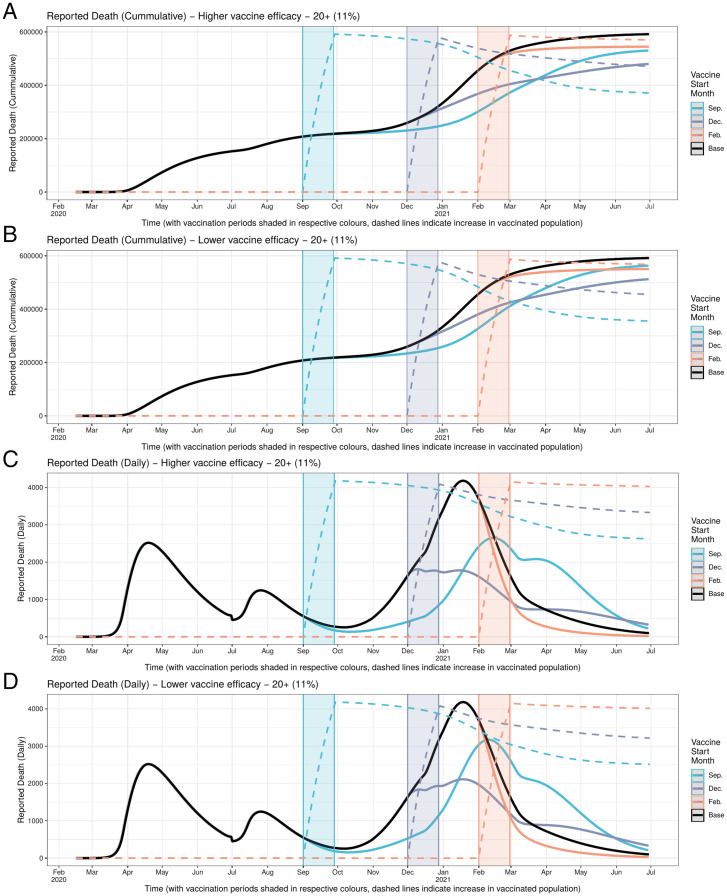
COVID-19 remains a stark health threat worldwide, in part because of minimal levels of targeted vaccination outside high-income countries and highly transmissible variants causing infection in vaccinated individuals. Decades of theoretical and experimental data suggest that nonspecific effects of non-COVID-19 vaccines may help bolster population immunological resilience to new pathogens. These routine vaccinations can stimulate heterologous cross-protective effects, which modulate nontargeted infections. For example, immunization with Calmette-Guérin, inactivated influenza vaccine, oral polio vaccine, and other vaccines have been associated with some protection from SARS-CoV-2 infection and amelioration of COVID-19 disease. If heterologous vaccine interventions (HVIs) are to be seriously considered by policy makers as bridging or boosting interventions in pandemic settings to augment nonpharmaceutical interventions and specific vaccination efforts, evidence is needed to determine their optimal implementation. Using the COVID-19 International Modeling Consortium mathematical model, we show that logistically realistic HVIs with low (5 to 15%) effectiveness could have reduced COVID-19 cases, hospitalization, and mortality in the United States fall/winter 2020 wave. Similar to other mass drug administration campaigns (e.g., for malaria), HVI impact is highly dependent on both age targeting and intervention timing in relation to incidence, with maximal benefit accruing from implementation across the widest age cohort when the pandemic reproduction number is >1.0. Optimal HVI logistics therefore differ from optimal rollout parameters for specific COVID-19 immunizations. These results may be generalizable beyond COVID-19 and the US to indicate how even minimally effective heterologous immunization campaigns could reduce the burden of future viral pandemics.
COVID-19 仍然是全球严峻的健康威胁,部分原因是高收入国家以外的目标人群疫苗接种率较低,以及具有高度传染性的变异株导致已接种疫苗人群感染。数十年来的理论和实验数据表明,非 COVID-19 疫苗的非特异性作用可能有助于增强人群对新病原体的免疫弹性。这些常规疫苗接种可以刺激异源交叉保护作用,从而调节非靶向性感染。例如,接种卡介苗、灭活流感疫苗、口服脊髓灰质炎疫苗和其他疫苗已被证明可以提供一定程度的针对 SARS-CoV-2 感染的保护,并减轻 COVID-19 疾病的严重程度。如果政策制定者要认真考虑将异源疫苗干预(HVI)作为大流行环境中的桥梁或增强干预措施,以增强非药物干预和特定疫苗接种工作,那么需要有证据来确定其最佳实施方式。我们使用 COVID-19 国际建模联盟数学模型表明,具有低(5%至 15%)有效性的合理可行的 HVI 可以减少美国 2020 年秋季/冬季的 COVID-19 病例、住院和死亡人数。与其他大规模药物管理运动(例如针对疟疾)一样,HVI 的影响高度依赖于针对发病率的年龄靶向和干预时机,当大流行繁殖数大于 1.0 时,从最广泛的年龄组实施可以获得最大的益处。因此,HVI 的最佳后勤与针对特定 COVID-19 的免疫接种的最佳推出参数不同。这些结果可能不仅适用于 COVID-19 和美国,还可以指示即使是效果最低的异源免疫接种运动如何减轻未来病毒大流行的负担。