Department of Poultry Science, Texas A&M AgriLife Research, Texas A&M University, College Station, TX 77843.
Southern Plains Agricultural Research Center, Agricultural Research Service, US Department of Agriculture, College Station, TX 77845.
Poult Sci. 2022 Mar;101(3):101642. doi: 10.1016/j.psj.2021.101642. Epub 2021 Dec 4.
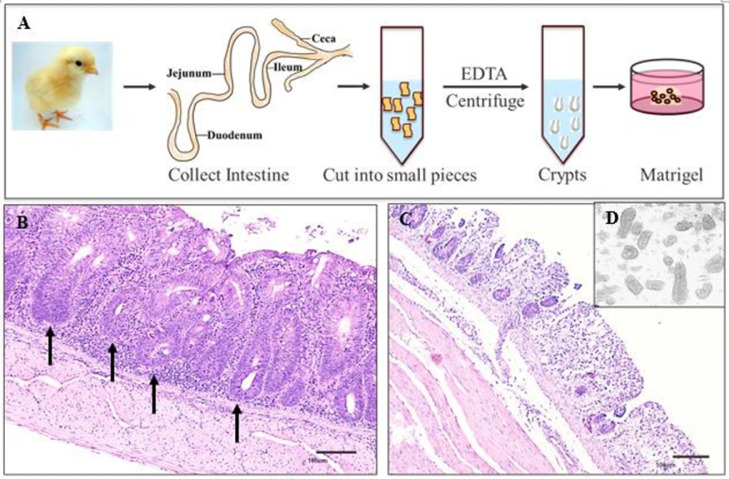
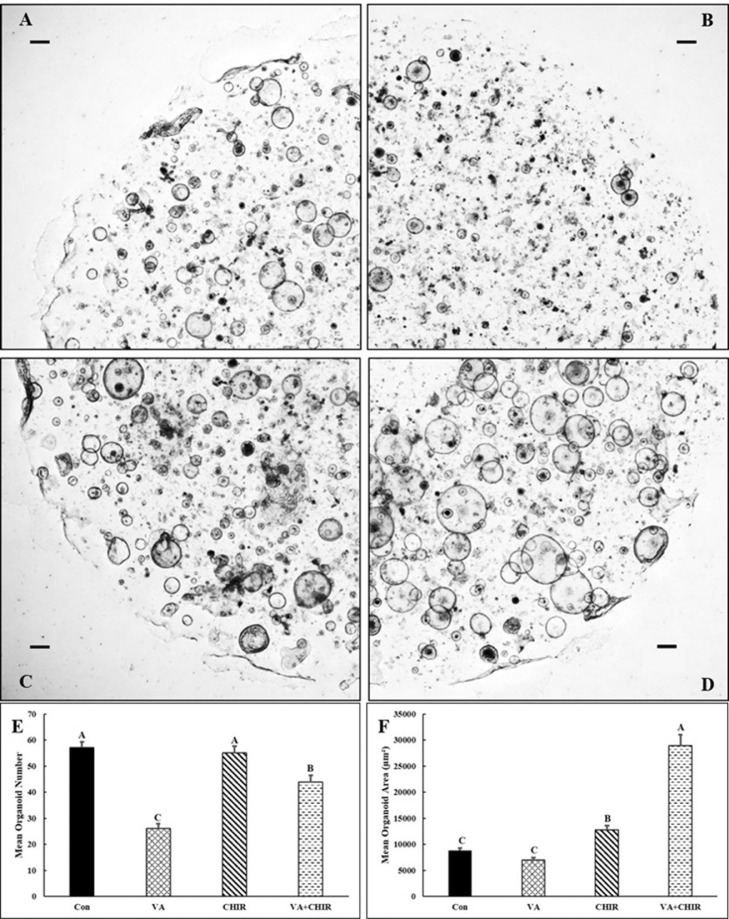
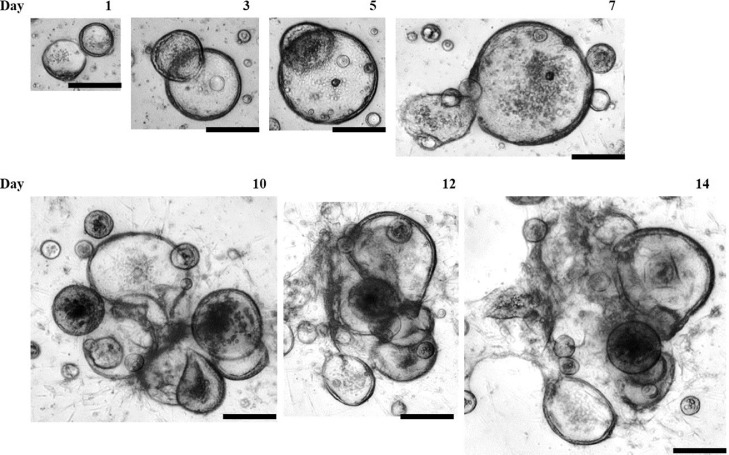
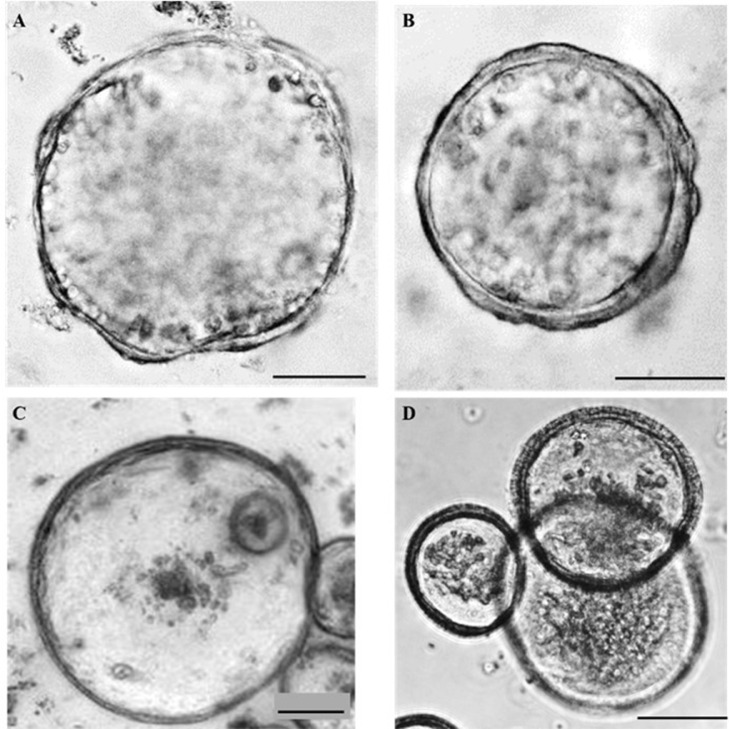
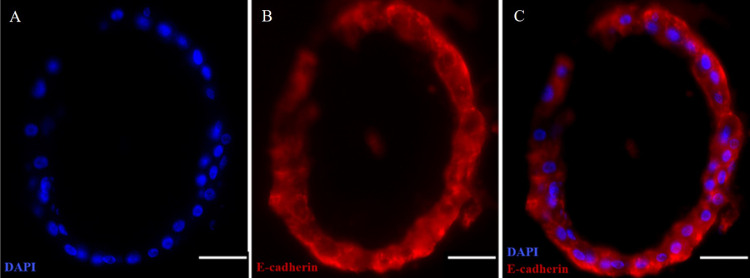
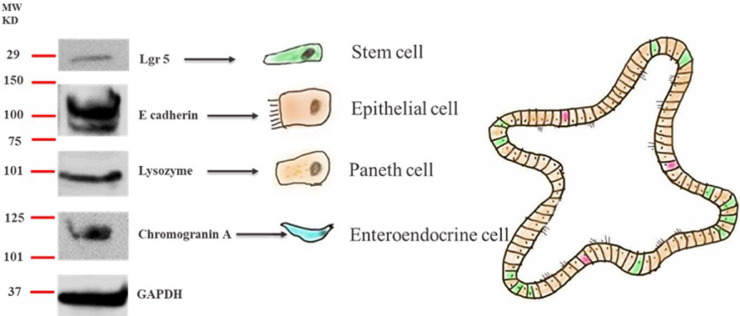
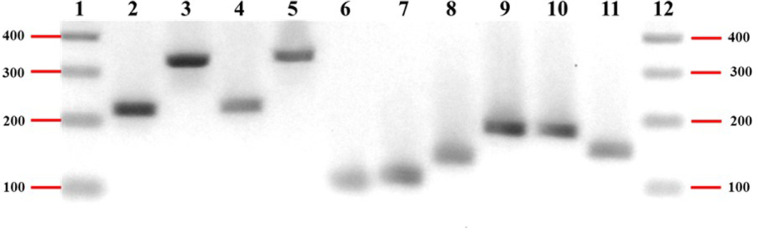
Intestinal organoids (IO), known as "mini-guts", derived from intestinal crypts, are self-organizing three-dimensional (3D) multicellular ex vivo models that recapitulate intestine epithelial structure and function and have been widely used for studying intestinal physiology, pathophysiology, molecular mechanisms of host-pathogen interactions, and intestinal disease in mammals. However, studies on avian IO are limited and the development of long-term cultures of IO model for poultry research is lacking. Therefore, the objectives of this study were to generate crypt-derived organoids from chicken intestines and to optimize conditions for cell growth and enrichments, passages, and cryopreservation. Crypts were collected from the small intestines of birds at embryonic d-19 and ceca from layer and broiler chickens with ages ranging from d 1 to 20 wk, embedded in a basement membrane matrix, and cultured with organoid growth media (OGM) prepared in house. The crypt-derived organoids were successfully grown and propagated to form 3D spheres like structures that were cultured for up to 3 wk. Organoids were formed on d one, budding appeared on d 3, and robust budding was observed on d 7 and beyond. For cryopreservation, dissociated organoids were resuspended in a freezing medium. The characteristics of IO upon extended passages and freeze-thaw cycles were analyzed using reverse transcription (RT)-PCR, immunoblotting, and live cell imaging. Immunoblotting and RT-PCR using E-cadherin (the marker for epithelial cells), leucine-rich repeat-containing G protein-coupled receptor 5 (LGR5, the marker for stem cells), chromogranin A (the marker for enteroendocrine cells), lysozyme (the marker for Paneth cells), and mucin (the biomarker for goblet cells) confirmed that IO were composed of heterogeneous cell populations, including epithelial cells, stem cells, enteroendocrine cells, Paneth cells, and goblet cells. Furthermore, OGM supplemented with both valproic acid and CHIR99021, a glycogen synthase kinase 3β inhibitor and a histone deacetylase inhibitor, increased the size of the avian IO (P < 0.001). To the best of our knowledge, this is the first comprehensive report for establishing long-term, organoid culture models from small intestines and ceca of layer and broiler chickens. This model will facilitate elucidation of the mechanisms impacting host-pathogen interactions, eventually leading to the discovery of pathogen intervention strategies in poultry.
肠类器官(IO),也被称为“迷你肠道”,源自肠隐窝,是自我组织的三维(3D)多细胞体外模型,能够重现肠道上皮结构和功能,已被广泛用于研究哺乳动物的肠道生理学、病理生理学、宿主-病原体相互作用的分子机制以及肠道疾病。然而,禽类 IO 的研究有限,缺乏用于家禽研究的 IO 模型的长期培养。因此,本研究的目的是从鸡肠中生成隐窝衍生的类器官,并优化细胞生长和富集、传代和冷冻保存的条件。从鸡胚第 19 天的小肠和第 1 至 20 周龄的蛋鸡和肉鸡的盲肠中收集隐窝,嵌入基底膜基质中,并使用自制的类器官生长培养基(OGM)进行培养。成功地从隐窝中培养出类器官并进行增殖,形成类似于 3D 球体的结构,可培养长达 3 周。类器官在第 1 天形成,第 3 天出现芽,第 7 天及以后出现大量芽。对于冷冻保存,将分离的类器官悬浮在冷冻培养基中。使用逆转录(RT)-PCR、免疫印迹和活细胞成像分析延长传代和冻融循环后 IO 的特征。使用上皮细胞标志物 E-钙黏蛋白、干细胞标志物富含亮氨酸重复的 G 蛋白偶联受体 5(LGR5)、肠内分泌细胞标志物嗜铬粒蛋白 A、潘氏细胞标志物溶菌酶和杯状细胞标志物粘蛋白进行免疫印迹和 RT-PCR,证实 IO 由包括上皮细胞、干细胞、肠内分泌细胞、潘氏细胞和杯状细胞在内的异质细胞群组成。此外,OGM 中添加丙戊酸和 CHIR99021(糖原合酶激酶 3β抑制剂和组蛋白去乙酰化酶抑制剂)增加了禽类 IO 的大小(P < 0.001)。据我们所知,这是首次全面报道从小肠和盲肠中建立长期的、源自蛋鸡和肉鸡的类器官培养模型。该模型将有助于阐明影响宿主-病原体相互作用的机制,最终导致在禽类中发现病原体干预策略。