Institute for Immunity and Transplantation, Stem Cell Biology and Regenerative Medicine, School of Medicine, Stanford University, Palo Alto, CA 94304, USA.
Department of Cancer Immunology, Genentech Inc., South San Francisco, CA 94080, USA.
Cells. 2022 Jan 6;11(2):186. doi: 10.3390/cells11020186.
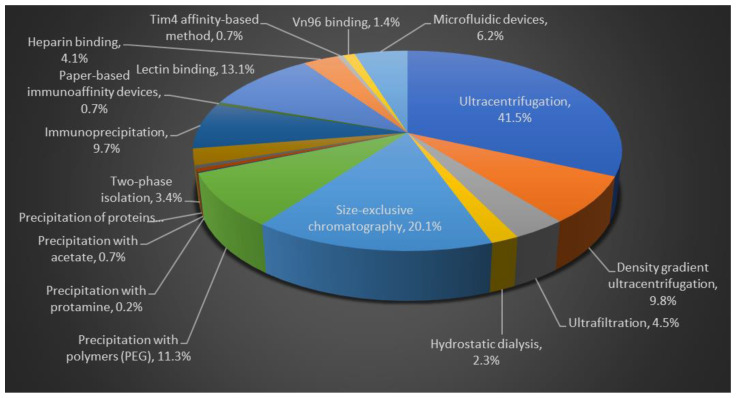
The use of extracellular vesicles (EV) in nano drug delivery has been demonstrated in many previous studies. In this study, we discuss the sources of extracellular vesicles, including plant, salivary and urinary sources which are easily available but less sought after compared with blood and tissue. Extensive research in the past decade has established that the breadth of EV applications is wide. However, the efforts on standardizing the isolation and purification methods have not brought us to a point that can match the potential of extracellular vesicles for clinical use. The standardization can open doors for many researchers and clinicians alike to experiment with the proposed clinical uses with lesser concerns regarding untraceable side effects. It can make it easier to identify the mechanism of therapeutic benefits and to track the mechanism of any unforeseen effects observed.
在许多先前的研究中,已经证明了细胞外囊泡(EV)在纳米药物递送中的应用。在本研究中,我们讨论了细胞外囊泡的来源,包括植物、唾液和尿液来源,这些来源与血液和组织相比更容易获得,但研究较少。过去十年的广泛研究已经确立了 EV 应用的广泛性。然而,在标准化分离和纯化方法方面的努力并没有使我们达到能够与细胞外囊泡在临床应用中的潜力相匹配的水平。标准化可以为许多研究人员和临床医生打开大门,让他们在实验中使用拟议的临床用途,而不必担心无法追踪的副作用。这可以更容易地确定治疗益处的机制,并跟踪任何不可预见的影响的机制。