MIT Center for Environmental Health Sciences, MIT Superfund Research Program, and the MIT Edgerton Center, Massachusetts Institute of Technology, Cambridge, MA 02139, USA.
University of New Mexico Health Sciences Center, College of Pharmacy, Albuquerque, NM 87106, USA.
Int J Environ Res Public Health. 2022 Jan 14;19(2):929. doi: 10.3390/ijerph19020929.
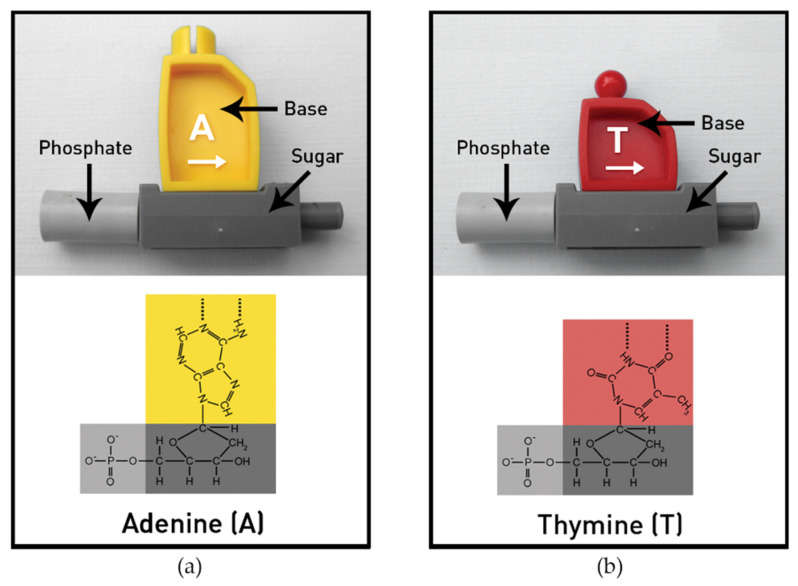
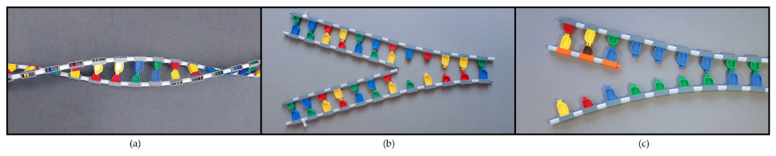
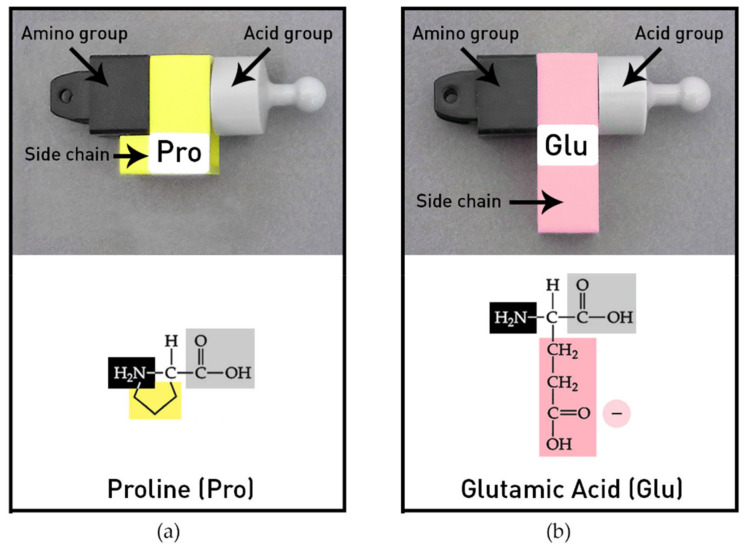
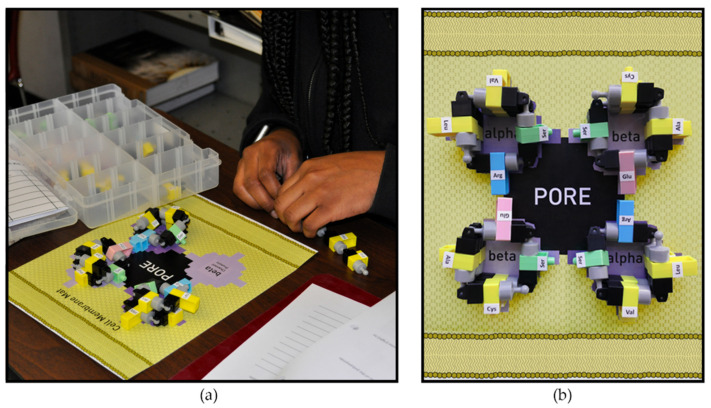
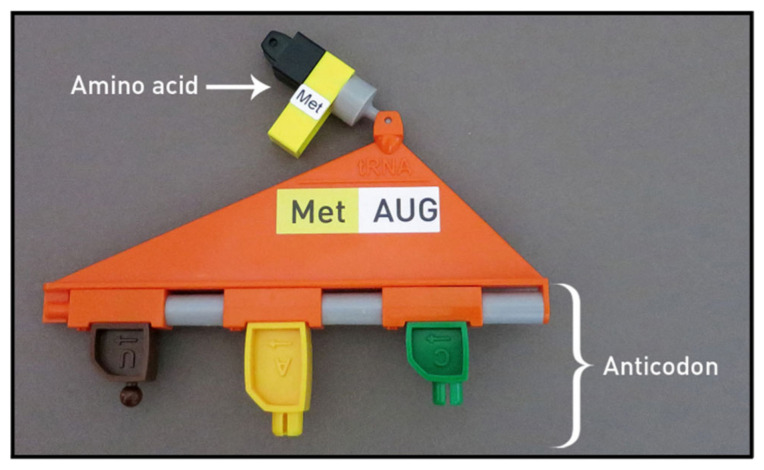
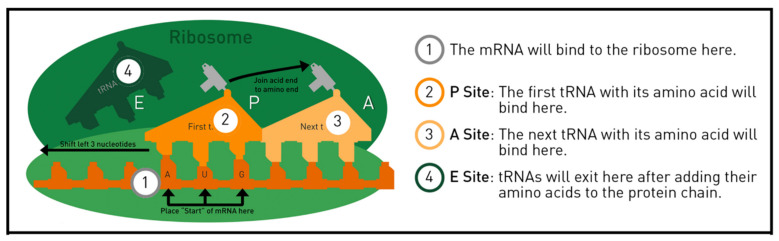
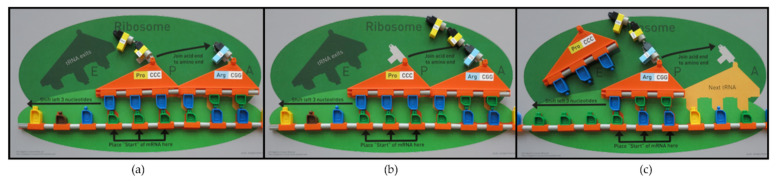
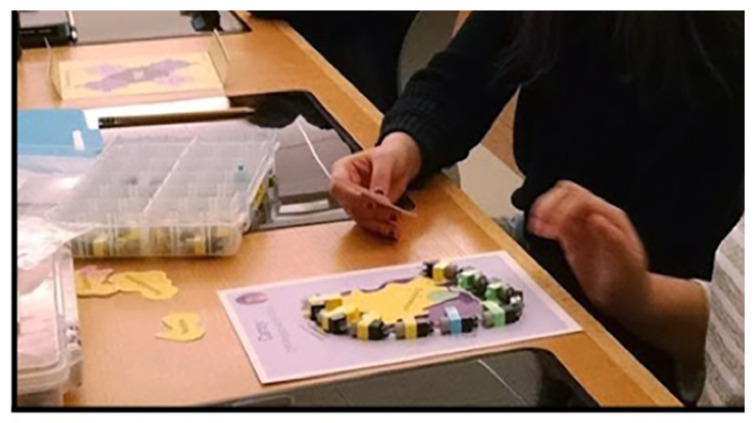
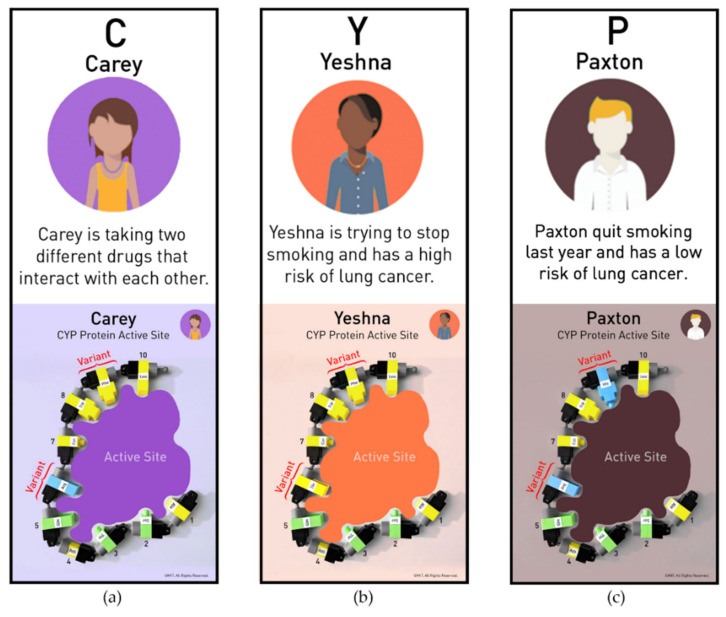
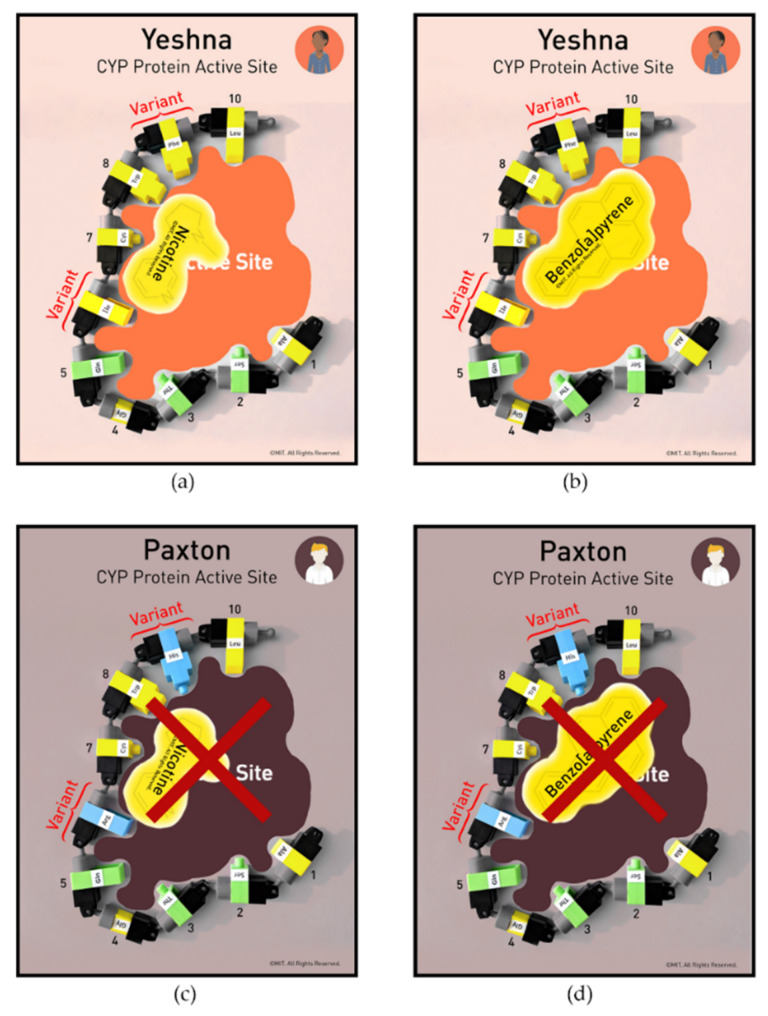
This study addresses healthcare providers' knowledge deficits in environmental health and genetics, and primarily focuses on student nurses and nurses serving marginalized, low-income communities frequently exposed to environmental toxicants. Our approach to improve public health is unique, combining hands-on modeling exercises with case-based lessons in addition to three targeted 40 min lectures on toxicology. These lectures included the team's community-based environmental health research among Indigenous peoples of the U.S. The hands-on approach employed DNA and protein molecular models designed to demonstrate normal and dysfunctional molecules, as well as genetic variants in world populations. The models provided learners with visuals and an experience of "learning by doing." Increased awareness of the effects of environmental toxicants is the first step toward improving health care for exposed communities. We measured knowledge gains by pre- and post-tests among student nurses and nurses serving Native Americans living both in urban and rural areas of the U.S. ( = 116). The modeling lessons illustrated genetic variants in liver proteins common in Native peoples and their resulting health vulnerabilities. Participants were engaged and enthusiastic; and pre- and post-test results reported substantial knowledge gains and a greater understanding of genetic susceptibility ( < 0.0001). Our study demonstrates the utility of this framework across diverse populations and remote communities.
本研究针对医疗保健提供者在环境健康和遗传学方面的知识不足,主要关注经常接触环境毒物的学生护士和为边缘化、低收入社区服务的护士。我们改善公共卫生的方法是独特的,将实践模型练习与基于案例的课程相结合,此外还进行了三次针对毒理学的 40 分钟讲座。这些讲座包括团队在美国土著人民中的基于社区的环境健康研究。实践方法采用了 DNA 和蛋白质分子模型,旨在展示正常和功能失调的分子以及世界人群中的遗传变异。这些模型为学习者提供了视觉效果和“实践学习”的体验。提高对环境毒物影响的认识是改善暴露社区医疗保健的第一步。我们通过对在美国城市和农村地区生活的美国原住民学生护士和护士进行预测试和后测试来衡量知识的增长(n = 116)。模型课程说明了常见于原住民人群的肝脏蛋白质中的遗传变异及其导致的健康脆弱性。参与者积极性很高,预测试和后测试结果报告了知识的大幅增长以及对遗传易感性的更深入理解(<0.0001)。我们的研究表明,该框架在不同人群和偏远社区中具有实用性。