Department of Molecular Medicine, Aarhus University Hospital, 8200, Aarhus N, Denmark.
Department of Clinical Medicine, Aarhus University, 8200, Aarhus N, Denmark.
J Exp Clin Cancer Res. 2022 Jan 22;41(1):31. doi: 10.1186/s13046-021-02196-y.
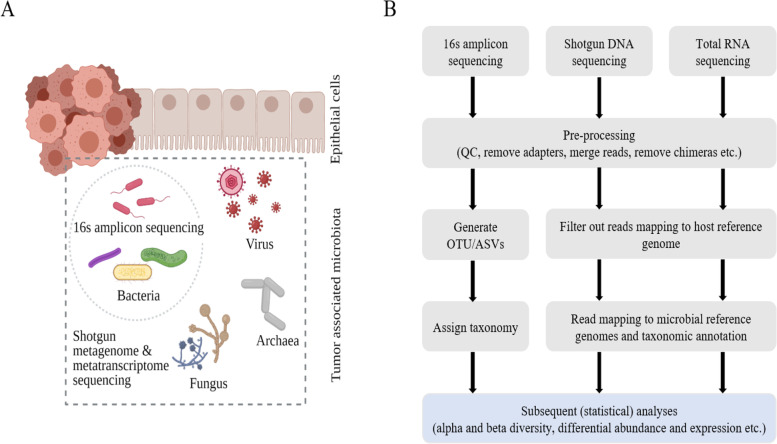
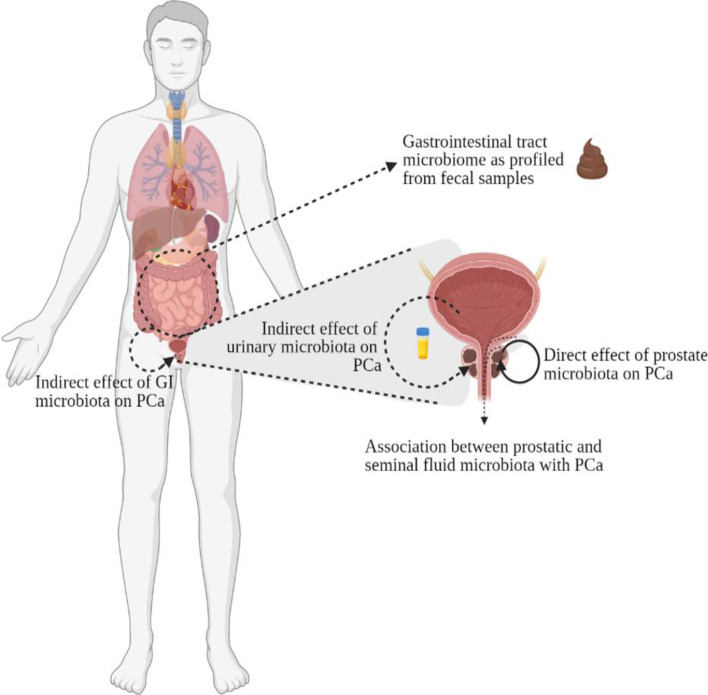
The role of the microbiota in human health and disease is well established, including its effects on several cancer types. However, the role of microbial dysbiosis in prostate cancer development, progression, and response to treatment is less well understood. This knowledge gap could perhaps be implicated in the lack of better risk stratification and prognostic tools that incorporate risk factors such as bacterial infections and inflammatory signatures. With over a decade's research investigating associations between microbiome and prostate carcinogenesis, we are ever closer to finding the crucial biological link between the two. Yet, definitive answers remain elusive, calling for continued research into this field. In this review, we outline the three frequently used NGS based analysis methodologies that are used for microbiome profiling, thereby serving as a quick guide for future microbiome research. We next provide a detailed overview of the current knowledge of the role of the human microbiome in prostate cancer development, progression, and treatment response. Finally, we describe proposed mechanisms of host-microbe interactions that could lead to prostate cancer development, progression or treatment response.
微生物组在人类健康和疾病中的作用已得到充分证实,包括其对几种癌症类型的影响。然而,微生物失调在前列腺癌发展、进展和对治疗的反应中的作用还不太清楚。这种知识差距可能与缺乏更好的风险分层和预后工具有关,这些工具纳入了细菌感染和炎症特征等风险因素。经过十多年的研究,我们发现了微生物组与前列腺癌发生之间的关联,我们越来越接近找到两者之间的关键生物学联系。然而,确切的答案仍然难以捉摸,需要继续对这一领域进行研究。在这篇综述中,我们概述了三种常用于微生物组分析的 NGS 分析方法,为未来的微生物组研究提供了快速指南。接下来,我们详细概述了人类微生物组在前列腺癌发展、进展和治疗反应中的作用的现有知识。最后,我们描述了可能导致前列腺癌发展、进展或治疗反应的宿主-微生物相互作用的机制。