Tan Choo Hock, Bourges Aymeric, Tan Kae Yi
Venom Research and Toxicology Laboratory, Department of Pharmacology, Faculty of Medicine, University of Malaya, 50603 Kuala Lumpur, Malaysia.
Université Libre de Bruxelles, 1050 Bruxelles, Belgium.
J Venom Anim Toxins Incl Trop Dis. 2022 Jan 5;27:e20210051. doi: 10.1590/1678-9199-JVATITD-2021-0051. eCollection 2021.
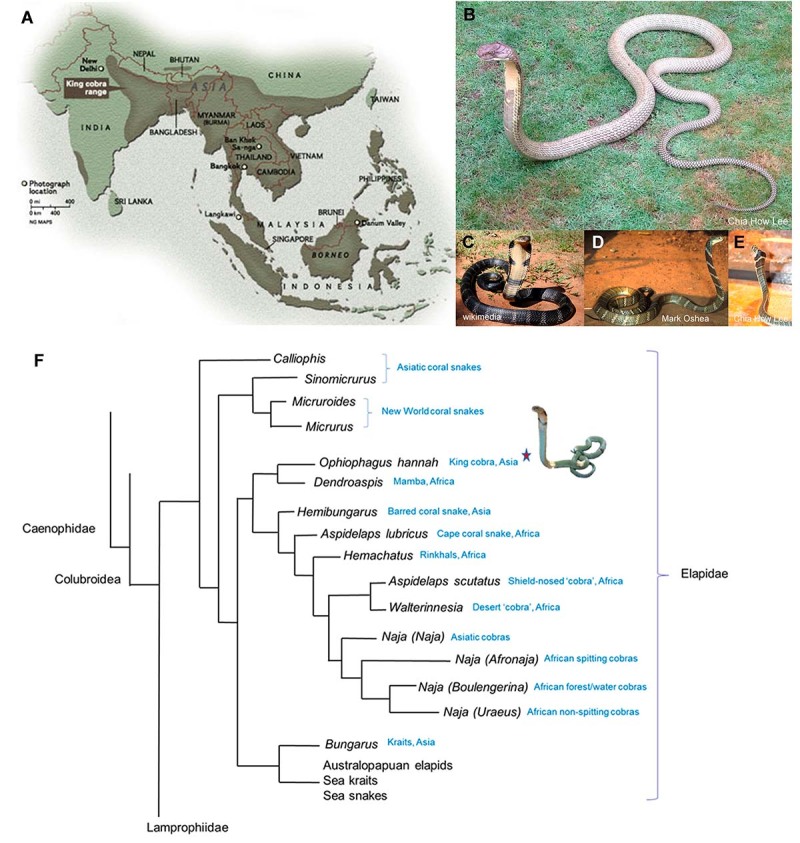
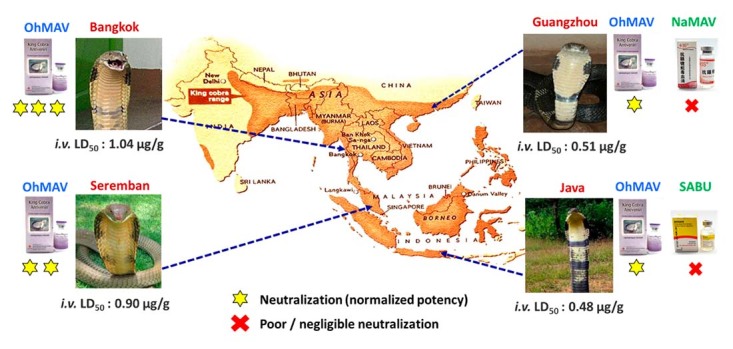
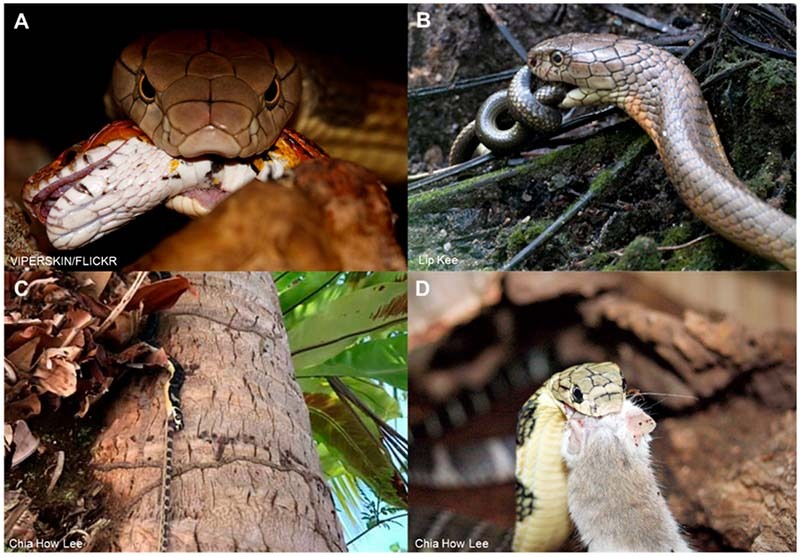
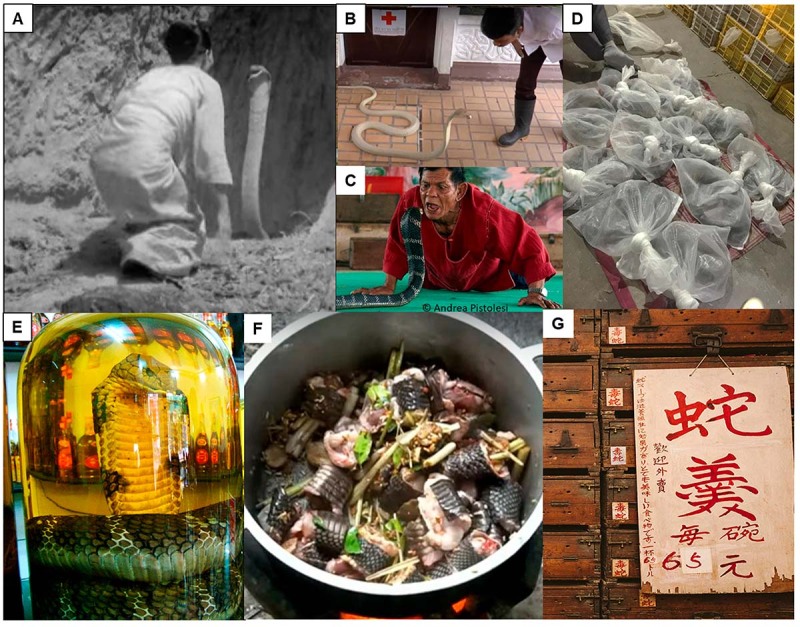
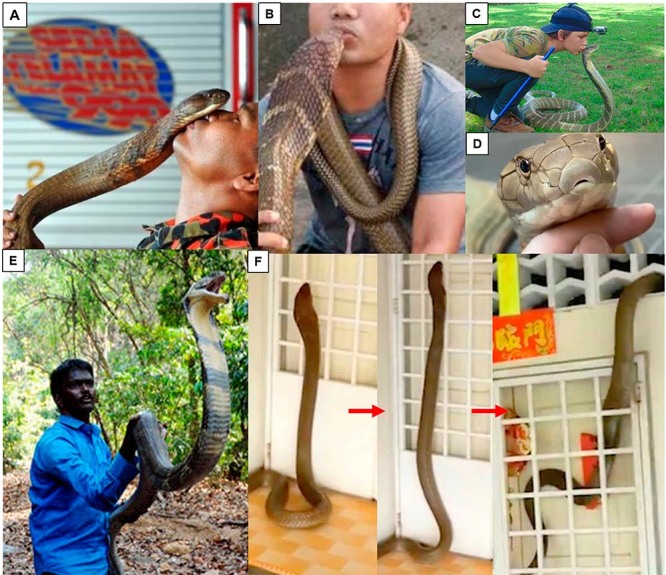
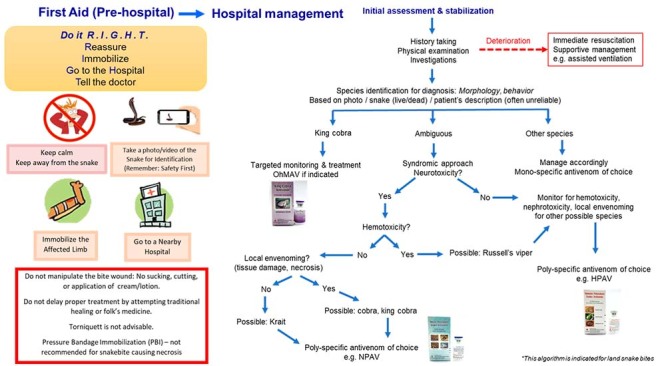
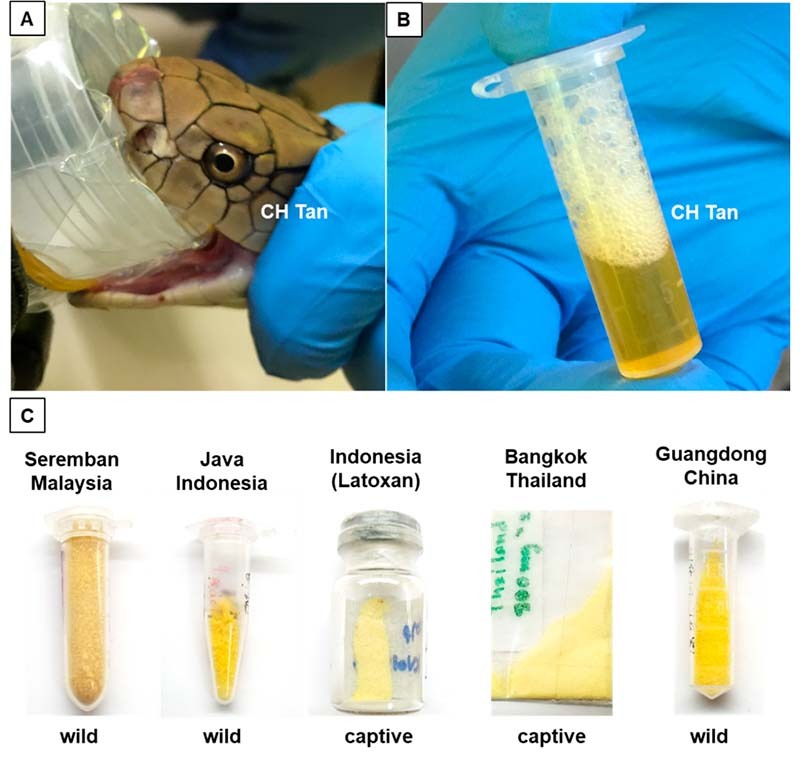
King Cobra () has a significant place in many cultures, and is a medically important venomous snake in the world. Envenomation by this snake is highly lethal, manifested mainly by neurotoxicity and local tissue damage. King Cobra may be part of a larger species complex, and is widely distributed across Southeast Asia, southern China, northern and eastern regions as well as the Western Ghats of India, indicating potential geographical variation in venom composition. There is, however, only one species-specific King Cobra antivenom available worldwide that is produced in Thailand, using venom from the snake of Thai origin. Issues relating to the management of King Cobra envenomation (, variation in the composition and toxicity of the venom, limited availability and efficacy of antivenom), and challenges faced in the research of venom (in particular proteomics), are rarely addressed. This article reviews the natural history and sociocultural importance of King Cobra, cases of snakebite envenomation caused by this species, current practice of management (preclinical and clinical), and major toxinological studies of the venom with a focus on venom proteomics, toxicity and neutralization. Unfortunately, epidemiological data of King Cobra bite is scarce, and venom proteomes reported in various studies revealed marked discrepancies in details. Challenges, such as inconsistency in snake venom sampling, varying methodology of proteomic analysis, lack of mechanistic and antivenomic studies, and controversy surrounding antivenom use in treating King Cobra envenomation are herein discussed. Future directions are proposed, including the effort to establish a standard, comprehensive Pan-Asian proteomic database of King Cobra venom, from which the venom variation can be determined. Research should be undertaken to characterize the toxin antigenicity, and to develop an antivenom with improved efficacy and wider geographical utility. The endeavors are aligned with the WHO´s roadmap that aims to reduce the disease burden of snakebite by 50% before 2030.
眼镜王蛇在许多文化中都占有重要地位,是世界上具有重要医学意义的毒蛇。这种蛇的毒液具有高度致死性,主要表现为神经毒性和局部组织损伤。眼镜王蛇可能是一个更大物种复合体的一部分,广泛分布于东南亚、中国南部、印度北部和东部地区以及西高止山脉,这表明毒液成分可能存在潜在的地理差异。然而,全球仅有泰国生产的一种针对眼镜王蛇的特异性抗蛇毒血清,其使用的是泰国原产蛇的毒液。与眼镜王蛇咬伤处理相关的问题(如毒液成分和毒性的差异、抗蛇毒血清的可用性和有效性有限)以及毒液研究(特别是蛋白质组学)面临的挑战,很少得到关注。本文综述了眼镜王蛇的自然史和社会文化重要性、该物种导致的蛇咬伤中毒病例、当前的处理方法(临床前和临床)以及毒液的主要毒理学研究,重点关注毒液蛋白质组学、毒性和中和作用。不幸的是,眼镜王蛇咬伤的流行病学数据匮乏,且各项研究报告的毒液蛋白质组在细节上存在显著差异。本文讨论了诸如蛇毒采样不一致、蛋白质组分析方法各异、缺乏机制和抗蛇毒血清研究以及抗蛇毒血清在治疗眼镜王蛇咬伤方面的使用争议等挑战。文章还提出了未来的方向,包括努力建立一个标准、全面的泛亚眼镜王蛇毒液蛋白质组数据库,以便确定毒液的差异。应开展研究以表征毒素抗原性,并开发疗效更佳、地理适用性更广的抗蛇毒血清。这些努力与世界卫生组织旨在到2030年将蛇咬伤疾病负担降低50%的路线图相一致。