Wellstone Muscular Dystrophy Program, Department of Neurology, University of Massachusetts Chan Medical School, Worcester, United States.
Li Weibo Institute for Rare Disease Research, University of Massachusetts Chan Medical School, Worcester, United States.
Elife. 2022 Jan 25;11:e70341. doi: 10.7554/eLife.70341.
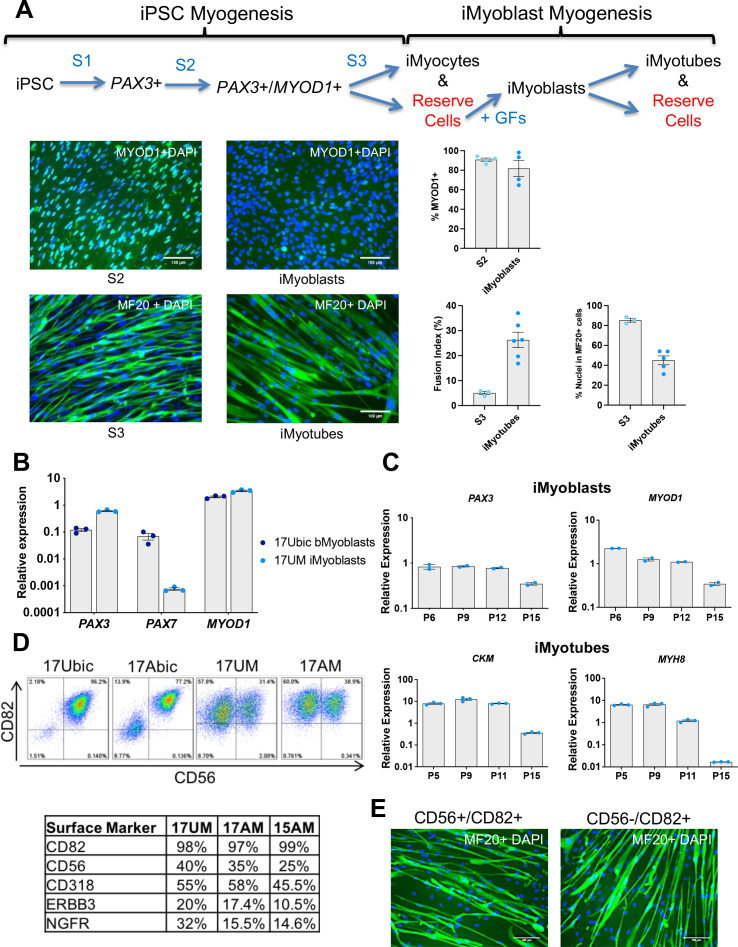
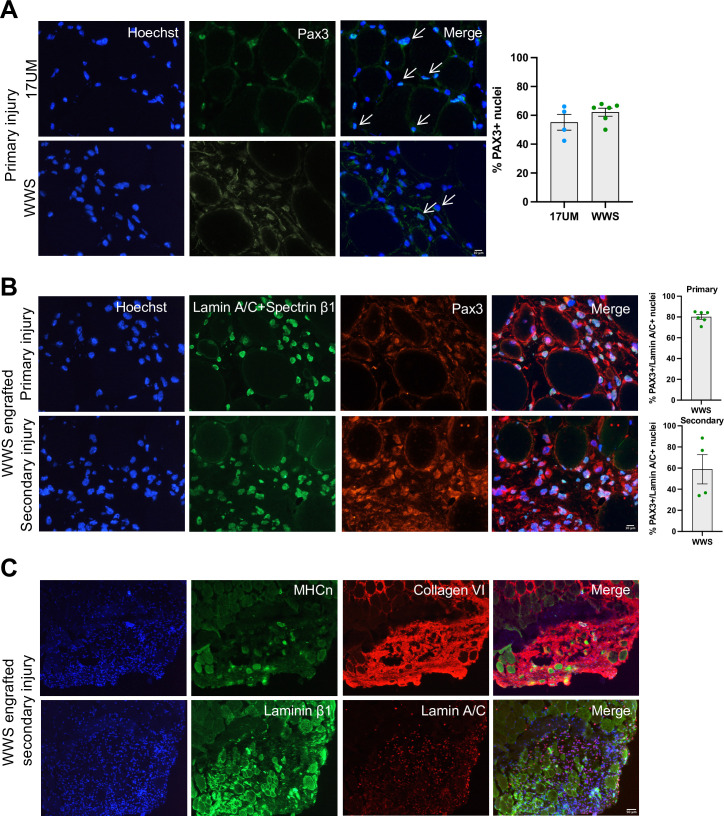
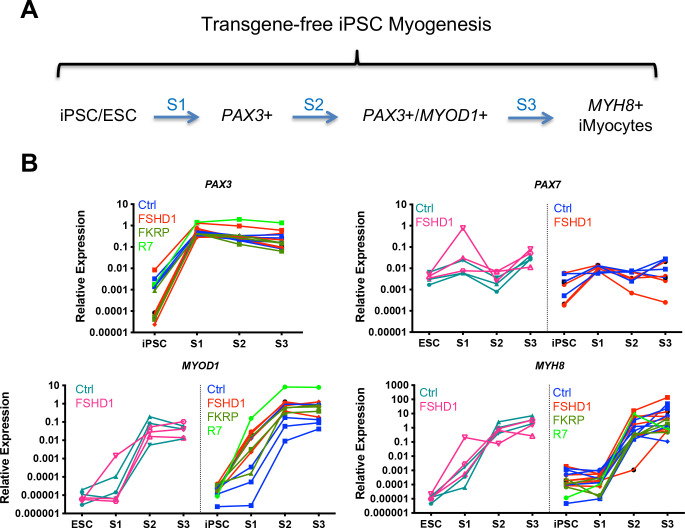
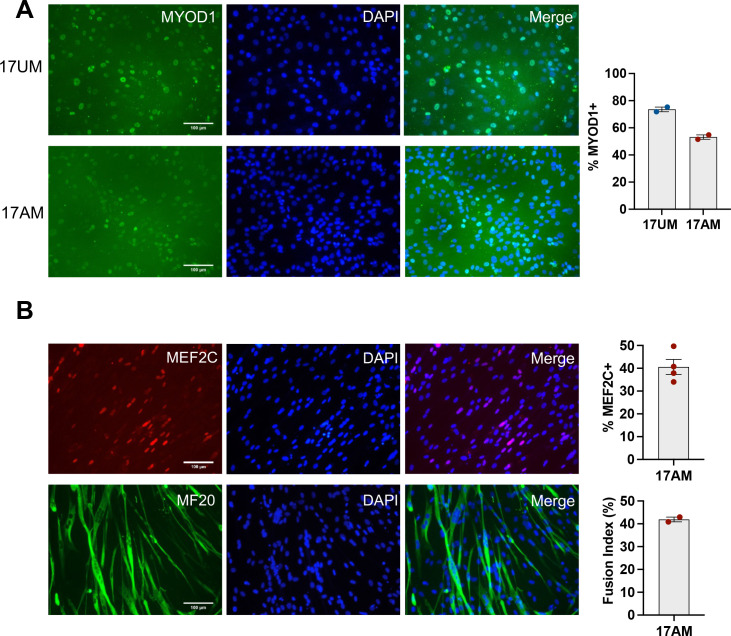
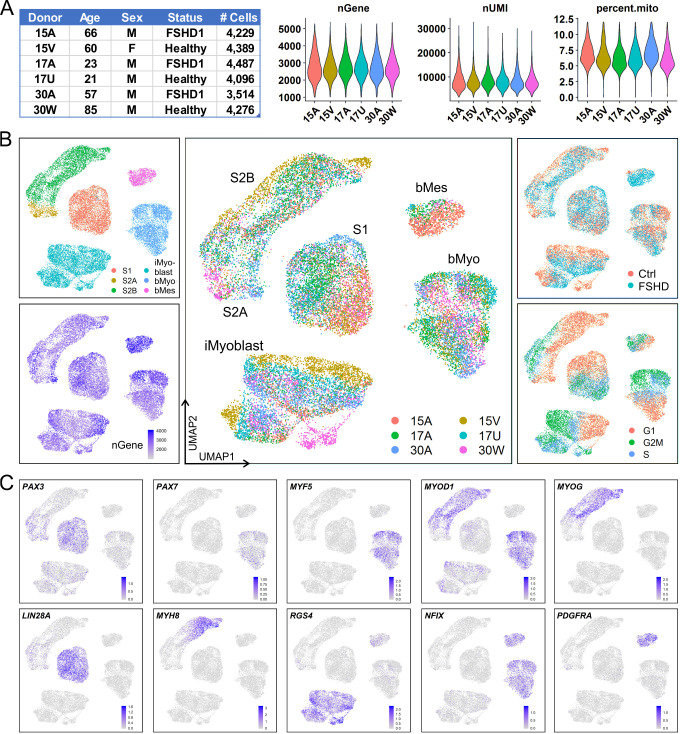
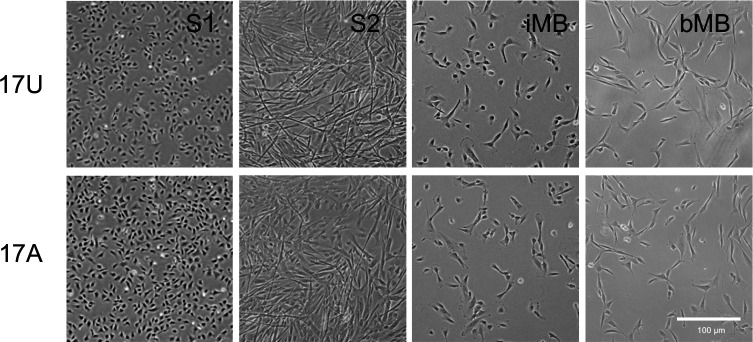
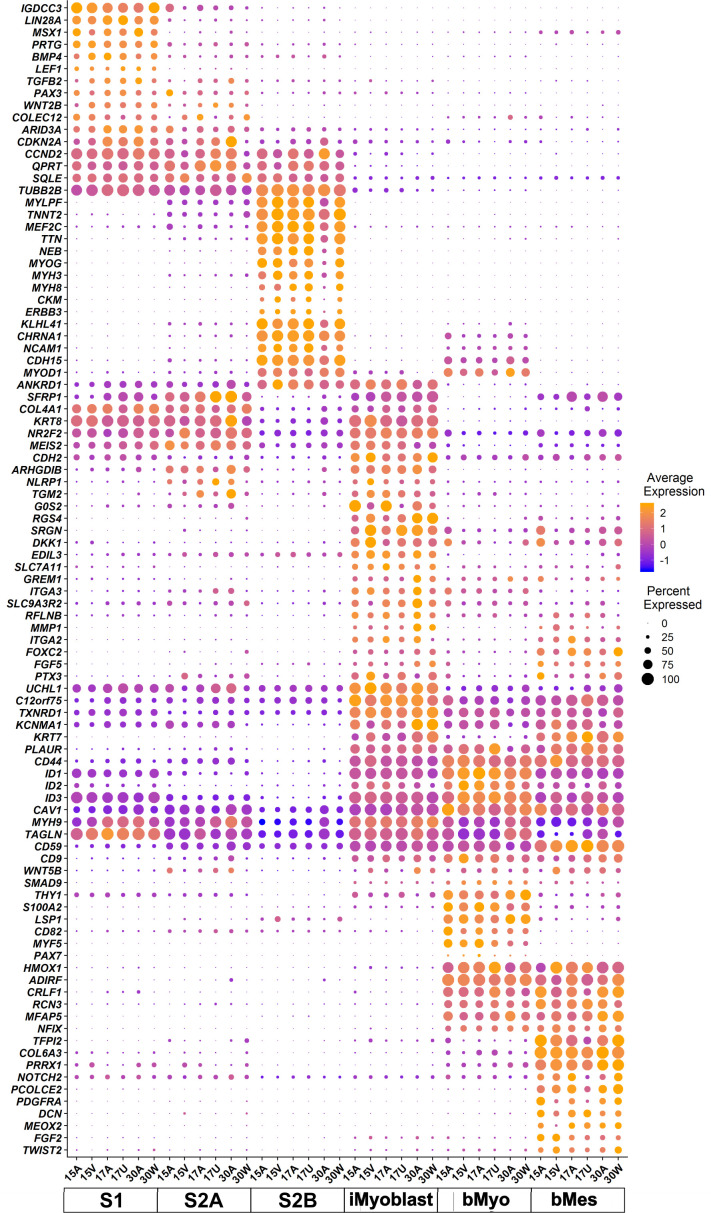
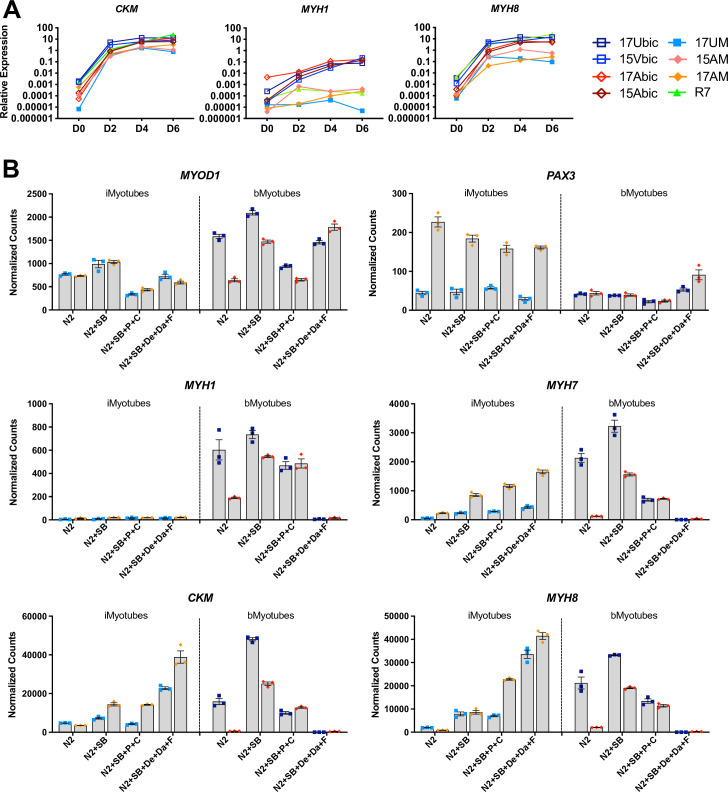
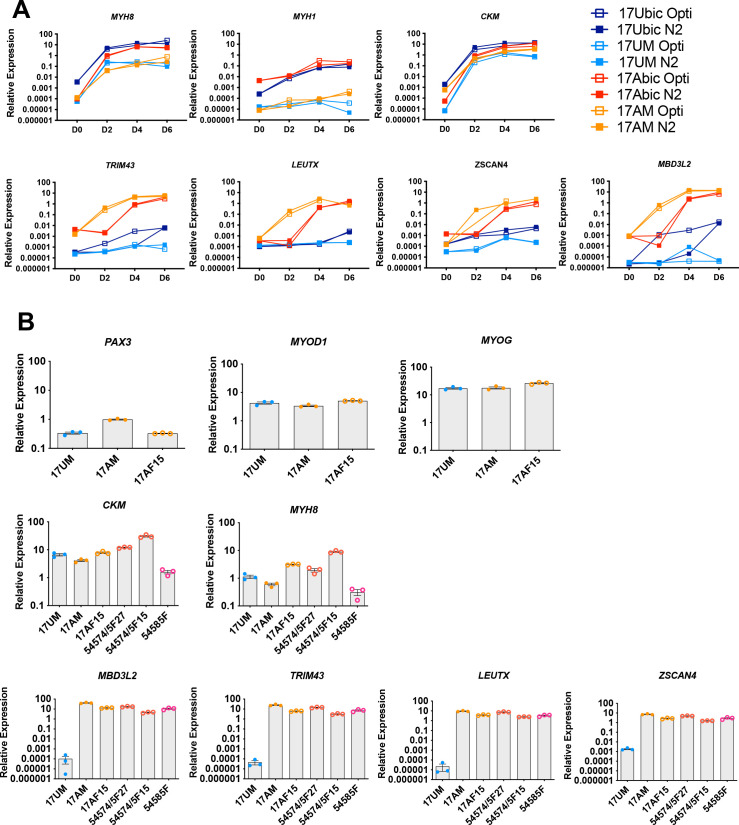
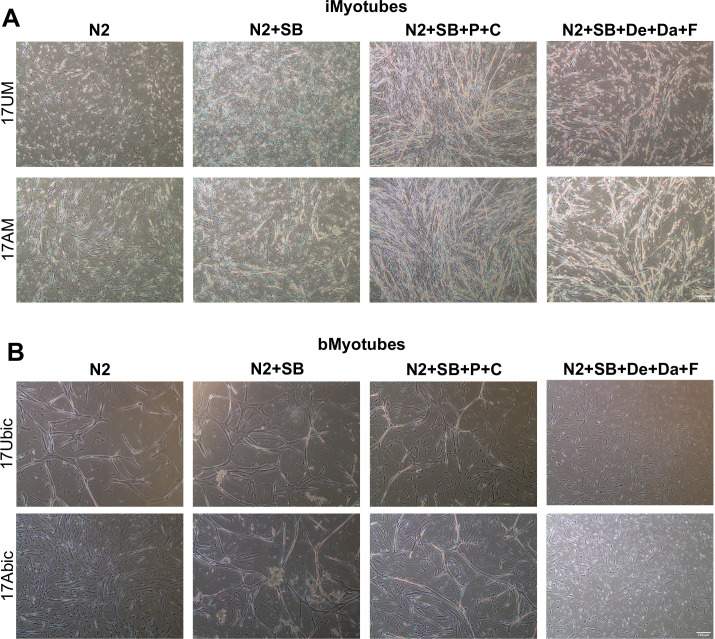
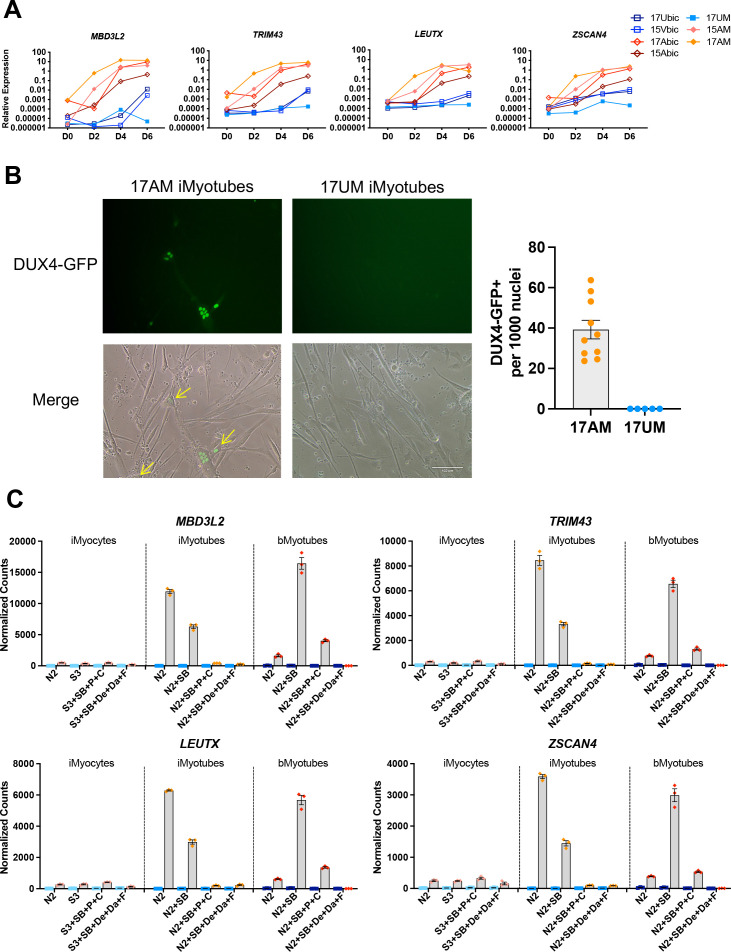
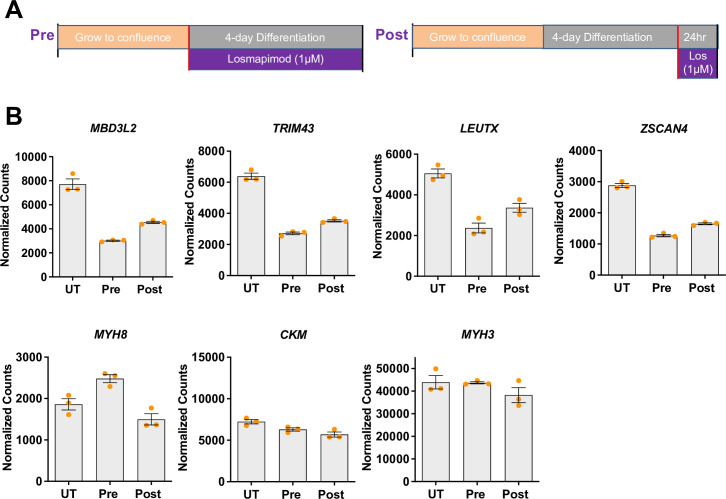
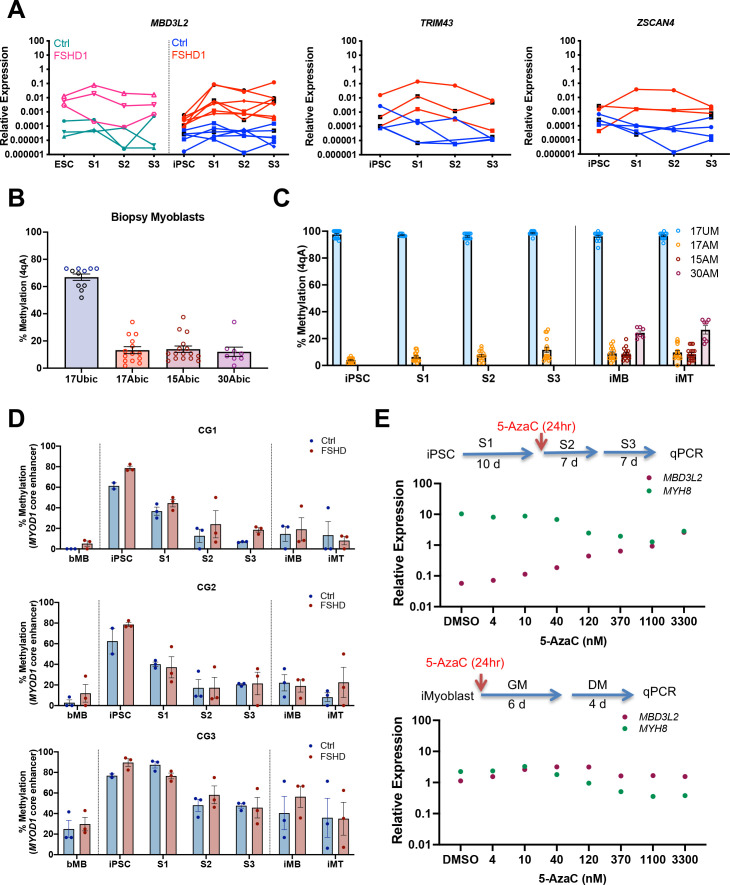
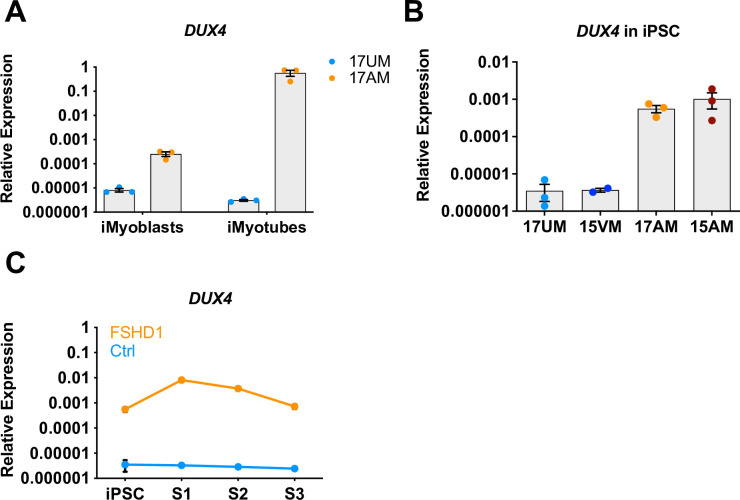
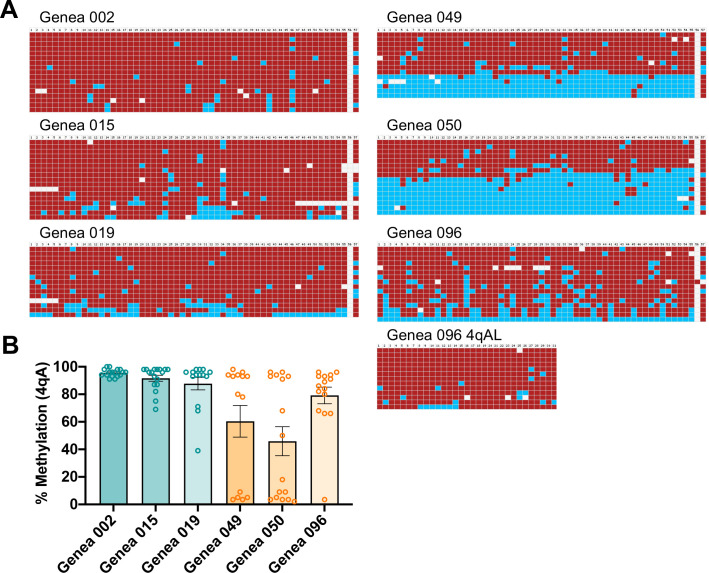
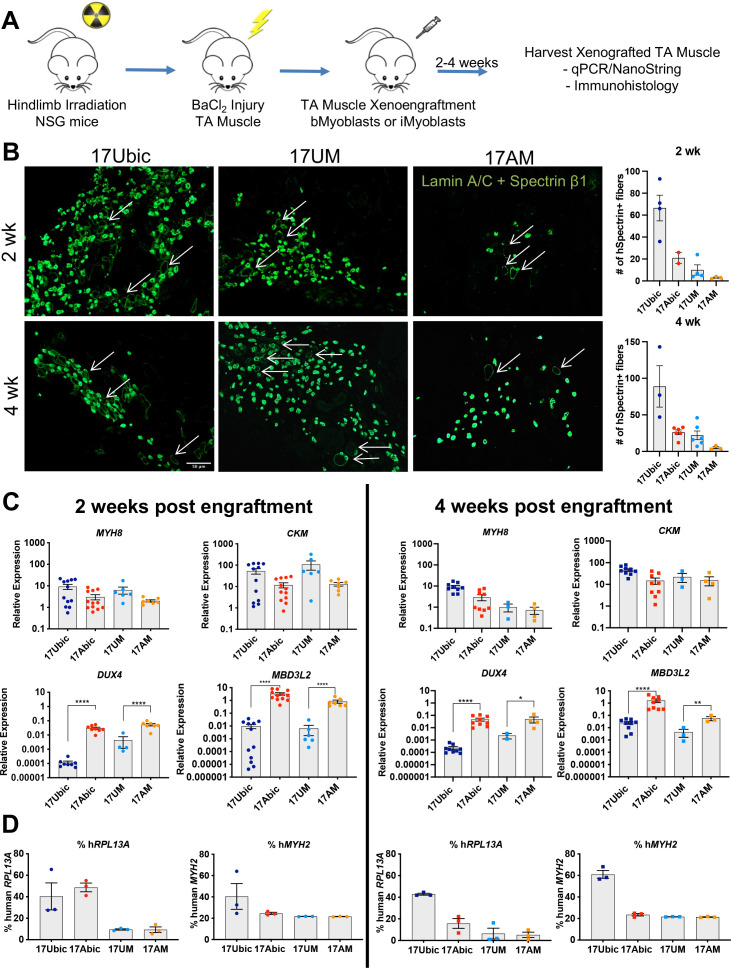
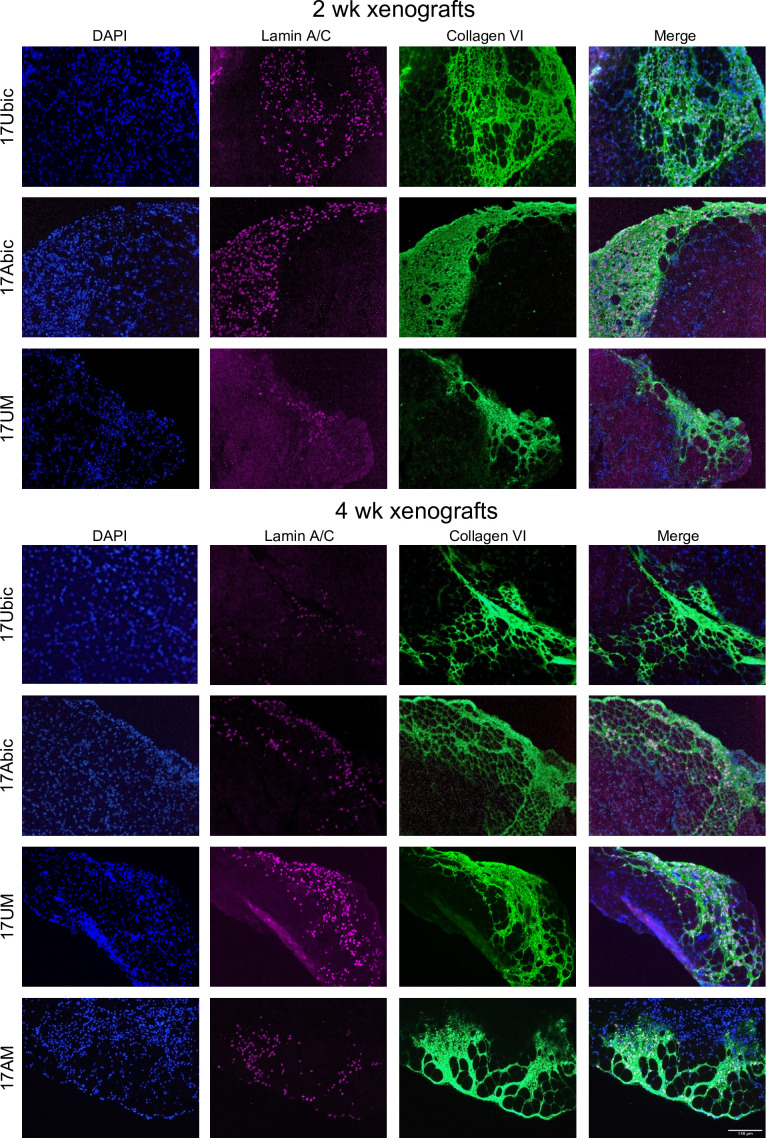
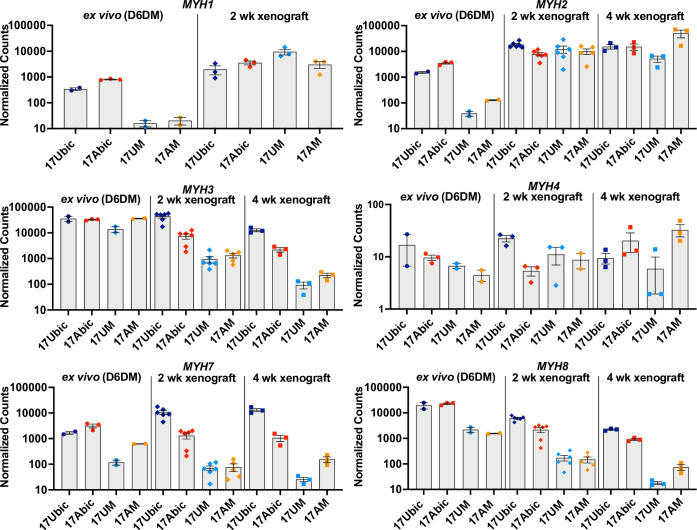
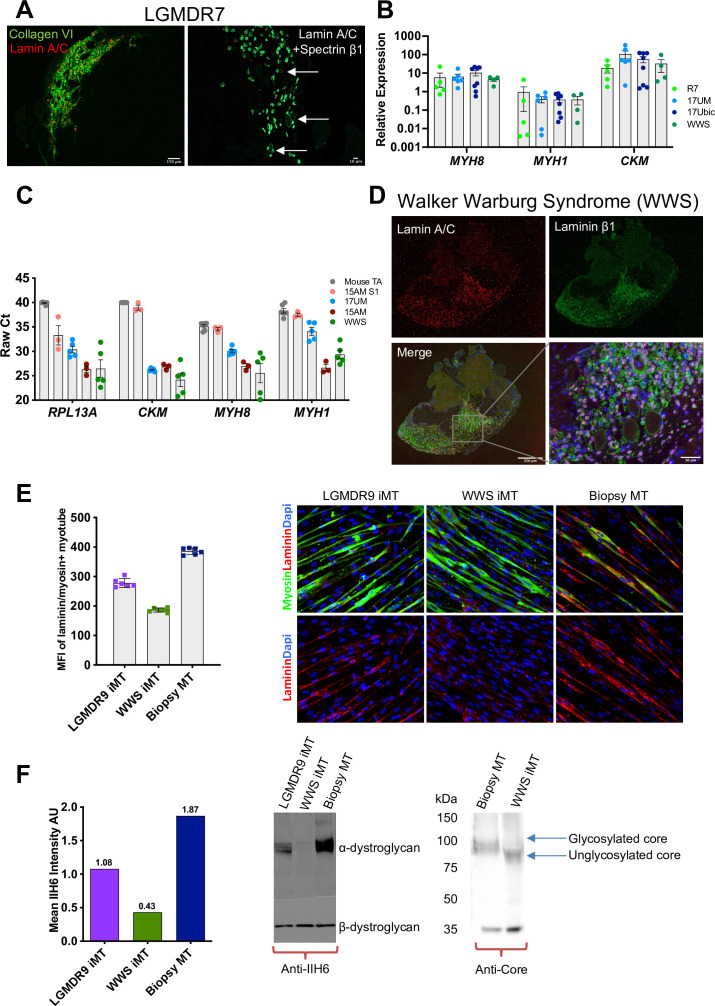
Skeletal muscle myoblasts (iMyoblasts) were generated from human induced pluripotent stem cells (iPSCs) using an efficient and reliable transgene-free induction and stem cell selection protocol. Immunofluorescence, flow cytometry, qPCR, digital RNA expression profiling, and scRNA-Seq studies identify iMyoblasts as a skeletal myogenic lineage with a fetal-like transcriptome signature, distinct from adult muscle biopsy myoblasts (bMyoblasts) and iPSC-induced muscle progenitors. iMyoblasts can be stably propagated for >12 passages or 30 population doublings while retaining their dual commitment for myotube differentiation and regeneration of reserve cells. iMyoblasts also efficiently xenoengrafted into irradiated and injured mouse muscle where they undergo differentiation and fetal-adult MYH isoform switching, demonstrating their regulatory plasticity for adult muscle maturation in response to signals in the host muscle. Xenograft muscle retains PAX3+ muscle progenitors and can regenerate human muscle in response to secondary injury. As models of disease, iMyoblasts from individuals with Facioscapulohumeral Muscular Dystrophy revealed a previously unknown epigenetic regulatory mechanism controlling developmental expression of the pathological gene. iMyoblasts from Limb-Girdle Muscular Dystrophy R7 and R9 and Walker Warburg Syndrome patients modeled their molecular disease pathologies and were responsive to small molecule and gene editing therapeutics. These findings establish the utility of iMyoblasts for ex vivo and in vivo investigations of human myogenesis and disease pathogenesis and for the development of muscle stem cell therapeutics.
骨骼肌成肌细胞(iMyoblasts)是通过高效且可靠的无转基因诱导和干细胞选择方案从人诱导多能干细胞(iPSCs)中产生的。免疫荧光、流式细胞术、qPCR、数字 RNA 表达谱分析和 scRNA-Seq 研究表明,iMyoblasts 是一种具有胎儿样转录组特征的骨骼肌谱系,与成人肌肉活检成肌细胞(bMyoblasts)和 iPSC 诱导的肌肉祖细胞不同。iMyoblasts 可以稳定传代>12 代或 30 个倍增,同时保持其向肌管分化和储备细胞再生的双重潜能。iMyoblasts 还可以有效地异种移植到辐照和损伤的小鼠肌肉中,在那里它们经历分化和胎儿-成人 MYH 同工型转换,证明它们在宿主肌肉信号的作用下具有调节成人肌肉成熟的可塑性。异种移植肌肉保留 PAX3+ 肌肉祖细胞,并可以对二次损伤进行再生人肌肉。作为疾病模型,来自 Facioscapulohumeral 肌营养不良症个体的 iMyoblasts 揭示了一种以前未知的表观遗传调控机制,该机制控制病理性基因的发育表达。来自肢带型肌营养不良症 R7 和 R9 以及 Walker Warburg 综合征患者的 iMyoblasts 模拟了其分子疾病病理学,并对小分子和基因编辑治疗药物有反应。这些发现确立了 iMyoblasts 用于体外和体内研究人类肌肉发生和疾病发病机制以及肌肉干细胞治疗的效用。