Hubesch Géraldine, Hanthazi Aliénor, Acheampong Angela, Chomette Laura, Lasolle Hélène, Hupkens Emeline, Jespers Pascale, Vegh Grégory, Wembonyama Cécile Watu Malu, Verhoeven Caroline, Dewachter Céline, Vachiery Jean-Luc, Entee Kathleen Mc, Dewachter Laurence
Laboratory of Physiology and Pharmacology, Faculty of Medicine, Université Libre de Bruxelles, Brussels, Belgium.
Department of Cardiology, Erasme Academic Hospital, Brussels, Belgium.
Front Cardiovasc Med. 2022 Jan 13;8:809885. doi: 10.3389/fcvm.2021.809885. eCollection 2021.
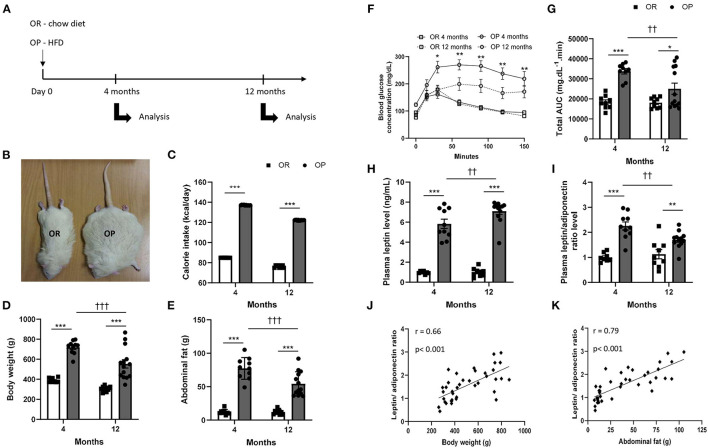
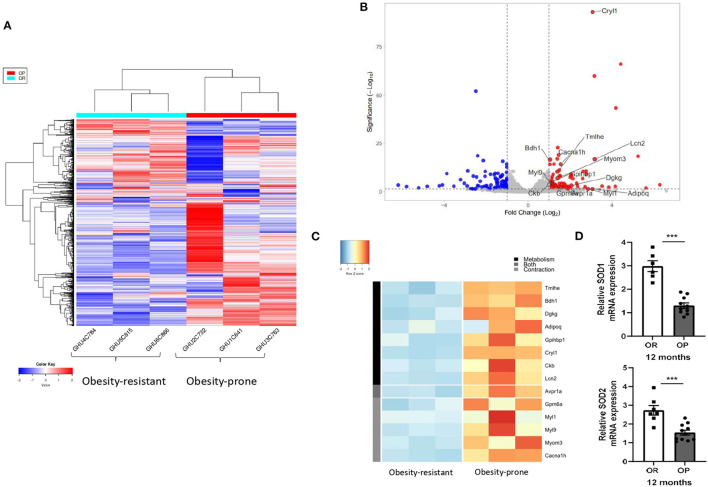
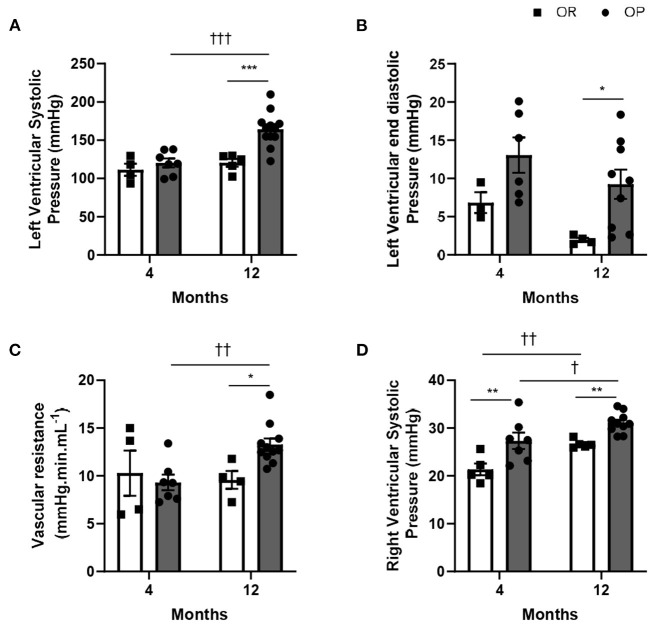
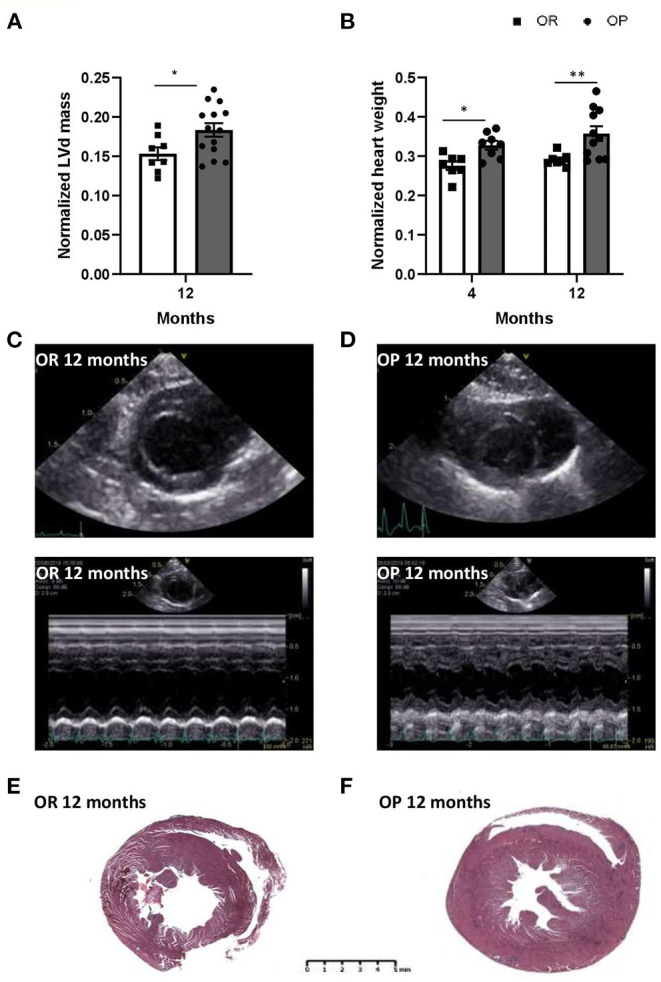
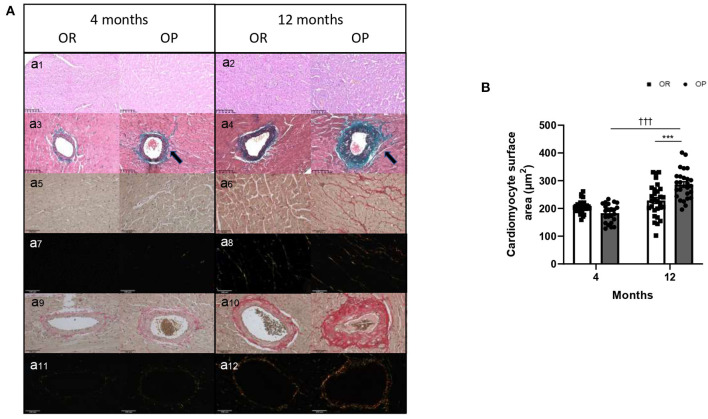
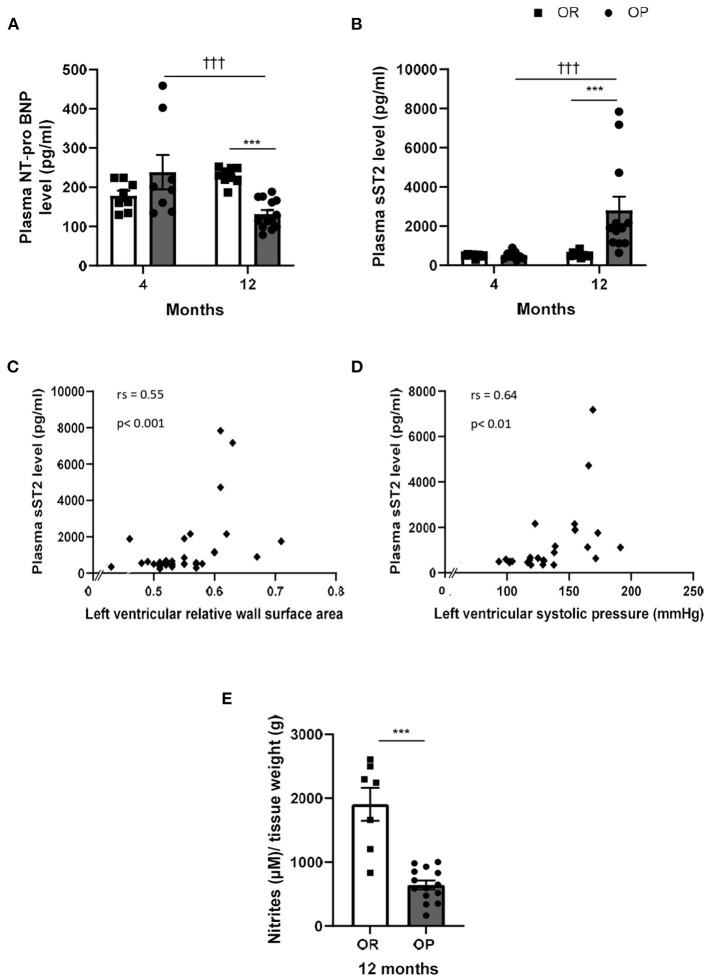
Heart failure with preserved ejection fraction (HFpEF) is a common complex clinical syndrome for which there are currently few evidence-based therapies. As patients with HFpEF very often present with comorbidities comprising the metabolic syndrome, we hypothesized, that metabolic syndrome could lead over time to the development of diastolic dysfunction and HFpEF. Obesity-prone rats were exposed to high-fat diet and compared to obesity-resistant rats fed with standard chow. Phenotyping of metabolic syndrome, associated with echocardiographic and cardiac hemodynamic measurements, was performed after 4 and 12 months. Blood and myocardial tissue sampling were performed for pathobiological evaluation. High-fat diet in obesity-prone rats elicited metabolic syndrome, characterized by increased body and abdominal fat weights, glucose intolerance and hyperlipidemia, as well as increased left ventricular (LV) systolic pressure (after 12 months). This was associated with LV diastolic dysfunction (assessed by increased LV end-diastolic pressure) and pulmonary hypertension (assessed by increased right ventricular systolic pressure). Echocardiography revealed significant concentric LV hypertrophy, while LV ejection fraction was preserved. LV remodeling was associated with cardiomyocyte hypertrophy, as well as myocardial and perivascular fibrosis. Circulating levels of soluble ST2 (the interleukin-1 receptor-like) markedly increased in rats with HFpEF, while plasma NT-proBNP levels decreased. RNA-sequencing analysis identified clusters of genes implicated in fatty acid metabolism and calcium-dependent contraction as upregulated pathways in the myocardium of rats with HFpEF. High-fat diet during 12 months in obesity-prone rats led to the development of a relevant preclinical model of HFpEF with multiple comorbidities, suitable for investigating novel therapeutic interventions.
射血分数保留的心力衰竭(HFpEF)是一种常见的复杂临床综合征,目前基于证据的治疗方法很少。由于HFpEF患者常常伴有包括代谢综合征在内的合并症,我们推测,随着时间的推移,代谢综合征可能导致舒张功能障碍和HFpEF的发生。将易肥胖大鼠暴露于高脂饮食,并与喂食标准饲料的抗肥胖大鼠进行比较。在4个月和12个月后,对与超声心动图和心脏血流动力学测量相关的代谢综合征进行表型分析。采集血液和心肌组织样本进行病理生物学评估。易肥胖大鼠的高脂饮食引发了代谢综合征,其特征为体重和腹部脂肪增加、葡萄糖不耐受和高脂血症,以及左心室(LV)收缩压升高(12个月后)。这与LV舒张功能障碍(通过LV舒张末期压力升高评估)和肺动脉高压(通过右心室收缩压升高评估)相关。超声心动图显示LV明显向心性肥厚,而LV射血分数保留。LV重塑与心肌细胞肥大以及心肌和血管周围纤维化相关。HFpEF大鼠循环中可溶性ST2(白细胞介素-1受体样分子)水平显著升高,而血浆NT-proBNP水平降低。RNA测序分析确定,脂肪酸代谢和钙依赖性收缩相关基因簇在HFpEF大鼠心肌中作为上调途径。易肥胖大鼠12个月的高脂饮食导致了一种具有多种合并症的相关HFpEF临床前模型的形成,适用于研究新型治疗干预措施。