Department of Critical Care Medicine, The Second School of Clinical Medicine, Southern Medical University, Guangzhou, Guangdong 510280, P.R. China.
Department of Respiratory Medicine, Xinhua Hospital, School of Medicine, Shanghai Jiao Tong University, Shanghai 200092, P.R. China.
Mol Med Rep. 2022 Mar;25(3). doi: 10.3892/mmr.2022.12623. Epub 2022 Feb 1.
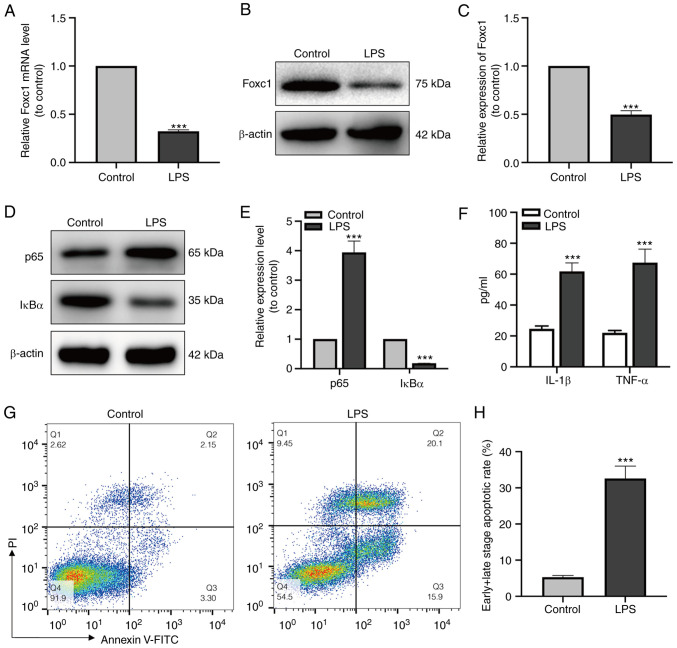
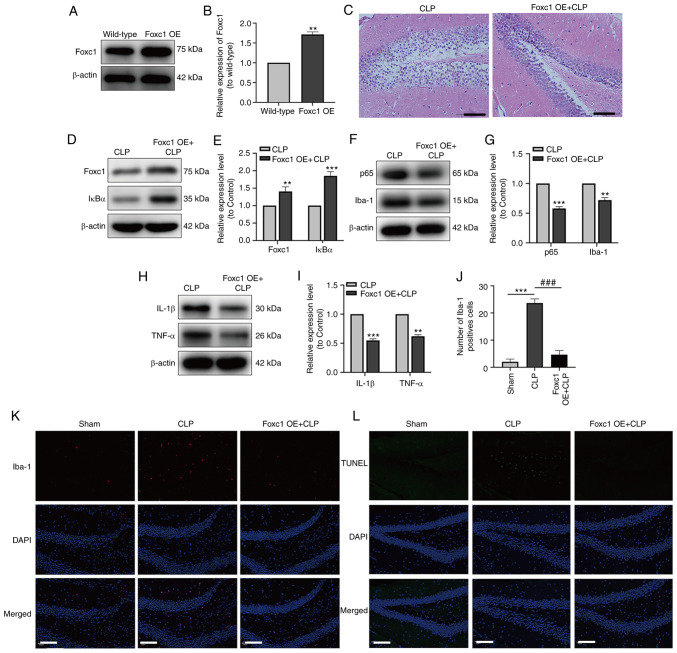
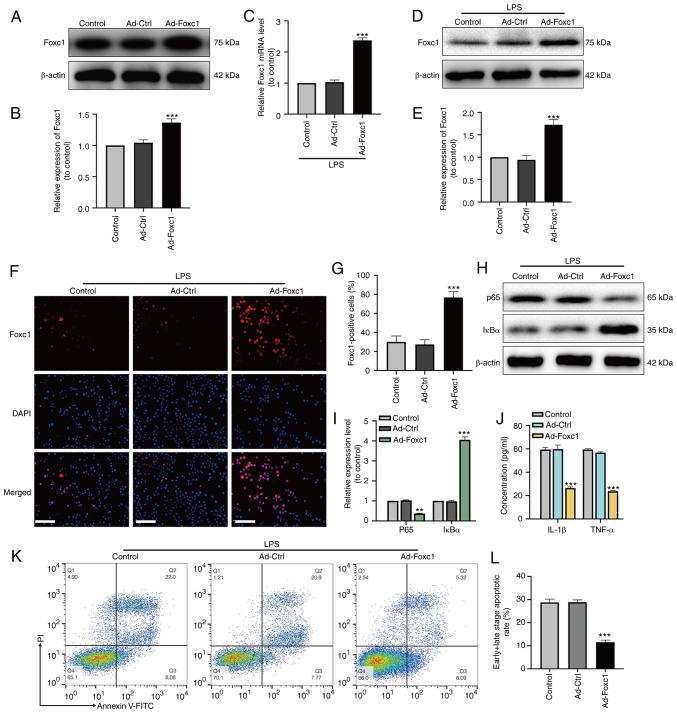
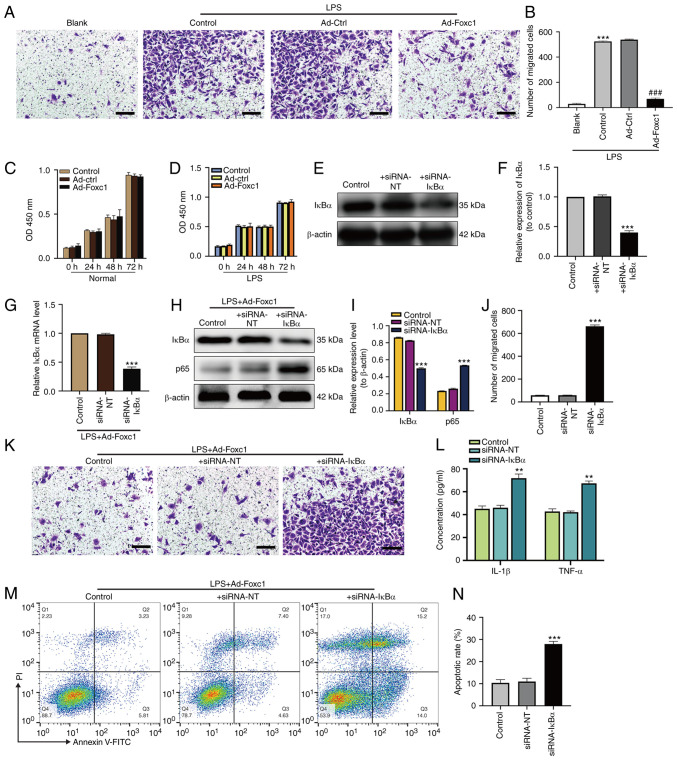
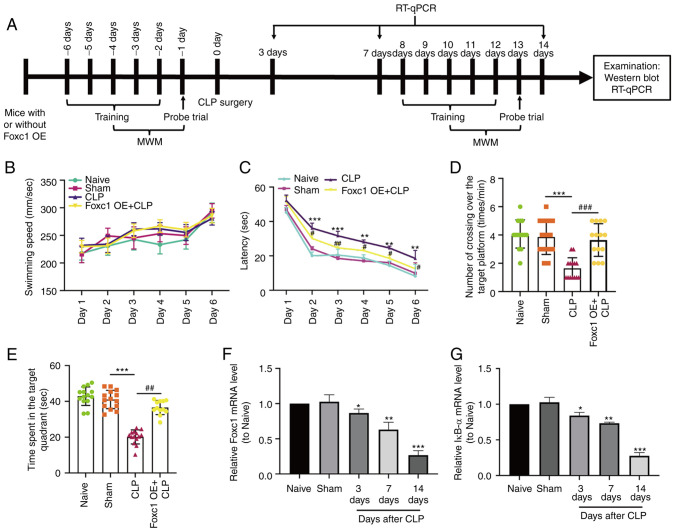
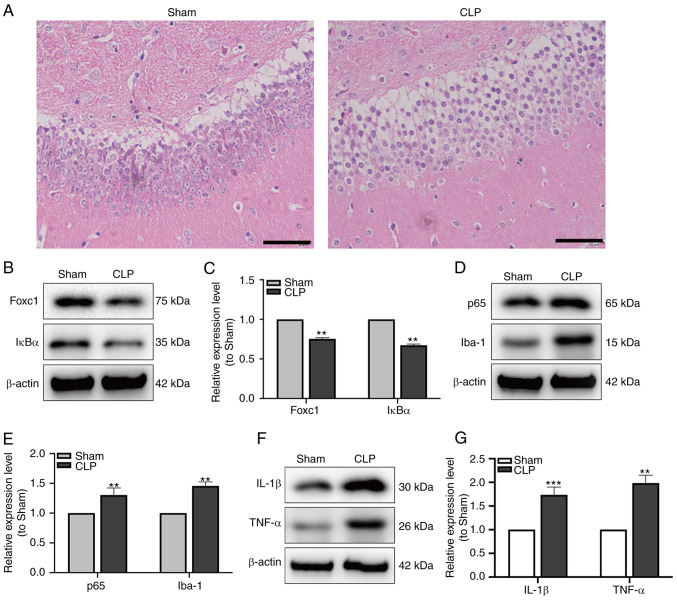
Sepsis‑associated encephalopathy (SAE) is a common and severe complication of sepsis. The cognitive dysfunction that ensues during SAE has been reported to be caused by impairments of the hippocampus. Microglia serves a key role in neuroinflammation during SAE through migration. Forkhead box C1 (Foxc1) is a member of the forkhead transcription factor family that has been found to regulate in cell migration. However, the role of Foxc1 in neuroinflammation during SAE remains unknown. In the present study, the mechanistic role of Foxc1 on microglial migration, neuroinflammation and neuronal apoptosis during the occurrence of cognitive dysfunction in SAE was investigated. A microglia‑mediated inflammation model was induced by LPS in BV‑2 microglial cells , whilst a SAE‑related cognitive impairment model was established in mice using cecal ligation and perforation (CLP) surgery. Cognitive function in mice was evaluated using the Morris Water Maze (MWM) trial. Lipopolysaccharide (LPS) treatment was found to trigger BV‑2 cell migration, inflammation and neuronal apoptosis. In addition, CLP surgery induced cognitive injury, which was indicated by longer latencies and shorter dwell times in the goal quadrant compared with those in the Sham group in the MWM trial. LPS treatment or CLP induction decreased the expression of Foxc1 and inhibitor of NF‑κB (IκΒα) whilst increasing that of p65, IL‑1β and TNF‑α. After Foxc1 was overexpressed, the cognitive dysfunction of mice that underwent CLP surgery was improved, with the expression of IκBα also increased, microglial cell migration, the expression of p65, IL‑1β and TNF‑α and neuronal apoptosis were all decreased and , which were in turn reversed by the inhibition of IκBα . Overall, these results suggest that the overexpression of Foxc1 inhibited microglial migration whilst suppressing the inflammatory response and neuronal apoptosis by regulating the IκBα/NF‑κB pathway, thereby improving cognitive dysfunction during SAE.
脓毒症相关性脑病(SAE)是脓毒症的一种常见且严重的并发症。SAE 期间发生的认知功能障碍据报道是由海马损伤引起的。小胶质细胞在 SAE 期间的神经炎症中通过迁移发挥关键作用。叉头框 C1(Foxc1)是叉头转录因子家族的一员,已被发现可调节细胞迁移。然而,Foxc1 在 SAE 期间神经炎症中的作用尚不清楚。在本研究中,研究了 Foxc1 在 SAE 发生认知功能障碍时对小胶质细胞迁移、神经炎症和神经元凋亡的作用机制。通过 LPS 在 BV-2 小胶质细胞中诱导小胶质细胞炎症模型,通过盲肠结扎穿孔(CLP)手术在小鼠中建立 SAE 相关认知障碍模型。使用 Morris 水迷宫(MWM)试验评估小鼠的认知功能。结果发现 LPS 处理可触发 BV-2 细胞迁移、炎症和神经元凋亡。此外,CLP 手术引起认知损伤,MWM 试验中与 Sham 组相比,潜伏期延长,目标象限停留时间缩短。LPS 处理或 CLP 诱导降低 Foxc1 和 NF-κB 抑制剂(IκBα)的表达,同时增加 p65、IL-1β 和 TNF-α的表达。过表达 Foxc1 后,CLP 手术小鼠的认知功能障碍得到改善,IκBα 表达增加,小胶质细胞迁移、p65、IL-1β 和 TNF-α的表达以及神经元凋亡均降低,而 IκBα 的抑制作用则逆转了这些变化。综上所述,这些结果表明,Foxc1 的过表达通过调节 IκBα/NF-κB 通路抑制小胶质细胞迁移,抑制炎症反应和神经元凋亡,从而改善 SAE 期间的认知功能障碍。