Department of Veterinary and Animal Sciences, Faculty of Health and Medical Sciences, University of Copenhagen, Frederiksberg, 1870, Denmark.
Pancosma, ADM, A one business center, Rolle, CH-1180, Switzerland.
Mol Nutr Food Res. 2022 Apr;66(7):e2101004. doi: 10.1002/mnfr.202101004. Epub 2022 Mar 7.
Garlic is a source of bioactive phytonutrients that may have anti-inflammatory or immunomodulatory properties. The mechanism(s) underlying the bioactivity of these compounds and their ability to regulate responses to enteric infections remains unclear.
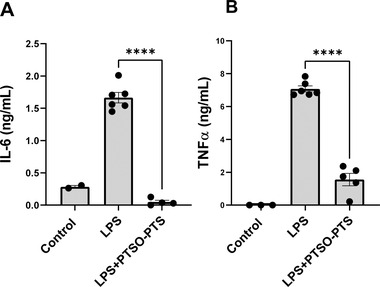
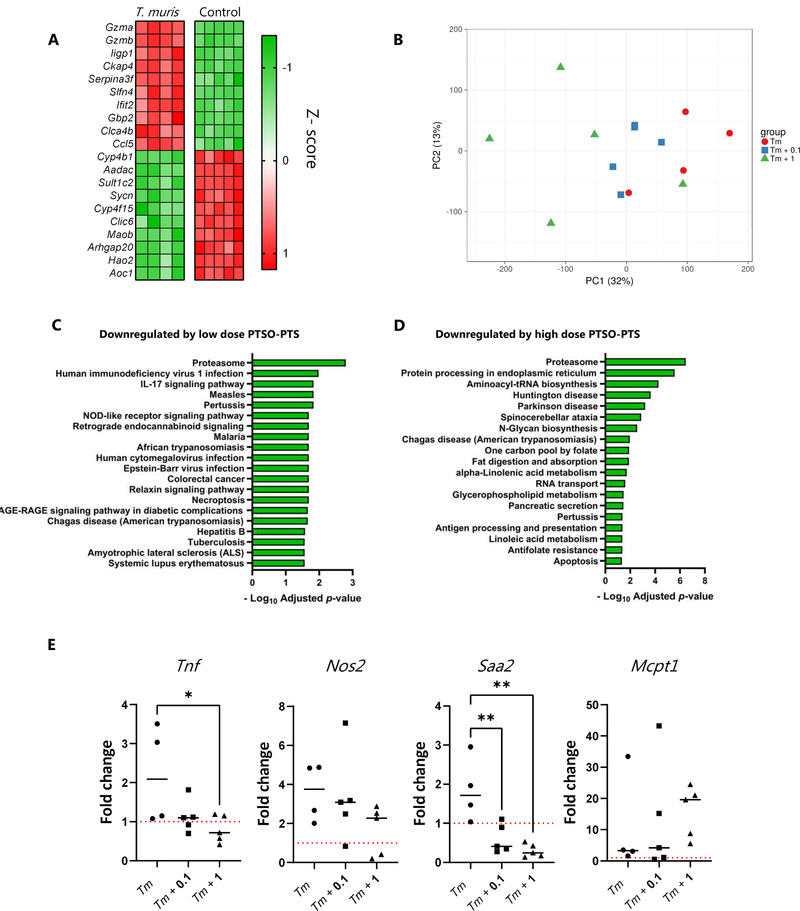
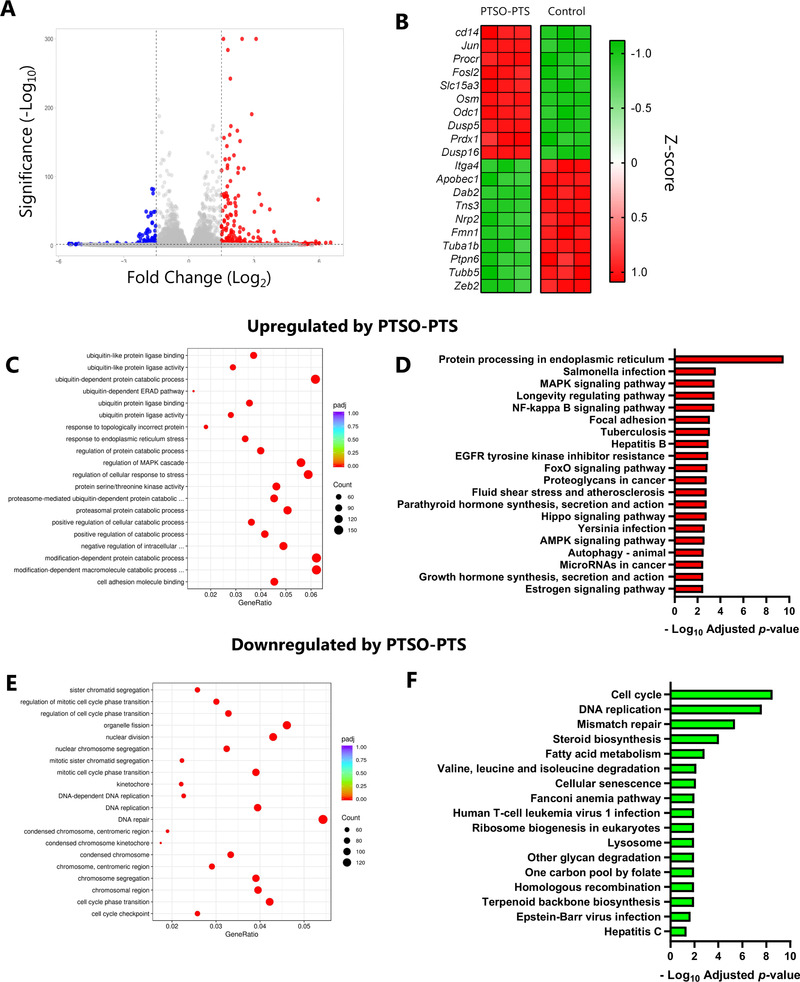
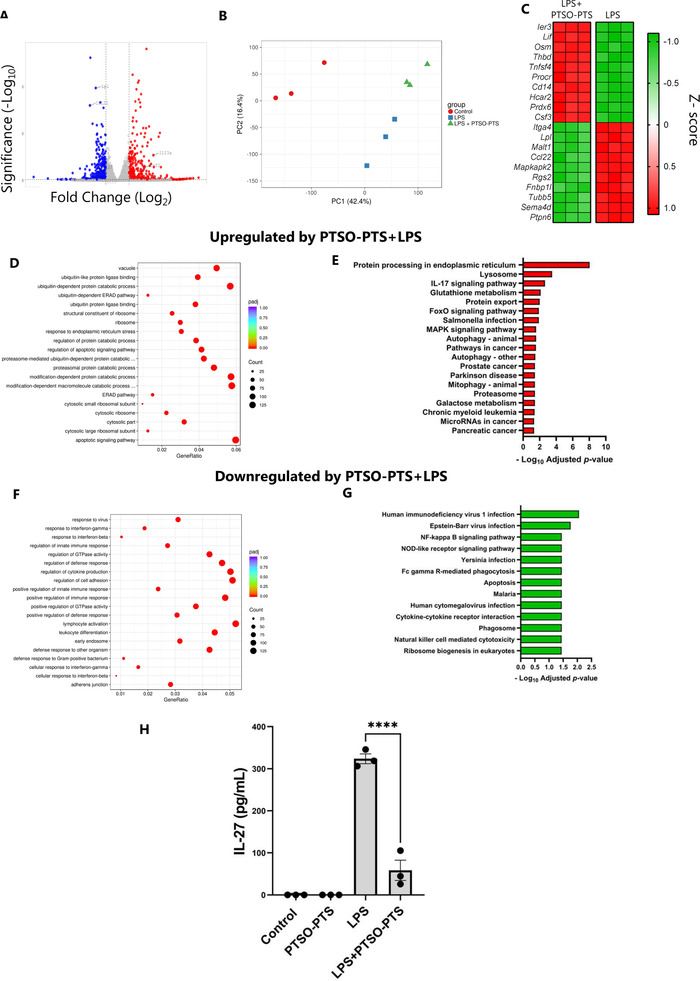
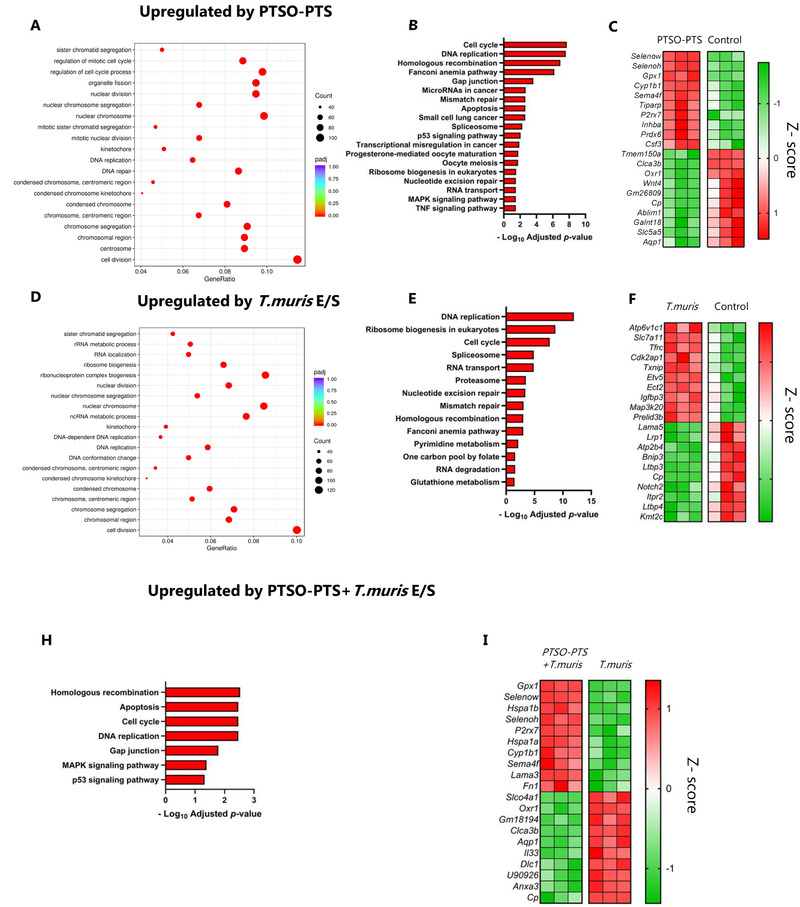
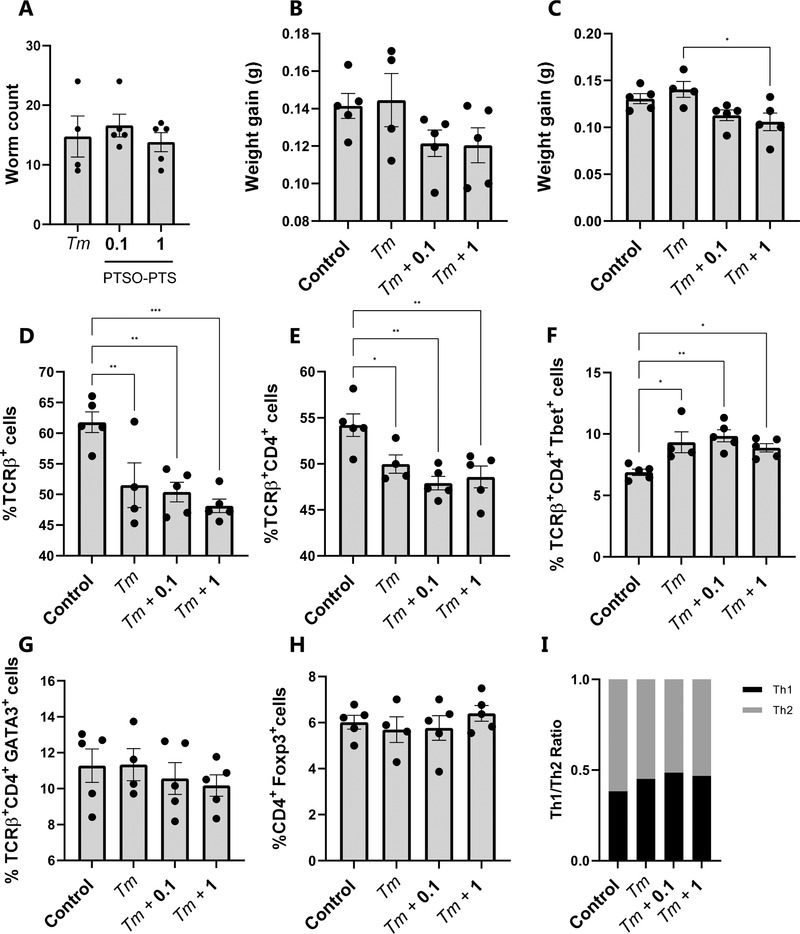
This study investigates if a garlic-derived preparation (PTSO-PTS) containing two organosulfur metabolites, propyl-propane thiosulfonate (PTSO), and propyl-propane thiosulfinate (PTS), regulate inflammatory responses in murine macrophages and intestinal epithelial cells (IEC) in vitro, as well as in a model of enteric parasite-induced inflammation. PTSO-PTS decreases lipopolysaccharide-induced secretion of TNFα, IL-6, and IL-27 in macrophages. RNA-sequencing demonstrates that PTSO-PTS strongly suppresses pathways related to immune and inflammatory signaling. PTSO-PTS induces the expression of a number of genes involved in antioxidant responses in IEC during exposure to antigens from the parasite Trichuris muris. In vivo, PTSO-PTS does not affect T. muris establishment or intestinal T-cell responses but significantly alters cecal transcriptomic responses. Notably, a reduction in T. muris-induced expression of Tnf, Saa2, and Nos2 is observed.
Garlic-derived organosulfur compounds exert anti-inflammatory effects in macrophages and IEC, and regulate gene expression during intestinal infection. These compounds and related organic molecules may thus hold potential as functional food components to improve gut health in humans and animals.
大蒜是生物活性植物营养素的来源,这些营养素可能具有抗炎或免疫调节特性。这些化合物的生物活性及其调节对肠道感染反应的能力的机制尚不清楚。
本研究调查了一种由两种有机硫代谢物组成的大蒜衍生制剂(PTSO-PTS),即丙基-丙烷硫代亚磺酸(PTSO)和丙基-丙烷硫代亚磺酸盐(PTS),是否能调节体外巨噬细胞和肠道上皮细胞(IEC)的炎症反应,以及肠道寄生虫诱导的炎症模型。PTSO-PTS 可降低脂多糖诱导的巨噬细胞中 TNFα、IL-6 和 IL-27 的分泌。RNA 测序表明,PTSO-PTS 强烈抑制与免疫和炎症信号相关的途径。PTSO-PTS 在暴露于寄生虫旋毛虫抗原时诱导 IEC 中许多参与抗氧化反应的基因的表达。在体内,PTSO-PTS 不会影响旋毛虫的建立或肠道 T 细胞反应,但显著改变盲肠转录组反应。值得注意的是,观察到 T. muris 诱导的 Tnf、Saa2 和 Nos2 表达减少。
大蒜衍生的有机硫化合物在巨噬细胞和 IEC 中具有抗炎作用,并在肠道感染期间调节基因表达。这些化合物和相关的有机分子因此可能具有作为功能性食品成分的潜力,以改善人类和动物的肠道健康。