Institut de Neurociencies and Departament de Biologia Cel lular, Fisiologia i Immunologia, Facultat de Medicina, Universitat Autonoma de Barcelona, 08193, Bellaterra, Catalonia, Spain.
Centro de Investigación Biomédica en Red de Enfermedades Neurodegenerativas (CIBERNED), Barcelona, Spain.
J Neuroinflammation. 2022 Feb 2;19(1):27. doi: 10.1186/s12974-022-02386-1.
Resolution of inflammation is an active and regulated process that leads to the clearance of cell debris and immune cells from the challenged tissue, facilitating the recovery of homeostasis. This physiological response is coordinated by endogenous bioactive lipids known as specialized pro-resolving mediators (SPMs). When resolution fails, inflammation becomes uncontrolled leading chronic inflammation and tissue damage, as occurs in multiple sclerosis (MS).
SPMs and the key biosynthetic enzymes involved in SPM production were analysed by metabololipidomics and qPCR in active brain lesions, serum and peripheral blood mononuclear cells (PBMC) of MS patients as well as in the spinal cord of mice with experimental autoimmune encephalomyelitis (EAE). We also tested the therapeutic actions of the SPM coined Maresin-1 (MaR1) in EAE mice and studied its impact on inflammation by doing luminex and flow cytometry analysis.
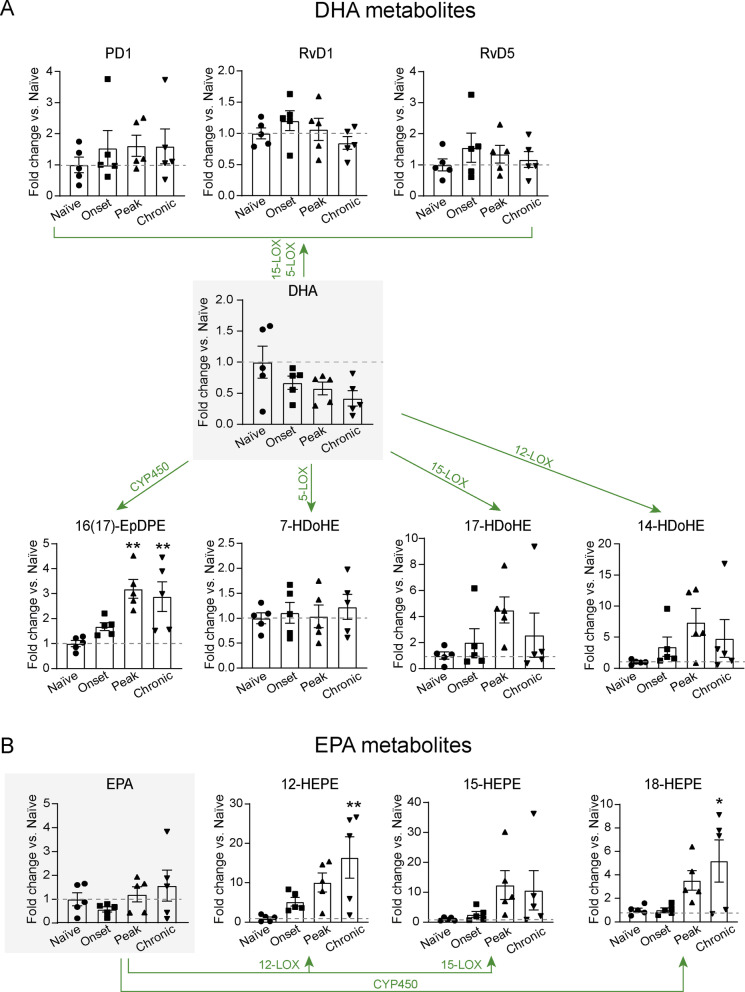
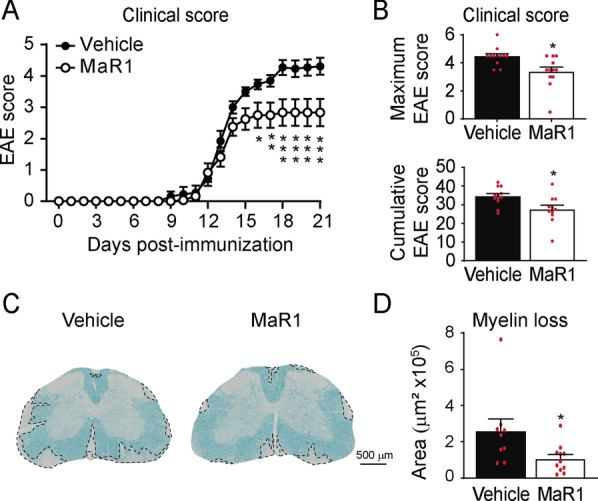
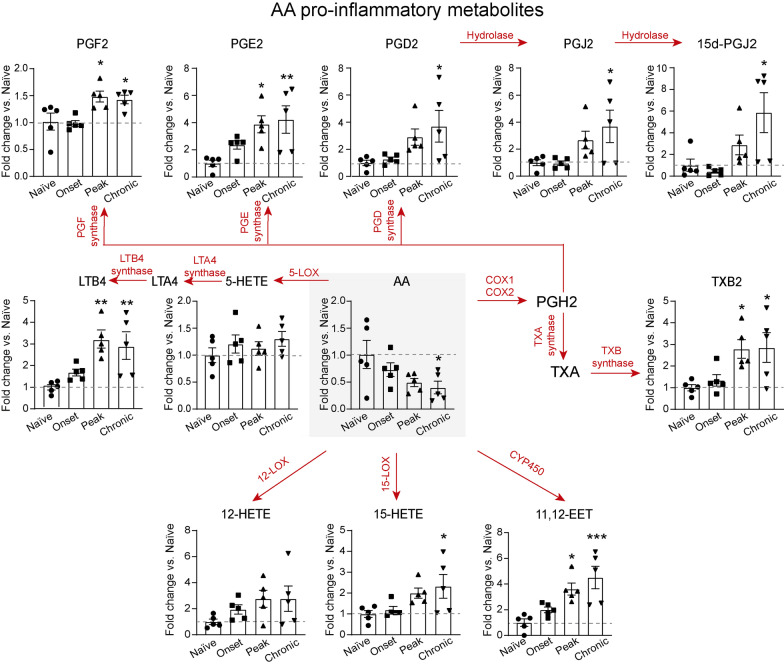
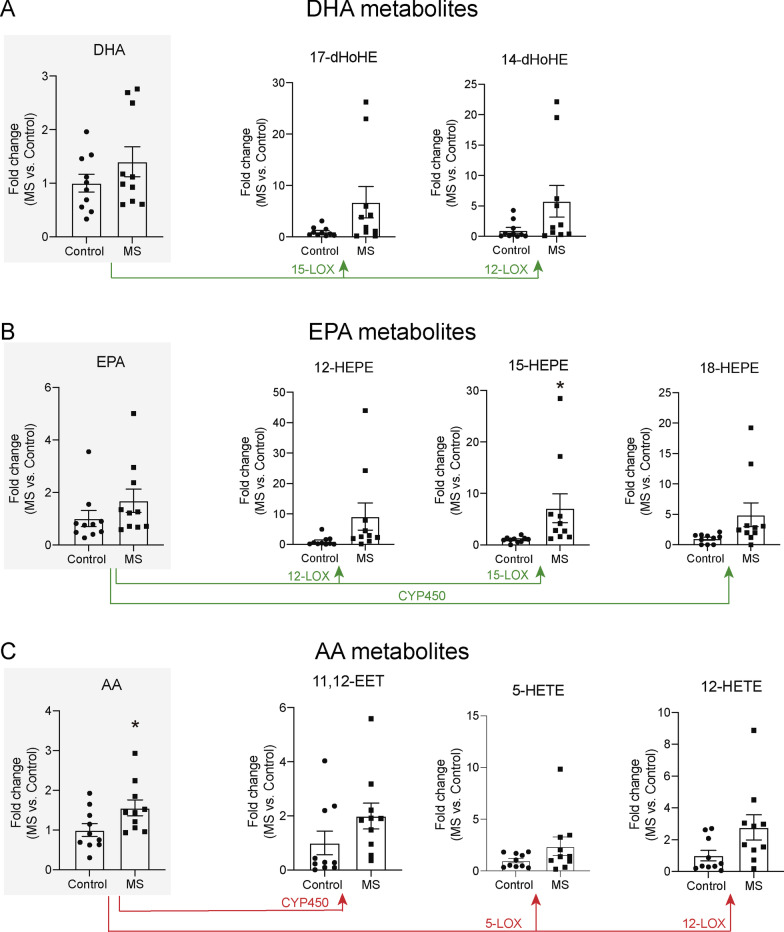
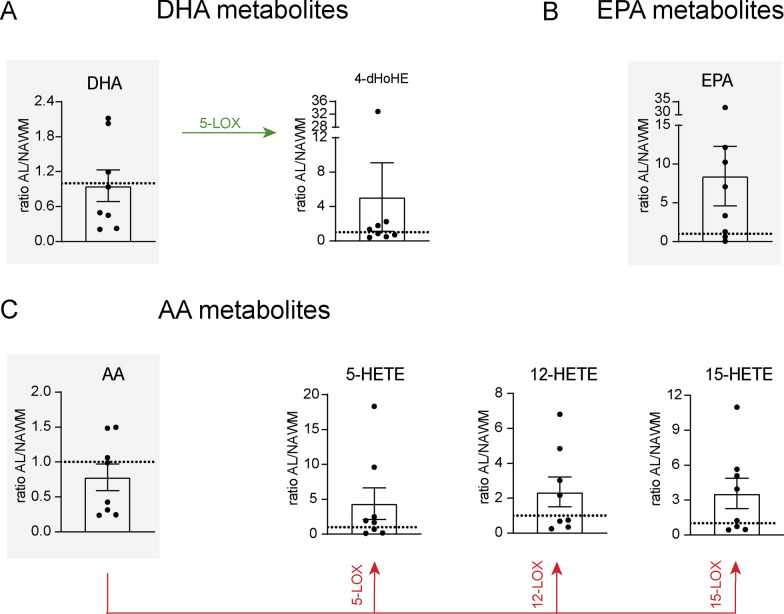
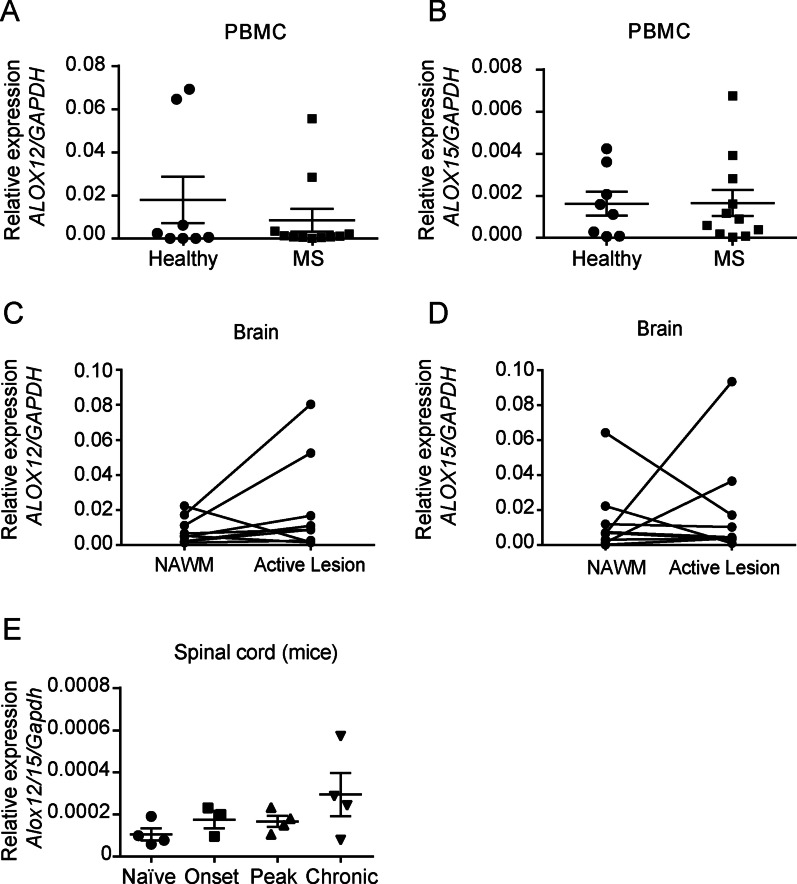
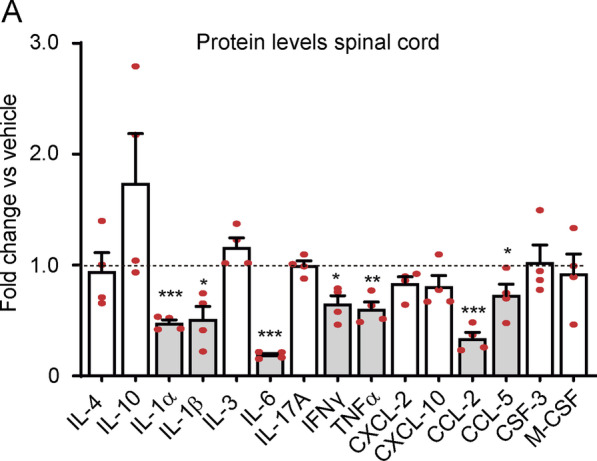
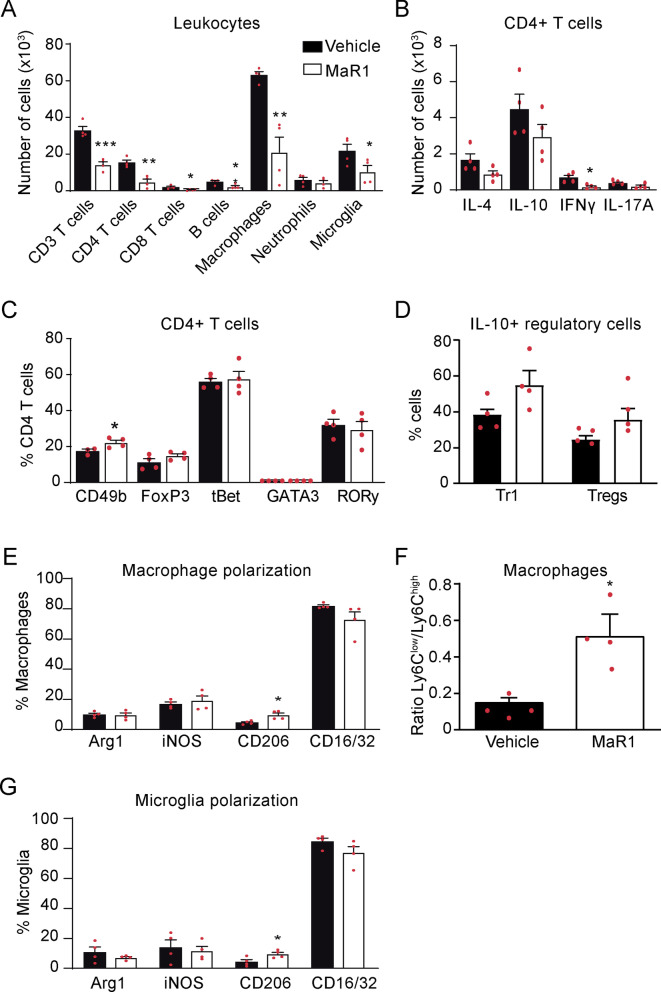
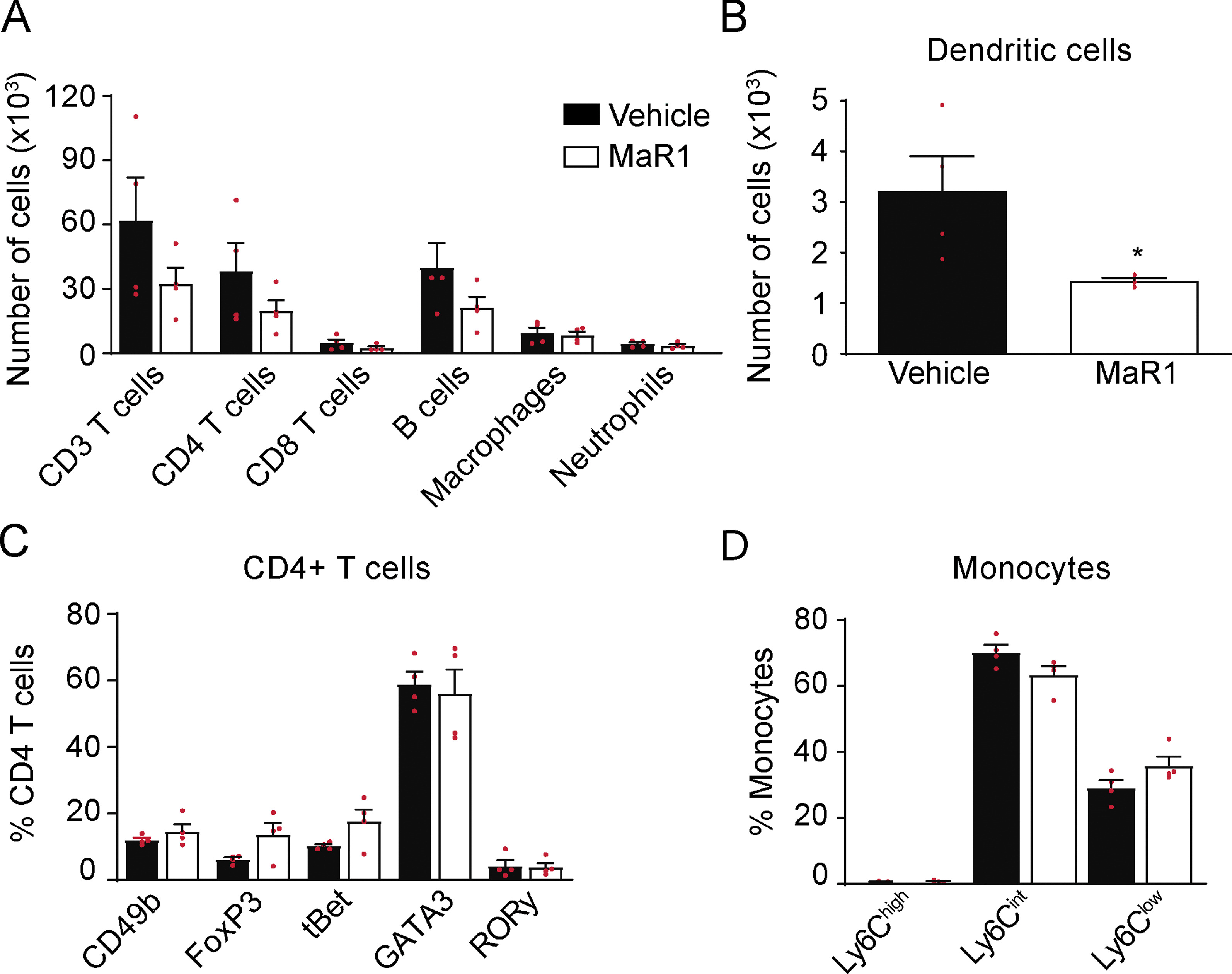
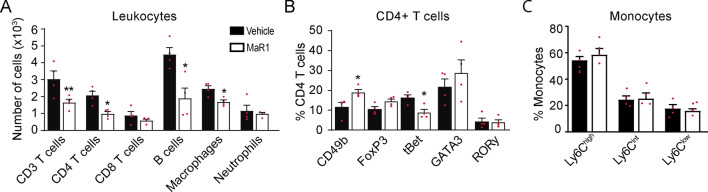
We show that levels of MaR1 and other SPMs were below the limit of detection or not increased in the spinal cord of EAE mice, whereas the production of pro-inflammatory eicosanoids was induced during disease progression. Similarly, we reveal that SPMs were undetected in serum and active brain lesion samples of MS patients, which was linked to impaired expression of the enzymes involved in the biosynthetic pathways of SPMs. We demonstrate that exogenous administration of MaR1 in EAE mice suppressed the protein levels of various pro-inflammatory cytokines and reduced immune cells counts in the spinal cord and blood. MaR1 also decreased the numbers of Th1 cells but increased the accumulation of regulatory T cells and drove macrophage polarization towards an anti-inflammatory phenotype. Importantly, we provide clear evidence that administration of MaR1 in mice with clinical signs of EAE enhanced neurological outcomes and protected from demyelination.
This study reveals that there is an imbalance in the production of SPMs in MS patients and in EAE mice, and that increasing the bioavailability of SPMs, such as MaR1, minimizes inflammation and mediates therapeutic actions. Thus, these data suggest that immunoresolvent therapies, such as MaR1, could be a novel avenue for the treatment of MS.
炎症消退是一个主动且受调控的过程,该过程导致受损组织中的细胞碎片和免疫细胞被清除,从而促进内稳态的恢复。这一生理反应由内源性生物活性脂质协调,这些脂质被称为特殊的促解决介质(SPM)。如果炎症消退失败,炎症将变得失控,导致慢性炎症和组织损伤,多发性硬化症(MS)就是如此。
通过代谢脂质组学和 qPCR 分析 MS 患者活动期脑损伤、血清和外周血单核细胞(PBMC)以及实验性自身免疫性脑脊髓炎(EAE)小鼠脊髓中的 SPM 及其关键生物合成酶。我们还在 EAE 小鼠中测试了 SPM 马雷赛因-1(MaR1)的治疗作用,并通过 Luminex 和流式细胞术分析研究了其对炎症的影响。
我们发现 MaR1 和其他 SPM 的水平在 EAE 小鼠的脊髓中低于检测限或没有增加,而在疾病进展过程中诱导了促炎类二十烷酸的产生。同样,我们发现 MS 患者的血清和活动期脑损伤样本中未检测到 SPM,这与 SPM 生物合成途径中相关酶的表达受损有关。我们证明,在 EAE 小鼠中给予外源性 MaR1 可抑制各种促炎细胞因子的蛋白水平,并减少脊髓和血液中的免疫细胞计数。MaR1 还减少了 Th1 细胞的数量,但增加了调节性 T 细胞的积累,并促使巨噬细胞向抗炎表型极化。重要的是,我们提供了明确的证据表明,在出现 EAE 临床症状的小鼠中给予 MaR1 可改善神经学结局并防止脱髓鞘。
这项研究揭示了 MS 患者和 EAE 小鼠中 SPM 的产生存在不平衡,增加 SPM 的生物利用度,如 MaR1,可最大限度地减少炎症并发挥治疗作用。因此,这些数据表明,免疫溶解疗法,如 MaR1,可能成为治疗 MS 的新途径。