Abdeen Ahmed, Kharvari Farzam, O'Brien William, Gunay Burak
Department of Civil and Environmental Engineering, Carleton University, Ottawa, Canada.
Architecture Engineering Department, Assiut University, Asyut, Egypt.
Energy Build. 2021 Nov 1;250:111280. doi: 10.1016/j.enbuild.2021.111280. Epub 2021 Jul 14.
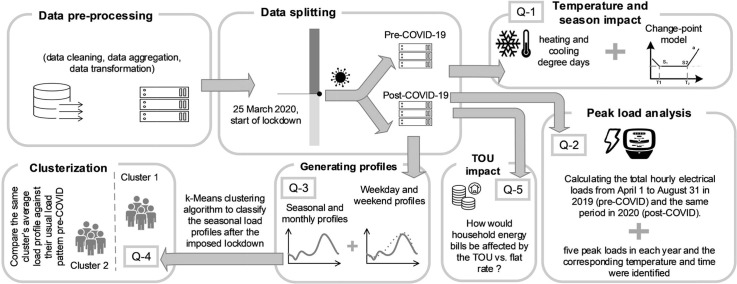
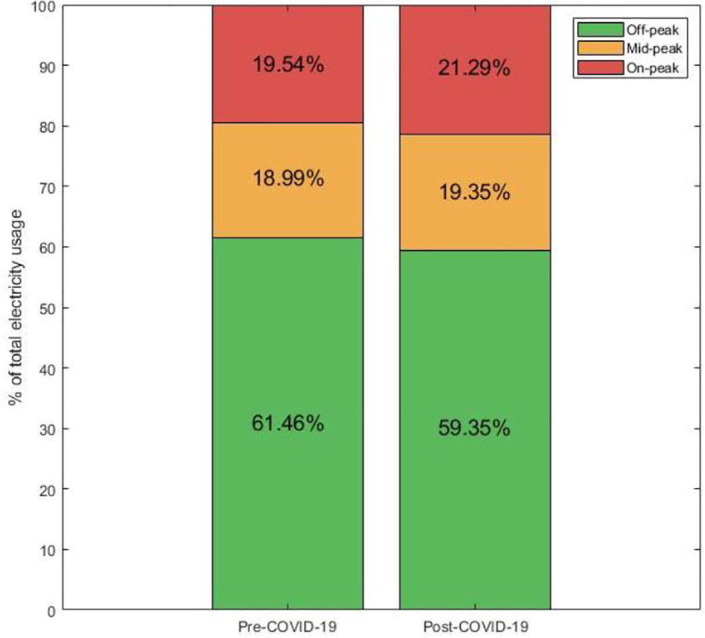
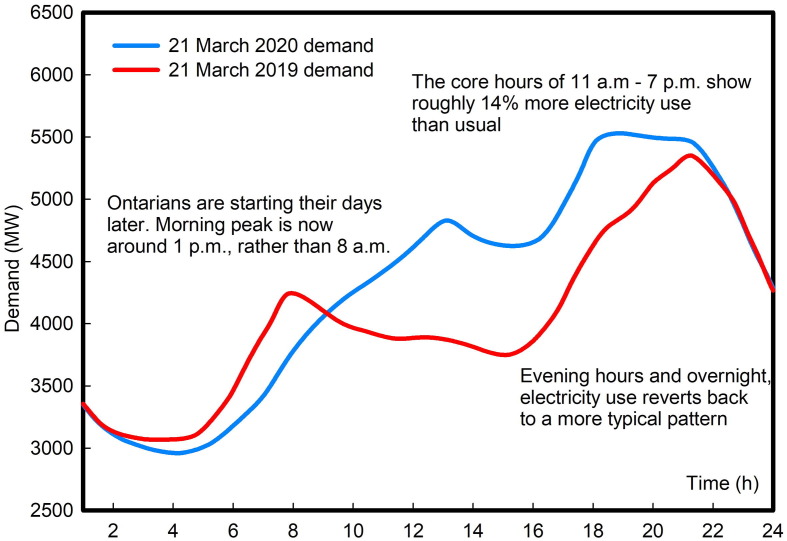
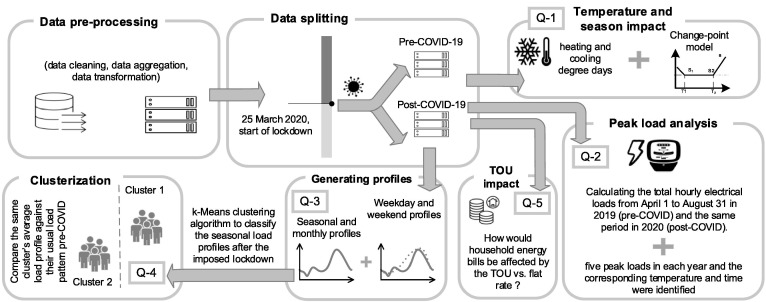
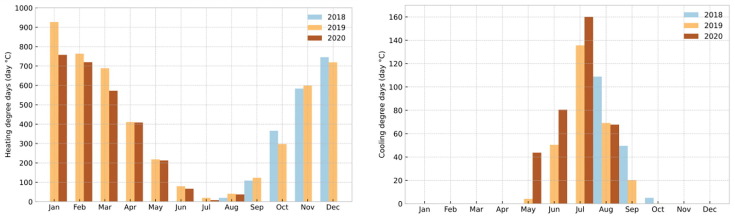
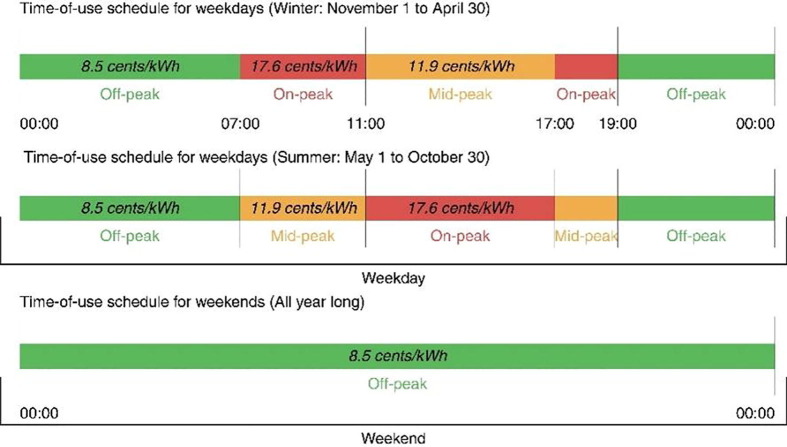
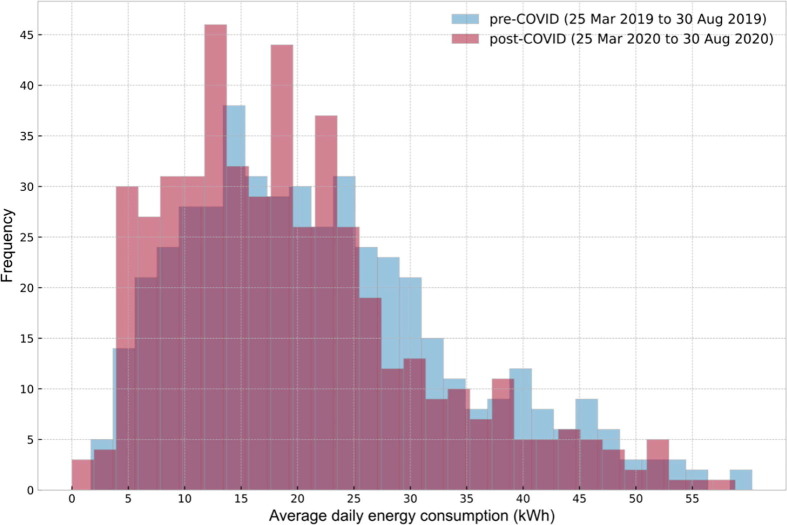
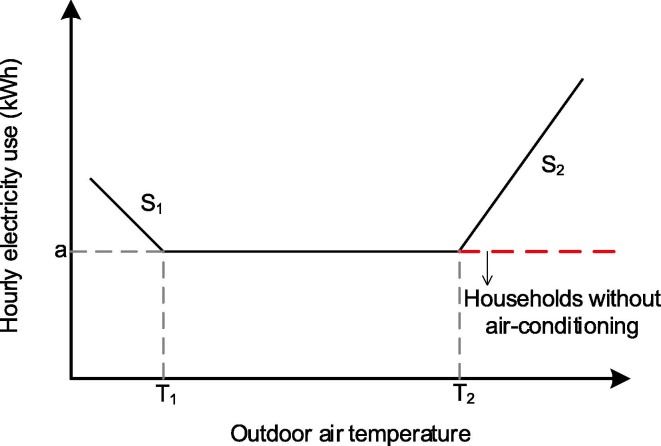
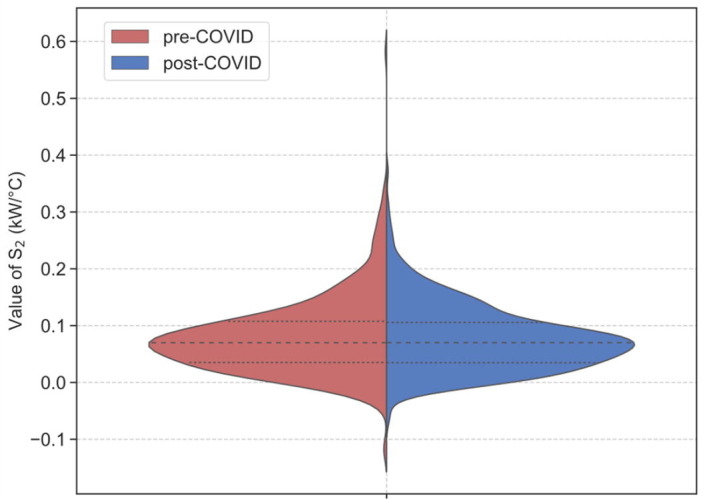
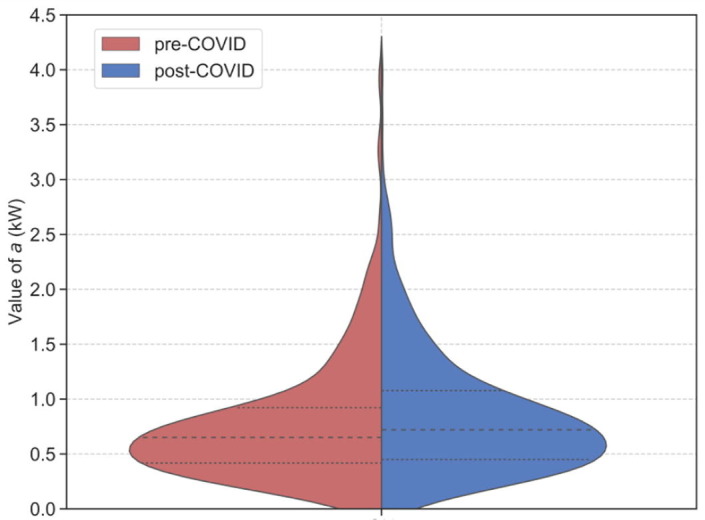
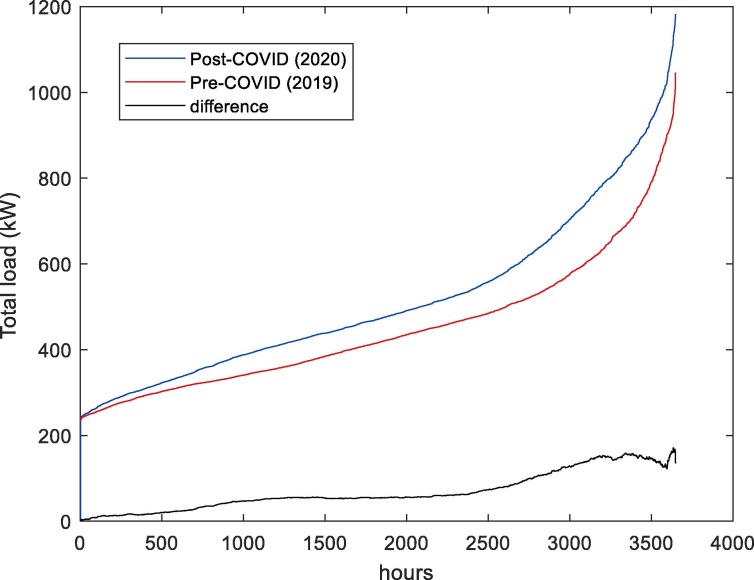
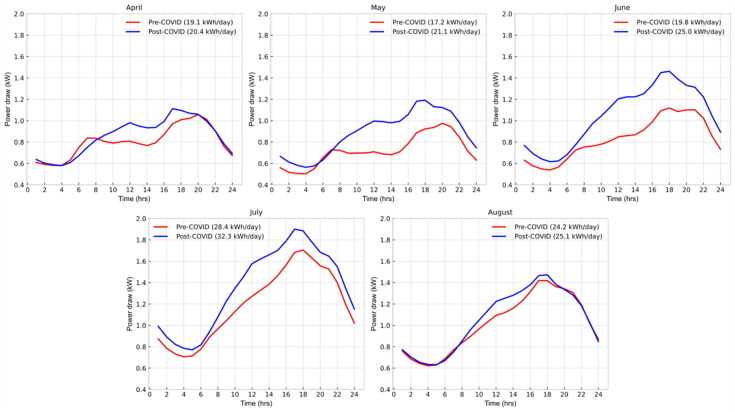
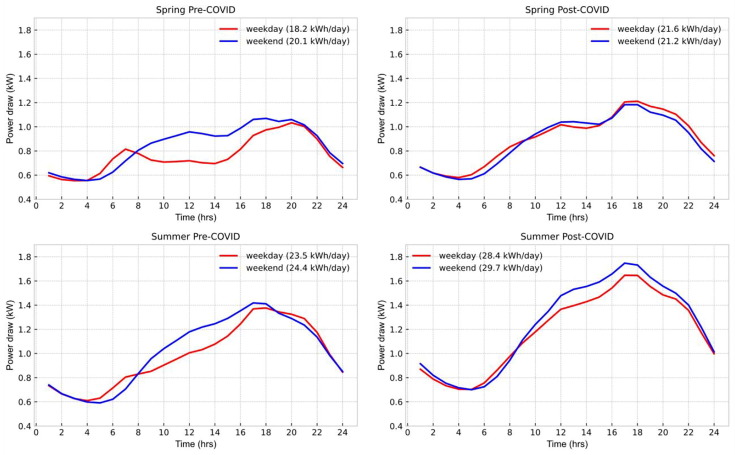
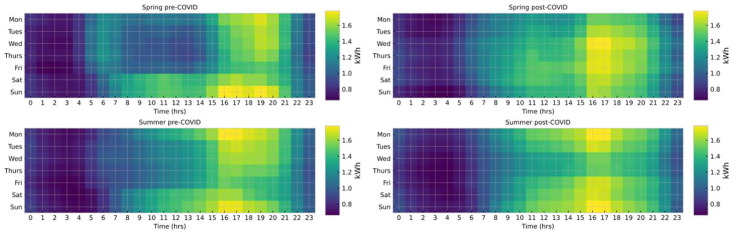
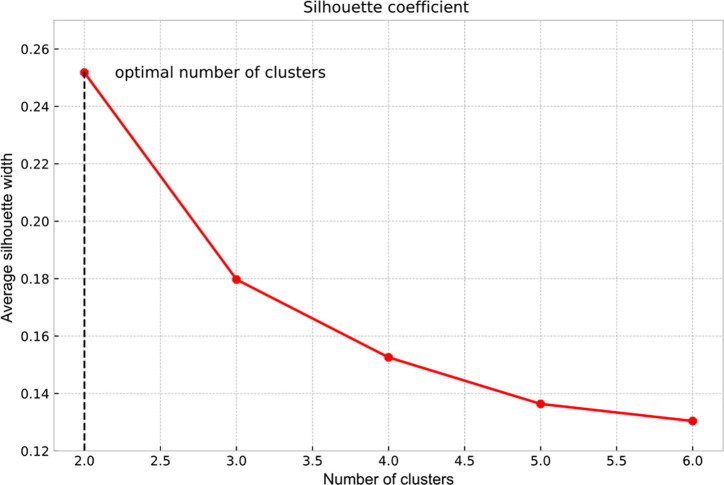
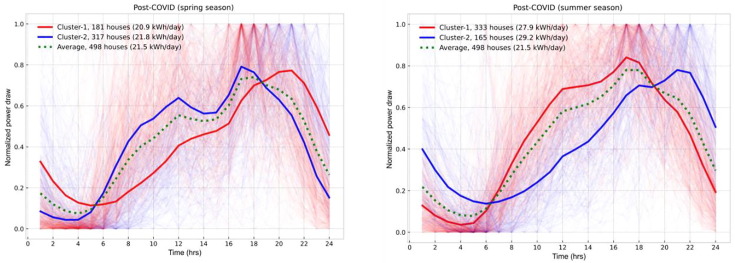
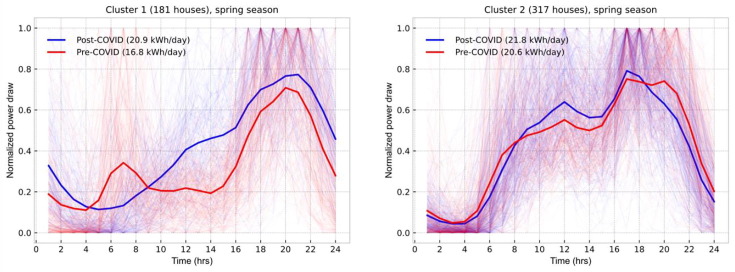
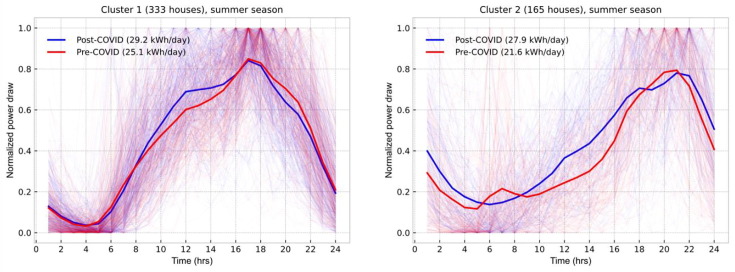
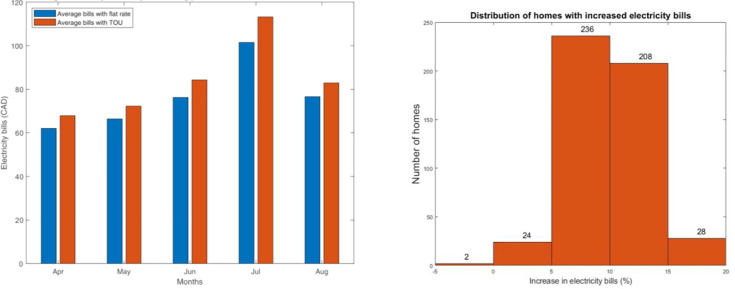
The spread of the COVID-19 pandemic caused a tremendous impact on our societies, including changes in household energy consumption. Using measured electricity use data from 500 homes in Ottawa, Canada, this study applies changepoint analysis, descriptive statistics, k-means clustering, and the corresponding change of electricity utility bills before and after COVID-19. Our analysis indicates that the average household daily electricity consumption increased by about 12% in 2020 relative to 2019, about one-third was due to warmer temperatures, with much of the rest due to the temperature-independent loads (e.g., lighting and appliances). Additionally, the highest five peak loads corresponding to post-COVID are significantly higher (15-20%) than peaks that occurred pre-COVID. The lockdown's impact on household electricity use is not consistent, and there are noticeable differences among different months, seasons, and day types. Two clusters of household electricity use patterns emerged, with about one-third showing significant increases during the pandemic and the remainder showing only minor changes. On the other hand, in the summer, all customers' electricity use profile patterns after the pandemic resemble the pattern before the pandemic. Yet, there is a significant increase (from 16.3 to 29.1%) in daily demand after COVID-19. Finally, the average increase in the utility bill post-COVID would be 9.71% if TOU rates were used instead of the flat rate that was implemented as a subsidy to consumers.
新冠疫情的蔓延对我们的社会造成了巨大影响,包括家庭能源消耗的变化。本研究利用加拿大渥太华500户家庭的实测用电数据,应用变点分析、描述性统计、k均值聚类以及新冠疫情前后电费的相应变化。我们的分析表明,2020年家庭日均用电量相对于2019年增加了约12%,其中约三分之一归因于气温升高,其余大部分归因于与温度无关的负荷(如照明和电器)。此外,新冠疫情后的五个最高峰值负荷明显高于疫情前的峰值(15 - 20%)。封锁对家庭用电的影响并不一致,不同月份、季节和日期类型之间存在显著差异。出现了两类家庭用电模式集群,约三分之一在疫情期间用电量显著增加,其余的仅显示出微小变化。另一方面,在夏季,疫情后所有客户的用电模式与疫情前相似。然而,新冠疫情后日均需求显著增加(从16.3%增至29.1%)。最后,如果使用分时电价而非作为对消费者补贴实施的统一电价,新冠疫情后电费平均涨幅将为9.71%。