Villeneuve Hannah, Abdeen Ahmed, Papineau Maya, Simon Sharane, Cruickshank Cynthia, O'Brien William
Department of Civil and Environmental Engineering, Carleton University, Ottawa, Ontario, Canada.
Department of Civil and Environmental Engineering, Carleton University, Ottawa, Ontario, Canada, and Architecture Engineering Department, Assiut University, Asyut, Egypt.
Can Public Policy. 2021 Sep 1;47(3):460-477. doi: 10.3138/cpp.2020-157.
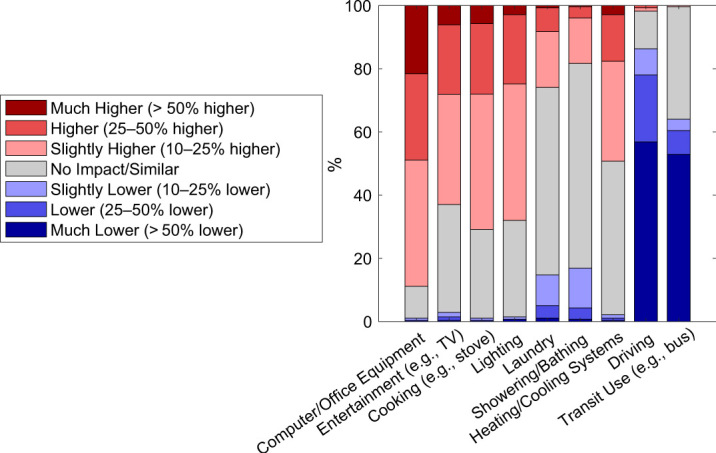
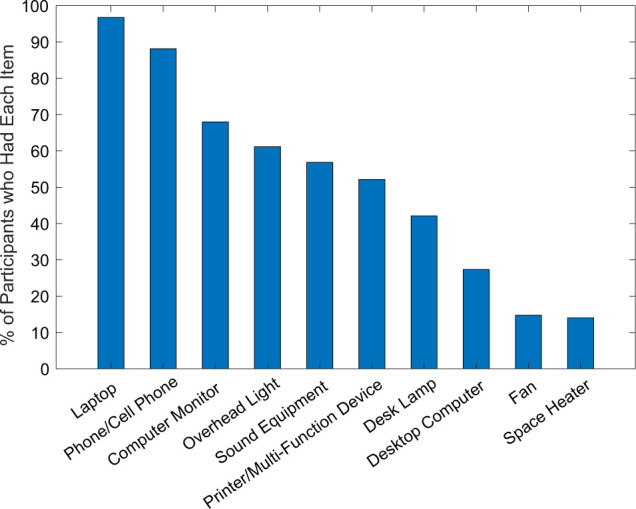
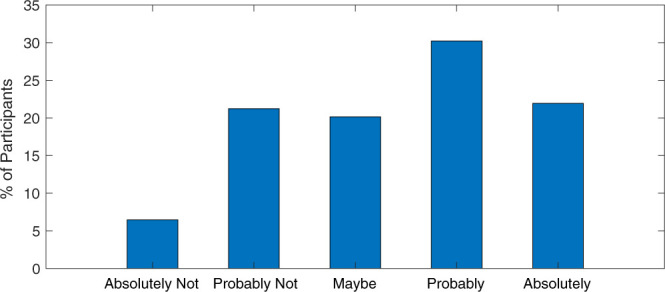
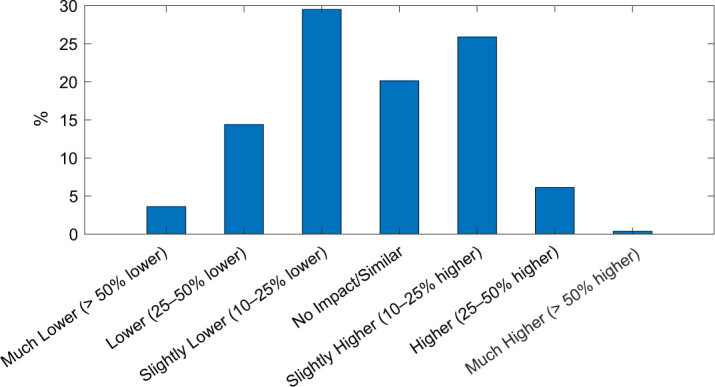
Quantifying the energy impact of teleworking has been challenging because of the low prevalence of telework. The coronavirus disease 2019 pandemic and the associated widespread shift to telework provides a new opportunity to study the energy impact of teleworking. Within two months of the lockdowns, we surveyed 278 knowledge-based workers in Canada who started working primarily from home to investigate their energy-related behaviours and attitudes. The survey's major themes are energy-saving actions taken in the office, equipment used for telework, impacts on home energy usage, and both awareness of and response to electricity pricing. Given trends toward increased teleworking in the future, these results can inform public policy related to teleworking and energy.
由于远程工作的普及率较低,量化远程工作对能源的影响一直具有挑战性。2019年冠状病毒病大流行以及随之而来的广泛转向远程工作,为研究远程工作对能源的影响提供了新机会。在封锁措施实施后的两个月内,我们对加拿大278名主要开始在家工作的知识型员工进行了调查,以研究他们与能源相关的行为和态度。该调查的主要主题包括在办公室采取的节能行动、用于远程工作的设备、对家庭能源使用的影响,以及对电价的认知和反应。鉴于未来远程工作增加的趋势,这些结果可为与远程工作和能源相关的公共政策提供参考。