Rouleau Jean, Gosselin Louis
Department of Mechanical Engineering, Université Laval, Quebec City, QC, Canada.
Appl Energy. 2021 Apr 1;287:116565. doi: 10.1016/j.apenergy.2021.116565. Epub 2021 Feb 12.
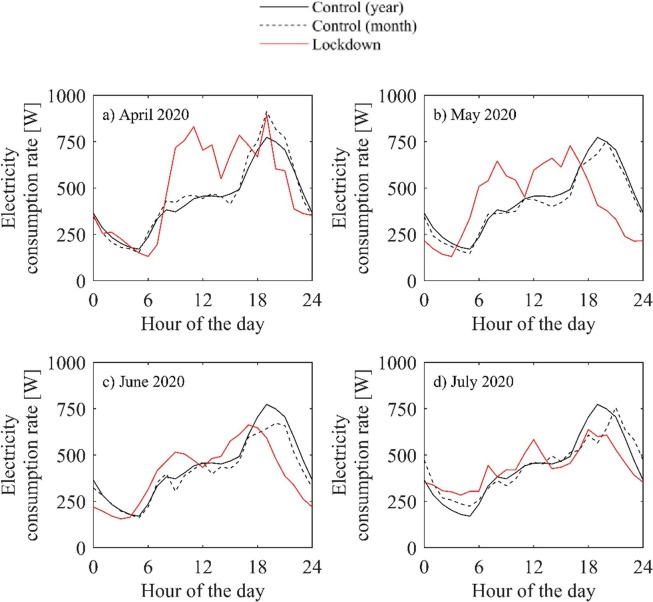
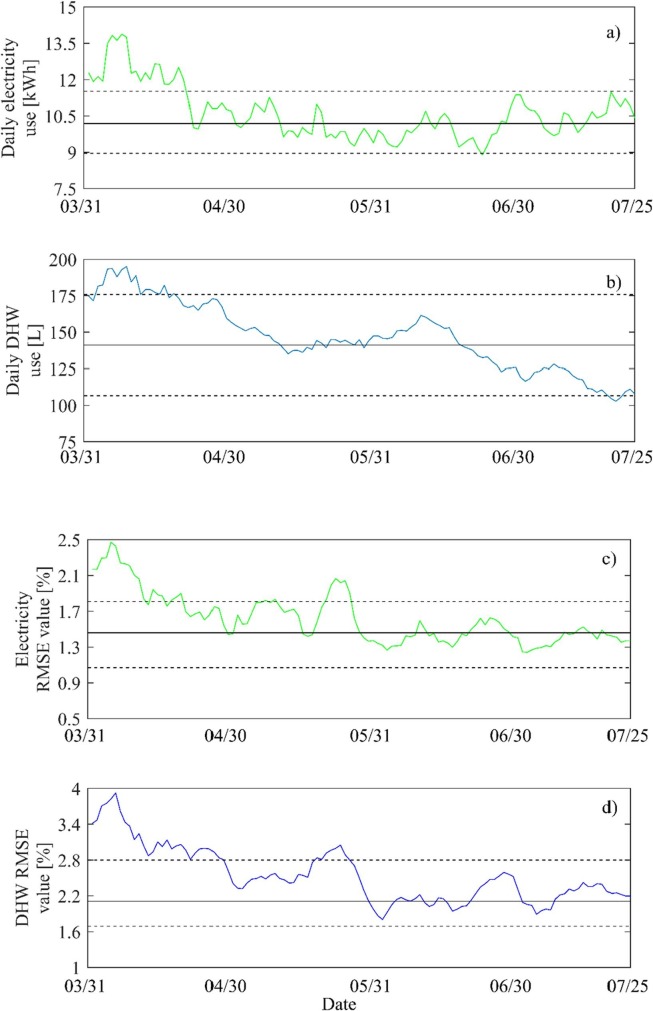
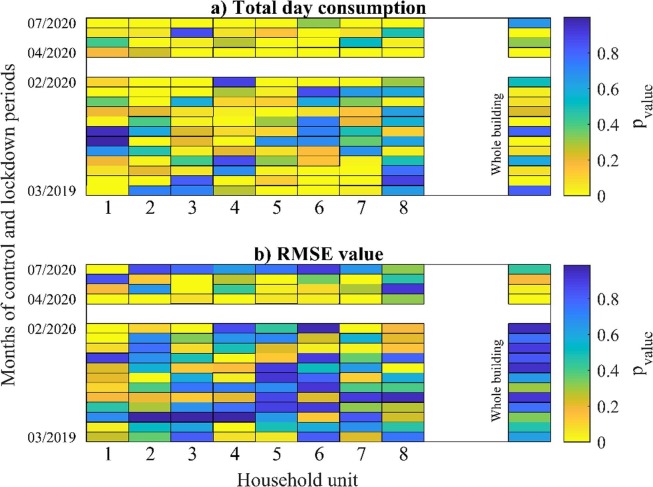
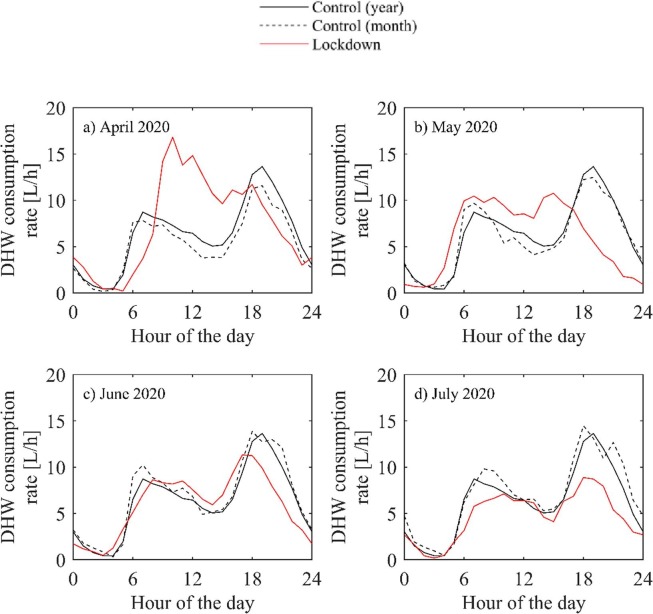
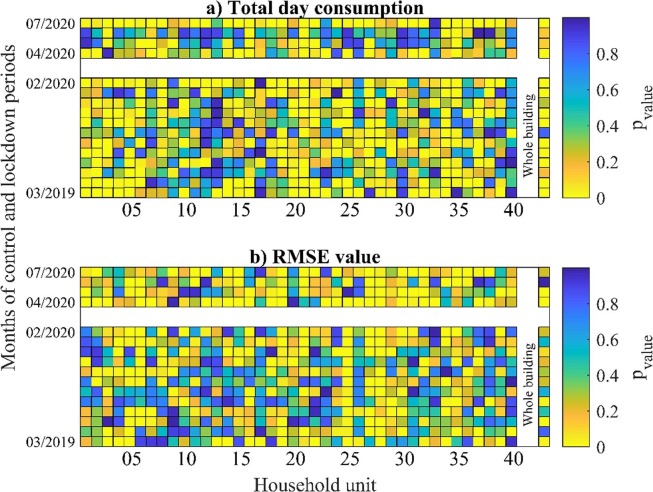
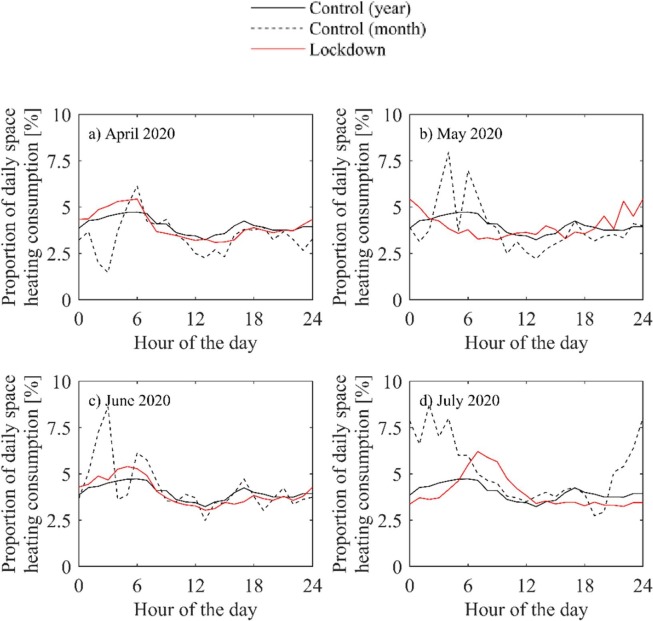
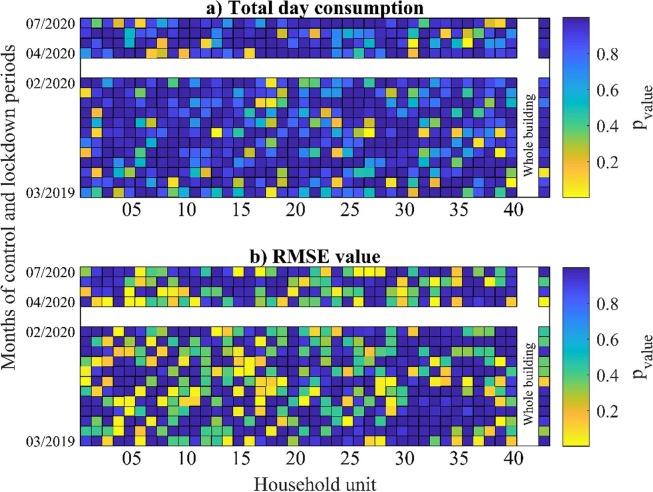
The COVID-19 pandemic hit societies in full force in 2020 and compelled people all around the world to change their lifestyle. The time spent at home significantly surged during the pandemic and this change in occupancy can have a direct impact on building energy consumption. COVID-19 lockdowns also accelerated the transition towards telework, a trend that many expect to last. Changes in energy consumption under lockdown is thus a valuable asset to forecast how energy could be consumed in buildings in the future. Here, we aim to quantify the impacts of the COVID-19 lockdown on the energy consumption (electricity, hot water and space heating) in residential buildings by answering these two questions: (i) Did the lockdown lead to changes in total energy consumption?, and (ii) Did the lockdown lead to changes in consumption patterns (i.e. time of the day at which energy is consumed)? To do so, we compared the energy consumption measured in a 40-dwelling social housing building located in Quebec City (Canada) during four months of lockdown to those of the months that preceded the lockdown. It is found that consumption patterns for electricity and hot water changed for the first two months of the lockdown, when the most intensive lockdown measures were applied. Overall consumption slightly increased for these two energy expenditures, but the more important change was that consumption occurred throughout the day instead of being concentrated in the evening as observed before the lockdown. Results shed light on the impact of lockdown on energy bills for consumers and on how energy utilities might be solicited during this kind of episode.
2020年,新冠疫情全面冲击社会,迫使世界各地的人们改变生活方式。疫情期间,人们在家的时间大幅增加,这种居住情况的变化会对建筑能耗产生直接影响。新冠疫情封锁措施还加速了向远程办公的转变,许多人预计这一趋势将持续下去。因此,封锁期间的能源消耗变化是预测未来建筑能源消耗情况的一项宝贵依据。在此,我们旨在通过回答以下两个问题,量化新冠疫情封锁对住宅建筑能源消耗(电力、热水和空间供暖)的影响:(i)封锁是否导致总能源消耗发生变化?(ii)封锁是否导致消费模式发生变化(即能源消耗的时段)?为此,我们将加拿大魁北克市一栋有40套公寓的社会住房建筑在封锁的四个月期间的能源消耗,与封锁前几个月的能源消耗进行了比较。研究发现,在实施最严格封锁措施的封锁头两个月,电力和热水的消费模式发生了变化。这两项能源支出的总体消耗略有增加,但更重要的变化是,能源消耗在全天都有发生,而不是像封锁前那样集中在晚上。研究结果揭示了封锁对消费者能源账单的影响,以及在这类情况下能源公用事业公司可能会受到怎样的影响。