Marillier Mathieu, Gruet Mathieu, Bernard Anne-Catherine, Verges Samuel, Neder J Alberto
Laboratory of Clinical Exercise Physiology, Queen's University and Kingston General Hospital, Kingston, ON, Canada.
HP2 Laboratory, INSERM U1300, Grenoble Alpes University, Grenoble, France.
Front Hum Neurosci. 2022 Jan 21;15:789053. doi: 10.3389/fnhum.2021.789053. eCollection 2021.
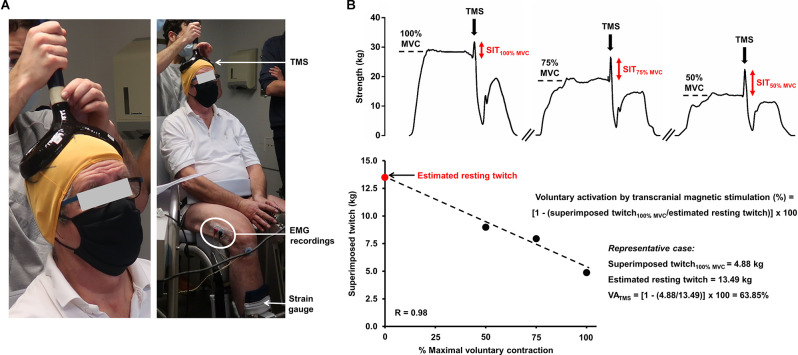
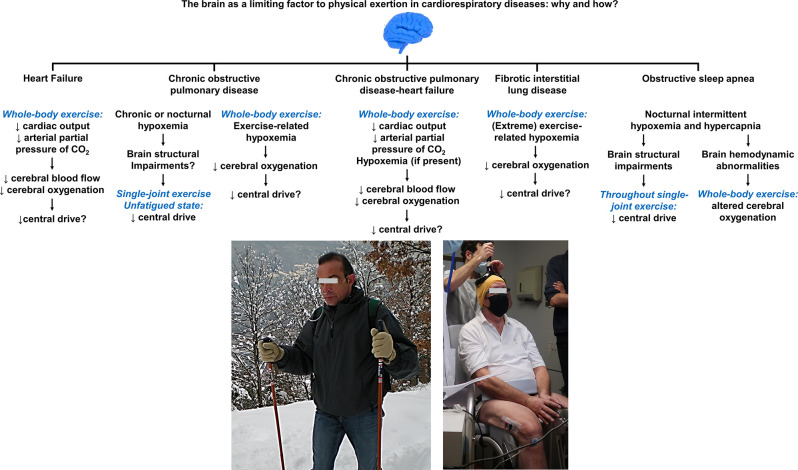
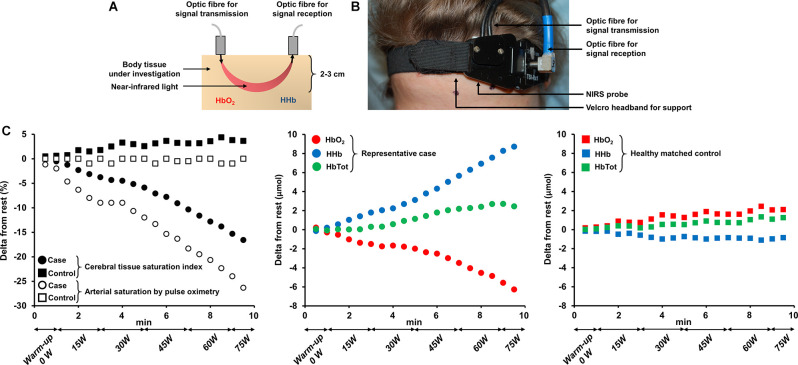
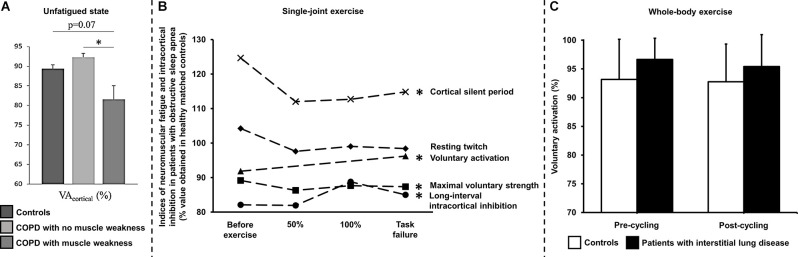
"Exercise starts and ends in the brain": this was the title of a review article authored by Dr. Bengt Kayser back in 2003. In this piece of work, the author highlights that pioneer studies have primarily focused on the cardiorespiratory-muscle axis to set the human limits to whole-body exercise tolerance. In some circumstances, however, exercise cessation may not be solely attributable to these players: the central nervous system is thought to hold a relevant role as the ultimate site of exercise termination. In fact, there has been a growing interest relative to the "brain" response to exercise in chronic cardiorespiratory diseases, and its potential implication in limiting the tolerance to physical exertion in patients. To reach these overarching goals, non-invasive techniques, such as near-infrared spectroscopy and transcranial magnetic stimulation, have been successfully applied to get insights into the underlying mechanisms of exercise limitation in clinical populations. This review provides an up-to-date outline of the rationale for the "brain" as the organ limiting the tolerance to physical exertion in patients with cardiorespiratory diseases. We first outline some key methodological aspects of neuromuscular function and cerebral hemodynamics assessment in response to different exercise paradigms. We then review the most prominent studies, which explored the influence of major cardiorespiratory diseases on these outcomes. After a balanced summary of existing evidence, we finalize by detailing the rationale for investigating the "brain" contribution to exercise limitation in hitherto unexplored cardiorespiratory diseases, an endeavor that might lead to innovative lines of applied physiological research.
“运动始于大脑,也止于大脑”:这是本特·凯泽博士早在2003年撰写的一篇综述文章的标题。在这项工作中,作者强调,开创性研究主要集中在心肺-肌肉轴上,以确定人体全身运动耐力的极限。然而,在某些情况下,运动停止可能不完全归因于这些因素:中枢神经系统被认为作为运动终止的最终部位起着相关作用。事实上,人们对慢性心肺疾病中“大脑”对运动的反应及其在限制患者体力耐受方面的潜在影响越来越感兴趣。为了实现这些总体目标,近红外光谱和经颅磁刺激等非侵入性技术已成功应用于深入了解临床人群运动受限的潜在机制。本综述提供了关于“大脑”作为限制心肺疾病患者体力耐受器官的最新理论依据概述。我们首先概述了针对不同运动范式的神经肌肉功能和脑血流动力学评估的一些关键方法学方面。然后我们回顾了最突出的研究,这些研究探讨了主要心肺疾病对这些结果的影响。在对现有证据进行平衡总结后,我们最后详细阐述了在迄今未探索的心肺疾病中研究“大脑”对运动受限贡献的理论依据,这一努力可能会带来创新的应用生理学研究方向。