Laboratory of Bacteriology, The Rockefeller University, 1230 York Ave, New York, NY 10065, USA.
Laboratory of Bacteriology, The Rockefeller University, 1230 York Ave, New York, NY 10065, USA; Howard Hughes Medical Institute, The Rockefeller University, 1230 York Ave, New York, NY 10065, USA.
Mol Cell. 2022 Mar 3;82(5):907-919.e7. doi: 10.1016/j.molcel.2022.01.012. Epub 2022 Feb 7.
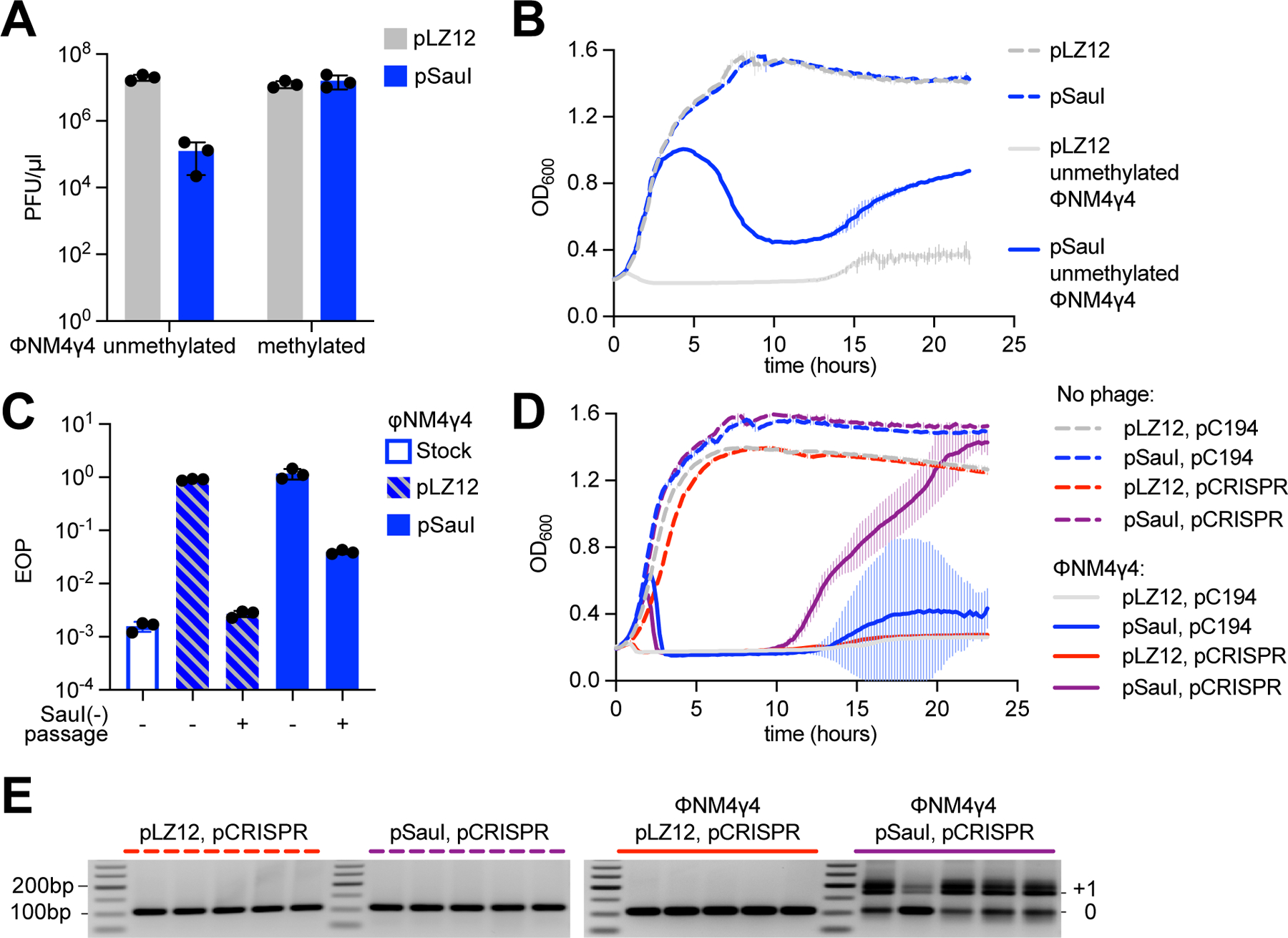
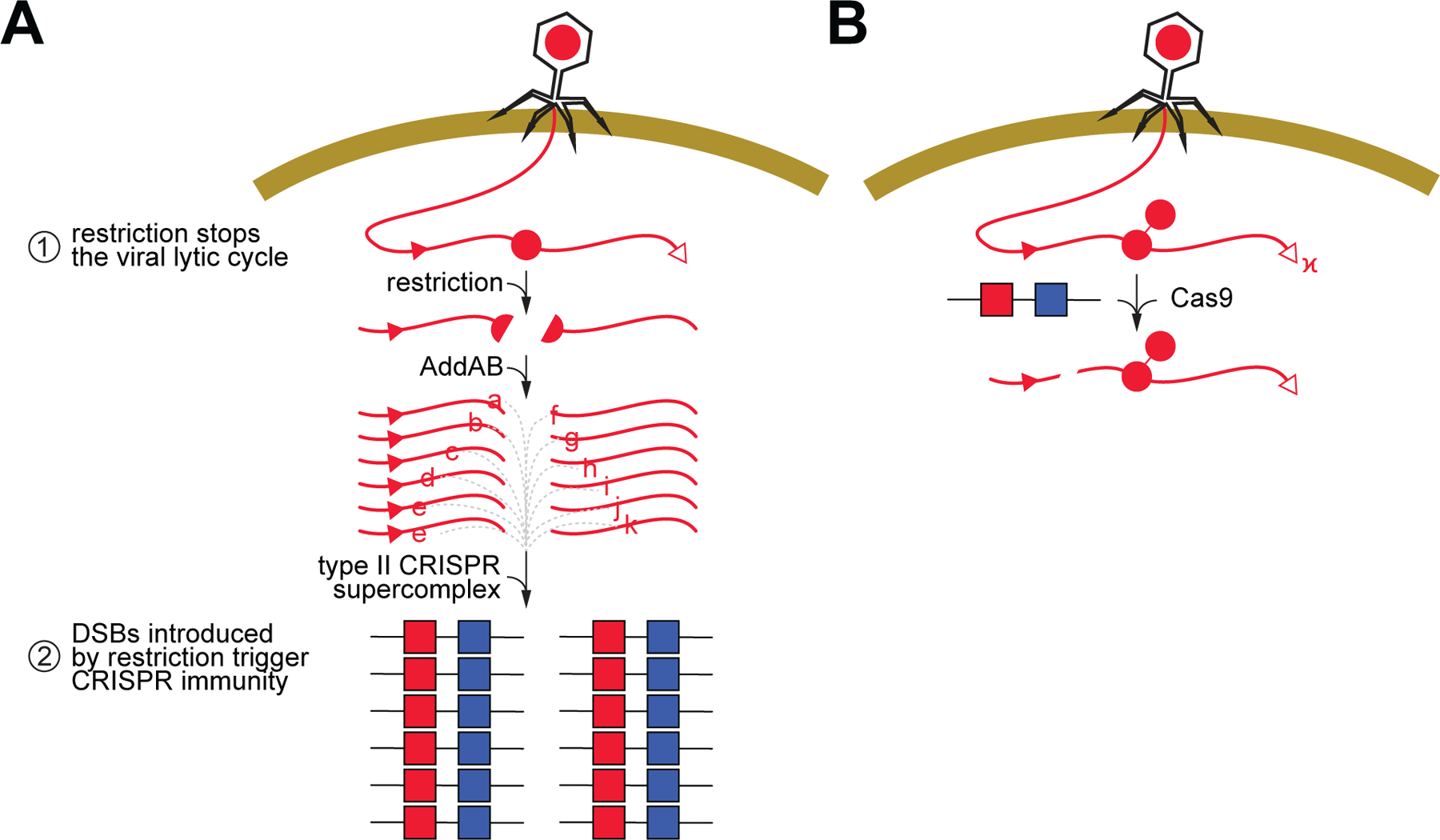
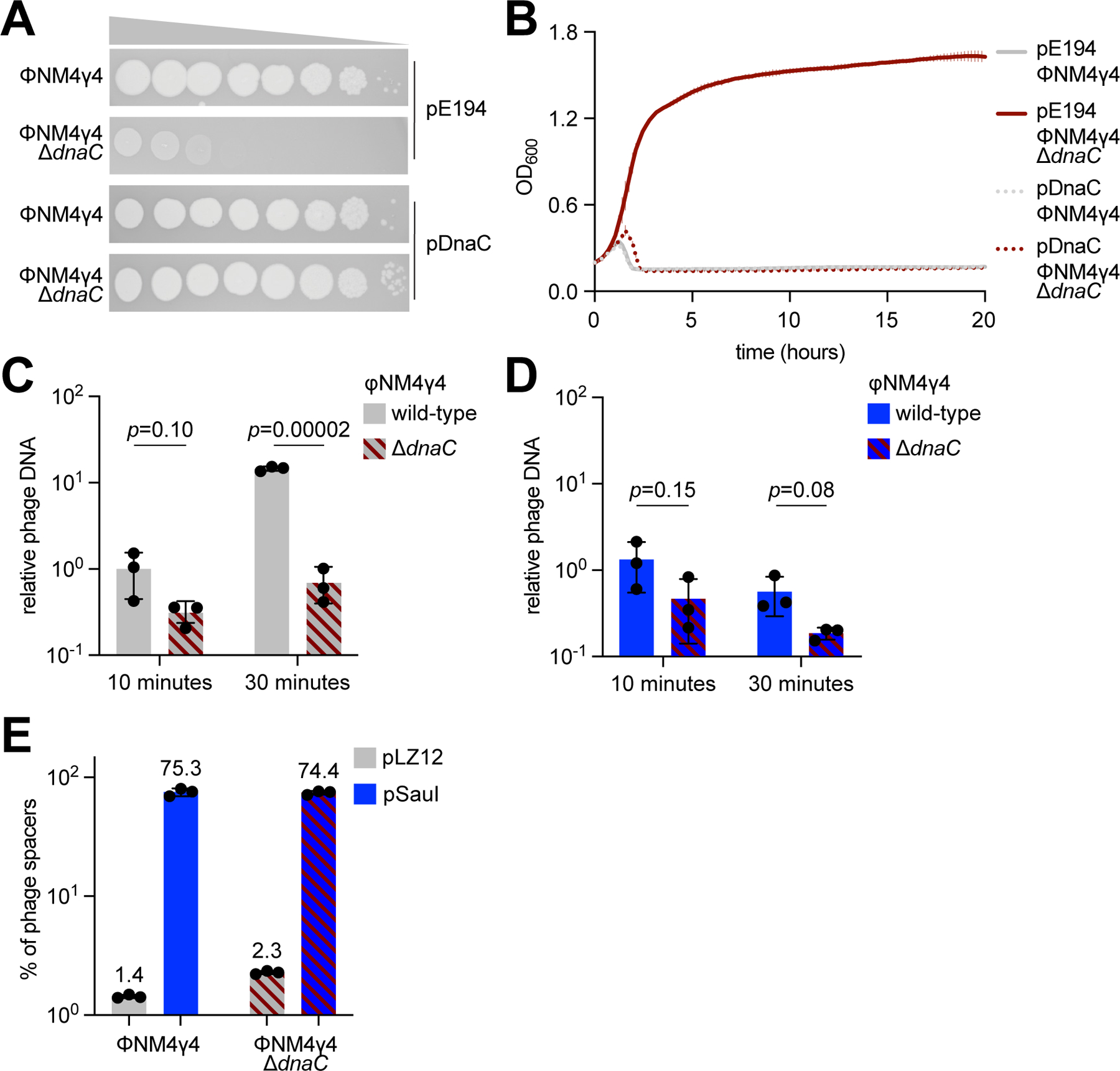
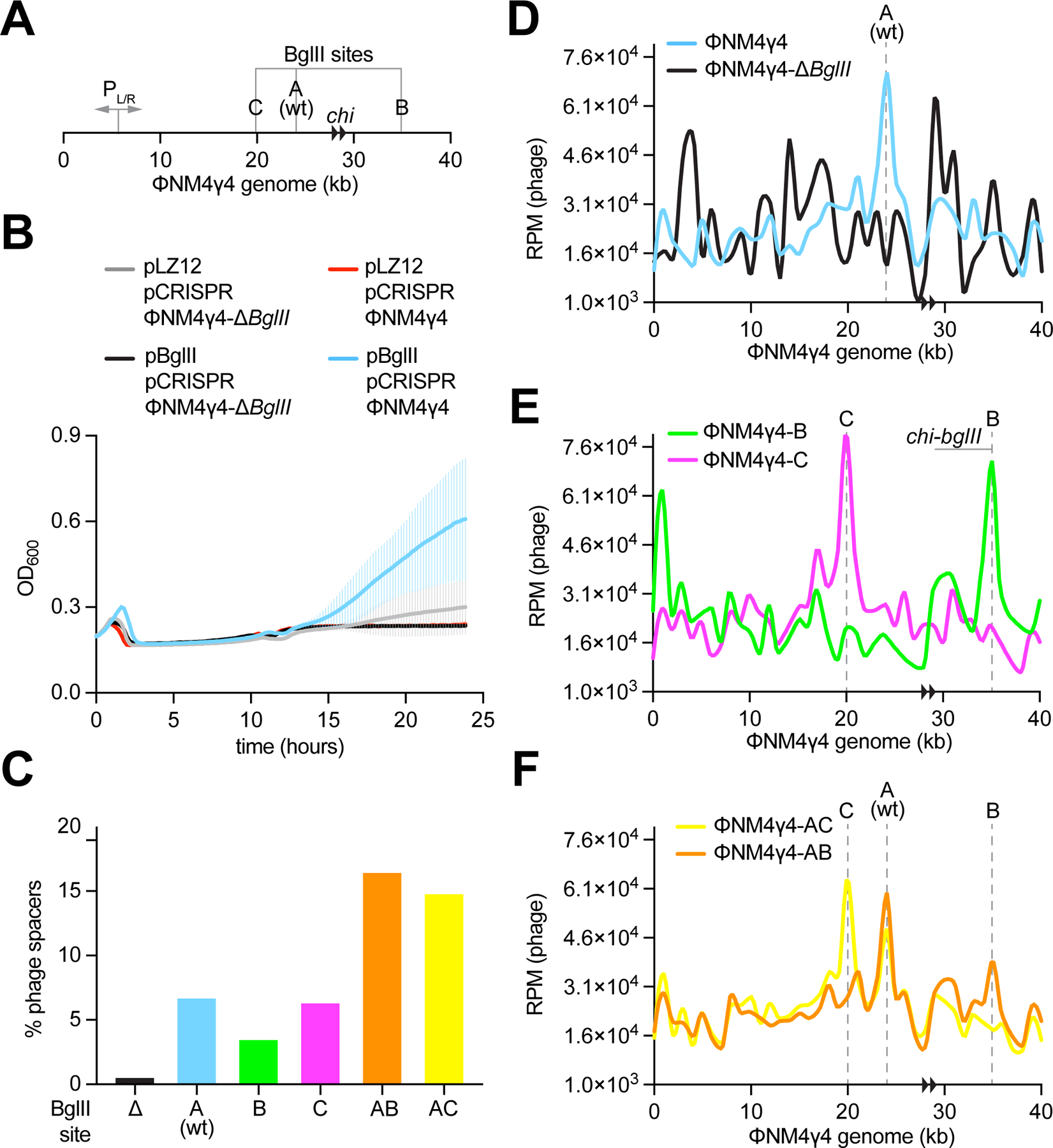
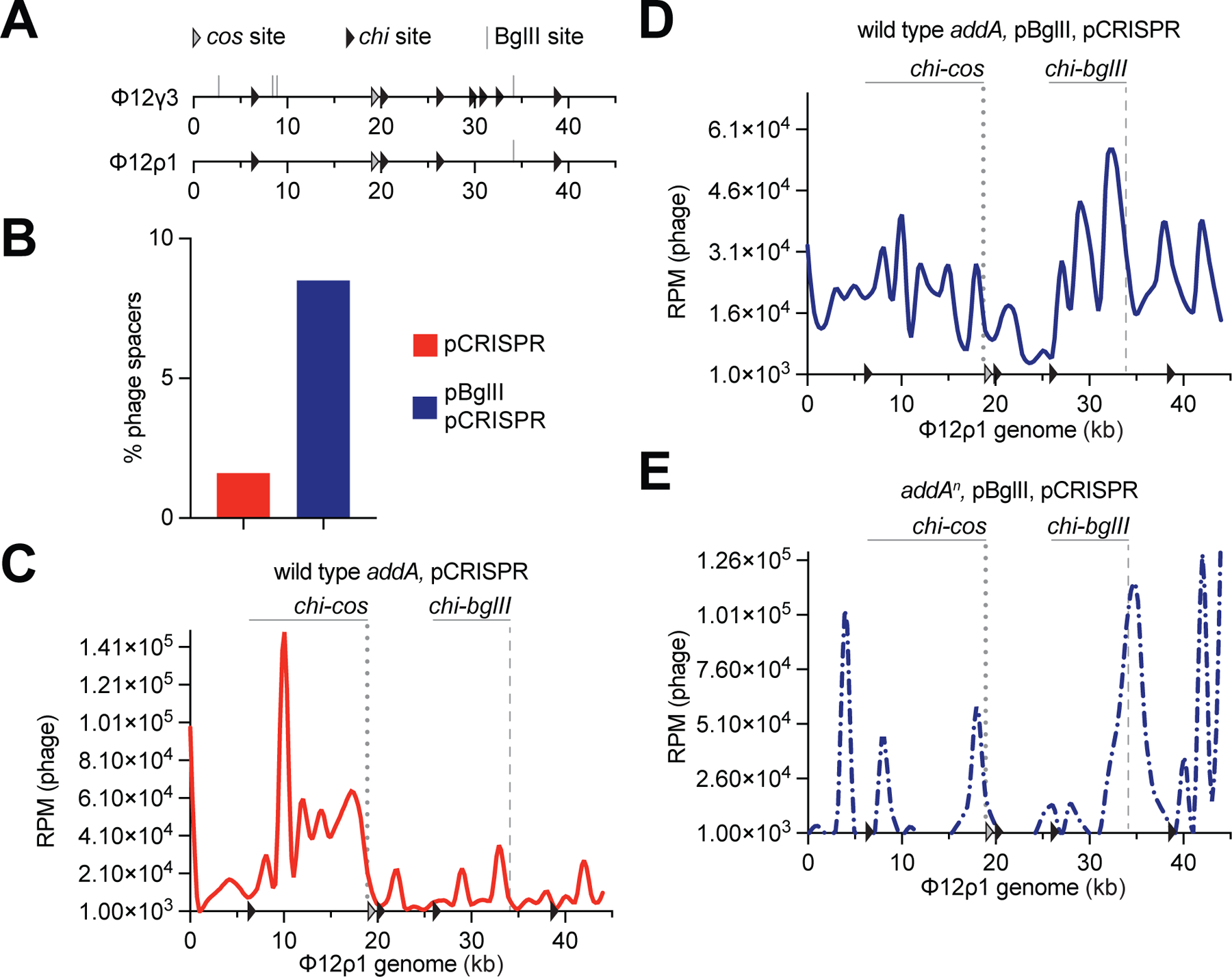
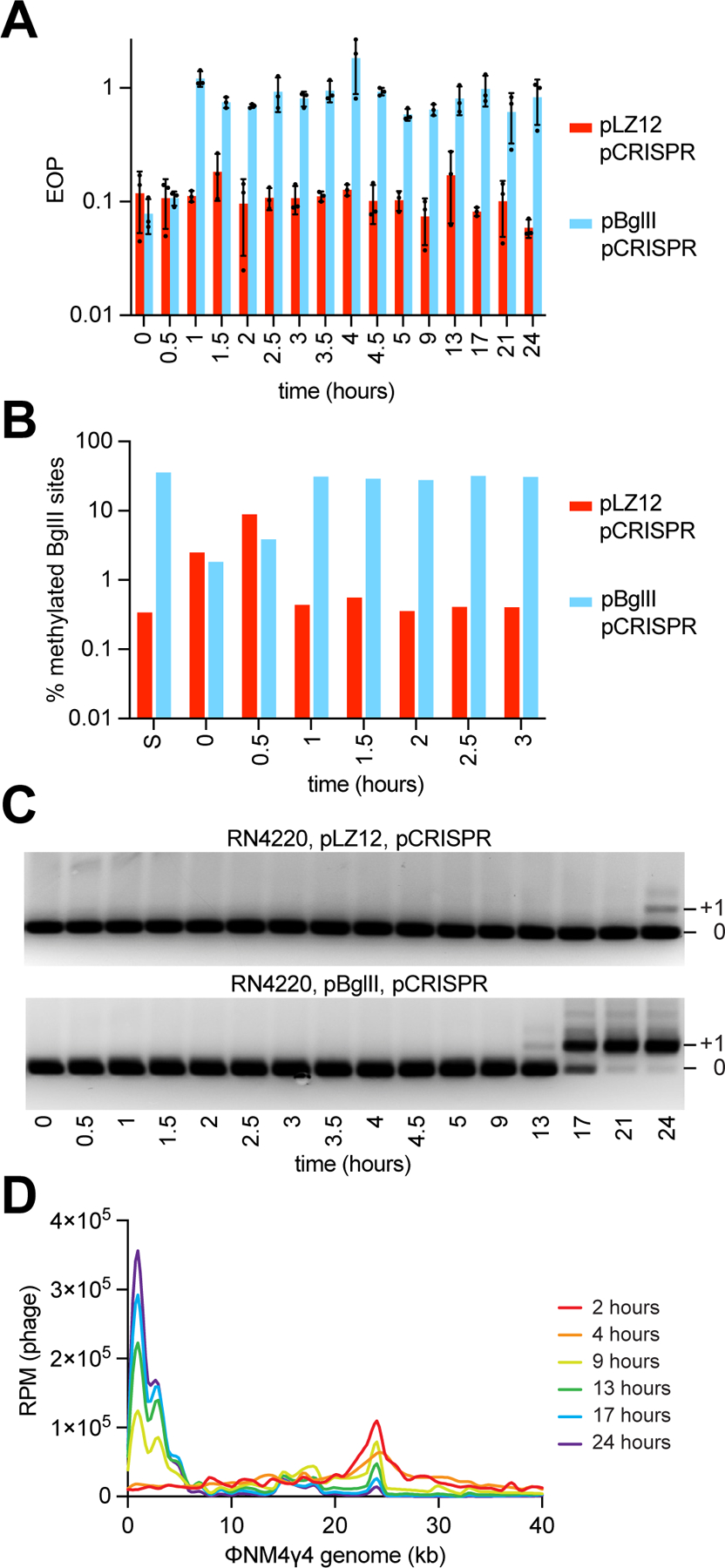
Prokaryotic organisms have developed multiple defense systems against phages; however, little is known about whether and how these interact with each other. Here, we studied the connection between two of the most prominent prokaryotic immune systems: restriction-modification and CRISPR. While both systems employ enzymes that cleave a specific DNA sequence of the invader, CRISPR nucleases are programmed with phage-derived spacer sequences, which are integrated into the CRISPR locus upon infection. We found that restriction endonucleases provide a short-term defense, which is rapidly overcome through methylation of the phage genome. In a small fraction of the cells, however, restriction results in the acquisition of spacer sequences from the cleavage site, which mediates a robust type II-A CRISPR-Cas immune response against the methylated phage. This mechanism is reminiscent of eukaryotic immunity in which the innate response offers a first temporary line of defense and also activates a second and more robust adaptive response.
原核生物已经开发出多种防御噬菌体的系统;然而,人们对于这些系统是否以及如何相互作用知之甚少。在这里,我们研究了两种最突出的原核免疫防御系统之间的联系:限制修饰系统和 CRISPR 系统。尽管这两种系统都利用能够切割入侵者特定 DNA 序列的酶,但 CRISPR 核酸酶则是由噬菌体衍生的间隔序列编程的,这些序列在感染时整合到 CRISPR 基因座中。我们发现,限制内切酶提供了一种短期防御,这种防御会迅速被噬菌体基因组的甲基化所克服。然而,在一小部分细胞中,限制会导致从切割位点获得间隔序列,这介导了针对甲基化噬菌体的强大 II-A 型 CRISPR-Cas 免疫反应。这种机制让人联想到真核生物的免疫反应,其中先天反应提供了第一道暂时的防线,同时也激活了第二道更强大的适应性反应。