Norman-Haignere Sam V, Long Laura K, Devinsky Orrin, Doyle Werner, Irobunda Ifeoma, Merricks Edward M, Feldstein Neil A, McKhann Guy M, Schevon Catherine A, Flinker Adeen, Mesgarani Nima
Zuckerman Mind, Brain, Behavior Institute, Columbia University, New York, NY, USA.
Life Sciences Research Foundation, Cockeysville, MD, USA.
Nat Hum Behav. 2022 Mar;6(3):455-469. doi: 10.1038/s41562-021-01261-y. Epub 2022 Feb 10.
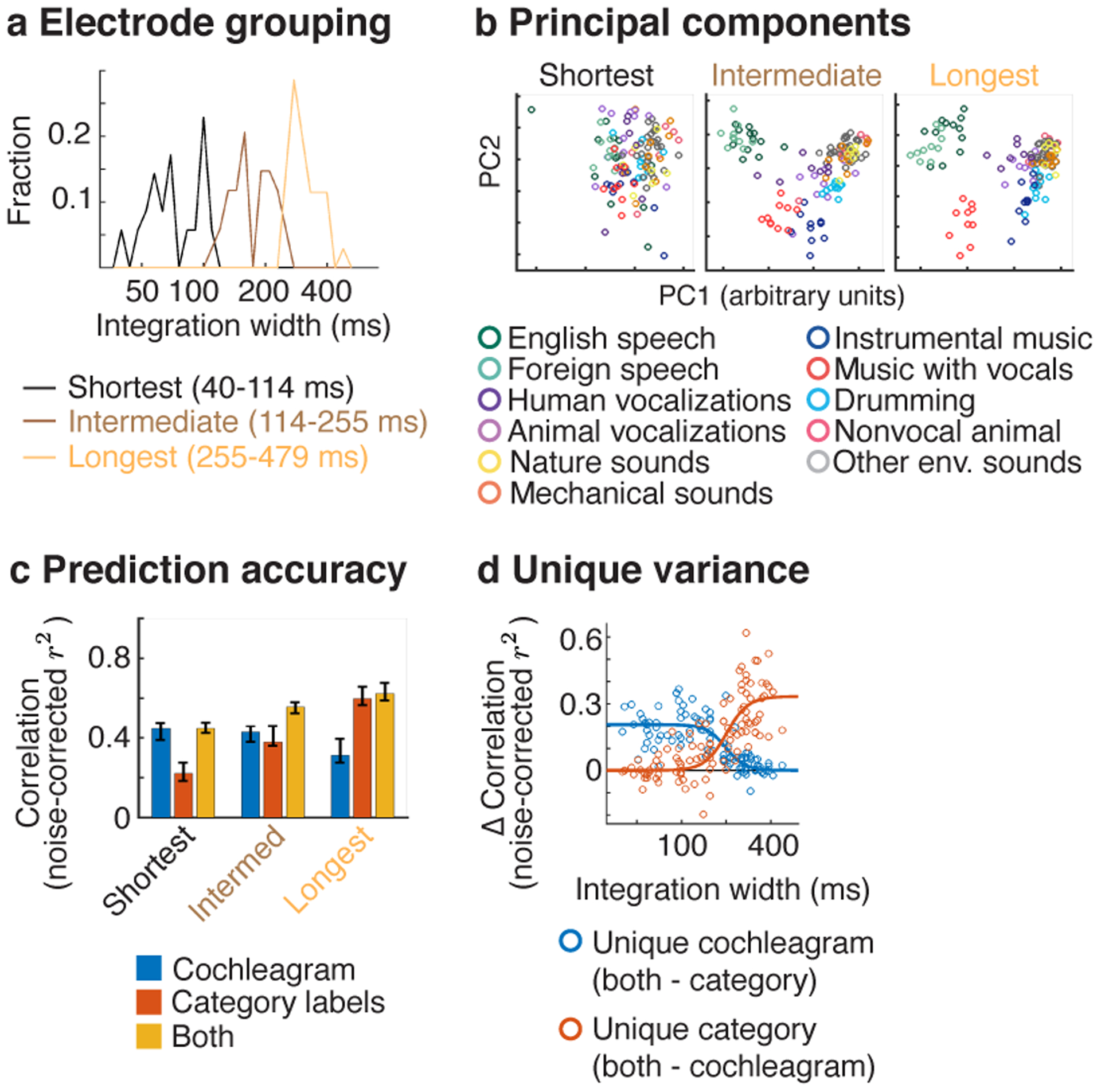
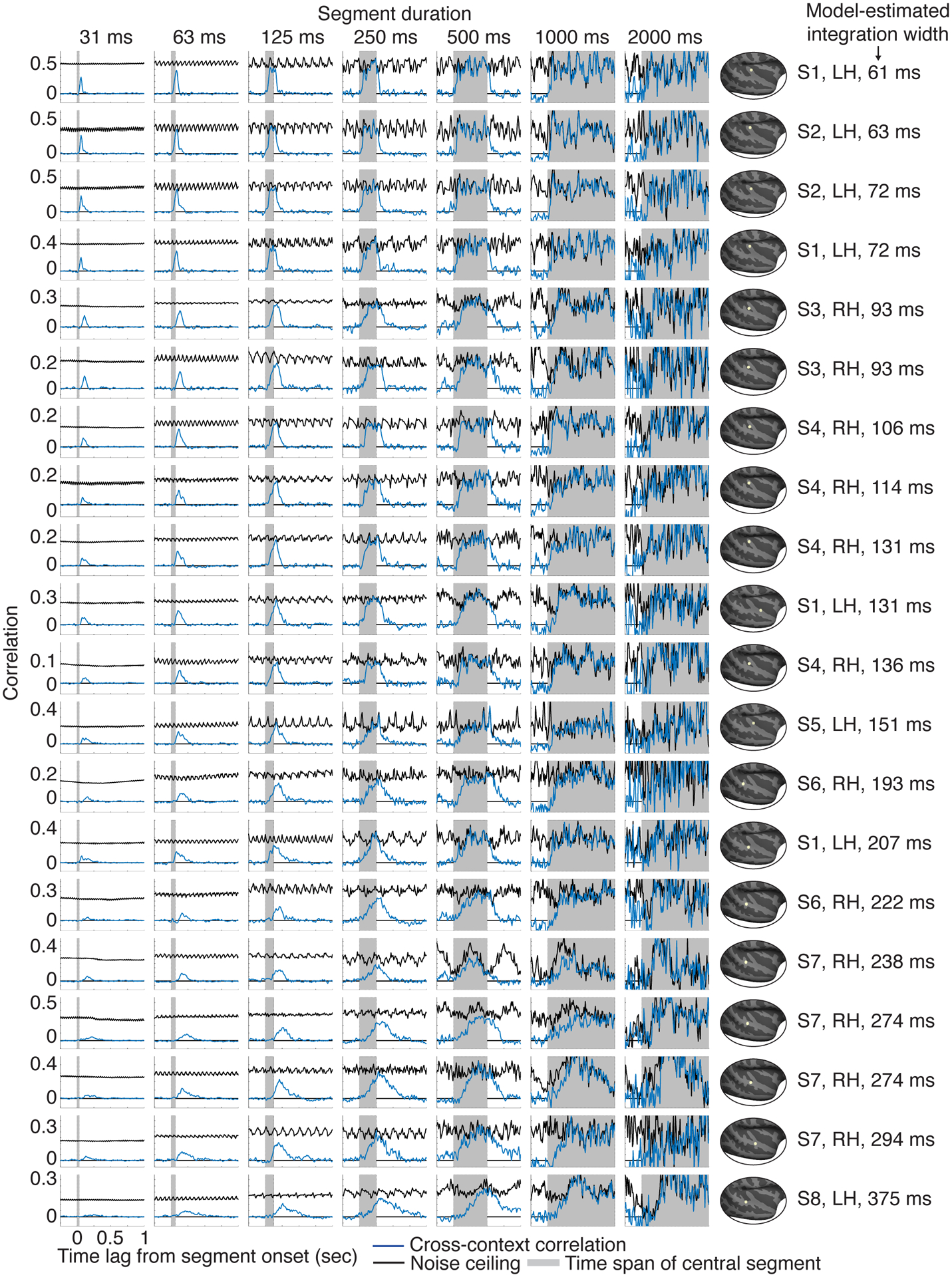
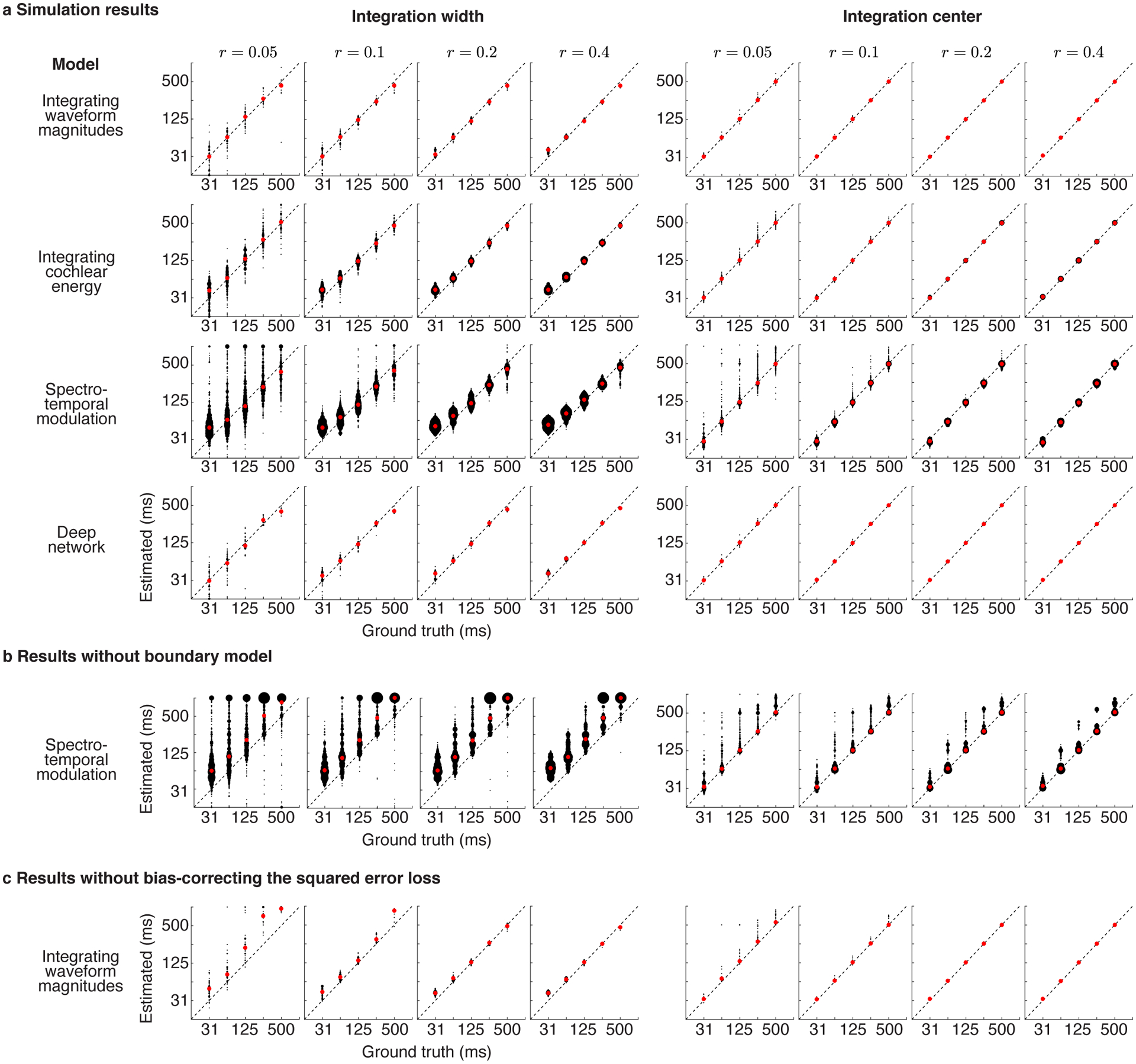
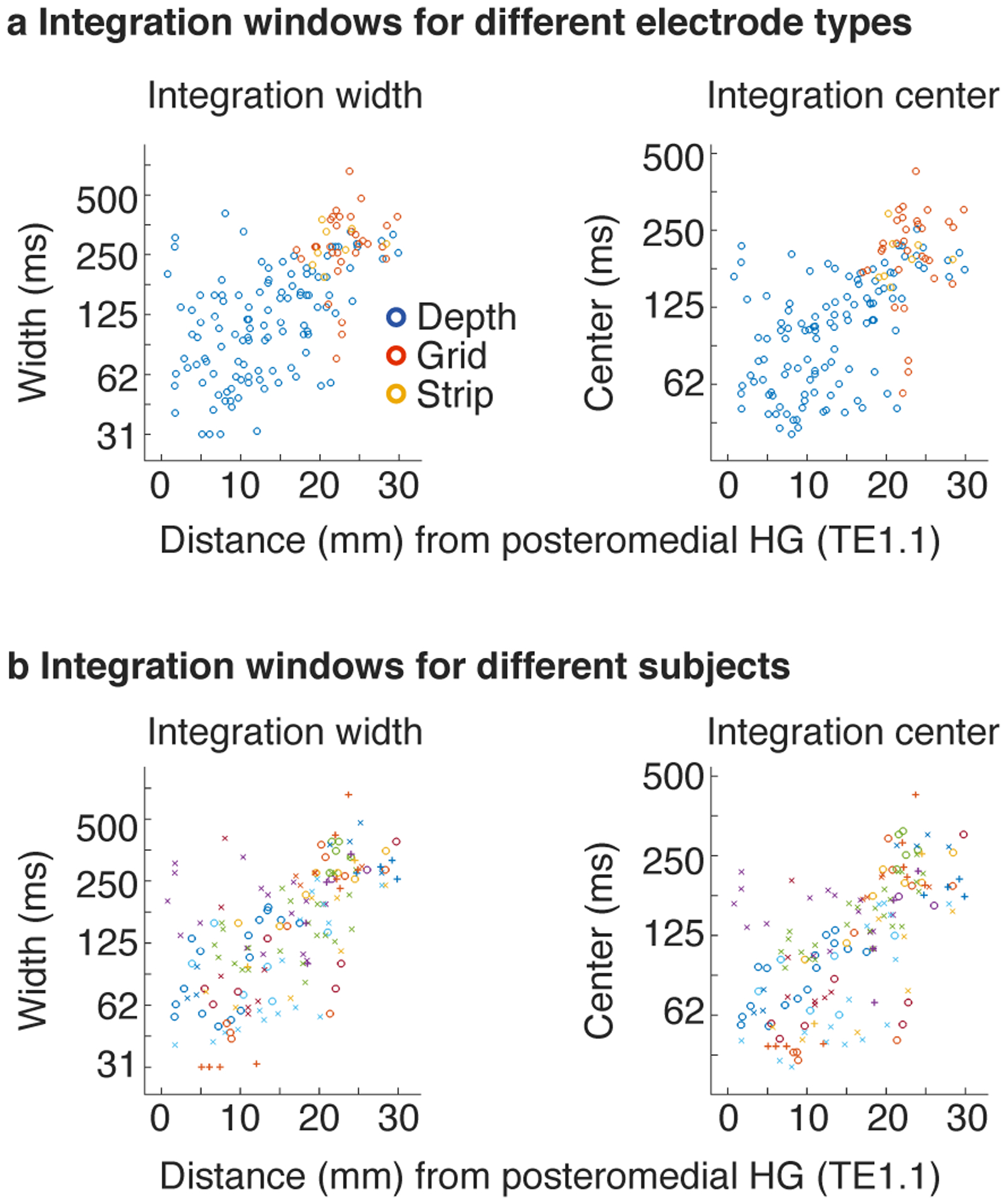
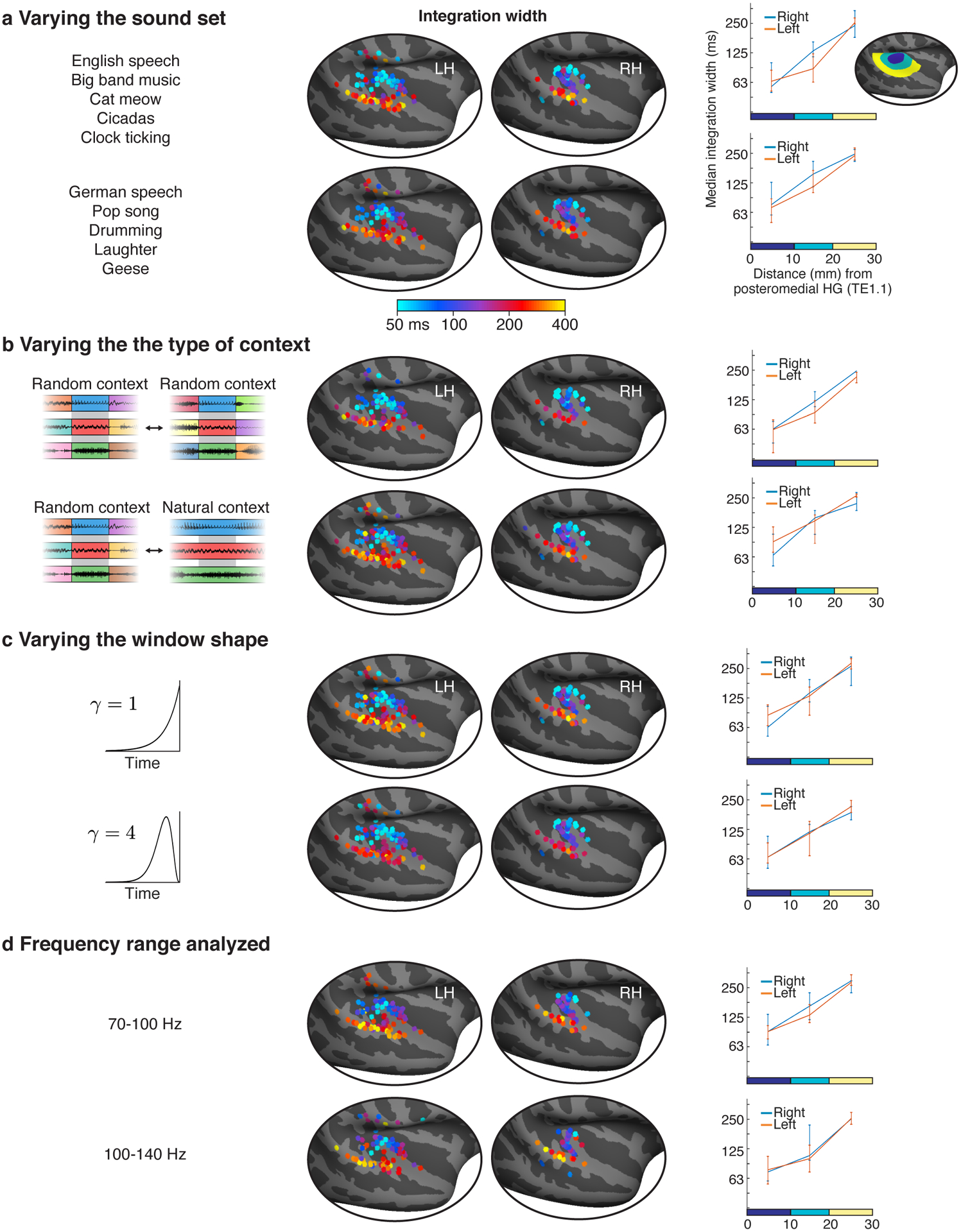
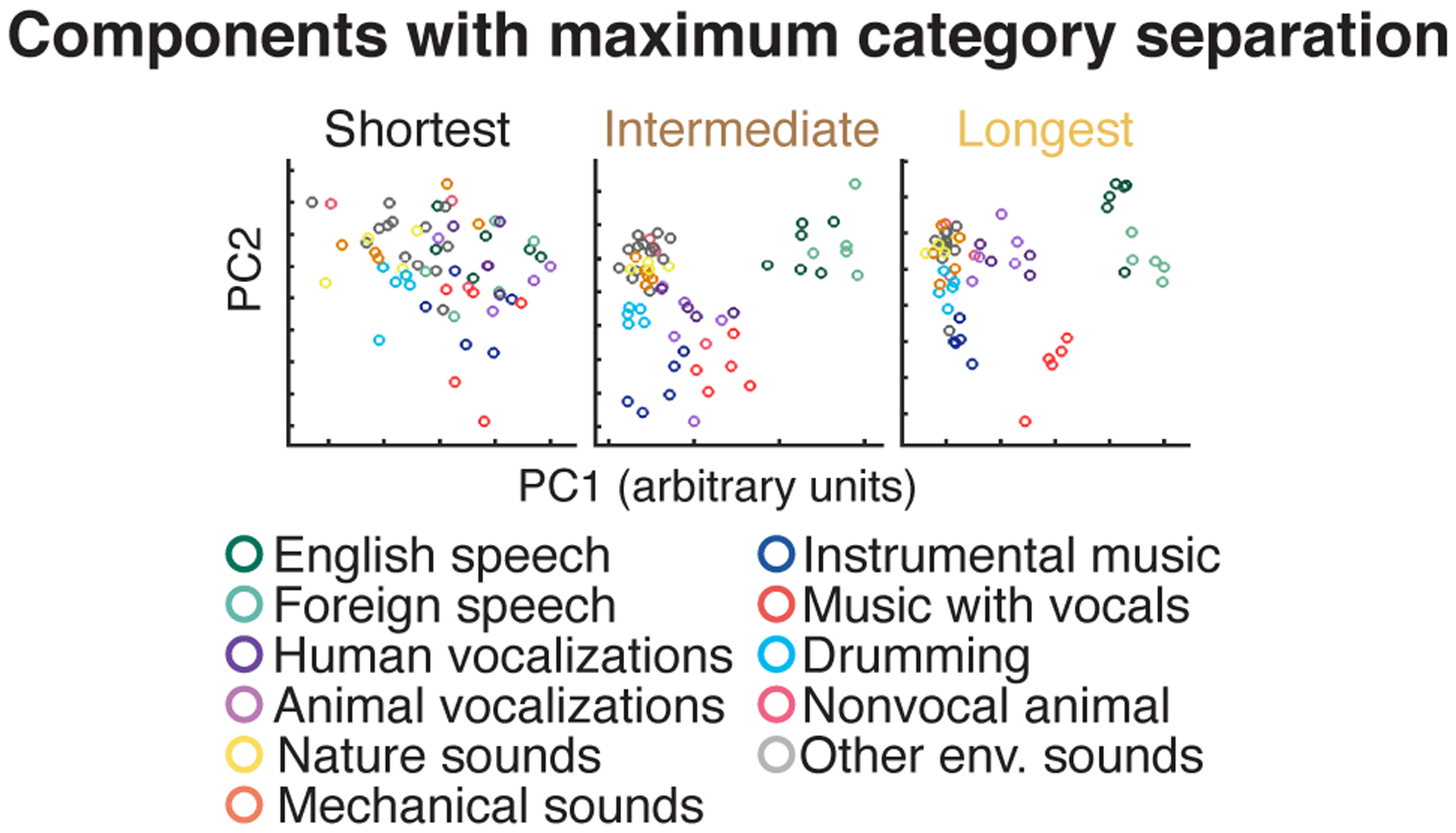
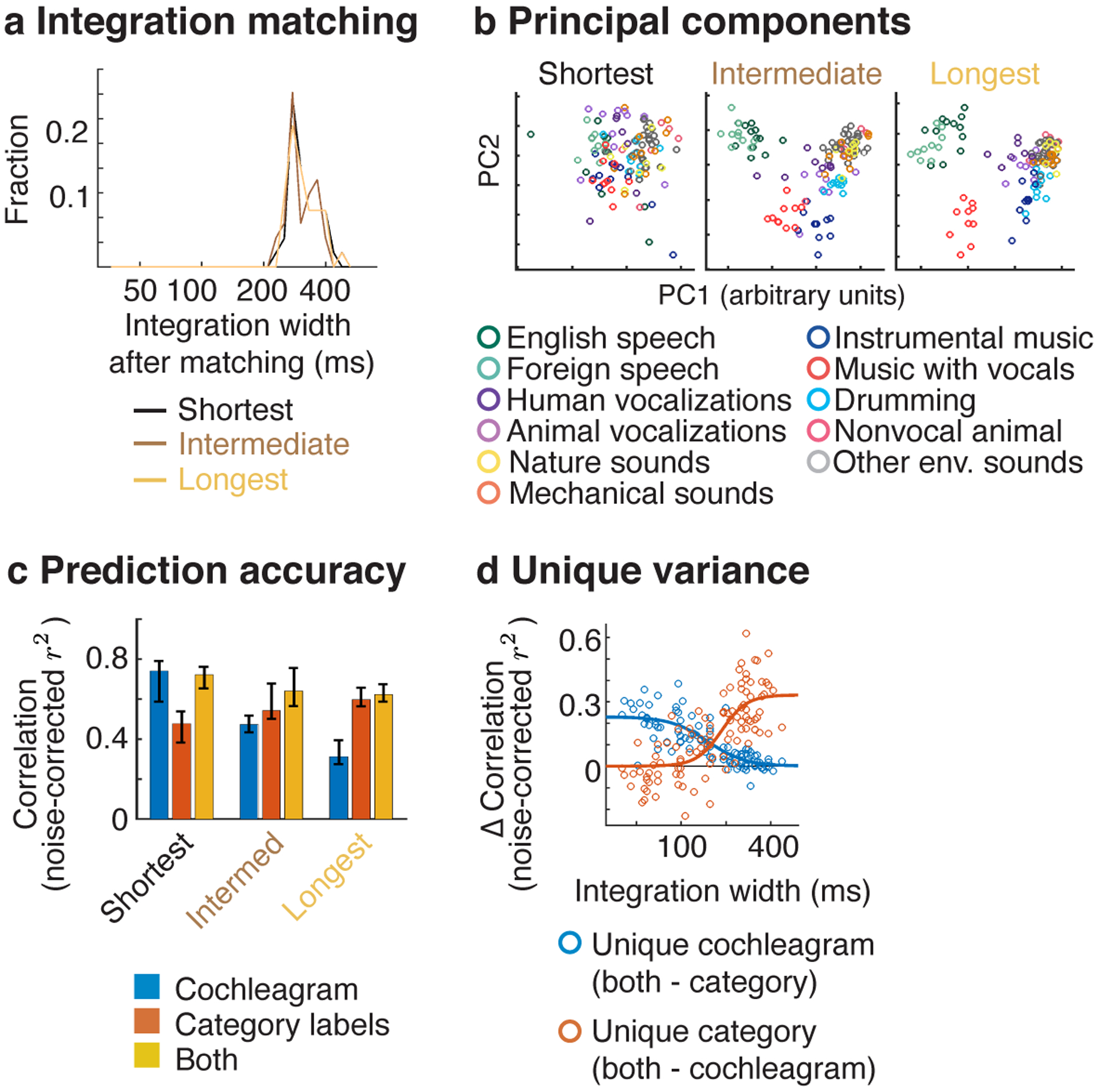
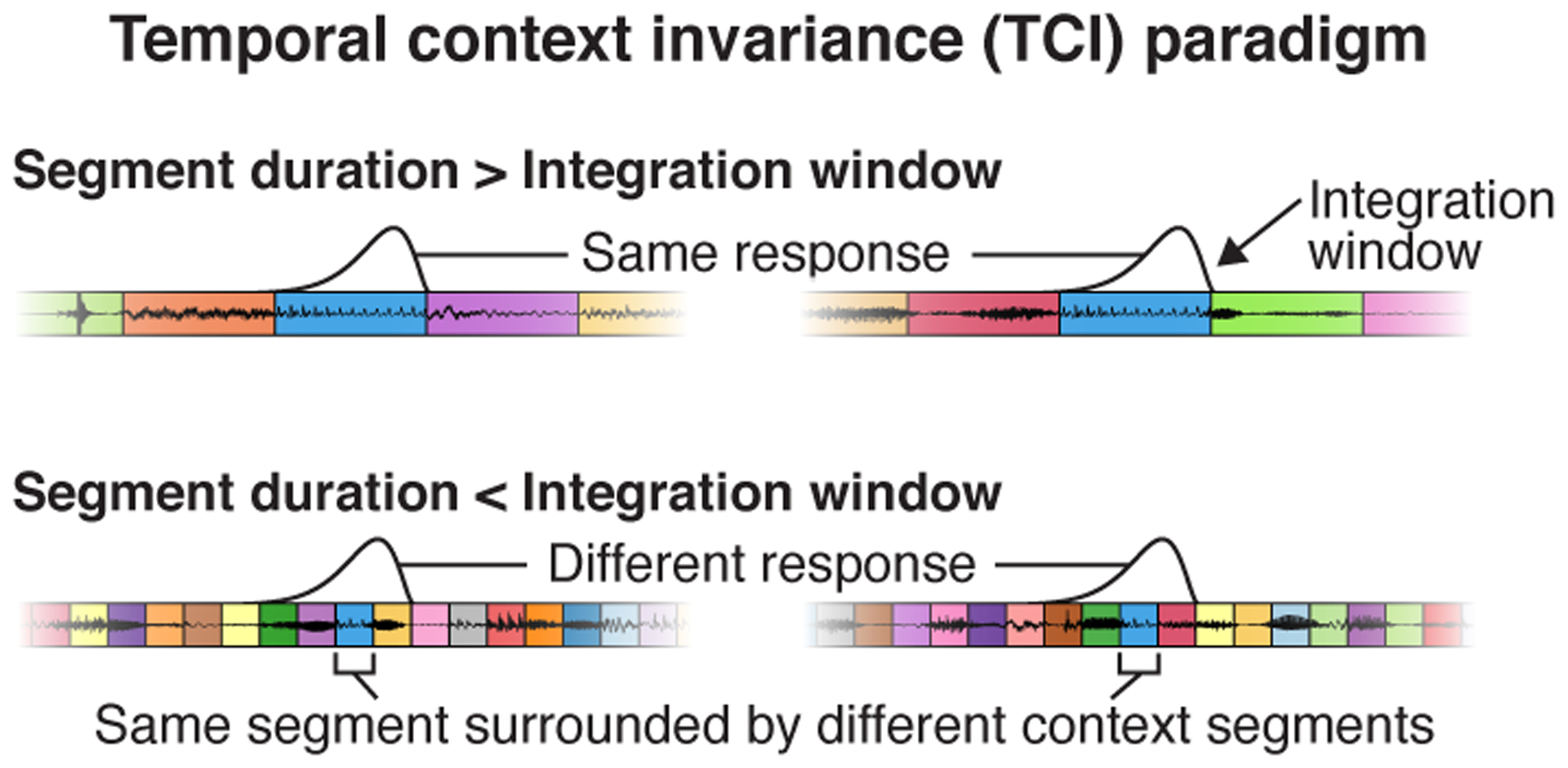
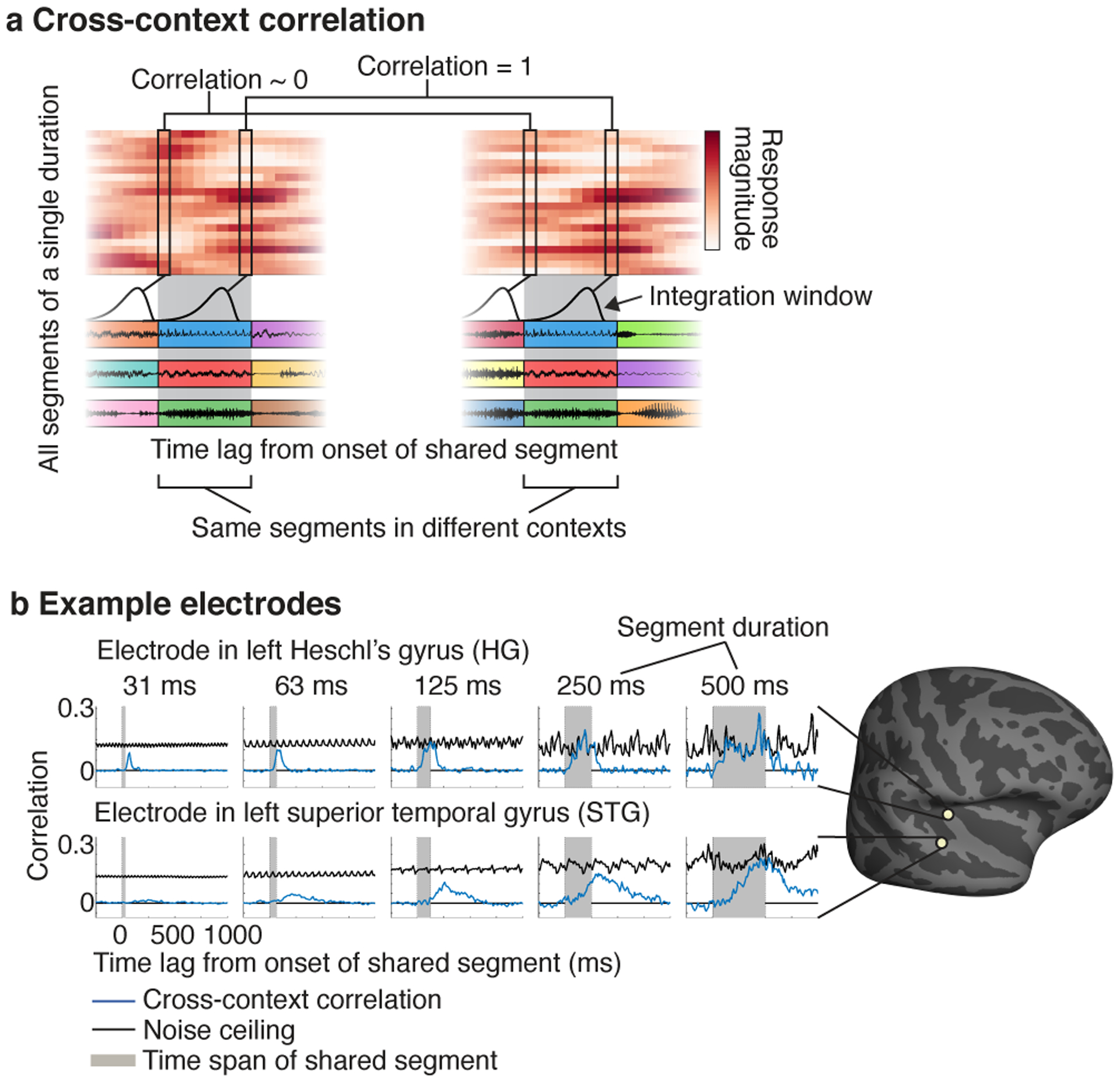
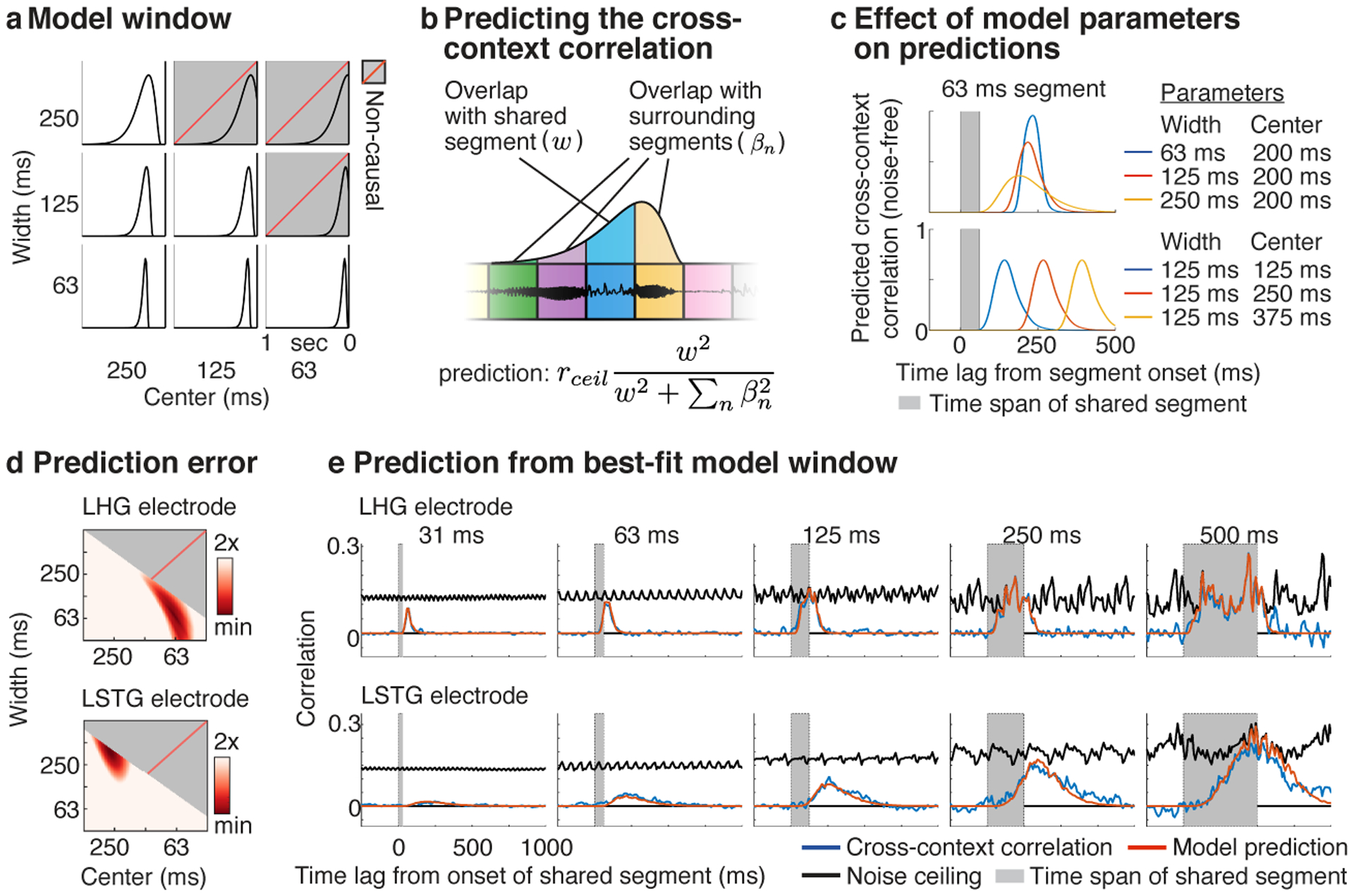
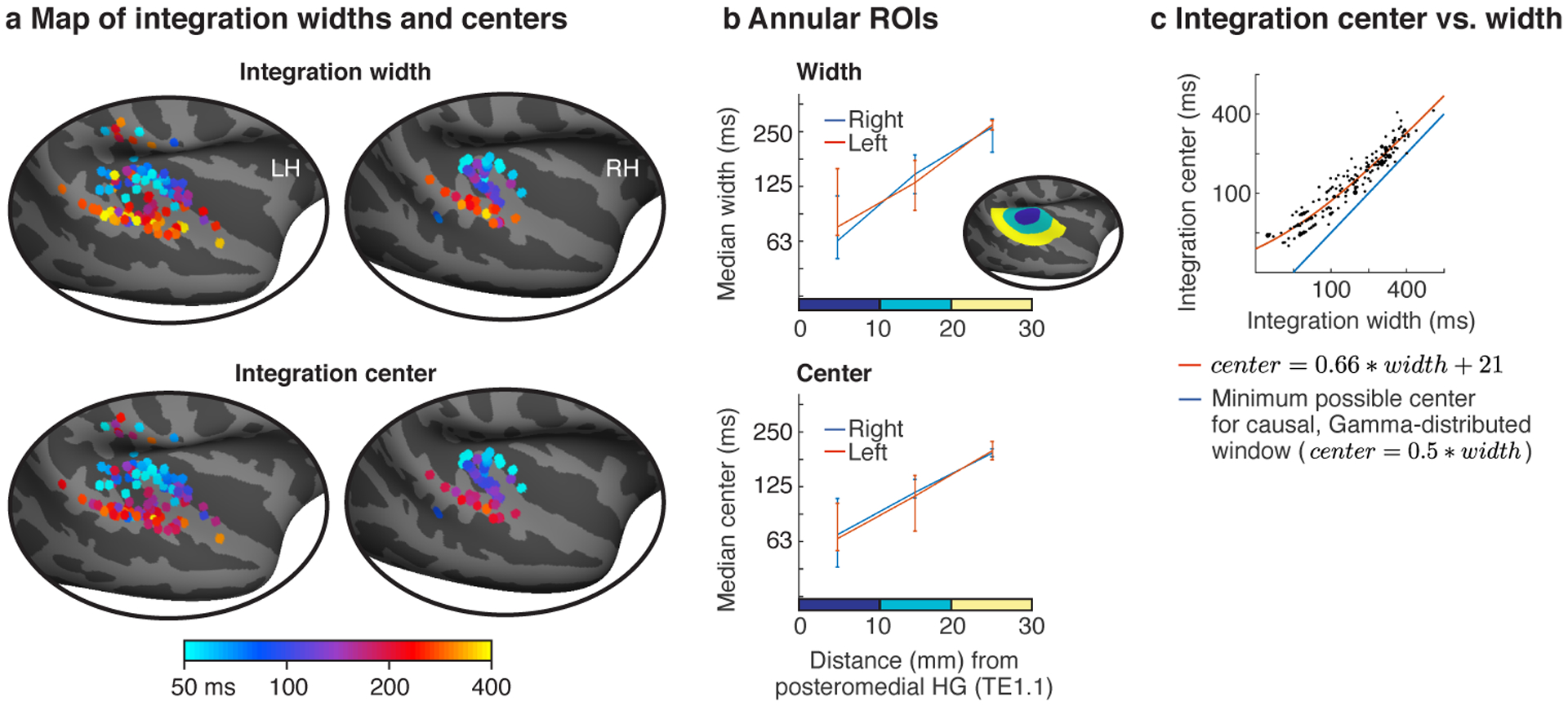
To derive meaning from sound, the brain must integrate information across many timescales. What computations underlie multiscale integration in human auditory cortex? Evidence suggests that auditory cortex analyses sound using both generic acoustic representations (for example, spectrotemporal modulation tuning) and category-specific computations, but the timescales over which these putatively distinct computations integrate remain unclear. To answer this question, we developed a general method to estimate sensory integration windows-the time window when stimuli alter the neural response-and applied our method to intracranial recordings from neurosurgical patients. We show that human auditory cortex integrates hierarchically across diverse timescales spanning from ~50 to 400 ms. Moreover, we find that neural populations with short and long integration windows exhibit distinct functional properties: short-integration electrodes (less than ~200 ms) show prominent spectrotemporal modulation selectivity, while long-integration electrodes (greater than ~200 ms) show prominent category selectivity. These findings reveal how multiscale integration organizes auditory computation in the human brain.
为了从声音中获取意义,大脑必须在多个时间尺度上整合信息。人类听觉皮层中多尺度整合的基础计算是什么?有证据表明,听觉皮层使用通用声学表征(例如,频谱时间调制调谐)和特定类别计算来分析声音,但这些假定不同的计算进行整合的时间尺度仍不清楚。为了回答这个问题,我们开发了一种通用方法来估计感觉整合窗口——刺激改变神经反应的时间窗口,并将我们的方法应用于神经外科患者的颅内记录。我们表明,人类听觉皮层在从约50到400毫秒的不同时间尺度上进行分层整合。此外,我们发现具有短和长整合窗口的神经群体表现出不同的功能特性:短整合电极(小于约200毫秒)表现出突出的频谱时间调制选择性,而长整合电极(大于约200毫秒)表现出突出的类别选择性。这些发现揭示了多尺度整合如何在人脑中组织听觉计算。