Department of Public Health, North South University, Dhaka, Bangladesh.
Public Health Professional Development Society (PPDS), Dhaka, Bangladesh.
PLoS One. 2022 Feb 11;17(2):e0262305. doi: 10.1371/journal.pone.0262305. eCollection 2022.
Widespread vaccination coverage is essential for reducing the COVID-19 havoc and regarded as a crucial tool in restoring normal life on university campuses. Therefore, our research aimed to understand the intention to be vaccinated for COVID-19 among Pakistani university students.
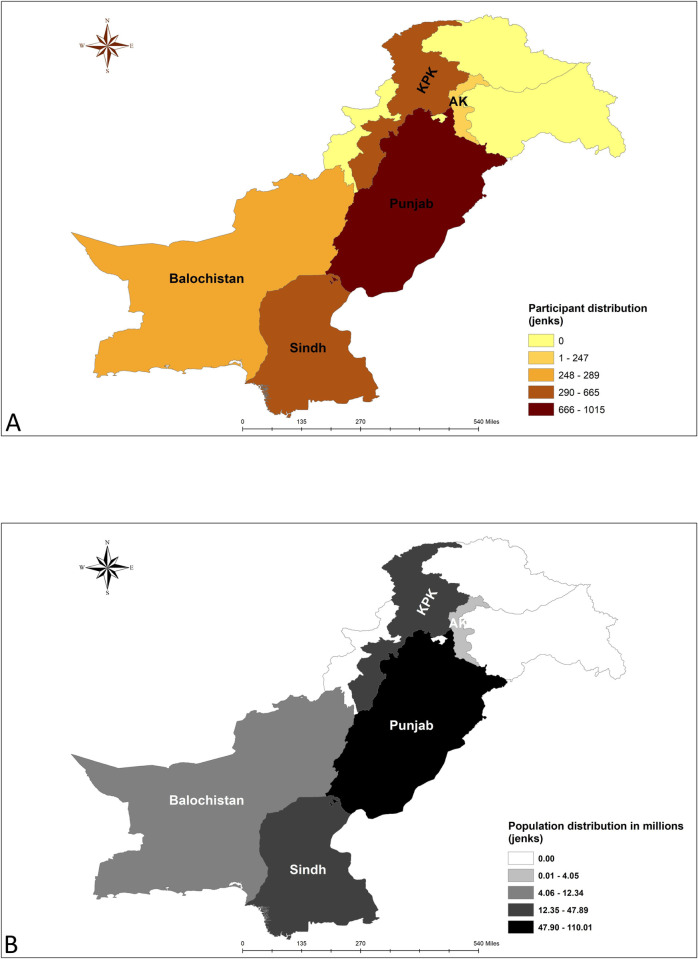
This cross-sectional study was conducted in five administrative units of Pakistan, i.e., Punjab, Sindh, Balochistan, Azad Jammu and Kashmir, and Khyber Pakhtunkhwa. We obtained data from 2,865 university students between 17th January and 2nd February, 2021, using a semi-structured and self-administered questionnaire. We used Stata (version 16.1, StataCorp LLC) for data management and analysis.
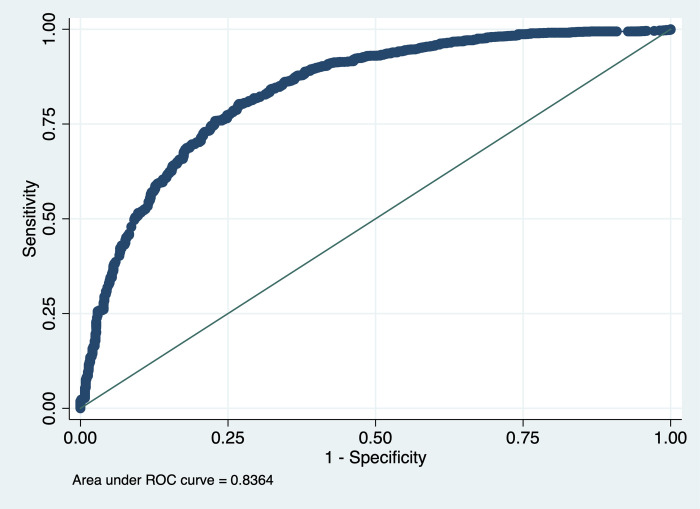
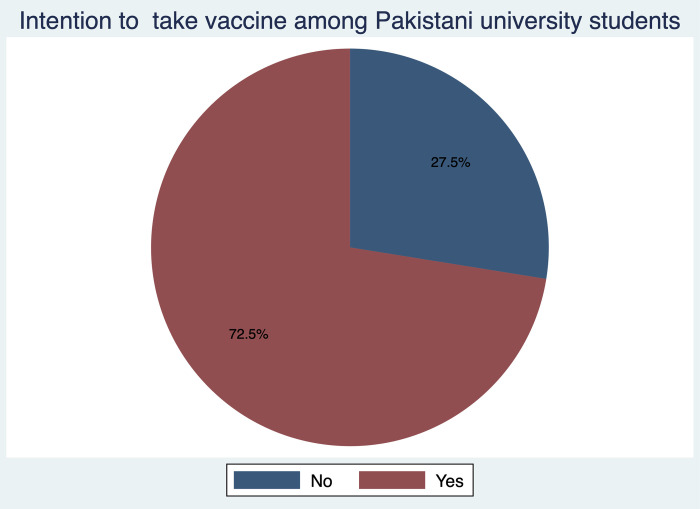
The majority (72.5%) of our respondents were willing to take COVID-19 vaccine. The current level of education had a statistically significant relationship with the intention to be vaccinated (p < 0.05). Respondents answered 11 questions encompassing five different domains of the Health Belief Model (HBM). All the items of HBM were significantly associated with the positive intention towards receiving the vaccine (p < 0.05). We conducted a multivariable logistic regression analysis to assess the relative contribution of different factors towards the intention to receive COVID-19 vaccine. Multiple factors such as belief that vaccination should be mandatory for everyone (AOR: 3.99, 95% CI: 3.20-4.98) and willingness to take vaccine even if it is not free (AOR: 3.91, 95% CI: 3.18-4.81) were observed to be associated with high odds of showing willingness to be vaccinated against COVID-19.
Most of our study participants intended to take vaccines based on their belief regarding the high effectiveness of COVID-19 vaccine. But as rumor-mongers are generating and spreading conspiracy theories daily, the health department and policymakers need to undertake evidence-based campaigns through electronic and social media to ensure expected countrywide vaccination coverage. In this case, our study findings can serve as a foundation for them to ensure mass vaccination coverage among university students, which is crucial now to reopen the dormitories and restore everyday life on campuses.
广泛的疫苗接种覆盖率对于减轻 COVID-19 的破坏至关重要,被视为恢复大学校园正常生活的重要工具。因此,我们的研究旨在了解巴基斯坦大学生对 COVID-19 疫苗接种的意愿。
本横断面研究在巴基斯坦的五个行政区(旁遮普省、信德省、俾路支省、自由克什米尔和开伯尔-普赫图赫瓦省)进行。我们于 2021 年 1 月 17 日至 2 月 2 日期间从 2865 名大学生那里获得了数据,使用半结构化和自我管理的问卷。我们使用 Stata(版本 16.1,StataCorp LLC)进行数据管理和分析。
我们的大多数受访者(72.5%)愿意接种 COVID-19 疫苗。当前的教育水平与接种意愿呈统计学显著关系(p<0.05)。受访者回答了涵盖健康信念模型(HBM)五个不同领域的 11 个问题。HBM 的所有项目均与接种疫苗的积极意愿显著相关(p<0.05)。我们进行了多变量逻辑回归分析,以评估不同因素对接受 COVID-19 疫苗的意愿的相对贡献。多项因素,如认为接种疫苗应该对每个人强制(OR:3.99,95%CI:3.20-4.98)和即使疫苗不免费也愿意接种(OR:3.91,95%CI:3.18-4.81),与接种 COVID-19 疫苗的高意愿相关。
我们的大多数研究参与者都基于对 COVID-19 疫苗高有效性的信念,打算接种疫苗。但是,由于造谣者每天都在制造和传播阴谋论,卫生部门和政策制定者需要通过电子和社交媒体开展基于证据的宣传活动,以确保预期的全国疫苗接种覆盖率。在这种情况下,我们的研究结果可以为他们提供基础,以确保在大学生中实现大规模疫苗接种,这对于现在重新开放宿舍和恢复校园日常生活至关重要。