Department of Physics and Astronomy, University of Maine, Orono, ME, USA.
Department of Molecular and Biomedical Sciences, University of Maine, Orono, ME, USA.
Toxicol Appl Pharmacol. 2022 Apr 1;440:115913. doi: 10.1016/j.taap.2022.115913. Epub 2022 Feb 9.
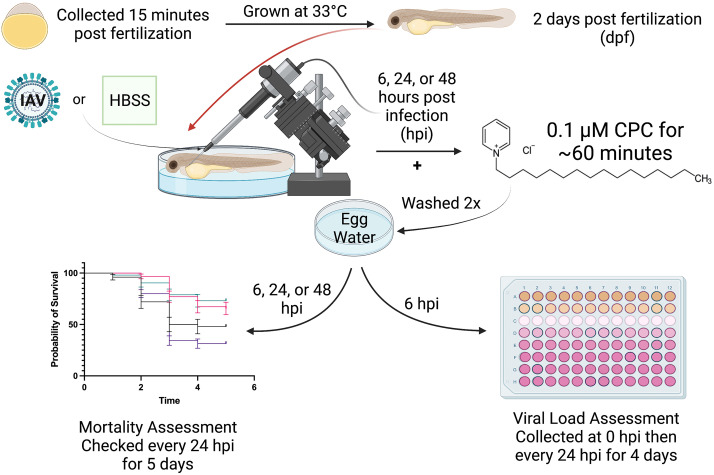
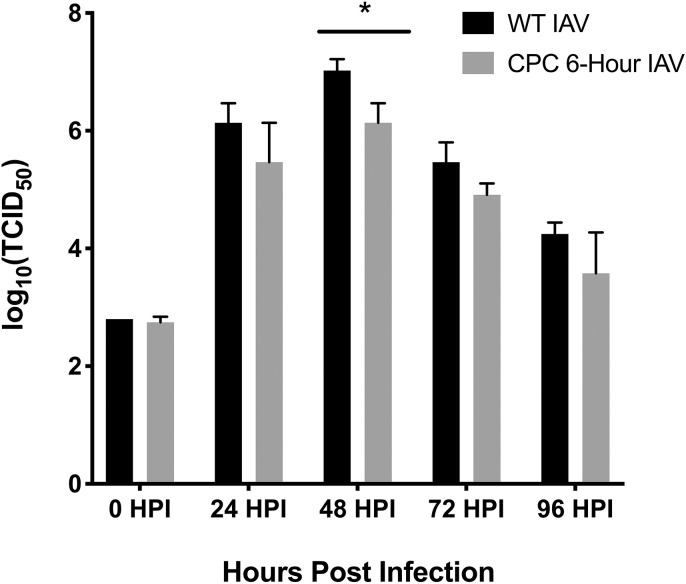
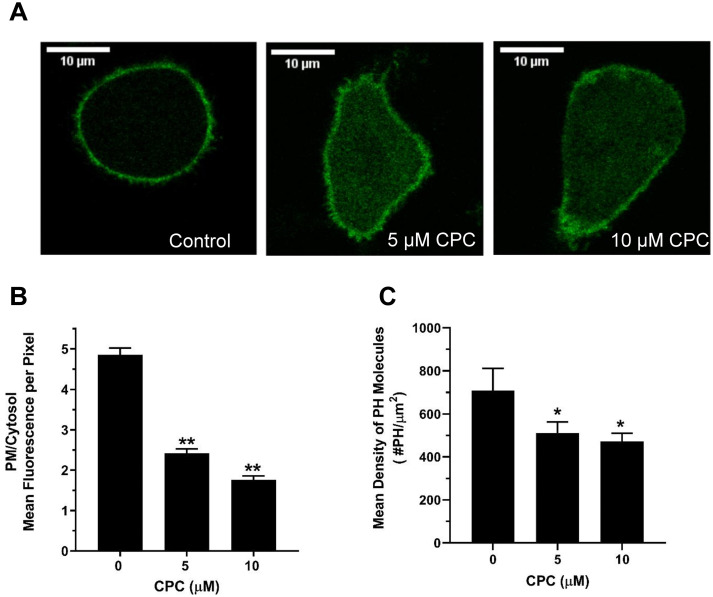
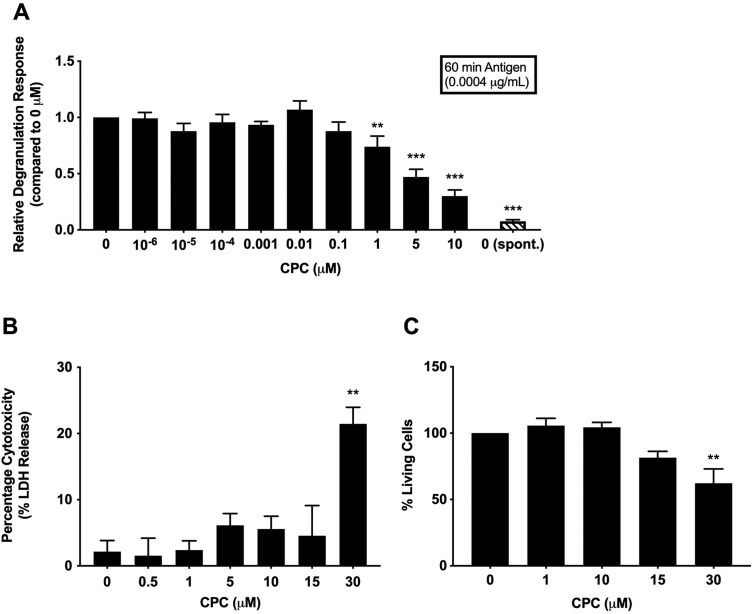
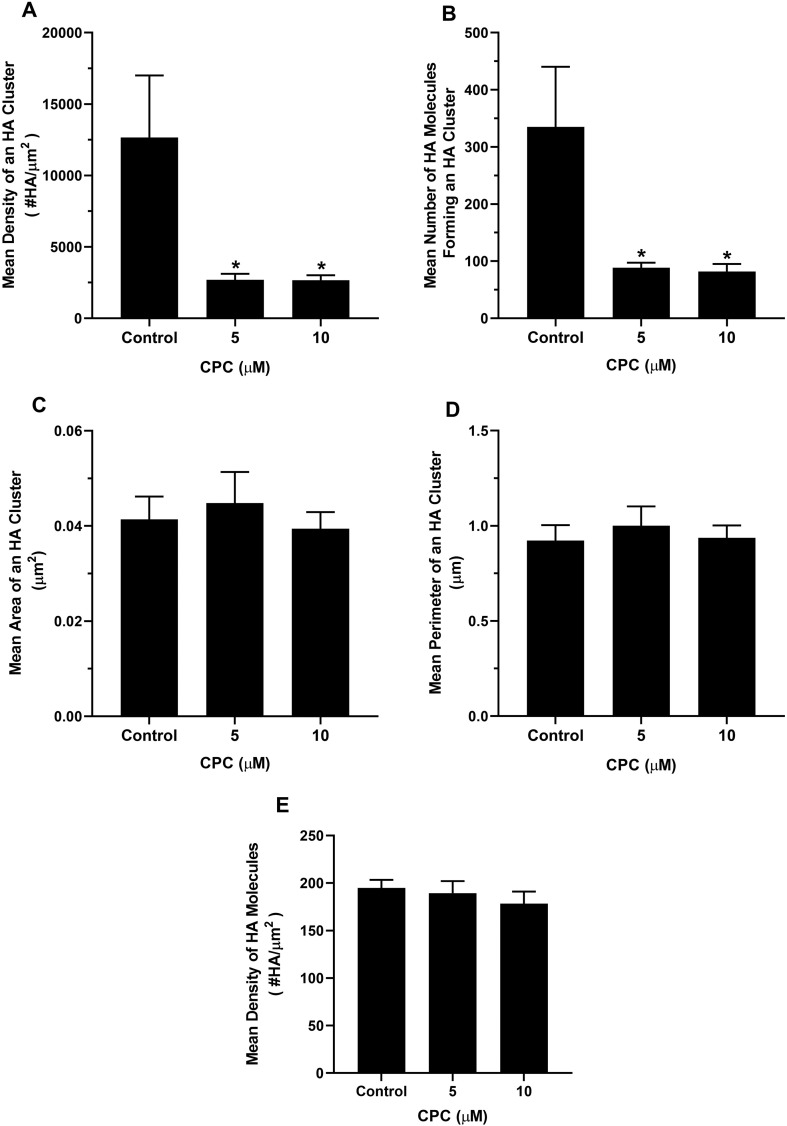
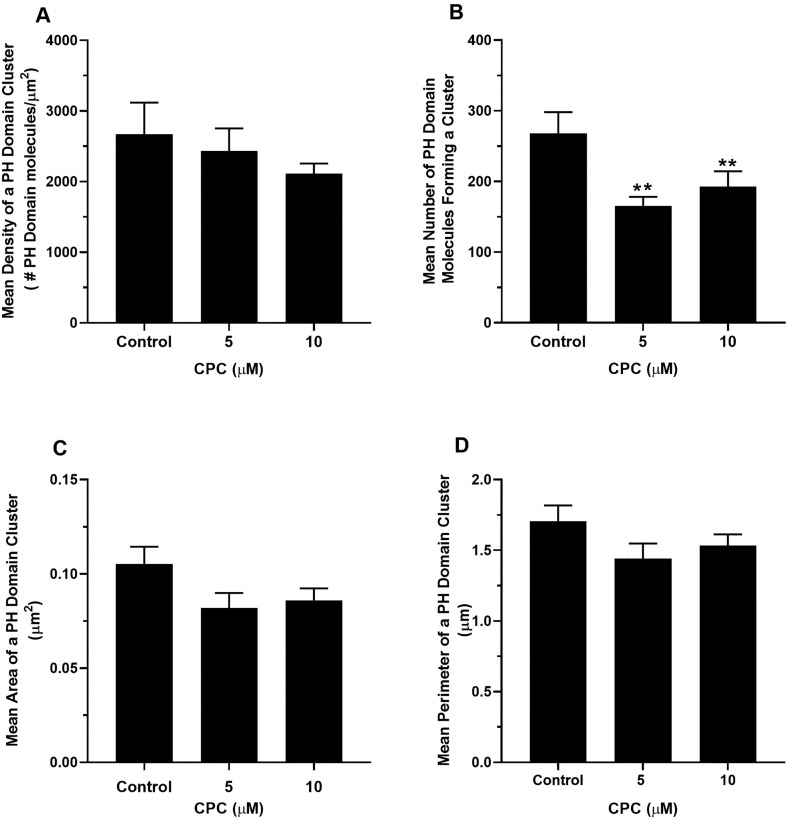
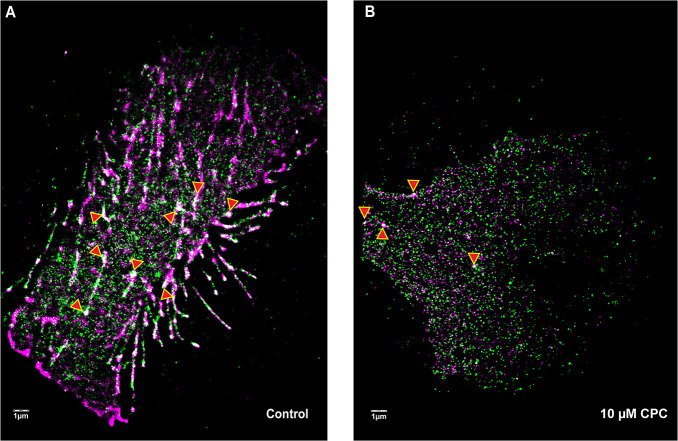
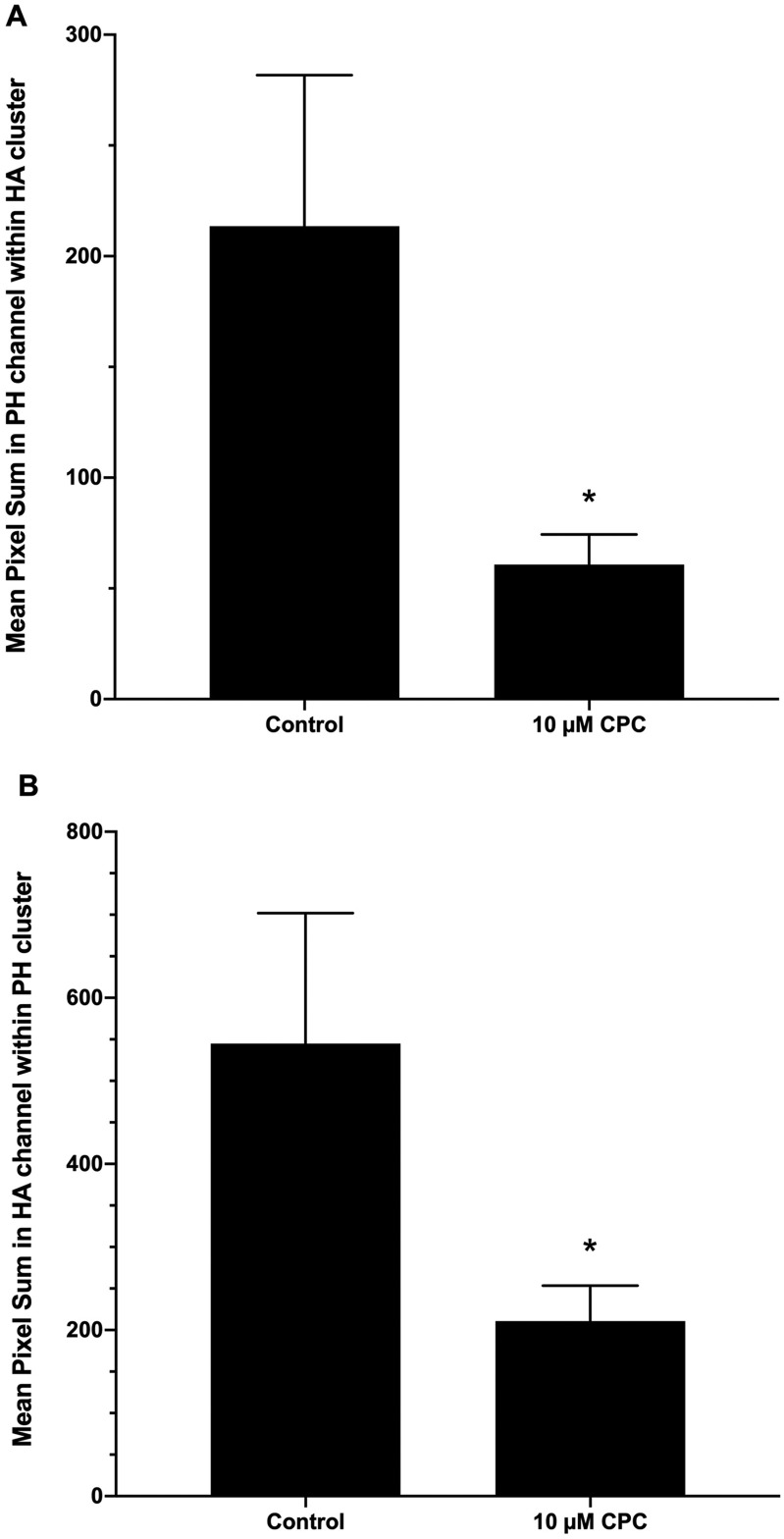
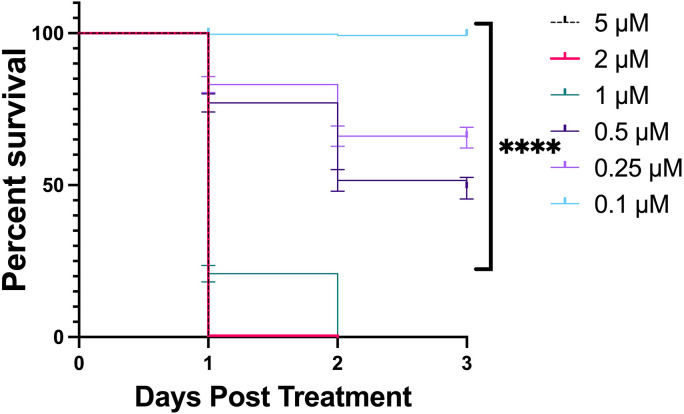
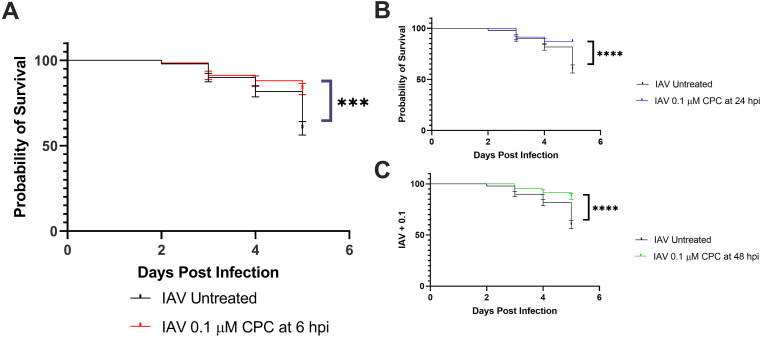
The COVID-19 pandemic raises significance for a potential influenza therapeutic compound, cetylpyridinium chloride (CPC), which has been extensively used in personal care products as a positively-charged quaternary ammonium antibacterial agent. CPC is currently in clinical trials to assess its effects on severe acute respiratory syndrome coronavirus 2 (SARS-CoV-2) morbidity. Two published studies have provided mouse and human data indicating that CPC may alleviate influenza infection, and here we show that CPC (0.1 μM, 1 h) reduces zebrafish mortality and viral load following influenza infection. However, CPC mechanisms of action upon viral-host cell interaction are currently unknown. We have utilized super-resolution fluorescence photoactivation localization microscopy to probe the mode of CPC action. Reduction in density of influenza viral protein hemagglutinin (HA) clusters is known to reduce influenza infectivity: here, we show that CPC (at non-cytotoxic doses, 5-10 μM) reduces HA density and number of HA molecules per cluster within the plasma membrane of NIH-3T3 mouse fibroblasts. HA is known to colocalize with the negatively-charged mammalian lipid phosphatidylinositol 4,5-bisphosphate (PIP); here, we show that nanoscale co-localization of HA with the PIP-binding Pleckstrin homology (PH) reporter in the plasma membrane is diminished by CPC. CPC also dramatically displaces the PIP-binding protein myristoylated alanine-rich C-kinase substrate (MARCKS) from the plasma membrane of rat RBL-2H3 mast cells; this disruption of PIP is correlated with inhibition of mast cell degranulation. Together, these findings offer a PIP-focused mechanism underlying CPC disruption of influenza and suggest potential pharmacological use of this drug as an influenza therapeutic to reduce global deaths from viral disease.
COVID-19 大流行凸显了一种潜在的流感治疗化合物——氯化十六烷基吡啶(CPC)的重要性,它作为一种带正电荷的季铵盐抗菌剂,已广泛应用于个人护理产品中。目前正在进行临床试验,以评估 CPC 对严重急性呼吸综合征冠状病毒 2(SARS-CoV-2)发病率的影响。两项已发表的研究提供了小鼠和人类数据,表明 CPC 可能减轻流感感染,而在这里我们证明 CPC(0.1μM,1 小时)可降低流感感染后的斑马鱼死亡率和病毒载量。然而,CPC 对病毒-宿主细胞相互作用的作用机制目前尚不清楚。我们利用超分辨率荧光光激活定位显微镜来探测 CPC 的作用模式。已知降低流感病毒蛋白血凝素(HA)簇的密度会降低流感的感染力:在这里,我们表明 CPC(在非细胞毒性剂量 5-10μM 时)可降低 HA 密度和每个质膜中 HA 分子的数量HA 已知与带负电荷的哺乳动物脂质磷脂酰肌醇 4,5-二磷酸(PIP)共定位;在这里,我们表明 HA 与质膜中 PIP 结合的 Pleckstrin 同源(PH)报告蛋白的纳米级共定位被 CPC 减弱。CPC 还可显著将 PIP 结合蛋白豆蔻酰化丙氨酸丰富的 C 激酶底物(MARCKS)从大鼠 RBL-2H3 肥大细胞的质膜中置换出来;这种 PIP 的破坏与肥大细胞脱粒的抑制相关。这些发现共同提供了 CPC 破坏流感的 PIP 为重点的机制,并表明该药物作为流感治疗药物的潜在药理学用途,以减少病毒性疾病导致的全球死亡人数。