Connaughton Michael, Whelan Robert, O'Hanlon Erik, McGrath Jane
Dept of Psychiatry, School of Medicine, Trinity College Dublin, Ireland.
Dept of Psychiatry, School of Medicine, Trinity College Dublin, Ireland; School of Psychology, Trinity Dublin, Ireland.
Neuroimage Clin. 2022;33:102957. doi: 10.1016/j.nicl.2022.102957. Epub 2022 Feb 7.
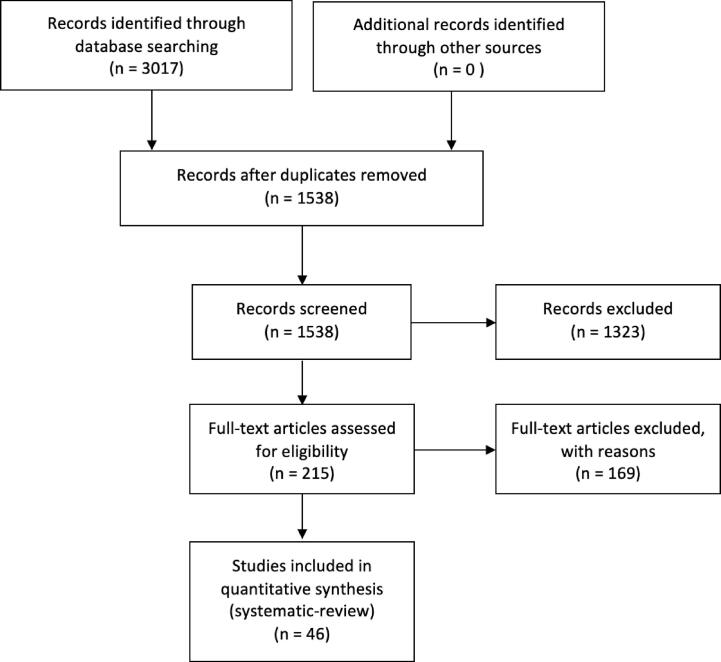
Attention deficit hyperactivity disorder (ADHD) is a common neurodevelopmental disorder. Advances in diffusion magnetic resonance imaging (MRI) acquisition sequences and analytic techniques have led to growing body of evidence that abnormal white matter microstructure is a core pathophysiological feature of ADHD. This systematic review provides a qualitative assessment of research investigating microstructural organisation of white matter amongst children and adolescents with ADHD. This review included 46 studies in total, encompassing multiple diffusion MRI imaging techniques and analytic approaches, including whole-brain, region of interest and connectomic analyses. Whole-brain and region of interest analyses described atypical organisation of white matter microstructure in several white matter tracts: most notably in frontostriatal tracts, corpus callosum, superior longitudinal fasciculus, cingulum bundle, thalamic radiations, internal capsule and corona radiata. Connectomic analyses, including graph theory approaches, demonstrated global underconnectivity in connections between functionally specialised networks. Although some studies reported significant correlations between atypical white matter microstructure and ADHD symptoms or other behavioural measures there was no clear pattern of results. Interestingly however, many of the findings of disrupted white matter microstructure were in neural networks associated with key neuropsychological functions that are atypical in ADHD. Limitations to the extant research are outlined in this review and future studies in this area should carefully consider factors such as sample size, sex balance, head motion and medication status.
注意缺陷多动障碍(ADHD)是一种常见的神经发育障碍。扩散磁共振成像(MRI)采集序列和分析技术的进步使得越来越多的证据表明,白质微观结构异常是ADHD的核心病理生理特征。本系统综述对研究ADHD儿童和青少年白质微观结构组织的研究进行了定性评估。本综述共纳入46项研究,涵盖多种扩散MRI成像技术和分析方法,包括全脑、感兴趣区域和连接组分析。全脑和感兴趣区域分析描述了几个白质束中白质微观结构的非典型组织:最显著的是额纹状体束、胼胝体、上纵束、扣带束、丘脑辐射、内囊和放射冠。包括图论方法在内的连接组分析表明,功能专门化网络之间的连接存在整体连接不足。尽管一些研究报告了非典型白质微观结构与ADHD症状或其他行为指标之间存在显著相关性,但结果没有明确的模式。然而,有趣的是,许多关于白质微观结构破坏的研究结果都出现在与ADHD中典型的关键神经心理功能相关的神经网络中。本综述概述了现有研究的局限性,该领域未来的研究应仔细考虑样本量、性别平衡、头部运动和用药状况等因素。