Department of Ophthalmology, The First Affiliated Hospital of Nanchang University, Jiangxi Center of National Ocular Disease Clinical Research Center, Nanchang, 330006 Jiangxi, China.
Dis Markers. 2022 Feb 3;2022:7231046. doi: 10.1155/2022/7231046. eCollection 2022.
Diabetic retinopathy (DR) is a serious ophthalmopathy that causes blindness, especially in the proliferative stage. However, the pathogenesis of its effect on endothelial cells, especially its relationship with immune cell infiltration, remains unclear.
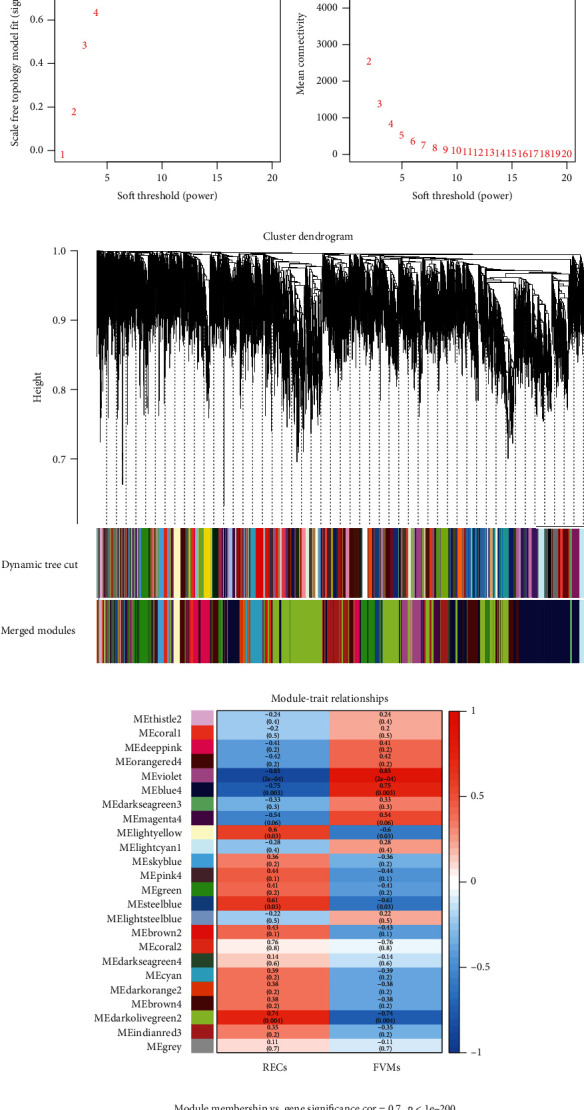
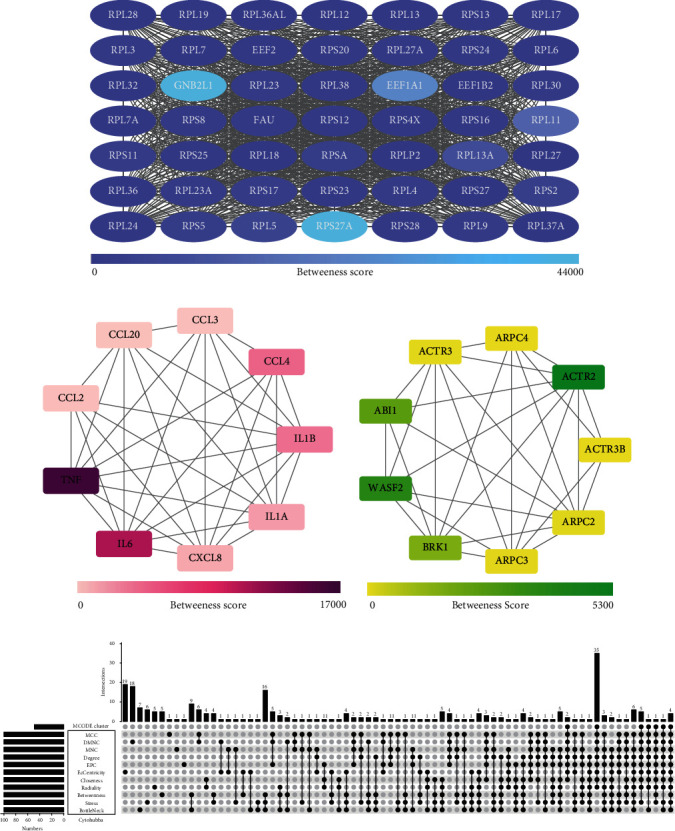
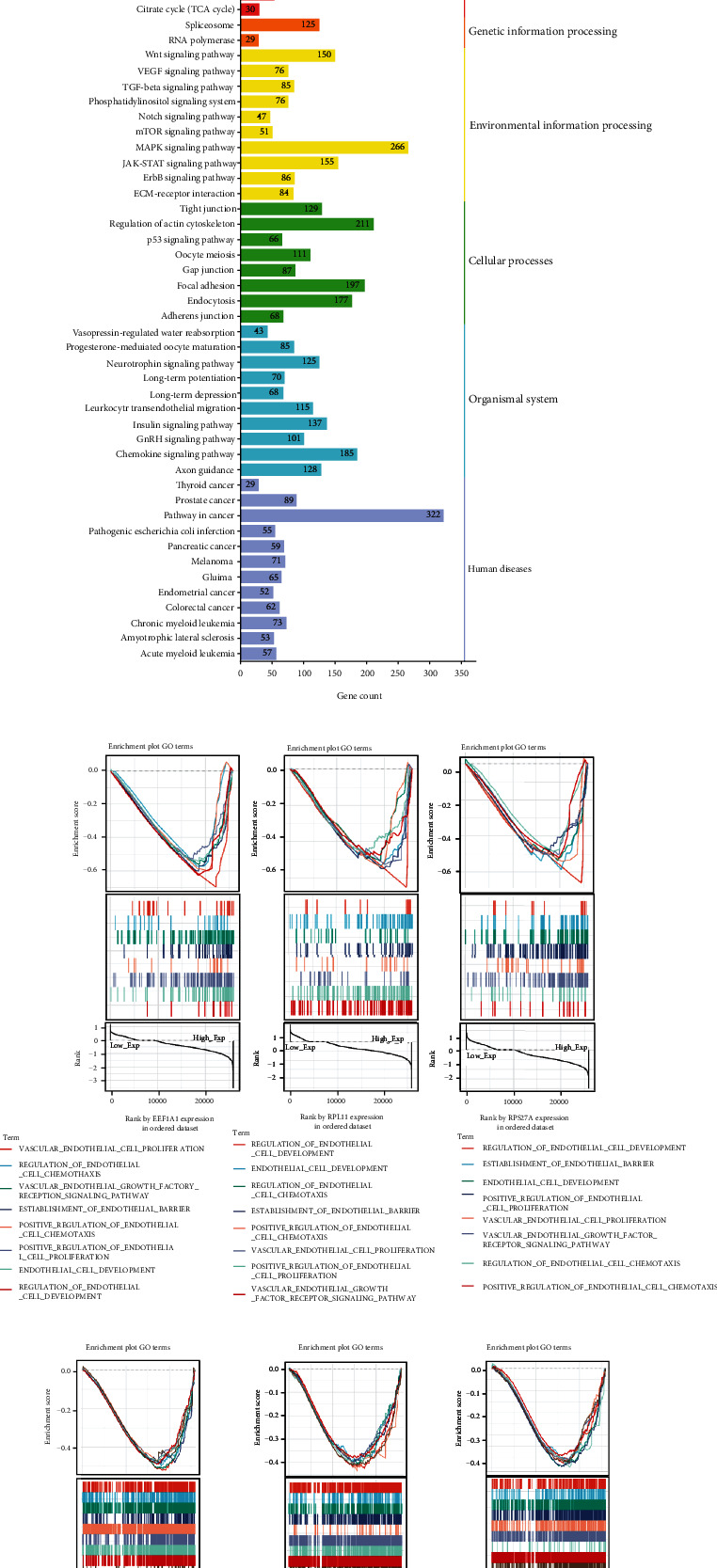
The dataset GSE94019 was downloaded from the Gene Expression Omnibus (GEO) database to obtain DEGs. Through aggregate analyses such as Gene Ontology (GO) and Kyoto Encyclopedia of Gene and Genome (KEGG) pathway enrichment analysis, a protein-protein interaction (PPI) network was constructed to analyze the potential function of DEGs. Weighted gene coexpression network analysis (WGCNA) and Cytoscape software including molecular complex detection (MCODE) and cytoHubba plug-ins were used to comprehensively analyze and determine the hub genes. ImmuCellAI analysis was performed to further study the relationship between samples, hub genes, and 24 types of immune cell infiltration. Finally, gene-set enrichment analysis (GSEA) was employed to identify the enrichment of immune cell infiltration and endothelial cell phenotype modifications in GO biological processes (BP) based on the expression level of hub genes.
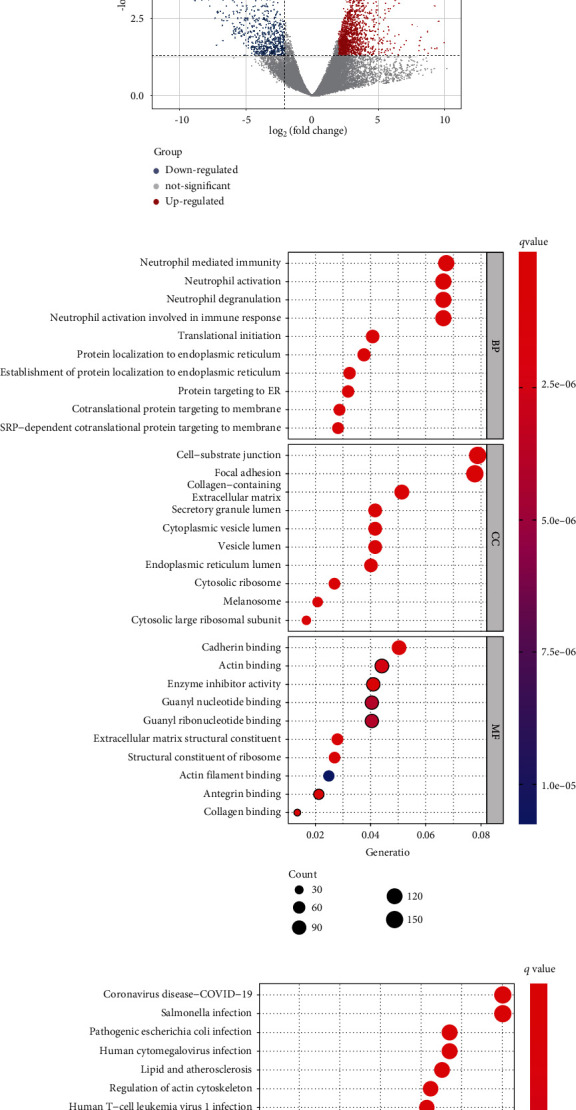
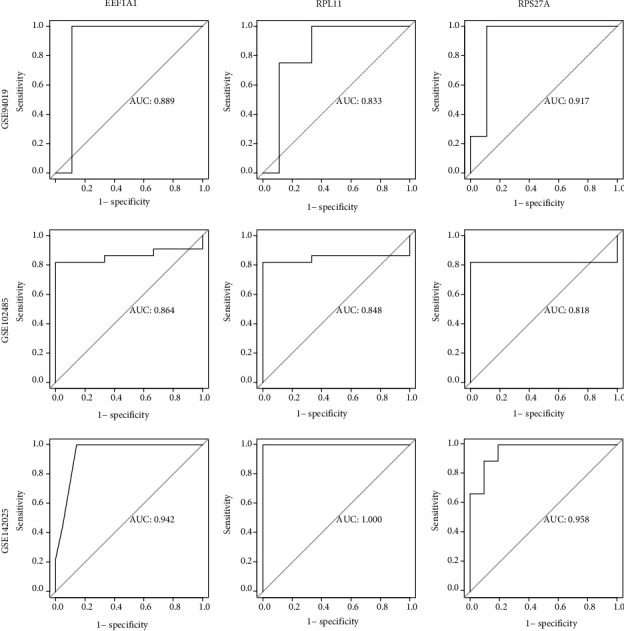
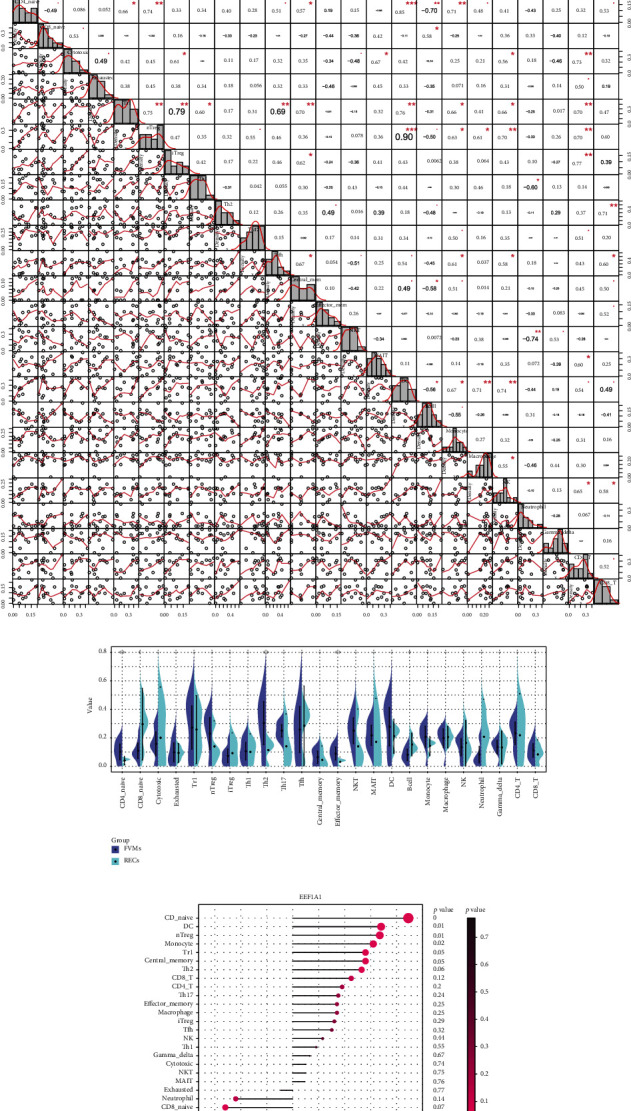
2393 DEGs were identified, of which 800 genes were downregulated, and 1593 genes were upregulated. The results of functional enrichment revealed that 1398 BP terms were significantly enriched in DEGs. Three hub genes, EEF1A1, RPL11, and RPS27A, which were identified by conjoint analysis using WGCNA and Cytoscape software, were positively correlated with the number of CD4 naive T cells and negatively correlated with the numbers of B cells. The number of CD4 naive T cells, T helper 2 (Th2) cells, and effector memory T (Tem) cells were significantly higher while CD8 naive T cells and B cells significantly were lower in the diabetic group than in the nondiabetic group.
We unearthed the DEGs and Hub genes of endothelial cells related to the pathogenesis of PDR: EEF1A1, RPL11, and RPS27A, which are highly related to each other and participate in the specific biological process of inflammation-related immune cell infiltration and endothelial cell development, chemotaxis, and proliferation, thus providing new perspectives into the diagnosis of and potential "killing two birds with one stone" targeted therapy for PDR.
糖尿病视网膜病变(DR)是一种严重的眼病,可导致失明,尤其是在增殖期。然而,其对内皮细胞的作用机制,尤其是与免疫细胞浸润的关系仍不清楚。
从基因表达综合数据库(GEO)中下载数据集 GSE94019,以获取差异表达基因(DEGs)。通过基因本体论(GO)和京都基因与基因组百科全书(KEGG)通路富集分析等综合分析,构建蛋白-蛋白相互作用(PPI)网络,以分析 DEGs 的潜在功能。采用加权基因共表达网络分析(WGCNA)和 Cytoscape 软件,包括分子复合物检测(MCODE)和 cytoHubba 插件,对差异表达基因进行综合分析和确定关键基因。通过 ImmuCellAI 分析进一步研究样本、关键基因与 24 种免疫细胞浸润之间的关系。最后,基于关键基因的表达水平进行基因集富集分析(GSEA),以鉴定 GO 生物过程(BP)中免疫细胞浸润和内皮细胞表型修饰的富集情况。
鉴定出 2393 个 DEGs,其中 800 个基因下调,1593 个基因上调。功能富集结果表明,DEGs 显著富集了 1398 个 BP 术语。通过 WGCNA 和 Cytoscape 软件联合分析,确定了三个关键基因,EEF1A1、RPL11 和 RPS27A,它们与 CD4 初始 T 细胞的数量呈正相关,与 B 细胞的数量呈负相关。与非糖尿病组相比,糖尿病组的 CD4 初始 T 细胞、辅助性 T 细胞 2(Th2)细胞和效应记忆 T(Tem)细胞数量显著升高,而 CD8 初始 T 细胞和 B 细胞数量显著降低。
本研究揭示了与 PDR 发病机制相关的内皮细胞差异表达基因和关键基因:EEF1A1、RPL11 和 RPS27A,它们之间高度相关,参与与炎症相关的免疫细胞浸润和内皮细胞发育、趋化和增殖等特定的生物学过程,为 PDR 的诊断和潜在的“一石二鸟”靶向治疗提供了新的视角。