Ruankham Waralee, Suwanjang Wilasinee, Phopin Kamonrat, Songtawee Napat, Prachayasittikul Virapong, Prachayasittikul Supaluk
Faculty of Medical Technology, Center for Research and Innovation, Mahidol University, Bangkok, Thailand.
Department of Clinical Microbiology and Applied Technology, Faculty of Medical Technology, Mahidol University, Bangkok, Thailand.
Front Nutr. 2022 Jan 28;8:714463. doi: 10.3389/fnut.2021.714463. eCollection 2021.
alpha-Mangostin, a polyphenolic xanthone, is primarily found in the pericarp of mangosteen throughout Southeast Asia and is considered as the "Queen of Fruit" in Thailand. Nonetheless, it is not clarified how alpha-mangostin protects neuronal cells against oxidative stress.
In this study, molecular mechanisms underlying the neuroprotective effect of alpha-mangostin in defending hydrogen peroxide (HO)-induced neurotoxicity was explored.
cytotoxicity, reactive oxygen species (ROS) generation, apoptotic cascades, and protein expression profiles were performed incorporation of molecular docking.
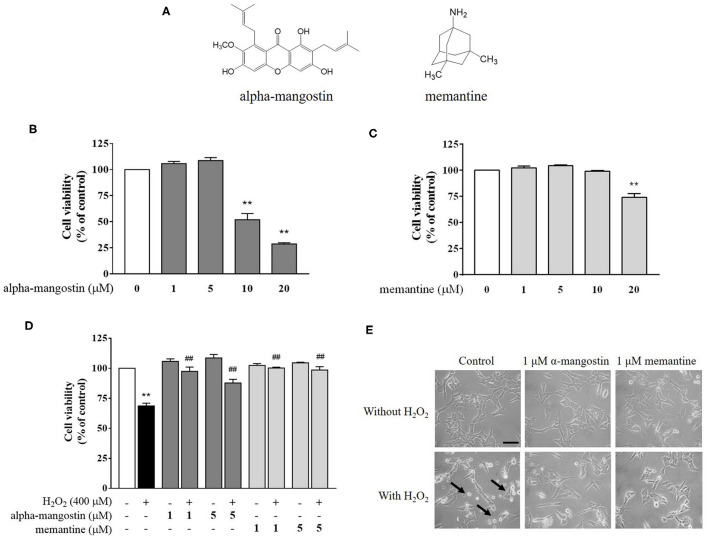
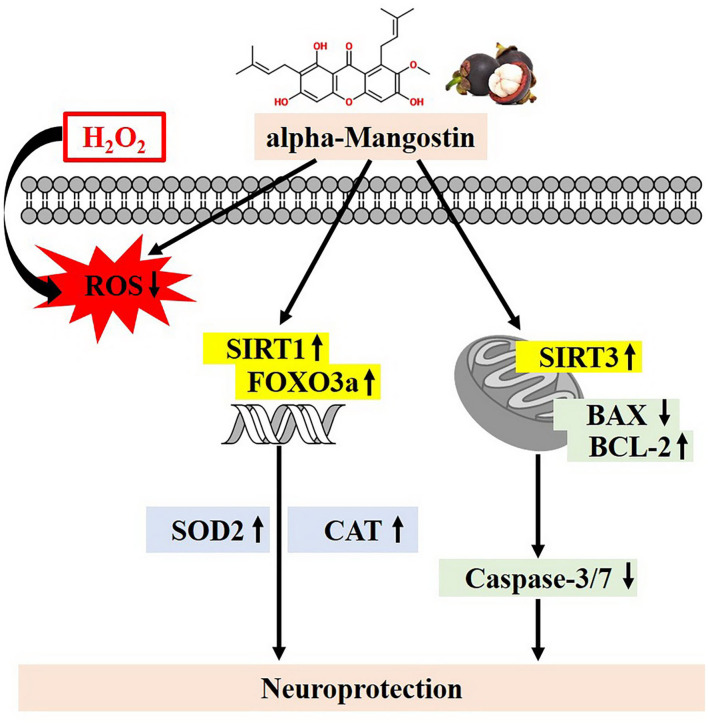
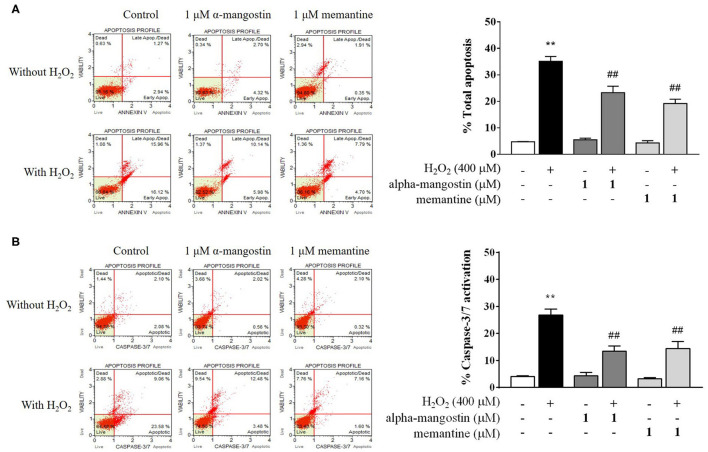
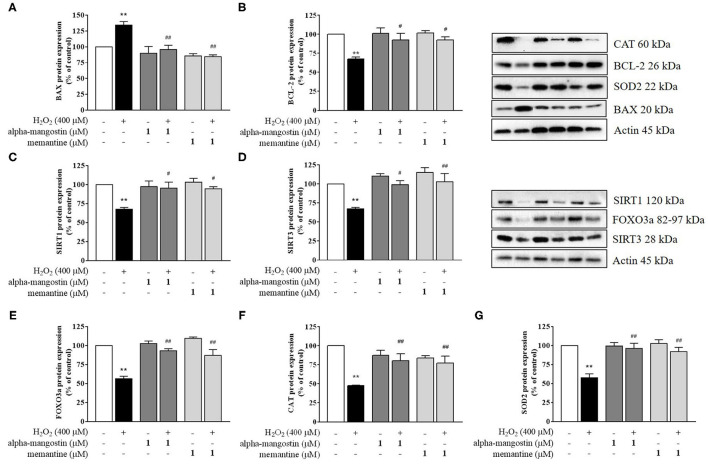
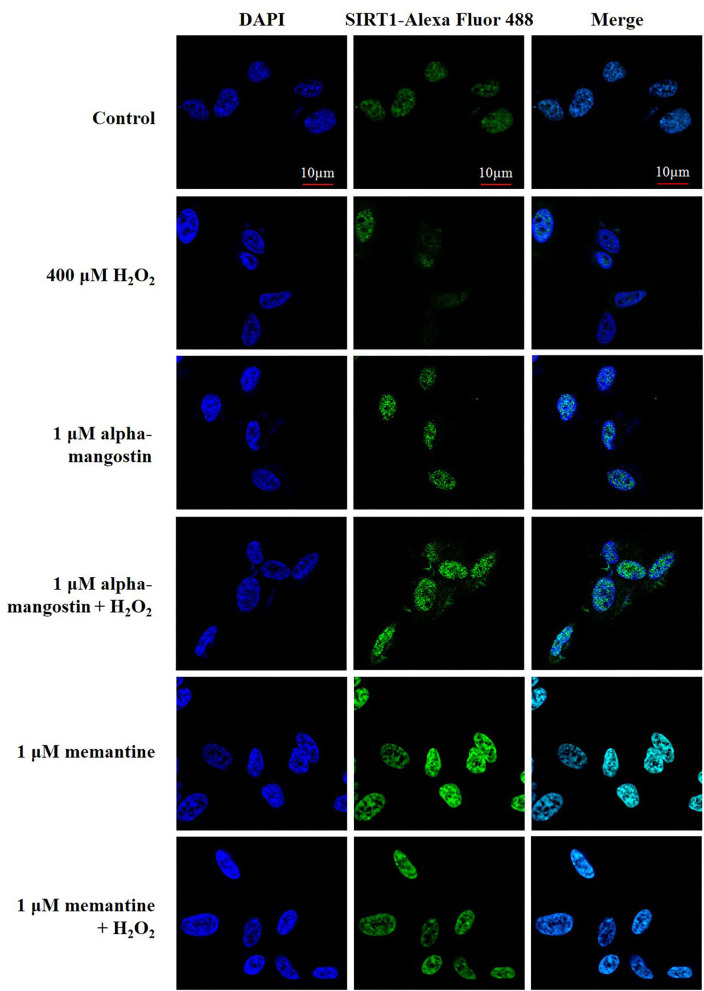
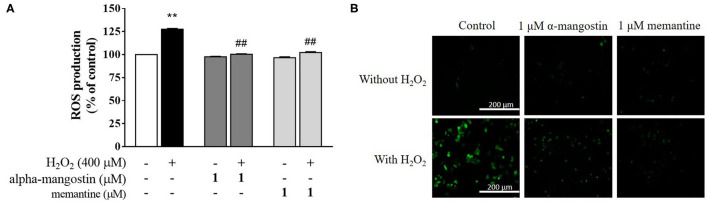
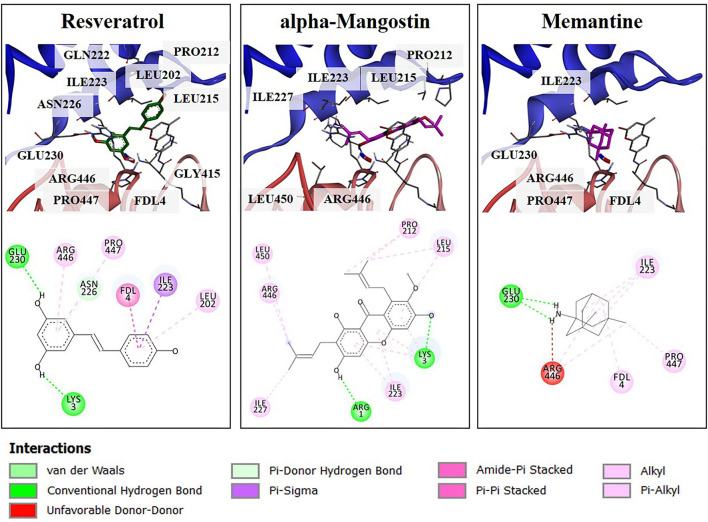
Human SH-SY5Y cells were pretreated with 1 μM alpha-mangostin for 3 h prior to exposure to 400 μM HO. alpha-Mangostin significantly inhibited oxidative stress-induced cell death in neuronal cells by reducing BAX protein, decreasing caspase-3/7 activation, and increasing anti-apoptotic BCL-2 protein. Collectively, alpha-mangostin was demonstrated to be a prominent ROS suppressor which reversed the reduction of antioxidant enzymes (CAT and SOD2). Surprisingly, alpha-mangostin significantly promoted the expression of the sirtuin family and the FOXO3a transcription factor exerting beneficial effects on cell survival and longevity. A molecular docking study predicted that alpha-mangostin is directly bound to the active site of SIRT1.
Findings from this study suggest that alpha-mangostin potentially serves as a promising therapeutic compound against oxidative stress by activation of the SIRT1/3-FOXO3a pathway comparable to the effect of memantine, an anti-AD drug used for the treatment of moderate to severe dementia.
α-山竹黄酮是一种多酚类氧杂蒽酮,主要存在于东南亚山竹的果皮中,在泰国被视为“水果之王”。然而,目前尚不清楚α-山竹黄酮如何保护神经元细胞免受氧化应激的影响。
本研究探讨了α-山竹黄酮在防御过氧化氢(H₂O₂)诱导的神经毒性中的神经保护作用的分子机制。
结合分子对接技术进行细胞毒性、活性氧(ROS)生成、凋亡级联反应和蛋白质表达谱分析。
在暴露于400μM H₂O₂之前,用1μM α-山竹黄酮预处理人SH-SY5Y细胞3小时。α-山竹黄酮通过降低BAX蛋白、减少caspase-3/7激活和增加抗凋亡BCL-2蛋白,显著抑制氧化应激诱导的神经元细胞死亡。总的来说,α-山竹黄酮被证明是一种显著的ROS抑制剂,它逆转了抗氧化酶(CAT和SOD2)的减少。令人惊讶的是,α-山竹黄酮显著促进了沉默调节蛋白家族和FOXO3a转录因子的表达,对细胞存活和寿命产生有益影响。分子对接研究预测α-山竹黄酮直接与SIRT1的活性位点结合。
本研究结果表明,α-山竹黄酮可能通过激活SIRT1/3-FOXO3a途径,作为一种有前景的抗氧化应激治疗化合物,其效果与用于治疗中度至重度痴呆的抗AD药物美金刚相当。