Department of Orthopedic Surgery, Kanazawa Medical University, Kahoku 920-0293, Ishikawa, Japan.
Medical Research Institute, Kanazawa Medical University, Kahoku 920-0293, Ishikawa, Japan.
Cells. 2022 Jan 20;11(3):337. doi: 10.3390/cells11030337.
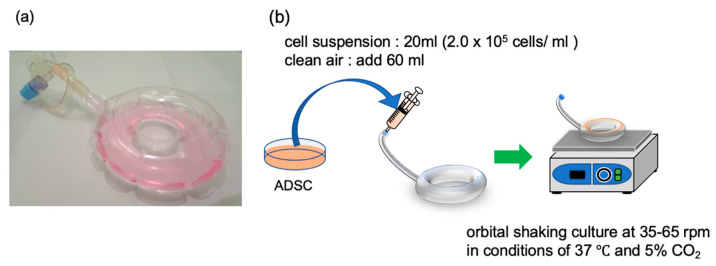
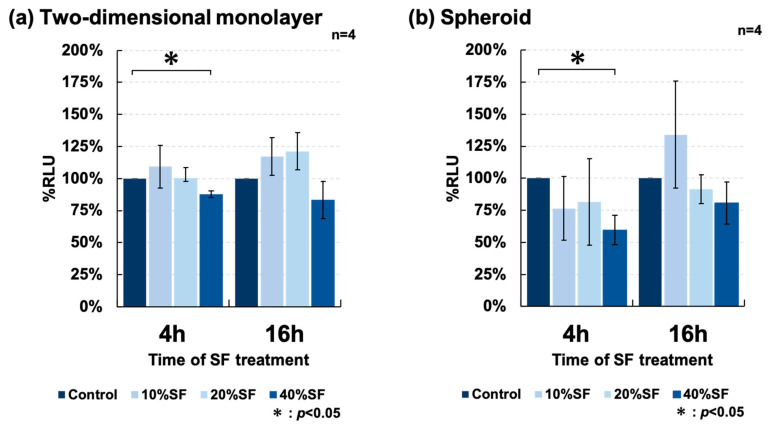
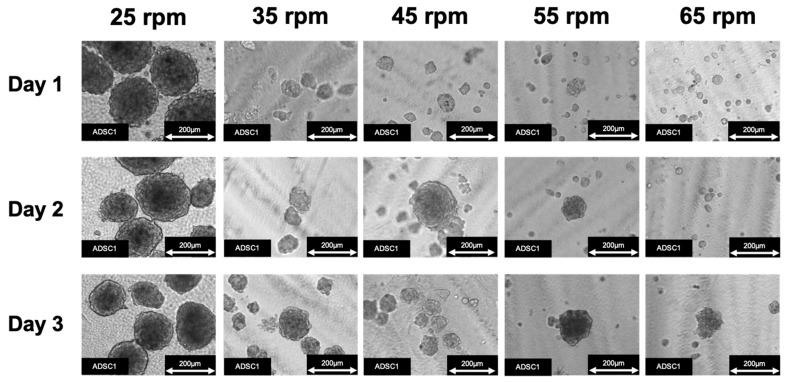
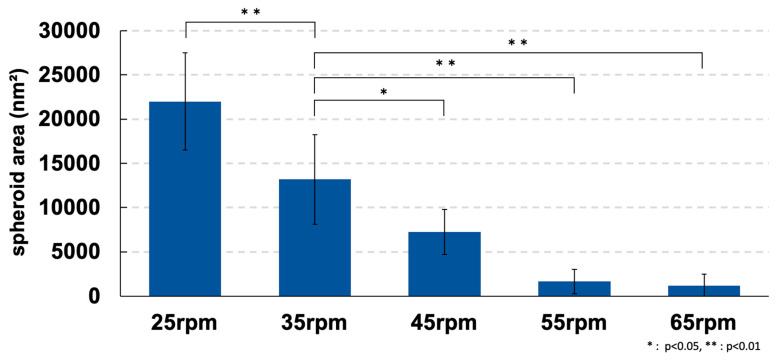
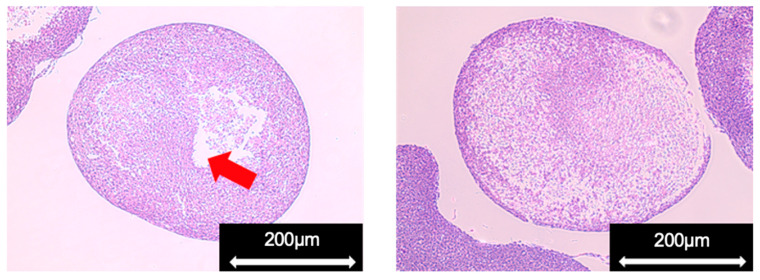
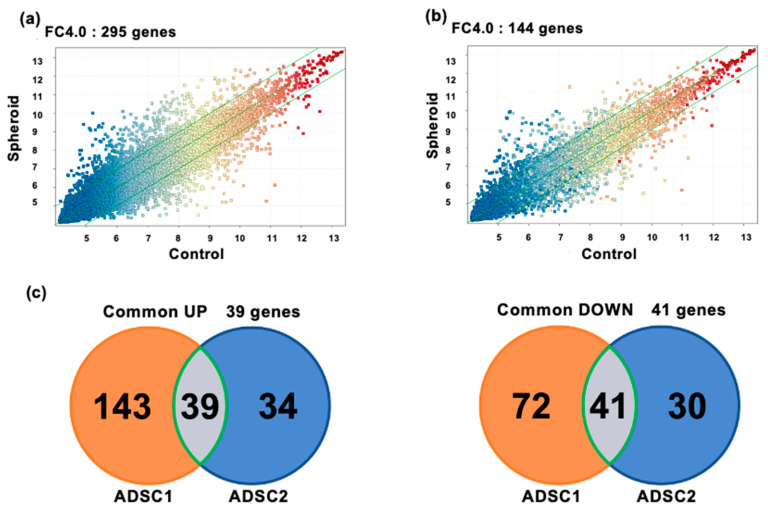
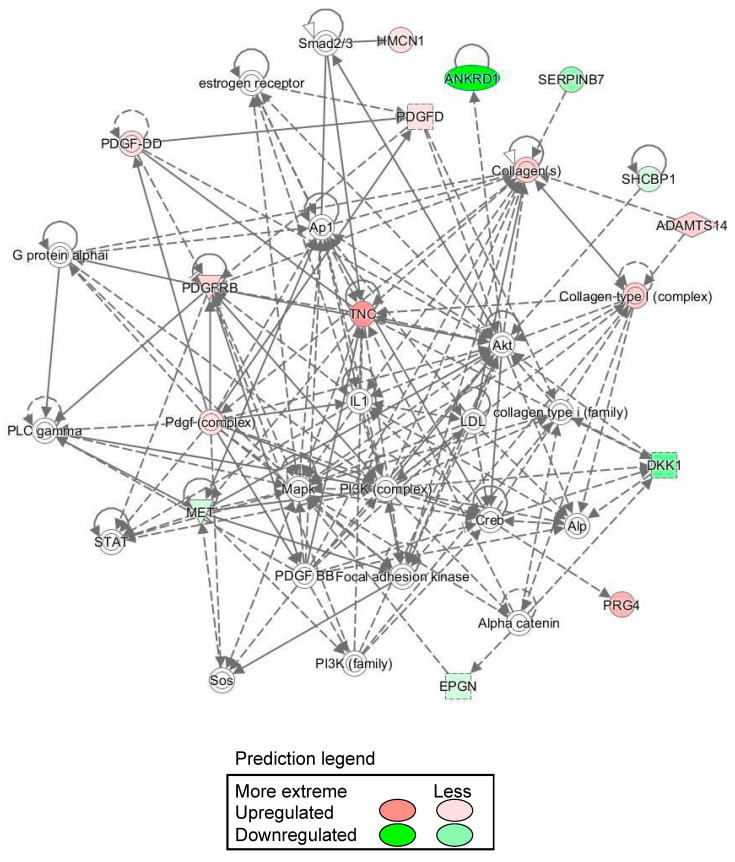
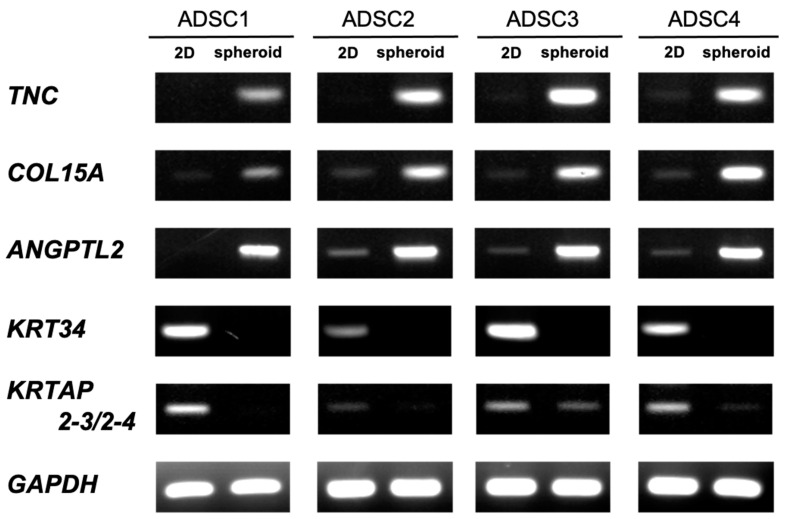
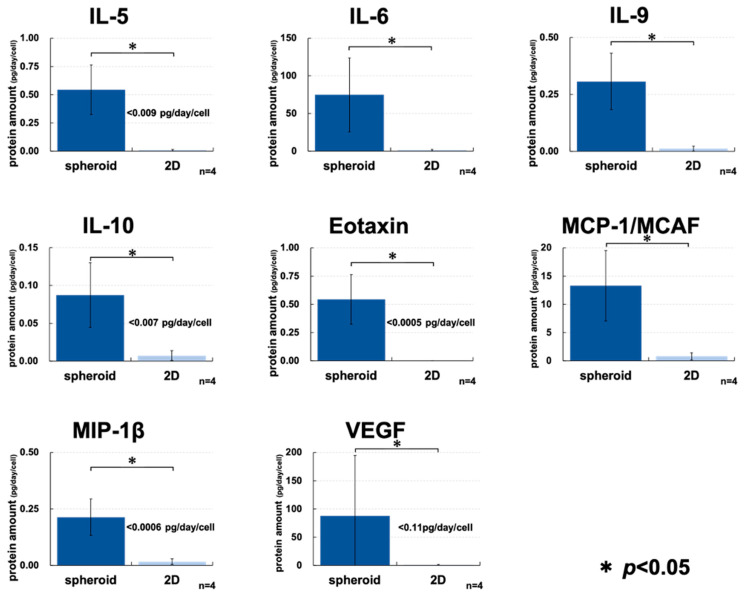
Osteoarthritis (OA) is an irreversible degenerative condition causing bone deformation in the joints and articular cartilage degeneration with chronic pain and impaired movement. Adipose-derived stem cell (ADSC) or crushed adipose tissue injection into the joint cavity reportedly improve knee function and symptoms, including pain. Stem cell spheroids may be promising treatment options due to their anti-inflammatory and enhanced tissue regeneration/repair effects. Herein, to form human ADSC spheroids, we used first SphereRing (Fukoku Co., Ltd., Ageo, Japan), a newly developed rotating donut-shaped tube and determined their characteristics by DNA microarray of mRNA analysis. The variable gene expression cluster was then identified and validated by RT-PCR. Gene expression fluctuations were observed, such as COL15A1 and ANGPTL2, related to vascular endothelial cells and angiogenesis, and TNC, involved in tissue formation. In addition, multiplex cytokine analysis in the medium revealed significant cytokines and growth factors production increase of IL-6, IL-10, etc. However, ADSC administration into the joint cavity involves their contact with the synovial fluid (SF). Therefore, we examined how SF collected from OA patient joint cavities affect 2D-culture ADSCs and ADSC spheroids and observed SF induced cell death. ADSC spheroids could become promising OA treatment options, although studying the administration methods and consider their interaction with SF is essential.
骨关节炎(OA)是一种不可逆转的退行性疾病,会导致关节骨变形和关节软骨退化,伴有慢性疼痛和运动障碍。脂肪来源干细胞(ADSC)或粉碎的脂肪组织注射到关节腔内据称可以改善膝关节功能和症状,包括疼痛。干细胞球体可能是有前途的治疗选择,因为它们具有抗炎和增强组织再生/修复的作用。在这里,为了形成人 ADSC 球体,我们首先使用了新开发的旋转甜甜圈形状的管SphereRing(福库株式会社,日本上尾市),并通过 mRNA 分析的 DNA 微阵列确定了它们的特征。然后通过 RT-PCR 鉴定和验证了可变基因表达簇。观察到基因表达波动,如 COL15A1 和 ANGPTL2,与血管内皮细胞和血管生成有关,以及 TNC,与组织形成有关。此外,对培养基中的多种细胞因子进行分析显示,IL-6、IL-10 等细胞因子和生长因子的产生显著增加。然而,ADSC 注射到关节腔内涉及到它们与滑液(SF)的接触。因此,我们研究了从 OA 患者关节腔中收集的 SF 如何影响 2D 培养的 ADSC 和 ADSC 球体,并观察了 SF 诱导的细胞死亡。ADSC 球体可能成为有前途的 OA 治疗选择,尽管研究给药方法并考虑它们与 SF 的相互作用至关重要。