Department of Orthopedic Surgery, Kanazawa Medical University, Kahoku 920-0293, Ishikawa, Japan.
Medical Research Institute, Kanazawa Medical University, Kahoku 920-0293, Ishikawa, Japan.
Cells. 2023 Jan 15;12(2):330. doi: 10.3390/cells12020330.
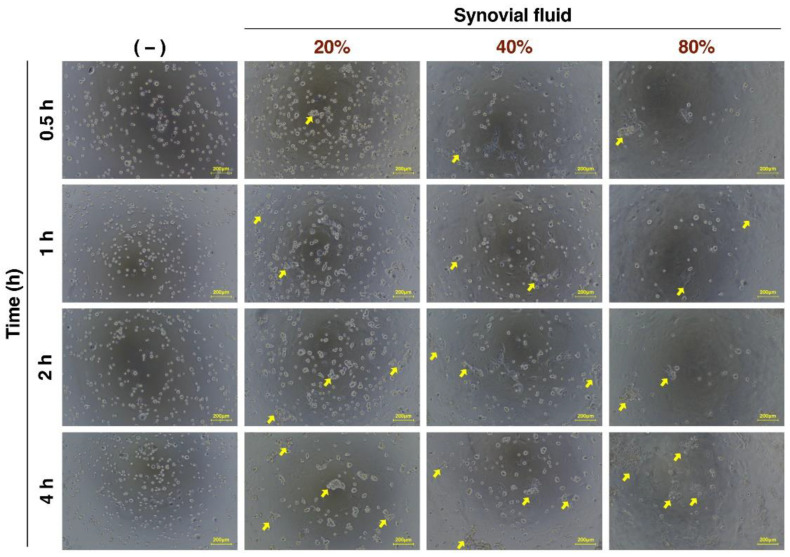
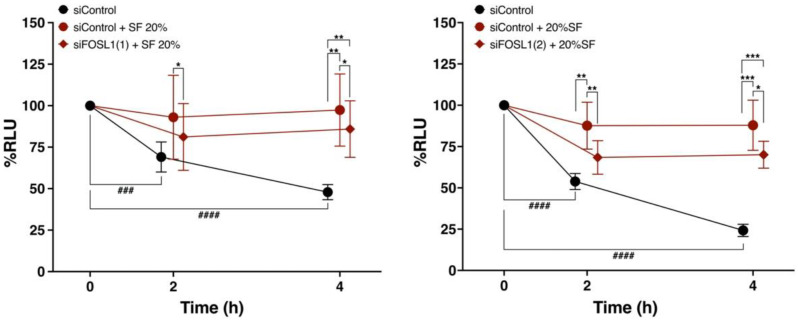
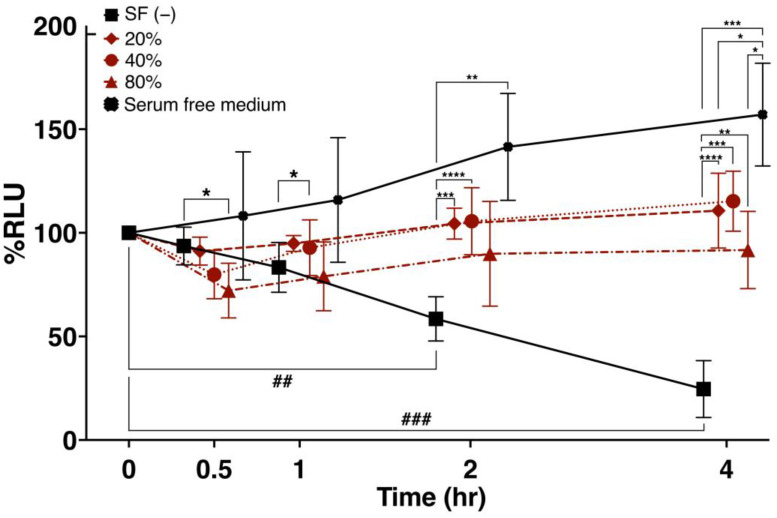
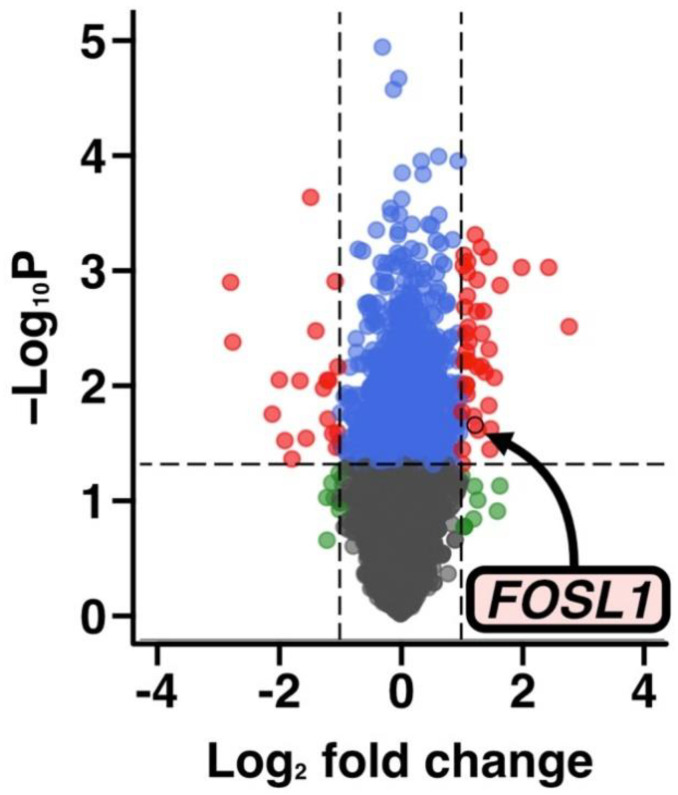
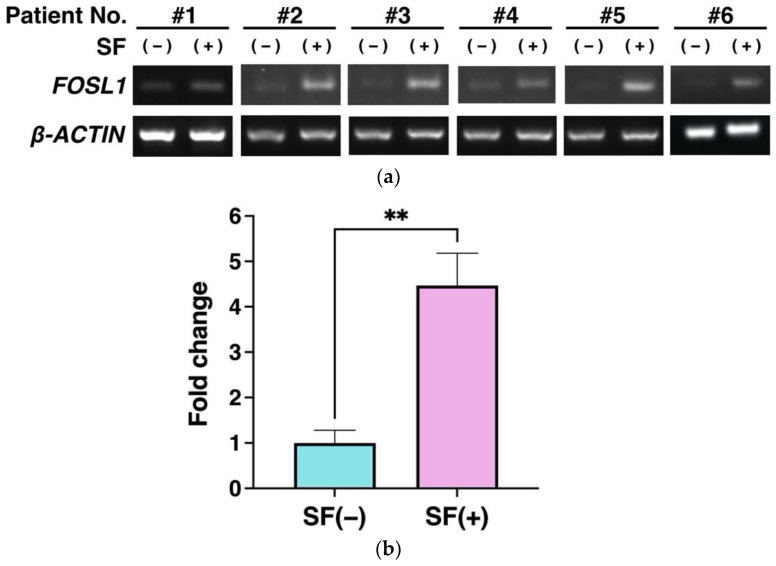
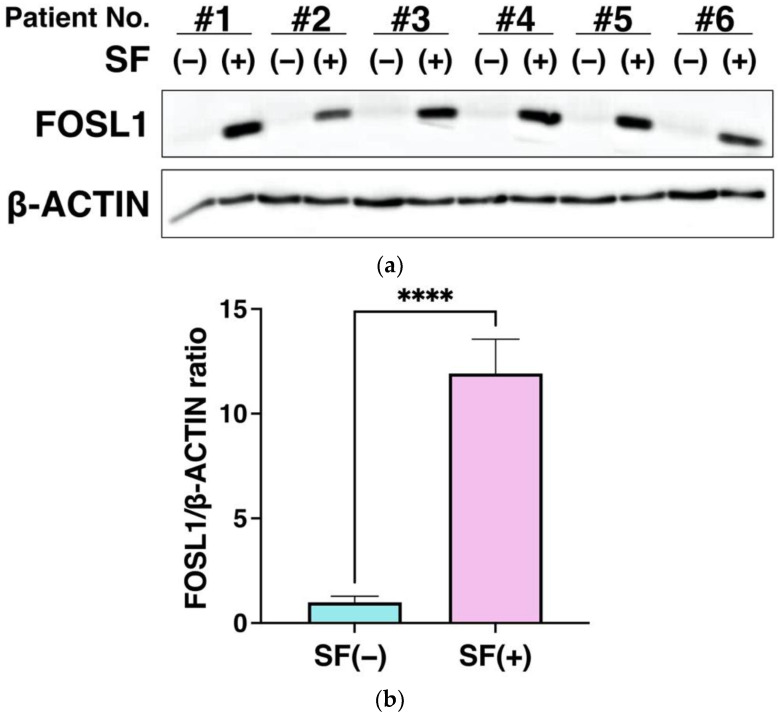
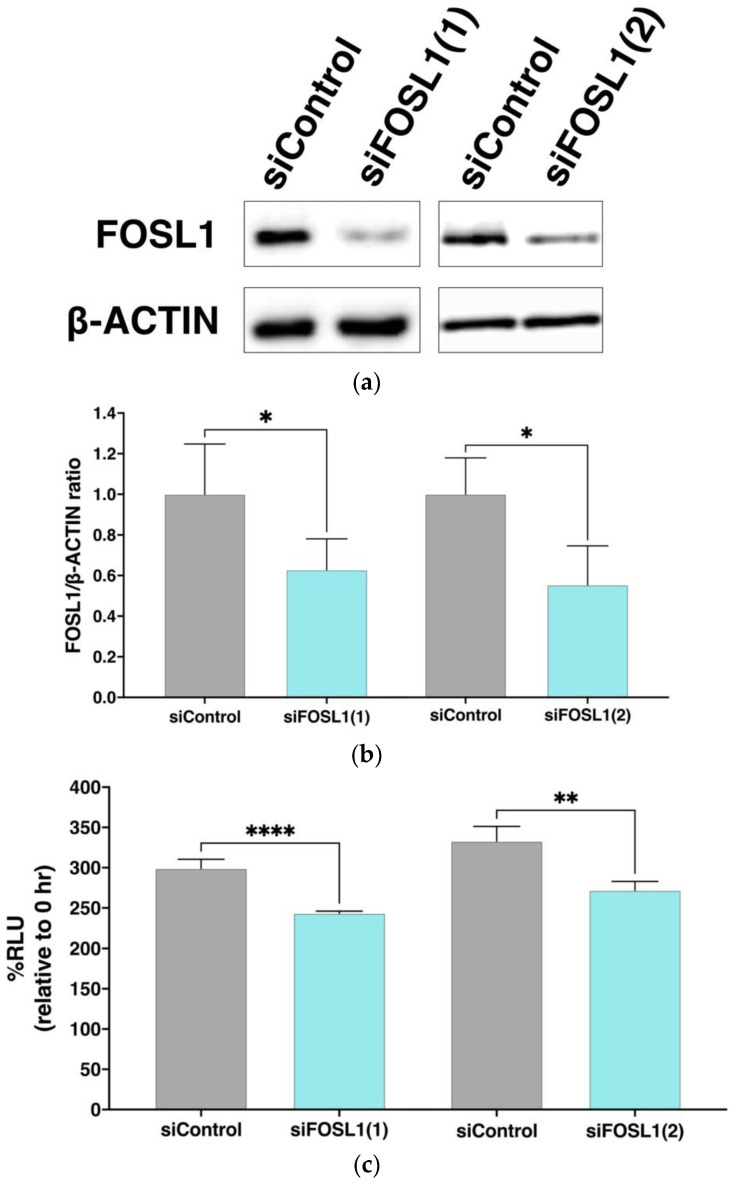
Knee osteoarthritis (Knee OA) is an irreversible condition that causes bone deformity and degeneration of the articular cartilage that comprises the joints, resulting in chronic pain and movement disorders. The administration of cultured adipose-derived stem cells (ADSCs) into the knee joint cavity improves the clinical symptoms of Knee OA; however, the effect of synovial fluid (SF) filling the joint cavity on the injected ADSCs remains unclear. In this study, we investigated the effect of adding SF from Knee OA patients to cultured ADSCs prepared for therapeutic use in an environment that mimics the joint cavity. An increase in the viability of ADSCs was observed following the addition of SF. Gene expression profiling of SF-treated ADSCs using DNA microarrays revealed changes in several genes involved in cell survival. Of these genes, we focused on FOSL1, which is involved in the therapeutic effect of ADSCs and the survival and proliferation of cancer stem cells. We confirmed the upregulation of FOSL1 mRNA and protein expression using RT-PCR and western blot analysis, respectively. Next, we knocked down FOSL1 in ADSCs using siRNA and observed a decrease in cell viability, indicating the involvement of FOSL1 in the survival of ADSCs. Interestingly, in the knockdown cells, ADSC viability was also decreased by SF exposure. These results suggest that SF enhances cell viability by upregulating FOSL1 expression in ADSCs. For therapy using cultured ADSCs, the therapeutic effect of ADSCs may be further enhanced if an environment more conducive to the upregulation of FOSL1 expression in ADSCs can be established.
膝关节骨关节炎(Knee OA)是一种不可逆转的疾病,会导致构成关节的骨畸形和关节软骨退化,从而导致慢性疼痛和运动障碍。将培养的脂肪源性干细胞(ADSCs)注入膝关节腔可改善 Knee OA 的临床症状;然而,关节腔内填充的滑液(SF)对注入的 ADSCs 的影响尚不清楚。在这项研究中,我们研究了在模拟关节腔环境下,向用于治疗目的培养的 ADSCs 中添加来自 Knee OA 患者的 SF 对其的影响。SF 处理后的 ADSCs 的活力增加。使用 DNA 微阵列对 SF 处理的 ADSCs 进行基因表达谱分析,发现了几个涉及细胞存活的基因发生变化。在这些基因中,我们重点关注 FOSL1,它参与 ADSCs 的治疗效果以及癌症干细胞的存活和增殖。我们分别通过 RT-PCR 和 Western blot 分析证实了 FOSL1 mRNA 和蛋白表达的上调。接下来,我们使用 siRNA 敲低 ADSCs 中的 FOSL1,观察到细胞活力下降,表明 FOSL1 参与了 ADSCs 的存活。有趣的是,在敲低细胞中,SF 暴露也降低了 ADSC 的活力。这些结果表明,SF 通过上调 ADSCs 中的 FOSL1 表达来增强细胞活力。对于使用培养的 ADSCs 的治疗,如果可以建立更有利于 ADSCs 中 FOSL1 表达上调的环境,则可以进一步增强 ADSCs 的治疗效果。