Department of Biochemistry and Biotechnology, Plant Breeding and Acclimatization Institute-National Research Institute, Radzików, 05-870 Błonie, Poland.
National Centre for Plant Genetic Resources, Plant Breeding and Acclimatization Institute-National Research Institute, Radzików, 05-870 Błonie, Poland.
Cells. 2022 Feb 4;11(3):547. doi: 10.3390/cells11030547.
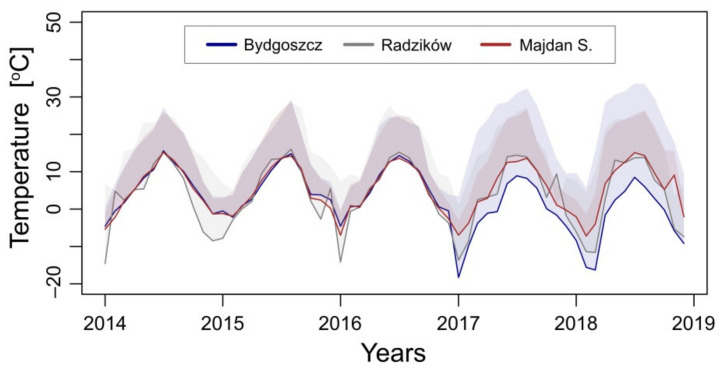
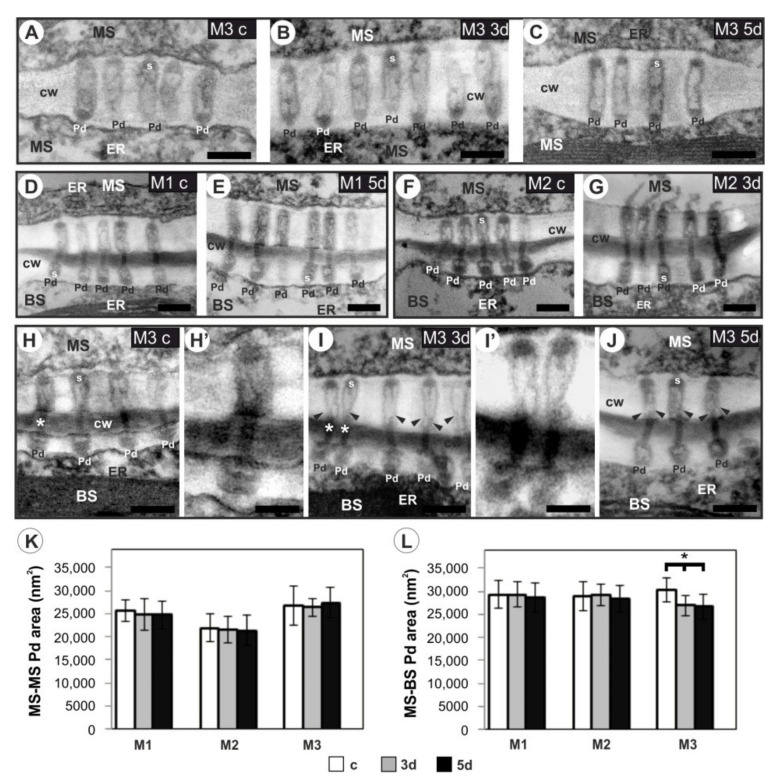
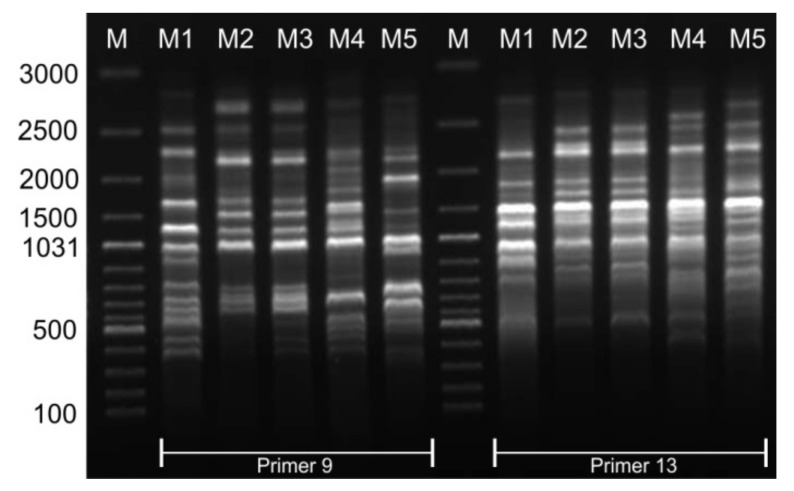
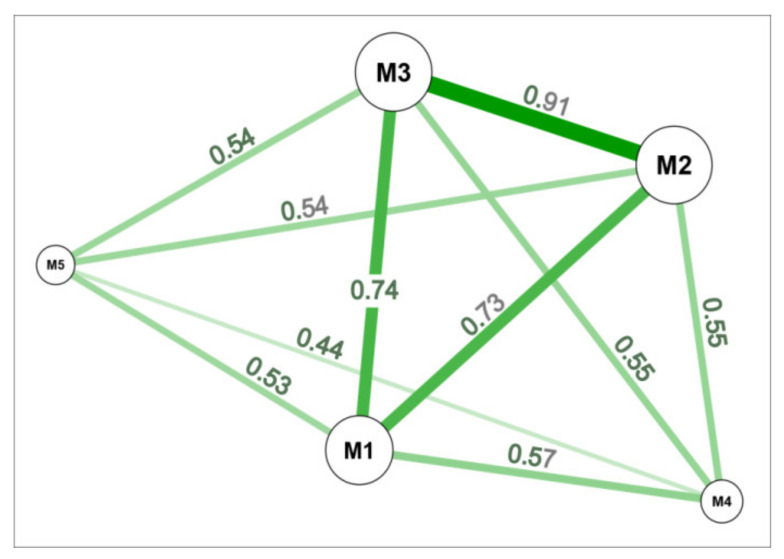
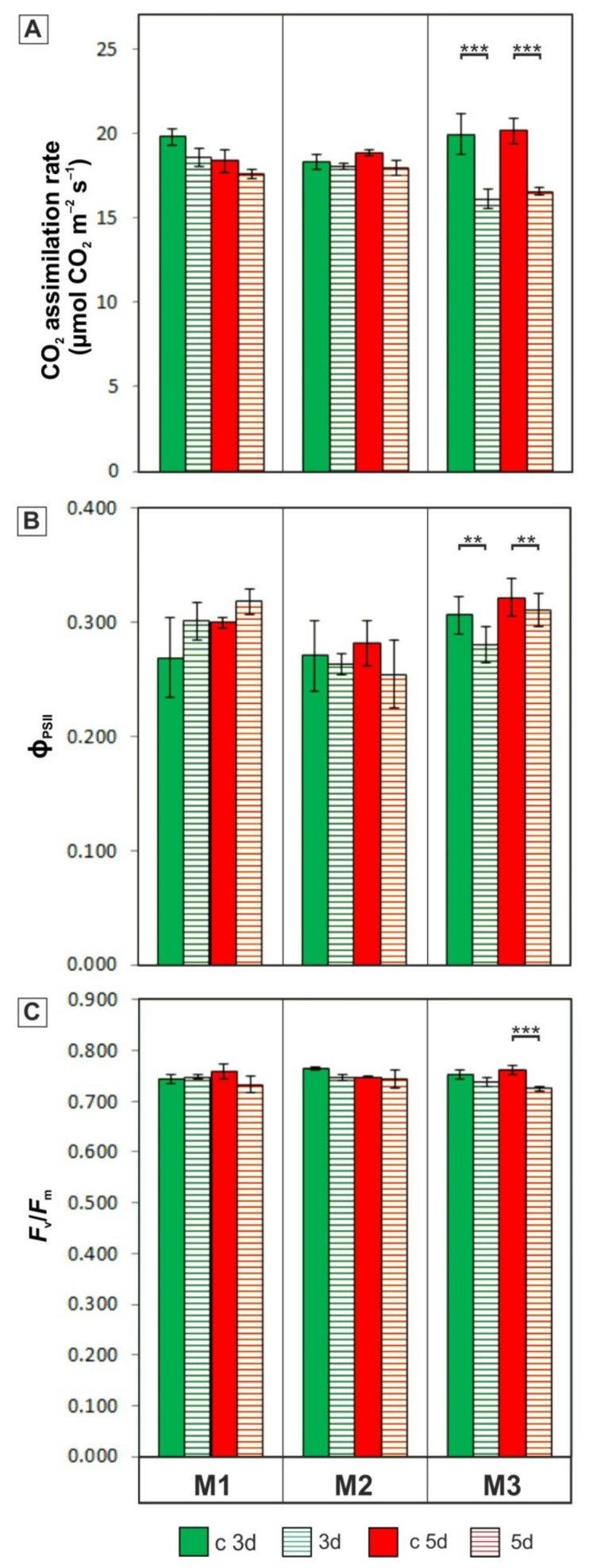
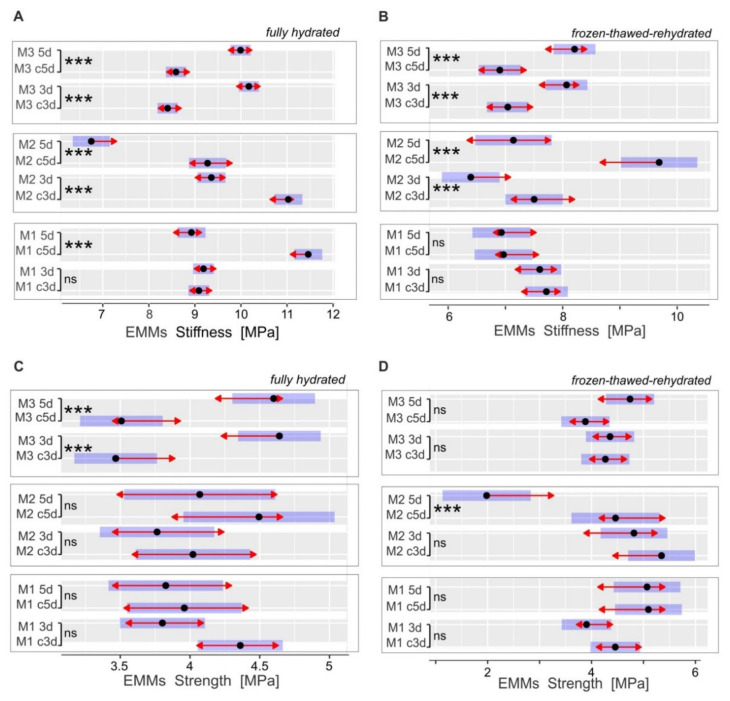
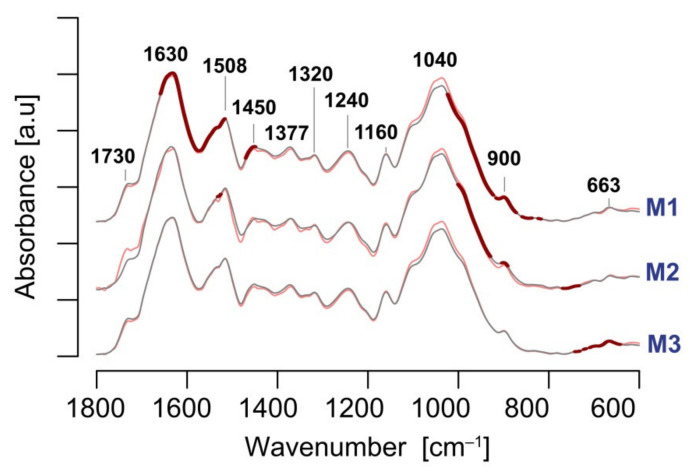
The cell wall plays a crucial role in plant growth and development, including in response to environmental factors, mainly through significant biochemical and biomechanical plasticity. The involvement of the cell wall in C plants' response to cold is, however, still poorly understood. × , a perennial grass, is generally considered cold tolerant and, in contrast to other thermophilic species such as maize or sorgo, can maintain a relatively high level of photosynthesis efficiency at low ambient temperatures. This unusual response to chilling among C plants makes an interesting study object in cold acclimation mechanism research. Using the results obtained from employing a diverse range of techniques, including analysis of plasmodesmata ultrastructure by means of transmission electron microscopy (TEM), infrared spectroscopy (FTIR), and biomechanical tests coupled with photosynthetic parameters measurements, we present evidence for the implication of the cell wall in genotype-specific responses to cold in this species. The observed reduction in the assimilation rate and disturbance of chlorophyll fluorescence parameters in the susceptible M3 genotype under cold conditions were associated with changes in the ultrastructure of the plasmodesmata, i.e., a constriction of the cytoplasmic sleeve in the central region of the microchannel at the mesophyll-bundle sheath interface. Moreover, this cold susceptible genotype was characterized by enhanced tensile stiffness, strength of leaf wall material, and a less altered biochemical profile of the cell wall, revealed by FTIR spectroscopy, compared to cold tolerant genotypes. These changes indicate that a decline in photosynthetic activity may result from a decrease in leaf CO conductance due to the formation of more compact and thicker cell walls and that an enhanced tolerance to cold requires biochemical wall remodelling. Thus, the well-established trade-off between photosynthetic capacity and leaf biomechanics found across multiple species in ecological research may also be a relevant factor in ' tolerance to cold. In this paper, we demonstrate that genotypes showing a high degree of genetic similarity may respond differently to cold stress if exposed at earlier growing seasons to various temperature regimes, which has implications for the cell wall modifications patterns.
细胞壁在植物生长和发育中起着至关重要的作用,包括对环境因素的响应,主要通过显著的生化和生物力学可塑性。然而,细胞壁在 C 植物对寒冷的响应中的作用仍知之甚少。作为一种多年生草本植物,×通常被认为具有耐寒性,与其他嗜热物种(如玉米或高粱)相比,它可以在低温环境下保持相对较高的光合作用效率。C 植物在寒冷适应机制研究中,×对寒冷的这种不寻常反应使其成为一个有趣的研究对象。我们使用了多种技术的结果,包括通过透射电子显微镜(TEM)分析胞间连丝的超微结构、红外光谱(FTIR)分析以及与光合作用参数测量相结合的生物力学测试,为细胞壁在该物种对寒冷的基因型特异性响应中的作用提供了证据。在冷胁迫条件下,易感 M3 基因型的同化率降低和叶绿素荧光参数紊乱与胞间连丝超微结构的变化有关,即质膜小泡中央区域微通道的细胞质套收缩。此外,与耐寒基因型相比,这种冷敏感基因型的叶片细胞壁拉伸刚度、强度增加,细胞壁生化特性的改变较小,FTIR 光谱分析揭示了这一点。这些变化表明,由于更紧凑和更厚的细胞壁的形成,光合作用活性的下降可能导致叶片 CO 导度降低,并且对寒冷的增强耐受性需要生化细胞壁重塑。因此,在生态研究中在多个物种中发现的光合作用能力和叶片生物力学之间的既定权衡,也可能是“对寒冷的耐受”的一个相关因素。在本文中,我们证明,如果在早期生长季节暴露于不同的温度条件下,具有高度遗传相似性的×基因型可能会对寒冷胁迫做出不同的反应,这对细胞壁修饰模式有影响。