• 文献检索
  • 文档翻译
  • 深度研究
  • 学术资讯
  • Suppr Zotero 插件Zotero 插件
  • 邀请有礼
  • 套餐&价格
  • 历史记录
应用&插件
Suppr Zotero 插件Zotero 插件浏览器插件Mac 客户端Windows 客户端微信小程序
定价
高级版会员购买积分包购买API积分包
服务
文献检索文档翻译深度研究API 文档MCP 服务
关于我们
关于 Suppr公司介绍联系我们用户协议隐私条款
关注我们

Suppr 超能文献

核心技术专利:CN118964589B侵权必究
粤ICP备2023148730 号-1Suppr @ 2026

文献检索

告别复杂PubMed语法,用中文像聊天一样搜索,搜遍4000万医学文献。AI智能推荐,让科研检索更轻松。

立即免费搜索

文件翻译

保留排版,准确专业,支持PDF/Word/PPT等文件格式,支持 12+语言互译。

免费翻译文档

深度研究

AI帮你快速写综述,25分钟生成高质量综述,智能提取关键信息,辅助科研写作。

立即免费体验

带有门控视觉识别的人形机器人滑雪大回转弯道控制。

Carved Turn Control with Gate Vision Recognition of a Humanoid Robot for Giant Slalom Skiing on Ski Slopes.

机构信息

Department of Convergence Robot System, Hanyang University, 55 Hanyangdaehak-ro, Sangnok-gu, Ansan-si 15588, Gyeonggi-do, Korea.

Department of Mechanical and Aerospace Engineering, New York University, New York, NY 10003, USA.

出版信息

Sensors (Basel). 2022 Jan 21;22(3):816. doi: 10.3390/s22030816.

DOI:10.3390/s22030816
PMID:35161561
原文链接:https://pmc.ncbi.nlm.nih.gov/articles/PMC8838643/
Abstract

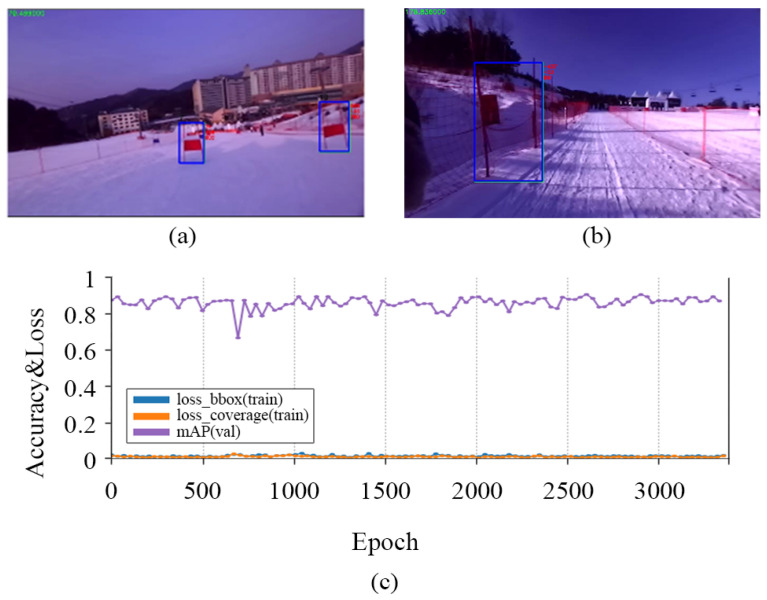
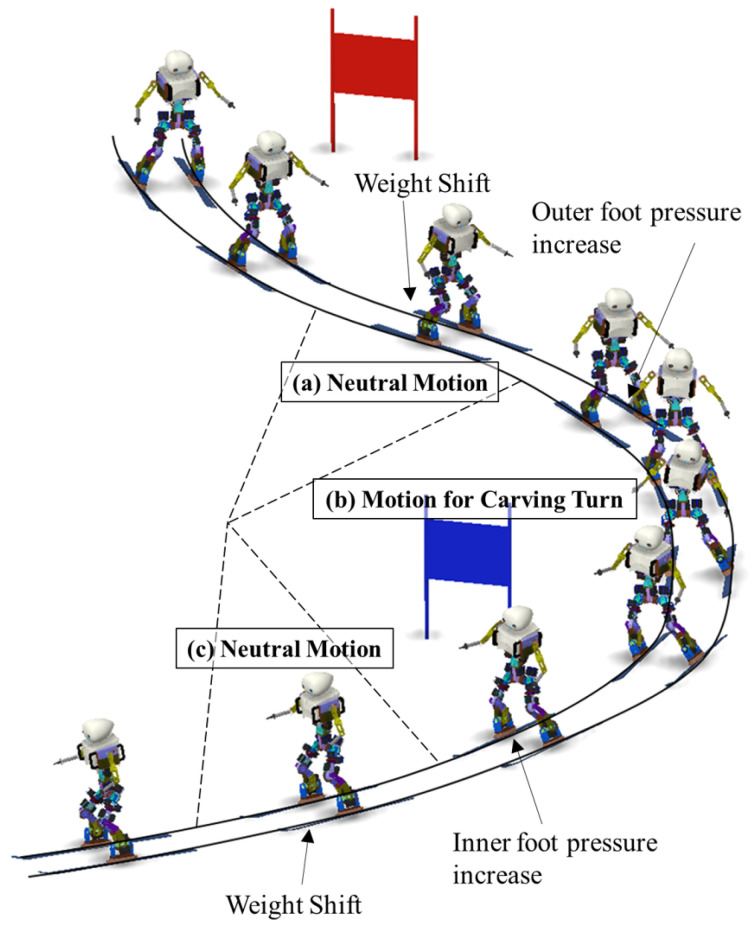
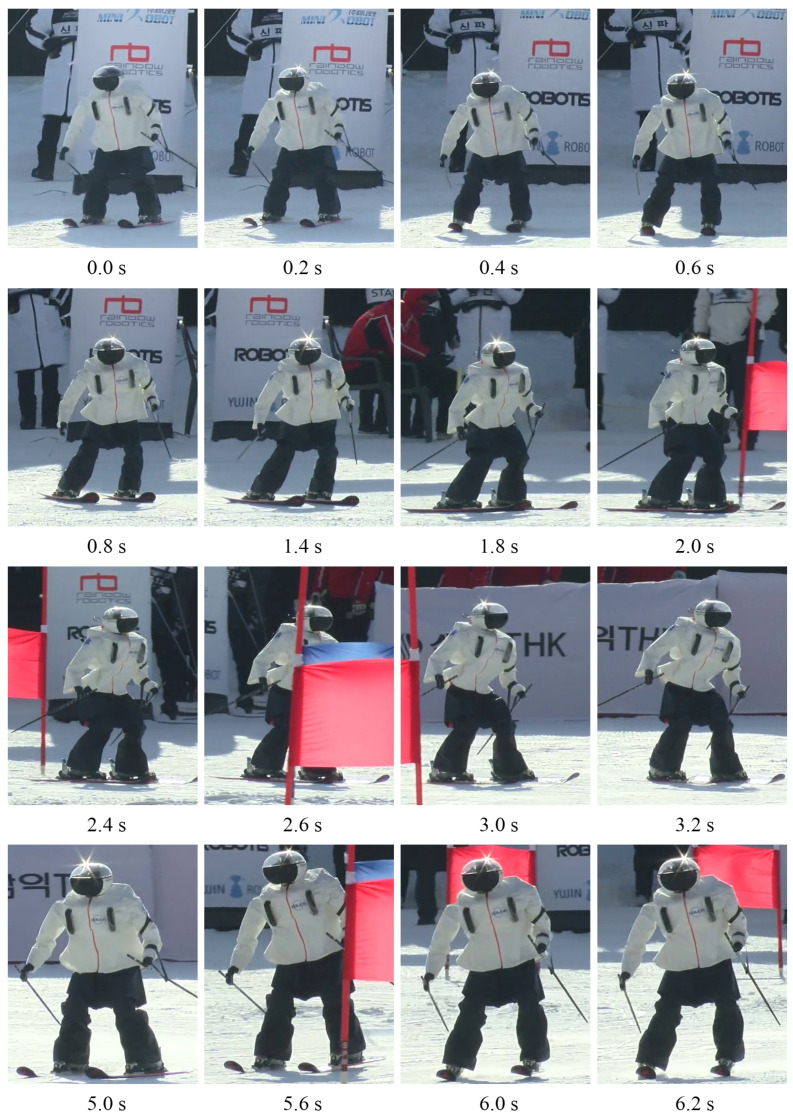
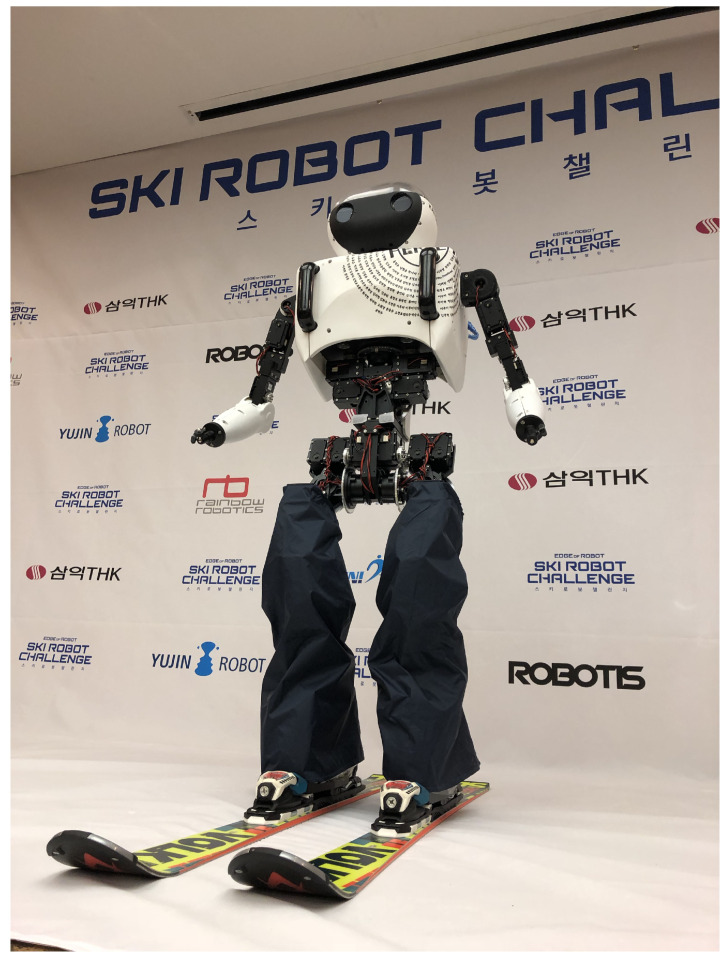
The performance of humanoid robots is improving, owing in part to their participation in robot games such as the DARPA Robotics Challenge. Along with the 2018 Winter Olympics in Pyeongchang, a Skiing Robot Competition was held in which humanoid robots participated autonomously in a giant slalom alpine skiing competition. The robots were required to transit through many red or blue gates on the ski slope to reach the finish line. The course was relatively short at 100 m long and had an intermediate-level rating. A 1.23 m tall humanoid ski robot, 'DIANA', was developed for this skiing competition. As a humanoid robot that mimics humans, the goal was to descend the slope as fast as possible, so the robot was developed to perform a carved turn motion. The carved turn was difficult to balance compared to other turn methods. Therefore, ZMP control, which could secure the posture stability of the biped robot, was applied. Since skiing takes place outdoors, it was necessary to ensure recognition of the flags in various weather conditions. This was ensured using deep learning-based vision recognition. Thus, the performance of the humanoid robot DIANA was established using the carved turn in an experiment on an actual ski slope. The ultimate vision for humanoid robots is for them to naturally blend into human society and provide necessary services to people. Previously, there was no way for a full-sized humanoid robot to move on a snowy mountain. In this study, a humanoid robot that transcends this limitation was realized.

摘要

人形机器人的性能正在不断提高,部分原因是它们参与了机器人竞赛,例如 DARPA 机器人挑战赛。与平昌 2018 年冬季奥运会一起,还举办了滑雪机器人竞赛,人形机器人在其中自主参加了高山滑雪大回转比赛。机器人需要穿过滑雪道上的许多红色或蓝色大门才能到达终点线。赛道相对较短,只有 100 米长,难度评级为中级。为此,开发了 1.23 米高的人形滑雪机器人“DIANA”。作为模仿人类的人形机器人,目标是尽可能快地下坡,因此机器人被开发为执行刻滑转弯动作。与其他转弯方法相比,刻滑转弯难以平衡。因此,应用了可以确保双足机器人姿势稳定性的 ZMP 控制。由于滑雪是在户外进行的,因此必须确保在各种天气条件下识别旗帜。这是通过基于深度学习的视觉识别来实现的。因此,通过在实际滑雪道上进行的实验,使用刻滑转弯来实现了人形机器人 DIANA 的性能。人形机器人的最终愿景是让它们自然融入人类社会并为人们提供必要的服务。以前,没有办法让全尺寸的人形机器人在雪山上移动。在这项研究中,实现了超越这一限制的人形机器人。
https://cdn.ncbi.nlm.nih.gov/pmc/blobs/fd9e/8838643/e648aeeb113c/sensors-22-00816-g018.jpg
https://cdn.ncbi.nlm.nih.gov/pmc/blobs/fd9e/8838643/61b6031eb528/sensors-22-00816-g001.jpg
https://cdn.ncbi.nlm.nih.gov/pmc/blobs/fd9e/8838643/35bd6373fafe/sensors-22-00816-g002.jpg
https://cdn.ncbi.nlm.nih.gov/pmc/blobs/fd9e/8838643/86278a105a4e/sensors-22-00816-g003.jpg
https://cdn.ncbi.nlm.nih.gov/pmc/blobs/fd9e/8838643/80e4da146dc7/sensors-22-00816-g004.jpg
https://cdn.ncbi.nlm.nih.gov/pmc/blobs/fd9e/8838643/75bb502beb69/sensors-22-00816-g005.jpg
https://cdn.ncbi.nlm.nih.gov/pmc/blobs/fd9e/8838643/7baa35c85ba1/sensors-22-00816-g006.jpg
https://cdn.ncbi.nlm.nih.gov/pmc/blobs/fd9e/8838643/da97f90dea4e/sensors-22-00816-g007.jpg
https://cdn.ncbi.nlm.nih.gov/pmc/blobs/fd9e/8838643/3ded560bac47/sensors-22-00816-g008.jpg
https://cdn.ncbi.nlm.nih.gov/pmc/blobs/fd9e/8838643/8b86ece4762f/sensors-22-00816-g009.jpg
https://cdn.ncbi.nlm.nih.gov/pmc/blobs/fd9e/8838643/987297afc498/sensors-22-00816-g010.jpg
https://cdn.ncbi.nlm.nih.gov/pmc/blobs/fd9e/8838643/bcb0476daf40/sensors-22-00816-g011.jpg
https://cdn.ncbi.nlm.nih.gov/pmc/blobs/fd9e/8838643/f5e9ecd23db4/sensors-22-00816-g012.jpg
https://cdn.ncbi.nlm.nih.gov/pmc/blobs/fd9e/8838643/da20ed1aeb8c/sensors-22-00816-g013.jpg
https://cdn.ncbi.nlm.nih.gov/pmc/blobs/fd9e/8838643/ffb620fcd8c6/sensors-22-00816-g014.jpg
https://cdn.ncbi.nlm.nih.gov/pmc/blobs/fd9e/8838643/a1e66a9ed037/sensors-22-00816-g015.jpg
https://cdn.ncbi.nlm.nih.gov/pmc/blobs/fd9e/8838643/227c99b0adf5/sensors-22-00816-g016.jpg
https://cdn.ncbi.nlm.nih.gov/pmc/blobs/fd9e/8838643/d9a529950361/sensors-22-00816-g017.jpg
https://cdn.ncbi.nlm.nih.gov/pmc/blobs/fd9e/8838643/e648aeeb113c/sensors-22-00816-g018.jpg
https://cdn.ncbi.nlm.nih.gov/pmc/blobs/fd9e/8838643/61b6031eb528/sensors-22-00816-g001.jpg
https://cdn.ncbi.nlm.nih.gov/pmc/blobs/fd9e/8838643/35bd6373fafe/sensors-22-00816-g002.jpg
https://cdn.ncbi.nlm.nih.gov/pmc/blobs/fd9e/8838643/86278a105a4e/sensors-22-00816-g003.jpg
https://cdn.ncbi.nlm.nih.gov/pmc/blobs/fd9e/8838643/80e4da146dc7/sensors-22-00816-g004.jpg
https://cdn.ncbi.nlm.nih.gov/pmc/blobs/fd9e/8838643/75bb502beb69/sensors-22-00816-g005.jpg
https://cdn.ncbi.nlm.nih.gov/pmc/blobs/fd9e/8838643/7baa35c85ba1/sensors-22-00816-g006.jpg
https://cdn.ncbi.nlm.nih.gov/pmc/blobs/fd9e/8838643/da97f90dea4e/sensors-22-00816-g007.jpg
https://cdn.ncbi.nlm.nih.gov/pmc/blobs/fd9e/8838643/3ded560bac47/sensors-22-00816-g008.jpg
https://cdn.ncbi.nlm.nih.gov/pmc/blobs/fd9e/8838643/8b86ece4762f/sensors-22-00816-g009.jpg
https://cdn.ncbi.nlm.nih.gov/pmc/blobs/fd9e/8838643/987297afc498/sensors-22-00816-g010.jpg
https://cdn.ncbi.nlm.nih.gov/pmc/blobs/fd9e/8838643/bcb0476daf40/sensors-22-00816-g011.jpg
https://cdn.ncbi.nlm.nih.gov/pmc/blobs/fd9e/8838643/f5e9ecd23db4/sensors-22-00816-g012.jpg
https://cdn.ncbi.nlm.nih.gov/pmc/blobs/fd9e/8838643/da20ed1aeb8c/sensors-22-00816-g013.jpg
https://cdn.ncbi.nlm.nih.gov/pmc/blobs/fd9e/8838643/ffb620fcd8c6/sensors-22-00816-g014.jpg
https://cdn.ncbi.nlm.nih.gov/pmc/blobs/fd9e/8838643/a1e66a9ed037/sensors-22-00816-g015.jpg
https://cdn.ncbi.nlm.nih.gov/pmc/blobs/fd9e/8838643/227c99b0adf5/sensors-22-00816-g016.jpg
https://cdn.ncbi.nlm.nih.gov/pmc/blobs/fd9e/8838643/d9a529950361/sensors-22-00816-g017.jpg
https://cdn.ncbi.nlm.nih.gov/pmc/blobs/fd9e/8838643/e648aeeb113c/sensors-22-00816-g018.jpg

相似文献

1
Carved Turn Control with Gate Vision Recognition of a Humanoid Robot for Giant Slalom Skiing on Ski Slopes.带有门控视觉识别的人形机器人滑雪大回转弯道控制。
Sensors (Basel). 2022 Jan 21;22(3):816. doi: 10.3390/s22030816.
2
Biomechanical factors influencing the performance of elite Alpine ski racers.影响精英高山滑雪运动员表现的生物力学因素。
Sports Med. 2014 Apr;44(4):519-33. doi: 10.1007/s40279-013-0132-z.
3
Stability Control and Turning Algorithm of an Alpine Skiing Robot.高山滑雪机器人的稳定性控制与转向算法
Sensors (Basel). 2019 Aug 23;19(17):3664. doi: 10.3390/s19173664.
4
Characterization of course and terrain and their effect on skier speed in World Cup alpine ski racing.世界杯高山滑雪比赛中赛道和地形的特征及其对滑雪者速度的影响。
PLoS One. 2015 Mar 11;10(3):e0118119. doi: 10.1371/journal.pone.0118119. eCollection 2015.
5
A hybrid CPG-ZMP control system for stable walking of a simulated flexible spine humanoid robot.一种用于模拟柔性脊柱人形机器人稳定行走的混合 CPG-ZMP 控制系统。
Neural Netw. 2010 Apr;23(3):452-60. doi: 10.1016/j.neunet.2009.11.003. Epub 2009 Dec 3.
6
Preventing injuries in alpine skiing giant slalom by shortening the vertical distance between the gates rather than increasing the horizontal gate offset to control speed.通过缩短门之间的垂直距离而不是增加水平门偏移来控制速度,从而预防高山滑雪大回转项目中的受伤。
Br J Sports Med. 2020 Sep;54(17):1042-1046. doi: 10.1136/bjsports-2019-101692. Epub 2020 Apr 27.
7
Sidecut radius and the mechanics of turning-equipment designed to reduce risk of severe traumatic knee injuries in alpine giant slalom ski racing.侧切半径与转弯力学——旨在降低高山大回转滑雪比赛中严重创伤性膝关节损伤风险的装备
Br J Sports Med. 2016 Jan;50(1):14-9. doi: 10.1136/bjsports-2015-095737.
8
Theoretical analysis of the state of balance in bipedal walking.双足行走平衡状态的理论分析。
J Biomech Eng. 2013 Apr;135(4):041003. doi: 10.1115/1.4023698.
9
A Multitasking-Oriented Robot Arm Motion Planning Scheme Based on Deep Reinforcement Learning and Twin Synchro-Control.基于深度强化学习和双同步控制的面向多任务的机械臂运动规划方案。
Sensors (Basel). 2020 Jun 21;20(12):3515. doi: 10.3390/s20123515.
10
The role of path length- and speed-related factors for the enhancement of section performance in alpine giant slalom.路径长度和速度相关因素对高山速降赛中分段表现提升的作用。
Eur J Sport Sci. 2018 Aug;18(7):911-919. doi: 10.1080/17461391.2018.1453870. Epub 2018 Mar 27.

引用本文的文献

1
Design of a low-cost force insoles to estimate ground reaction forces during human gait.一种用于估计人体步态期间地面反作用力的低成本测力鞋垫的设计。
HardwareX. 2024 Sep 27;20:e00589. doi: 10.1016/j.ohx.2024.e00589. eCollection 2024 Dec.
2
Epistemology of synthetic biology: a new theoretical framework based on its potential objects and objectives.合成生物学的认识论:基于其潜在对象和目标的新理论框架。
Front Bioeng Biotechnol. 2023 Nov 20;11:1266298. doi: 10.3389/fbioe.2023.1266298. eCollection 2023.
3
Application of Deep Learning Technology in Strength Training of Football Players and Field Line Detection of Football Robots.

本文引用的文献

1
Connected Skiing: Motion Quality Quantification in Alpine Skiing.联网滑雪:高山滑雪的动作质量量化。
Sensors (Basel). 2021 May 29;21(11):3779. doi: 10.3390/s21113779.
2
A Comprehensive Comparison and Validation of Published Methods to Detect Turn Switch during Alpine Skiing.发表方法检测高山滑雪中转弯开关的全面比较和验证。
Sensors (Basel). 2021 Apr 6;21(7):2573. doi: 10.3390/s21072573.
3
Biped Walking Based on Stiffness Optimization and Hierarchical Quadratic Programming.基于刚度优化和层次二次规划的双足步行。
深度学习技术在足球运动员力量训练及足球机器人场地线检测中的应用
Front Neurorobot. 2022 Jun 29;16:867028. doi: 10.3389/fnbot.2022.867028. eCollection 2022.
Sensors (Basel). 2021 Mar 2;21(5):1696. doi: 10.3390/s21051696.
4
Alpine Ski Motion Characteristics in Slalom.回转项目中高山滑雪的运动特征
Front Sports Act Living. 2020 Mar 27;2:25. doi: 10.3389/fspor.2020.00025. eCollection 2020.
5
Dynamics of carving runs in alpine skiing. II.Centrifugal pendulum with a retractable leg.高山滑雪的转弯动作动力学。II.带可伸缩支腿的离心摆。
Sports Biomech. 2022 Sep;21(8):912-939. doi: 10.1080/14763141.2020.1788630. Epub 2020 Jul 29.
6
A Robust Balance-Control Framework for the Terrain-Blind Bipedal Walking of a Humanoid Robot on Unknown and Uneven Terrain.一种稳健的平衡控制框架,用于在未知和不平坦地形上实现人形机器人的地形盲双足行走。
Sensors (Basel). 2019 Sep 27;19(19):4194. doi: 10.3390/s19194194.
7
Stability Control and Turning Algorithm of an Alpine Skiing Robot.高山滑雪机器人的稳定性控制与转向算法
Sensors (Basel). 2019 Aug 23;19(17):3664. doi: 10.3390/s19173664.
8
Development of an Automatic Alpine Skiing Turn Detection Algorithm Based on a Simple Sensor Setup.基于简易传感器设置的自动高山滑雪转弯检测算法的开发。
Sensors (Basel). 2019 Feb 21;19(4):902. doi: 10.3390/s19040902.
9
Potential of IMU Sensors in Performance Analysis of Professional Alpine Skiers.惯性测量单元传感器在职业高山滑雪运动员表现分析中的潜力
Sensors (Basel). 2016 Apr 1;16(4):463. doi: 10.3390/s16040463.
10
A reliability-based particle filter for humanoid robot self-localization in RoboCup Standard Platform League.基于可靠性的粒子滤波在 RoboCup 标准平台联盟中的仿人机器人自定位
Sensors (Basel). 2013 Nov 4;13(11):14954-83. doi: 10.3390/s131114954.