Institute for Work & Health, Toronto, ON M5G 1S5, Canada.
Department of Economics, McMaster University, Hamilton, ON L8S 4L8, Canada.
Int J Environ Res Public Health. 2022 Jan 20;19(3):1144. doi: 10.3390/ijerph19031144.
Millions of workers around the world are exposed to wood dust, as a by-product of woodworking. Nasopharynx cancers (NPCs) and sinonasal cancers (SNCs) are two cancers that can be caused by occupational exposure to wood dust, but there is little evidence regarding their burden in Canada.
the aim of this study was to estimate the incidence and economic burden of newly diagnosed cases of NPC and SNC in 2011 in Canada, attributable to occupational exposures to wood dust.
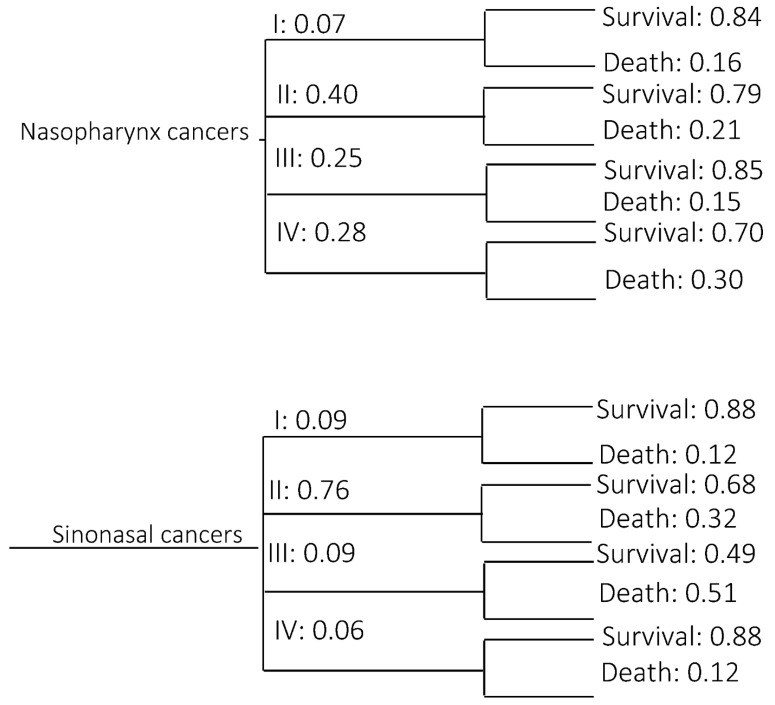
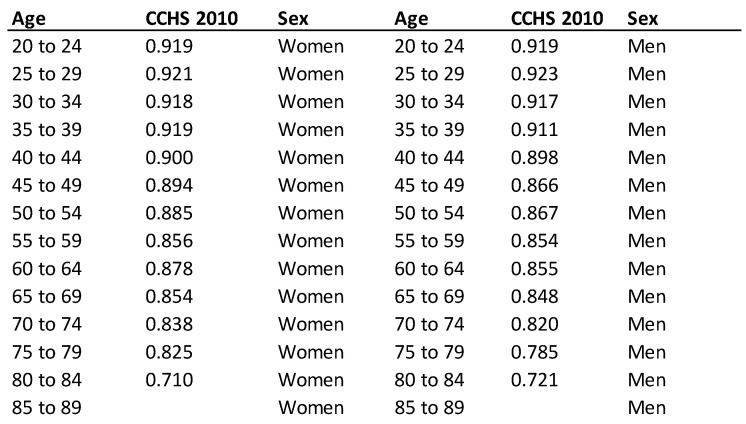
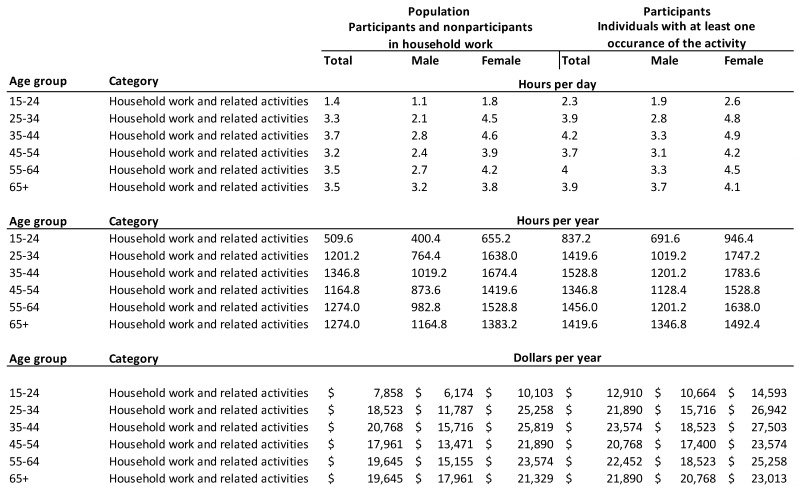
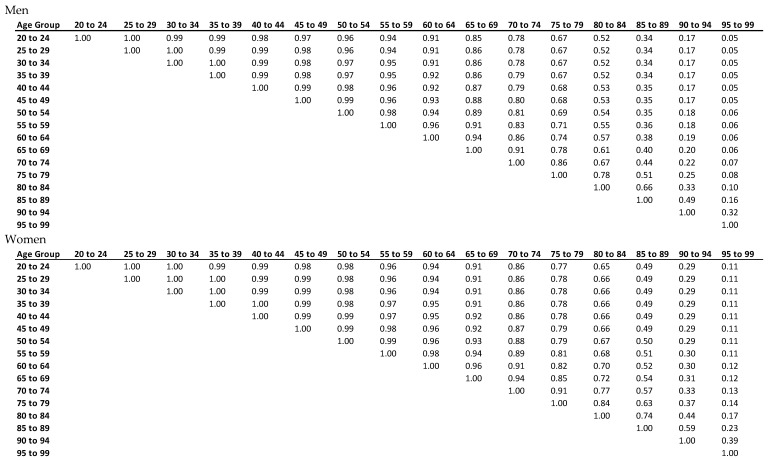
calculating the incidence of cancer attributable to occupational exposure involved three steps of defining relative risk, assessing the prevalence of exposure and population modelling. We estimated the lifetime costs of newly diagnosed NPC and SNC from the societal perspective. The three major cost categories that we considered were direct costs (healthcare costs, out-of-pocket costs, and informal caregiving costs), indirect costs (labour productivity/output costs, employer adjustment costs, and home production losses), and intangible costs (health-related quality of life losses). To generate an estimate of economic burden, we used secondary data from multiple sources and applied them to our computational model developed from an extensive literature review.
From approximately 1.3 million workers exposed to wood dust, we expected 28%, 43% and 29% were exposed to low, medium, and high levels, respectively. We estimated from 235 newly diagnosed cases of NPC and 245 newly diagnosed cases of SNC, 4.6% (11 cases) and 4.4% (11 cases) were attributed to occupational exposure to wood dust, respectively. Our estimates of the economic burden of occupational NPC and SNC were about CAD 5.4 million (CAD 496,311 per-case) and CAD 6.7 million (CAD 627,437 per-case), respectively. For NPC direct costs constituted approximately 20% of all costs, and indirect and intangible costs accounted for 55% and 25%, while for SNC the breakdown distribution were 16%, 42% and 42%, respectively.
Our estimates highlighted the importance of occupational NPC and SNC amongst other occupational cancers, especially in countries with large wood-related industries. This paper also serves the information needs of policymakers who are seeking to make evidence-based decisions about occupational cancer prevention efforts.
全世界数以百万计的工人接触木尘,这是木制品加工的副产品。鼻咽癌(NPC)和鼻窦癌(SNC)是两种可能由职业性接触木尘引起的癌症,但加拿大有关其负担的证据很少。
本研究旨在估计 2011 年加拿大新诊断 NPC 和 SNC 的发病率和经济负担,归因于职业性接触木尘。
计算职业性接触导致癌症的发病率涉及三个步骤:定义相对风险、评估接触的流行率和人群建模。我们从社会角度估计了新诊断 NPC 和 SNC 的终生成本。我们考虑的三个主要成本类别是直接成本(医疗保健成本、自付费用和非正式护理成本)、间接成本(劳动生产力/产出成本、雇主调整成本和家庭生产损失)和无形成本(健康相关生活质量损失)。为了估计经济负担,我们使用了来自多个来源的二手数据,并将其应用于我们从广泛文献综述中开发的计算模型。
在大约 130 万接触木尘的工人中,我们预计分别有 28%、43%和 29%接触低、中、高水平的木尘。我们估计有 235 例新诊断 NPC 和 245 例新诊断 SNC,其中分别有 4.6%(11 例)和 4.4%(11 例)归因于职业性接触木尘。我们对职业性 NPC 和 SNC 的经济负担的估计分别约为 540 万加元(每例 496,311 加元)和 670 万加元(每例 627,437 加元)。对于 NPC,直接成本约占所有成本的 20%,间接和无形成本分别占 55%和 25%,而对于 SNC,分布分别为 16%、42%和 42%。
我们的估计强调了职业性 NPC 和 SNC 在其他职业性癌症中的重要性,尤其是在那些与木材相关行业较大的国家。本文还满足了政策制定者的信息需求,他们正在寻求就职业性癌症预防工作做出基于证据的决策。