Susavion Biosciences, Inc., 1615 W University Drive, Suite 132, Tempe, AZ 85281, USA.
Int J Mol Sci. 2022 Jan 27;23(3):1455. doi: 10.3390/ijms23031455.
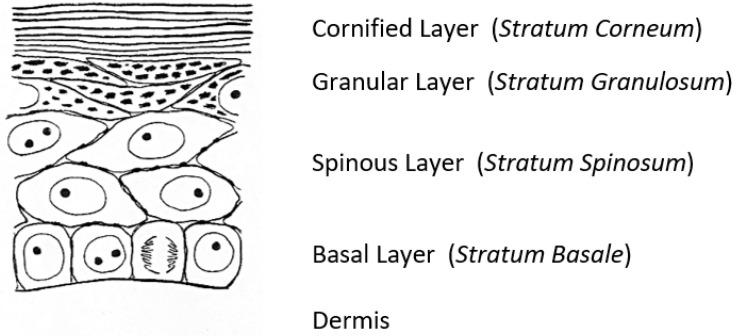
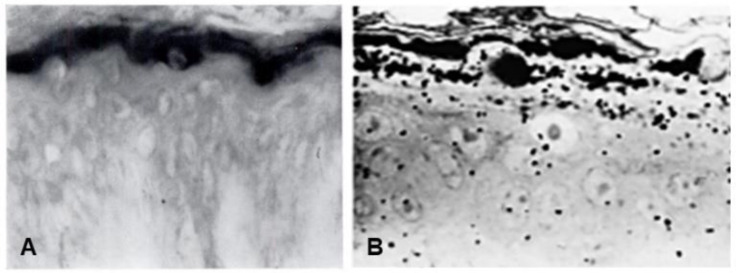
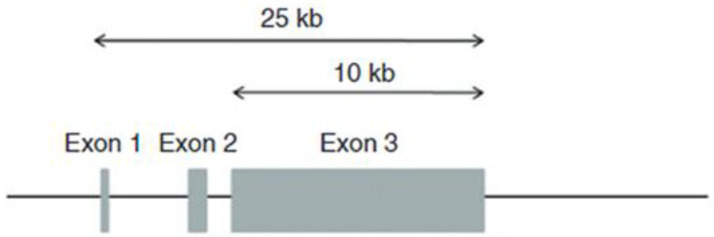
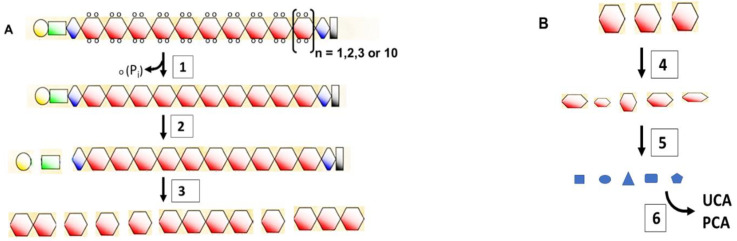
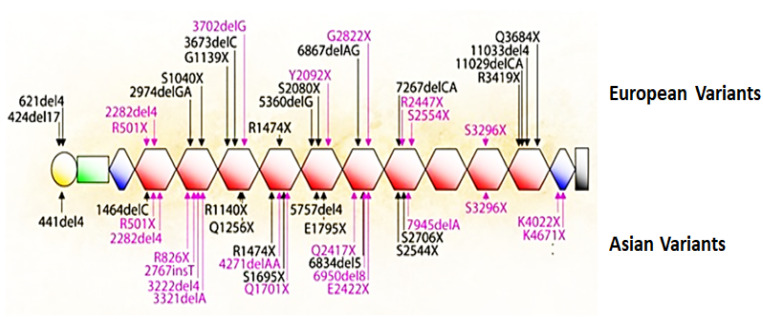
Keratohyalin granules were discovered in the mid-19th century in cells that terminally differentiate to form the outer, cornified layer of the epidermis. The first indications of the composition of these structures emerged in the 1960s from a histochemical stain for histidine, followed by radioautographic evidence of a high incidence of histidine incorporation into newly synthesized proteins in cells containing the granules. Research during the next three decades revealed the structure and function of a major protein in these granules, which was initially called the 'histidine-rich protein'. Steinert and Dale named the protein 'filaggrin' in 1981 because of its ability to aggregate keratin intermediate filaments. The human gene for the precursor, 'profilaggrin,' was reported in 1991 to encode 10, 11 or 12 nearly identical repeats. Remarkably, the mouse and rat genes encode up to 20 repeats. The lifetime of filaggrin is the time required for keratinocytes in the granular layer to move into the inner cornified layer. During this transition, filaggrin facilitates the collapse of corneocytes into 'building blocks' that become an impermeable surface barrier. The subsequent degradation of filaggrin is as remarkable as its synthesis, and the end-products aid in maintaining moisture in the cornified layer. It was apparent that ichthyosis vulgaris and atopic dermatitis were associated with the absence of this protein. McLean's team in 2006 identified the cause of these diseases by discovering loss-of-function mutations in the profilaggrin gene, which led to dysfunction of the surface barrier. This story illustrates the complexity in maintaining a healthy, functional epidermis.
角蛋白丝聚集蛋白颗粒于 19 世纪中期在终末分化形成表皮外层、角化层的细胞中被发现。这些结构的组成最早于 20 世纪 60 年代从组氨酸的组织化学染色中出现,随后放射性自显影证据表明,含有颗粒的细胞中新合成的蛋白质中组氨酸的掺入率很高。在接下来的三十年的研究中,揭示了这些颗粒中一种主要蛋白质的结构和功能,该蛋白质最初被称为“富含组氨酸的蛋白质”。Steinert 和 Dale 于 1981 年因其能够聚集角蛋白中间丝而将该蛋白质命名为“丝聚合蛋白”。1991 年报道了人类前体“原丝聚合蛋白”的基因,该基因编码 10、11 或 12 个几乎相同的重复序列。值得注意的是,鼠和大鼠基因编码多达 20 个重复序列。丝聚合蛋白的寿命是颗粒层角质形成细胞移动到内层角化层所需的时间。在此过程中,丝聚合蛋白有助于将角蛋白细胞聚集到“构建块”中,形成不可渗透的表面屏障。丝聚合蛋白的随后降解与其合成一样引人注目,其终产物有助于维持角化层中的水分。显然,寻常性鱼鳞病和特应性皮炎与这种蛋白质的缺失有关。McLean 的团队在 2006 年通过发现原丝聚合蛋白基因中的功能丧失突变,导致表面屏障功能障碍,从而确定了这些疾病的原因。这个故事说明了维持健康、功能正常的表皮的复杂性。