Centre of Coastal Research, University of Agder, NO-4604 Kristiansand, Norway;
Flødevigen Research Station, Institute of Marine Research, NO-4817 His, Norway.
Proc Natl Acad Sci U S A. 2022 Feb 22;119(8). doi: 10.1073/pnas.2114904119.
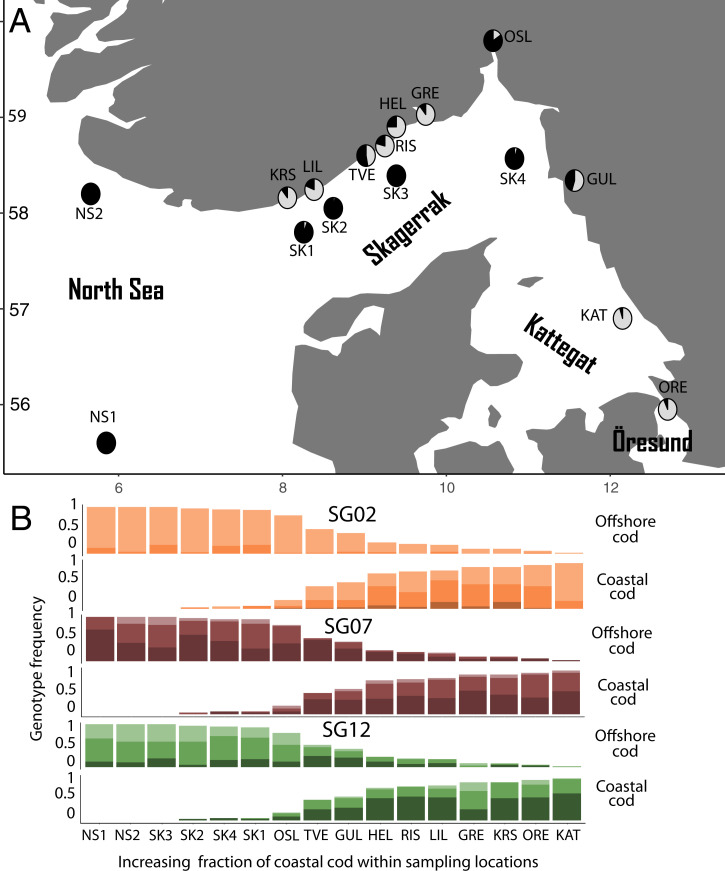
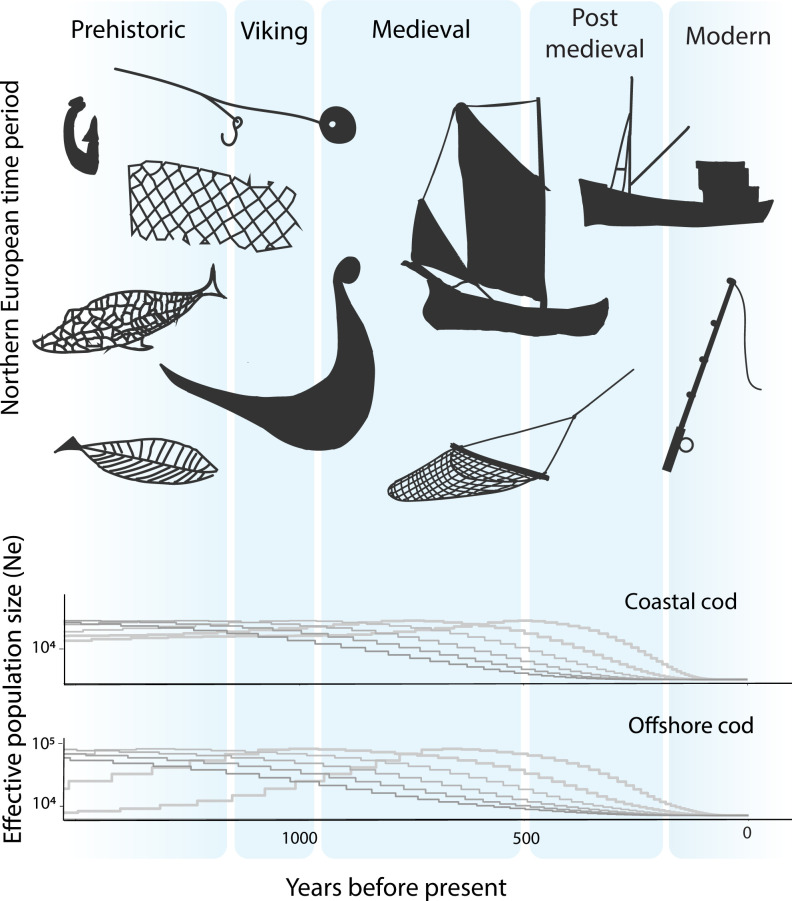
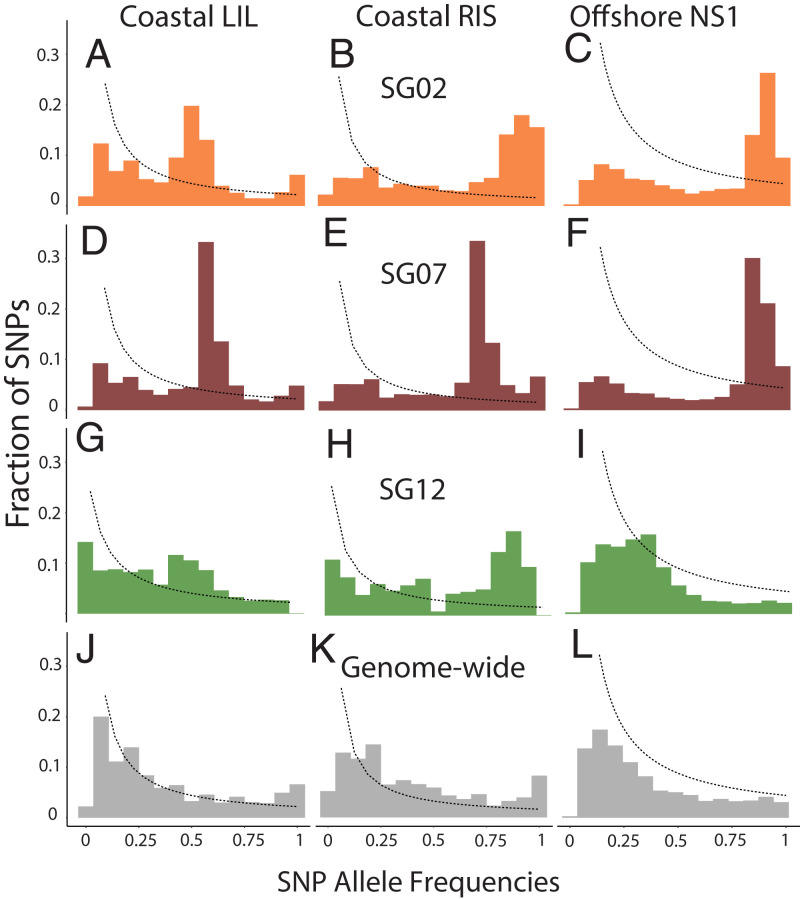
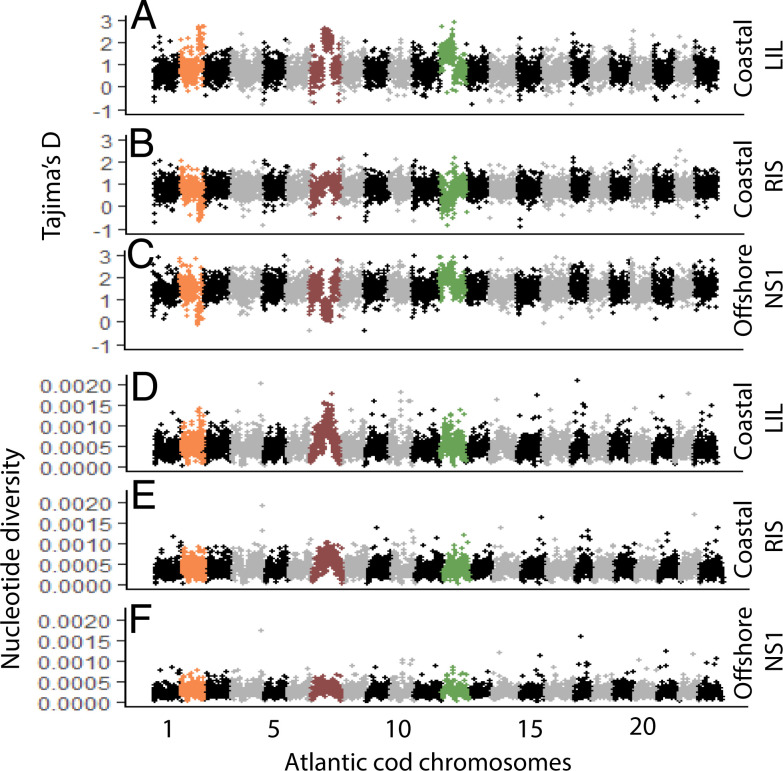
Life on Earth has been characterized by recurring cycles of ecological stasis and disruption, relating biological eras to geological and climatic transitions through the history of our planet. Due to the increasing degree of ecological abruption caused by human influences many advocate that we now have entered the geological era of the Anthropocene, or "the age of man." Considering the ongoing mass extinction and ecosystem reshuffling observed worldwide, a better understanding of the drivers of ecological stasis will be a requisite for identifying routes of intervention and mitigation. Ecosystem stability may rely on one or a few keystone species, and the loss of such species could potentially have detrimental effects. The Atlantic cod () has historically been highly abundant and is considered a keystone species in ecosystems of the northern Atlantic Ocean. Collapses of cod stocks have been observed on both sides of the Atlantic and reported to have detrimental effects that include vast ecosystem reshuffling. By whole-genome resequencing we demonstrate that stabilizing selection maintains three extensive "supergenes" in Atlantic cod, linking these genes to species persistence and ecological stasis. Genomic inference of historic effective population sizes shows continued declines for cod in the North Sea-Skagerrak-Kattegat system through the past millennia, consistent with an early onset of the marine Anthropocene through industrialization and commercialization of fisheries throughout the medieval period.
地球上的生命一直以生态稳定和破坏的循环为特征,通过地球历史上的地质和气候转变将生物时代与地质时代和气候时代联系起来。由于人类活动引起的生态剧变程度不断增加,许多人主张我们现在已经进入了人类世,即“人类时代”。考虑到全球范围内正在发生的大规模灭绝和生态系统重组,更好地了解生态稳定的驱动因素将是确定干预和缓解途径的必要条件。生态系统的稳定性可能依赖于一个或几个关键物种,而这些物种的丧失可能会产生不利影响。大西洋鳕鱼(Gadus morhua)在历史上非常丰富,被认为是北大西洋生态系统中的关键物种。大西洋两岸都观察到了鳕鱼种群的崩溃,并报告称这些崩溃产生了包括大规模生态系统重组在内的有害影响。通过全基因组重测序,我们证明了稳定选择在大西洋鳕鱼中维持了三个广泛的“超级基因”,将这些基因与物种的生存和生态稳定联系起来。对历史有效种群大小的基因组推断表明,在过去的几千年里,北海-斯卡格拉克-卡特加特系统中的鳕鱼数量持续减少,这与中世纪渔业工业化和商业化导致海洋人类世的早期开始是一致的。