Microbiology Research Center (MRC), Pasteur Institute of Iran, Tehran, Iran.
Foodborne and Waterborne Diseases Research Center, Research Institute for Gastroenterology and Liver Diseases, Shahid Beheshti University of Medical Sciences, Tehran, Iran.
Sci Rep. 2022 Feb 14;12(1):2453. doi: 10.1038/s41598-022-06414-1.
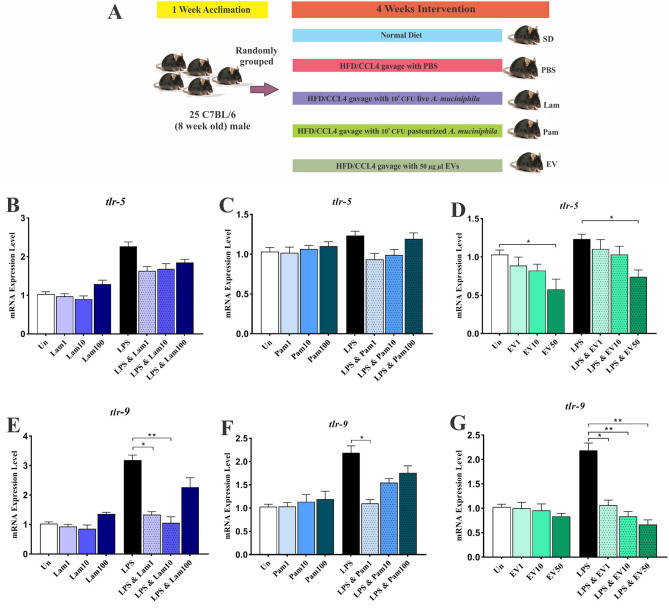
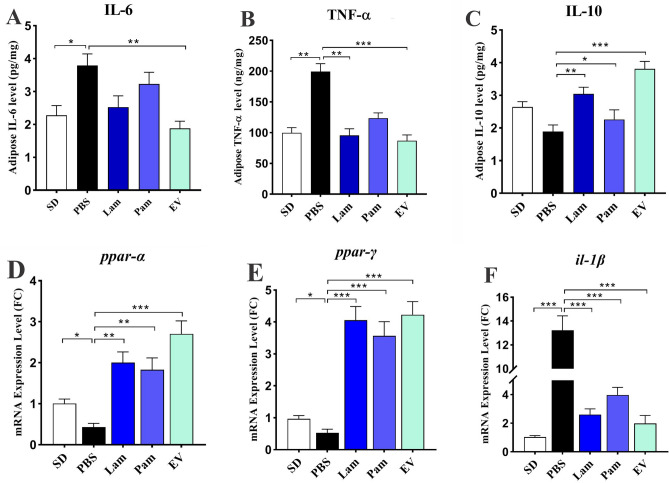
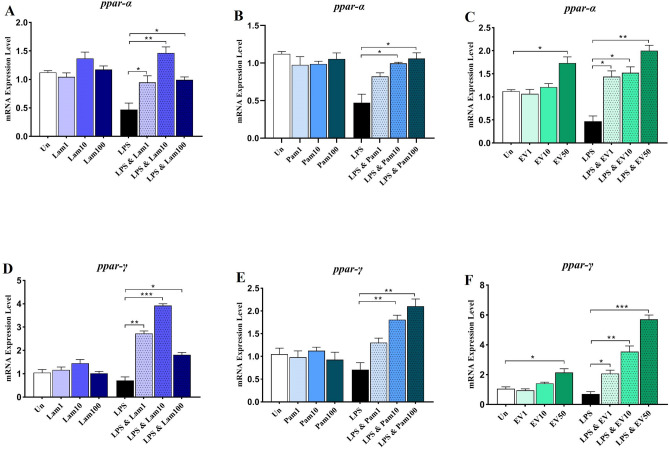
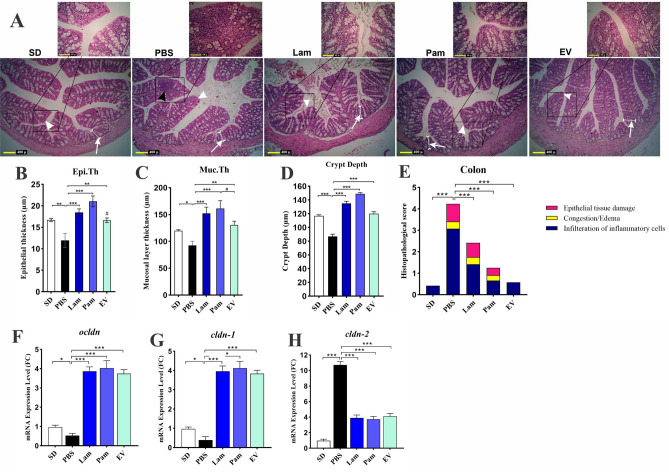
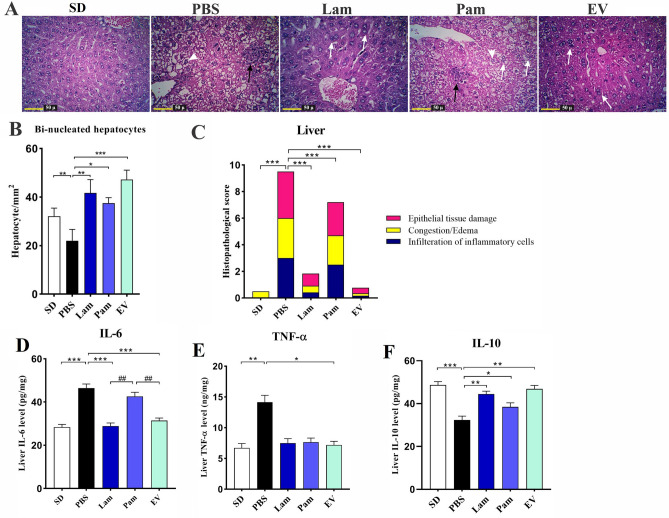
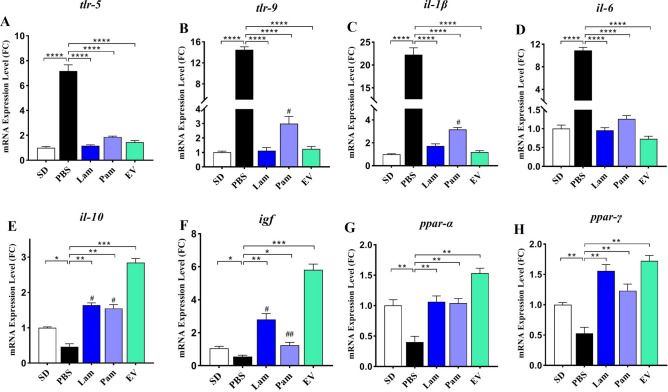
Inflammation plays a critical role in the promotion of hepatocyte damage and liver fibrosis. In recent years the protective role of Akkermansia muciniphila, a next-generation beneficial microbe, has been suggested for metabolic and inflammatory disorders. In this study, we aimed to evaluate the effects of live and pasteurized A. muciniphila and its extra cellular vesicles (EVs) on inflammatory markers involved in liver fibrosis in a mouse model of a high-fat diet (HFD)/carbon tetrachloride (CCl)-induced liver injury. Firstly, the responses of hepatic stellate cells (HSCs) to live and pasteurized A. muciniphila and its EVs were examined in the quiescent and LPS-activated LX-2 cells. Next, the anti-inflammatory effects of different forms of A. muciniphila were examined in the mouse model of HFD/CCl-induced liver injury. The gene expression of various inflammatory markers was evaluated in liver, colon, and white adipose tissues. The cytokine secretion in the liver and white adipose tissues was also measured by ELISA. The results showed that administration of live and pasteurized A. muciniphila and its EVs leads to amelioration in HSCs activation. Based on data obtained from the histopathological analysis, an improvement in gut health was observed through enhancing the epithelium and mucosal layer thickness and strengthening the intestinal integrity in all treatments. Moreover, live A. muciniphila and its EVs had inhibitory effects on liver inflammation and hepatocytes damage. In addition, the tissue cytokine production and inflammatory gene expression levels revealed that live A. muciniphila and its EVs had more pronounced anti-inflammatory effects on liver and adipose tissues. Furthermore, EVs had better effects on the modulation of gene expression related to TLRs, PPARs, and immune response in the liver. In conclusion, the present results showed that oral administration of A. muciniphila and its derivatives for four weeks could enhance the intestinal integrity and anti-inflammatory responses of the colon, adipose, and liver tissues and subsequently prevent liver injury in HFD/CCL mice.
炎症在促进肝细胞损伤和肝纤维化中起着关键作用。近年来,下一代有益微生物阿克曼氏菌(Akkermansia muciniphila)的保护作用已被提出用于代谢和炎症紊乱。在这项研究中,我们旨在评估活菌和巴氏杀菌的阿克曼氏菌及其细胞外囊泡(EVs)对高脂肪饮食(HFD)/四氯化碳(CCl)诱导的肝损伤小鼠模型中涉及肝纤维化的炎症标志物的影响。首先,在静止和 LPS 激活的 LX-2 细胞中检查了肝星状细胞(HSCs)对活菌和巴氏杀菌的阿克曼氏菌及其 EVs 的反应。接下来,在 HFD/CCl 诱导的肝损伤小鼠模型中检查了不同形式的阿克曼氏菌的抗炎作用。通过 ELISA 测量肝脏和白色脂肪组织中的细胞因子分泌,评估了肝脏、结肠和白色脂肪组织中各种炎症标志物的基因表达。结果表明,活菌和巴氏杀菌的阿克曼氏菌及其 EVs 的给药导致 HSCs 激活的改善。根据组织病理学分析获得的数据,通过增强上皮和黏膜层厚度以及增强所有治疗的肠道完整性,观察到肠道健康得到改善。此外,活菌和巴氏杀菌的阿克曼氏菌及其 EVs 对肝脏炎症和肝细胞损伤具有抑制作用。此外,组织细胞因子产生和炎症基因表达水平表明,活菌和巴氏杀菌的阿克曼氏菌及其 EVs 对肝脏和脂肪组织具有更显著的抗炎作用。此外,EVs 对肝脏中与 TLRs、PPARs 和免疫反应相关的基因表达的调节具有更好的效果。总之,本研究结果表明,口服阿克曼氏菌及其衍生物四周可增强结肠、脂肪和肝脏组织的肠道完整性和抗炎反应,从而防止 HFD/CCl 小鼠的肝损伤。