Swiss Tropical and Public Health Institute, Basel, Switzerland.
University of Basel, Basel, Switzerland.
PLoS Negl Trop Dis. 2022 Feb 16;16(2):e0010212. doi: 10.1371/journal.pntd.0010212. eCollection 2022 Feb.
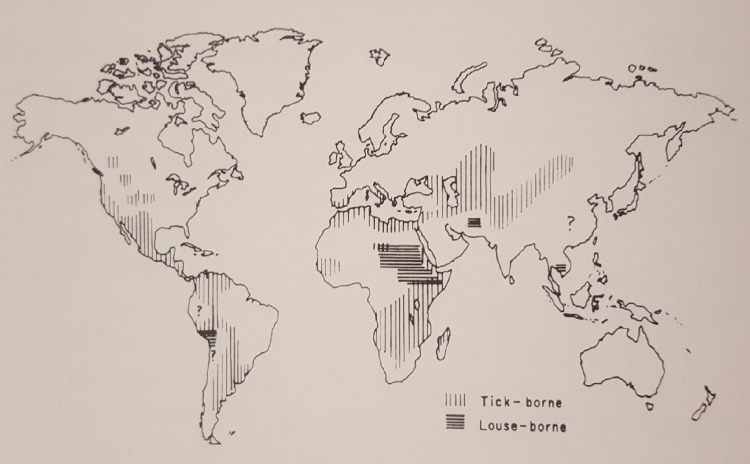
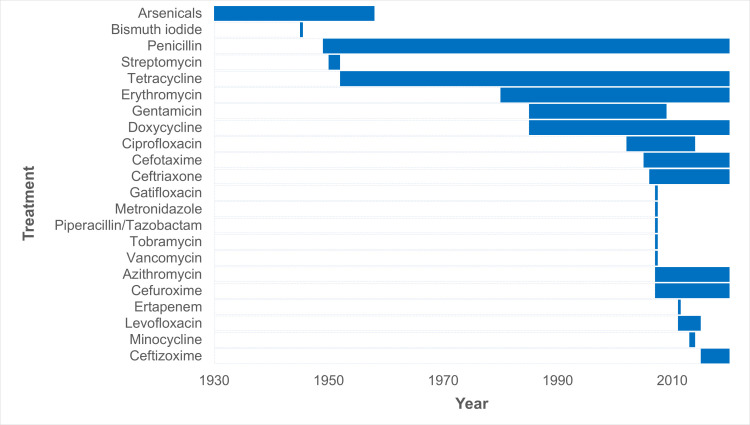
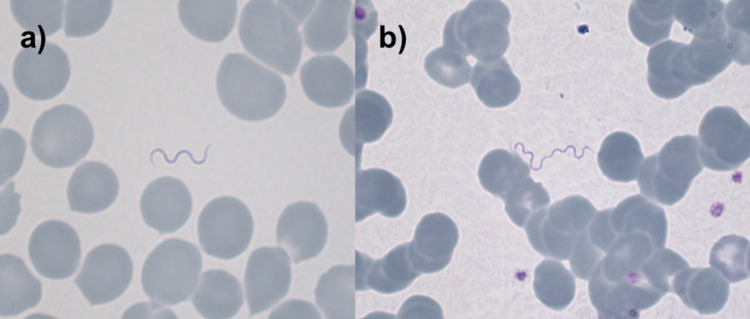
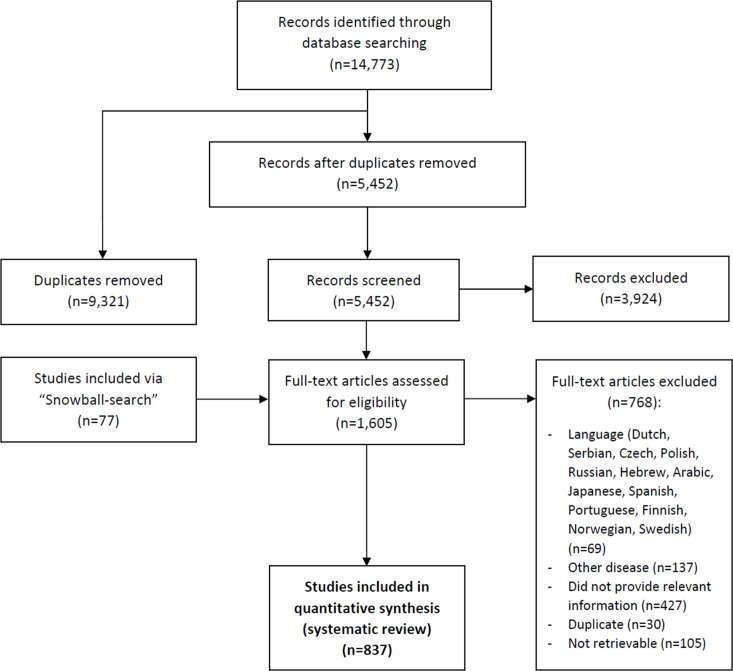
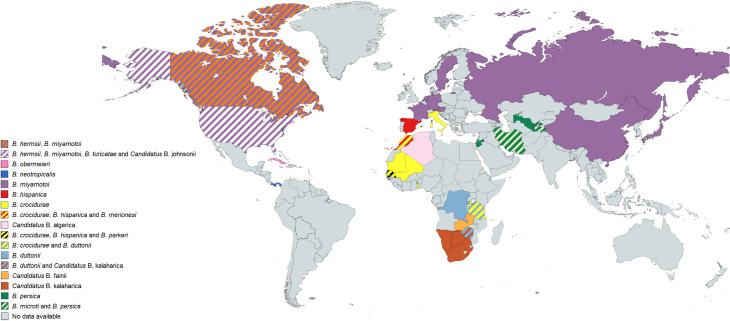
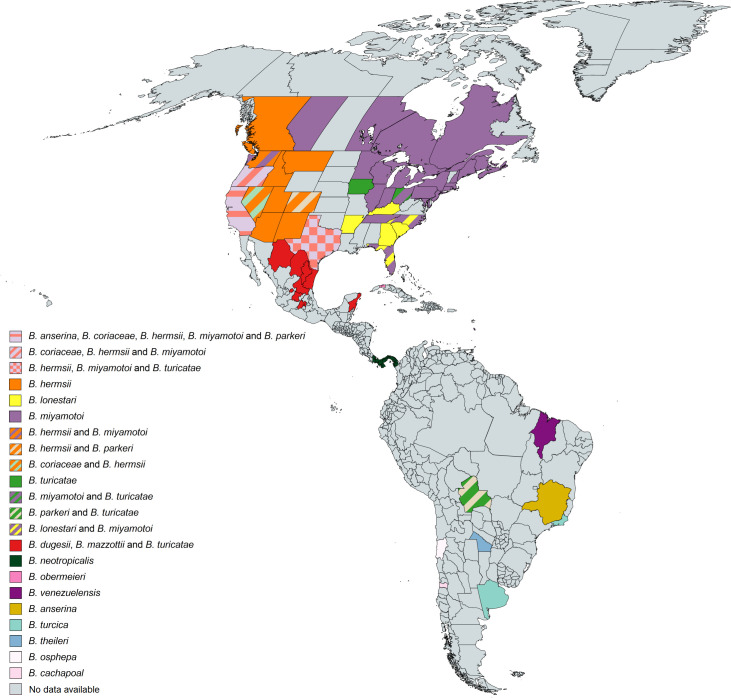
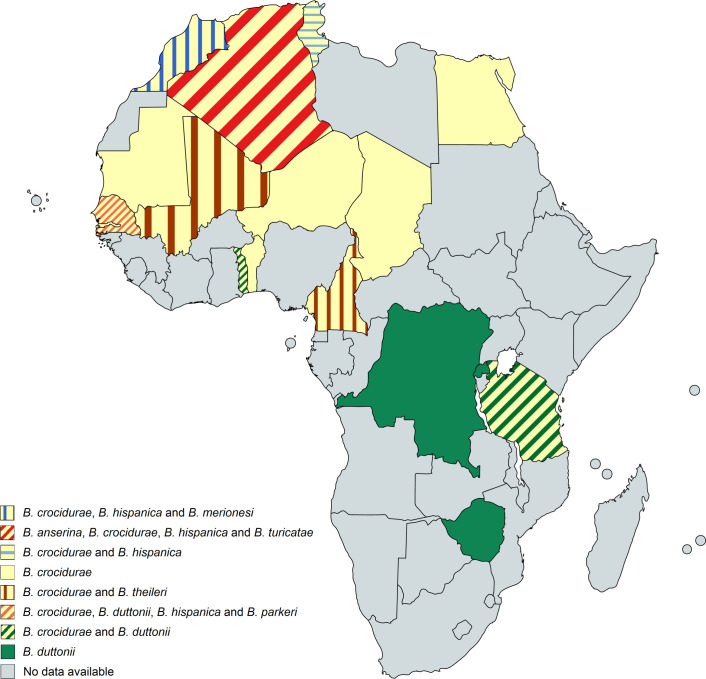
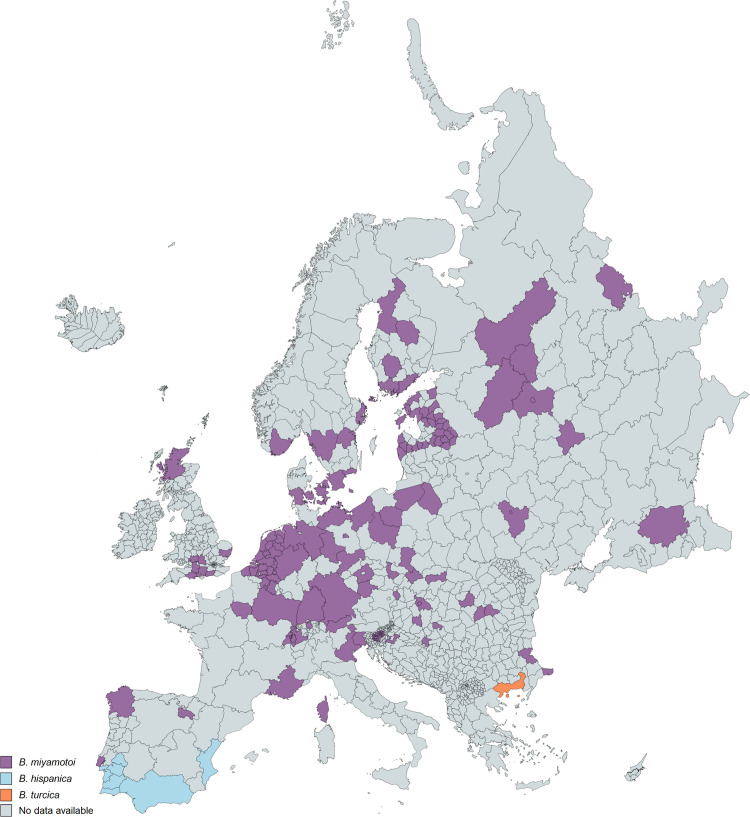
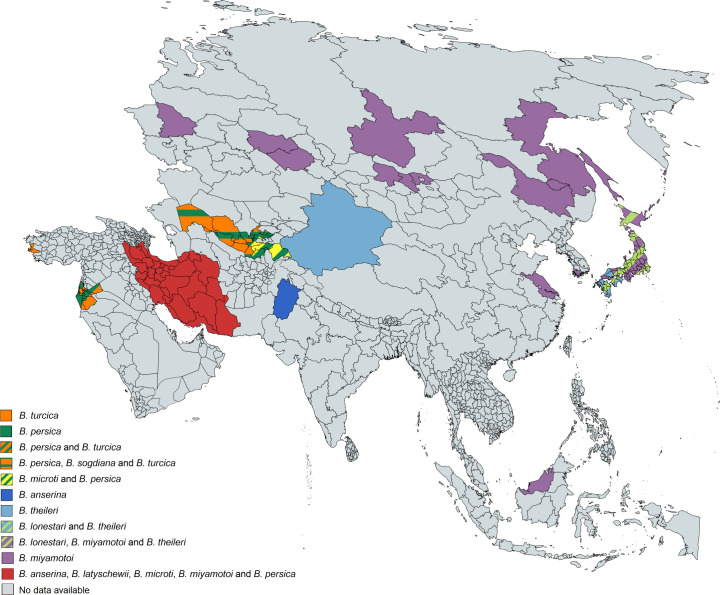
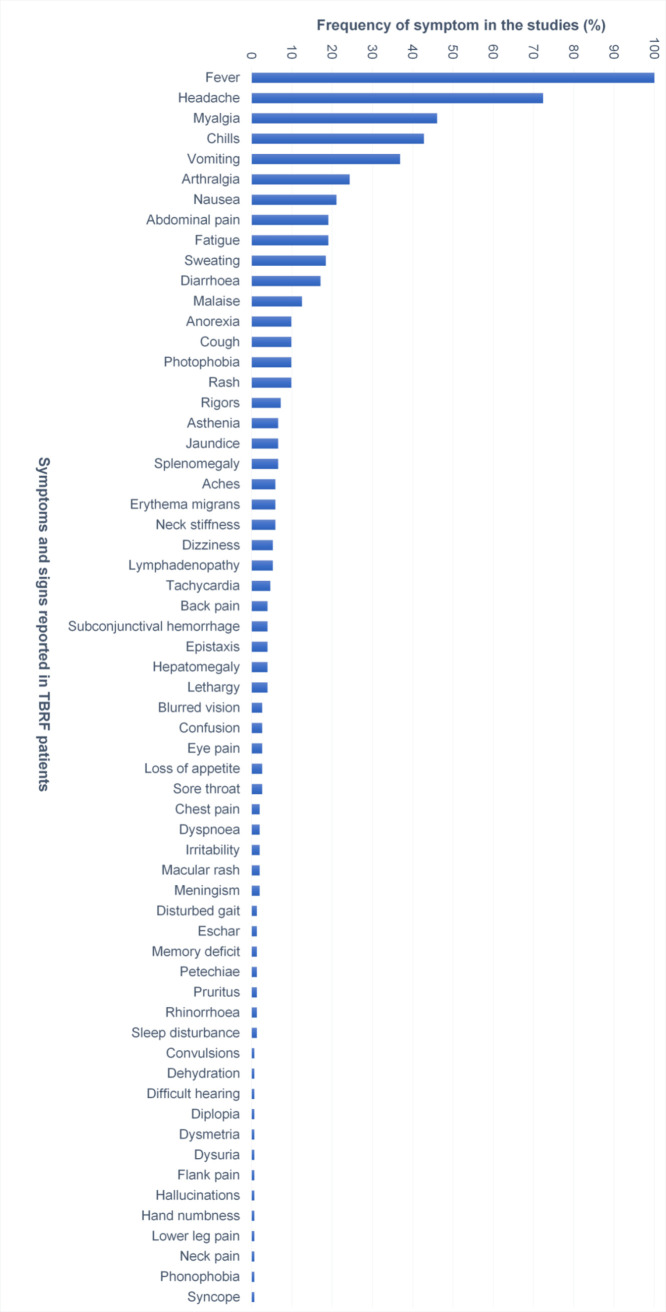
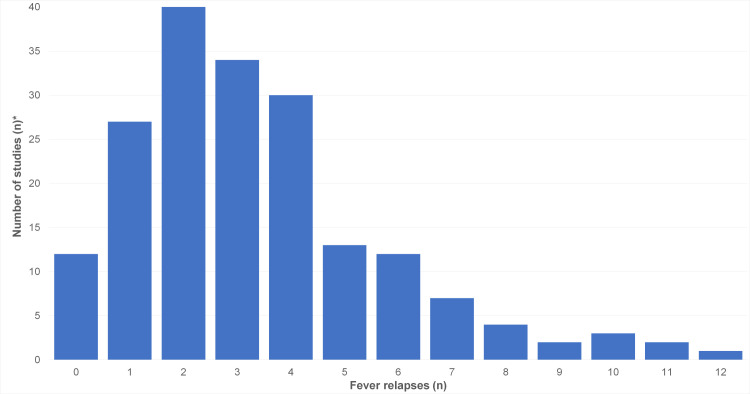
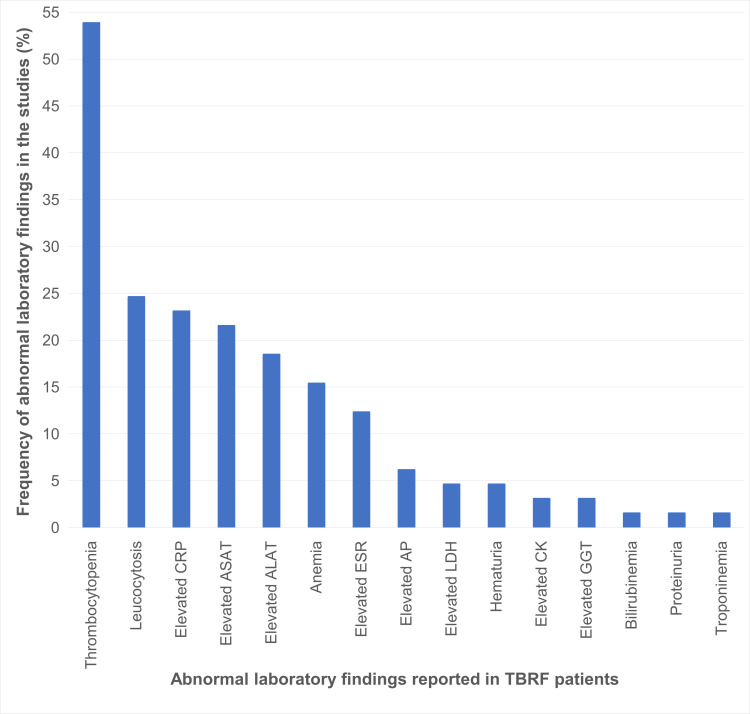
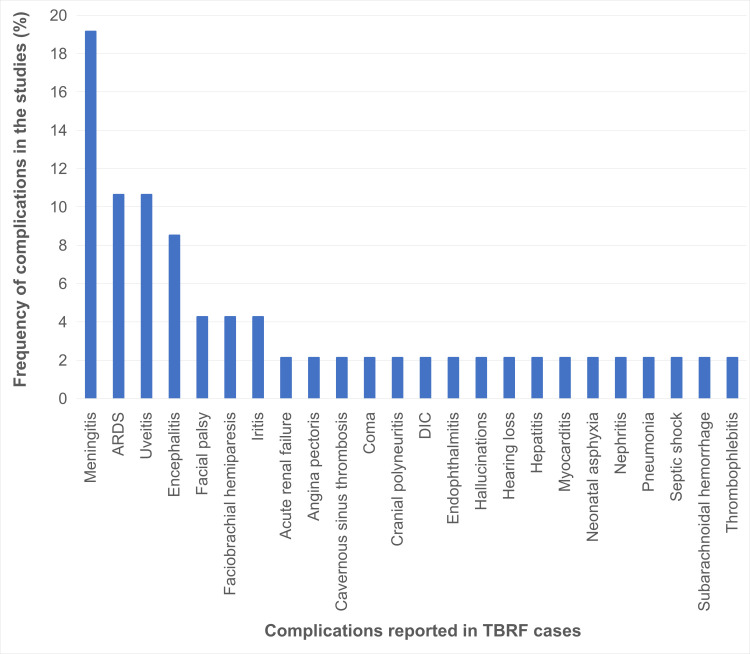
Tick borne relapsing fever (TBRF) is a zoonosis caused by various Borrelia species transmitted to humans by both soft-bodied and (more recently recognized) hard-bodied ticks. In recent years, molecular diagnostic techniques have allowed to extend our knowledge on the global epidemiological picture of this neglected disease. Nevertheless, due to the patchy occurrence of the disease and the lack of large clinical studies, the knowledge on several clinical aspects of the disease remains limited. In order to shed light on some of these aspects, we have systematically reviewed the literature on TBRF and summarized the existing data on epidemiology and clinical aspects of the disease. Publications were identified by using a predefined search strategy on electronic databases and a subsequent review of the reference lists of the obtained publications. All publications reporting patients with a confirmed diagnosis of TBRF published in English, French, Italian, German, and Hungarian were included. Maps showing the epidemiogeographic mosaic of the different TBRF Borrelia species were compiled and data on clinical aspects of TBRF were analysed. The epidemiogeographic mosaic of TBRF is complex and still continues to evolve. Ticks harbouring TBRF Borrelia have been reported worldwide, with the exception of Antarctica and Australia. Although only molecular diagnostic methods allow for species identification, microscopy remains the diagnostic gold standard in most clinical settings. The most suggestive symptom in TBRF is the eponymous relapsing fever (present in 100% of the cases). Thrombocytopenia is the most suggestive laboratory finding in TBRF. Neurological complications are frequent in TBRF. Treatment is with beta-lactams, tetracyclines or macrolids. The risk of Jarisch-Herxheimer reaction (JHR) appears to be lower in TBRF (19.3%) compared to louse-borne relapsing fever (LBRF) (55.8%). The overall case fatality rate of TBRF (6.5%) and LBRF (4-10.2%) appears to not differ. Unlike LBRF, where perinatal fatalities are primarily attributable to abortion, TBRF-related perinatal fatalities appear to primarily affect newborns.
蜱传回归热(TBRF)是一种由各种伯氏疏螺旋体引起的人畜共患病,通过软蜱和(最近发现的)硬蜱传播给人类。近年来,分子诊断技术使我们对这种被忽视的疾病的全球流行病学有了更深入的了解。然而,由于该病的发病情况参差不齐,且缺乏大型临床研究,因此对该病的几个临床方面的了解仍有限。为了阐明其中的一些方面,我们系统地回顾了有关 TBRF 的文献,并总结了该病的流行病学和临床方面的现有数据。使用预先确定的电子数据库搜索策略和随后对获得的出版物的参考文献的审查,确定了出版物。纳入了以英文、法文、意大利文、德文和匈牙利文发表的所有报告 TBRF 确诊患者的出版物。编制了显示不同 TBRF 伯氏疏螺旋体的流行病学马赛克图,并分析了 TBRF 的临床方面的数据。TBRF 的流行病学马赛克图很复杂,并且仍在不断发展。除南极洲和澳大利亚外,世界各地均有携带 TBRF 伯氏疏螺旋体的蜱。尽管只有分子诊断方法才能进行物种鉴定,但在大多数临床环境中,显微镜检查仍是诊断的金标准。TBRF 最具提示性的症状是命名为回归热(100%的病例均有此症状)。血小板减少症是 TBRF 最具提示性的实验室发现。TBRF 常发生神经系统并发症。治疗方法是使用β-内酰胺类、四环素类或大环内酯类。与虱传回归热(LBRF)(55.8%)相比,TBRF 中贾第虫赫克斯海默反应(JHR)的风险似乎较低(19.3%)。TBRF(6.5%)和 LBRF(4-10.2%)的总病死率似乎没有差异。与主要归因于流产的围产期死亡主要发生在 LBRF 不同,TBRF 相关的围产期死亡似乎主要影响新生儿。