Department of Lab Medicine & Pathology, University of Washington, Seattle, WA 98195, USA.
Molecular & Cellular Biology, University of Washington, Seattle, WA 98195, USA.
Cell Stem Cell. 2022 Mar 3;29(3):419-433.e10. doi: 10.1016/j.stem.2022.01.012. Epub 2022 Feb 16.
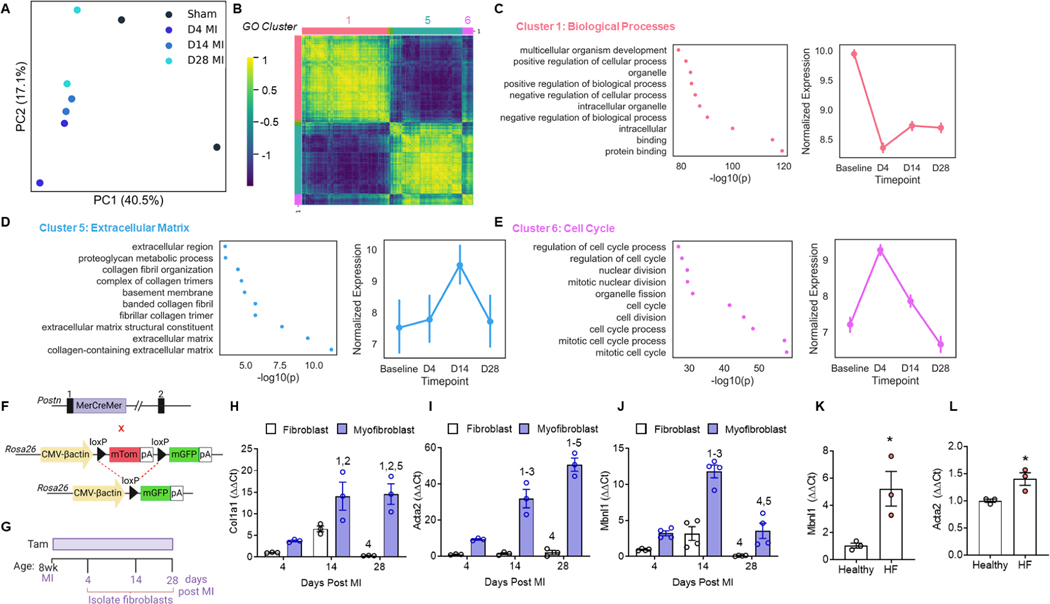
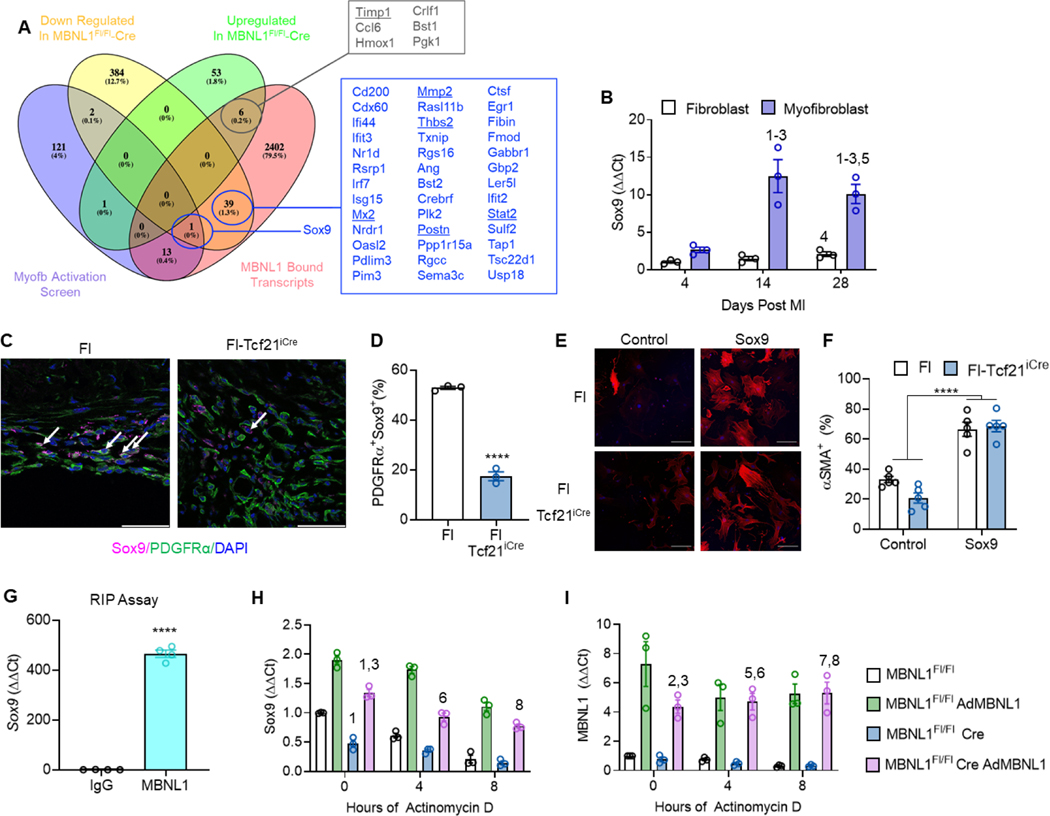
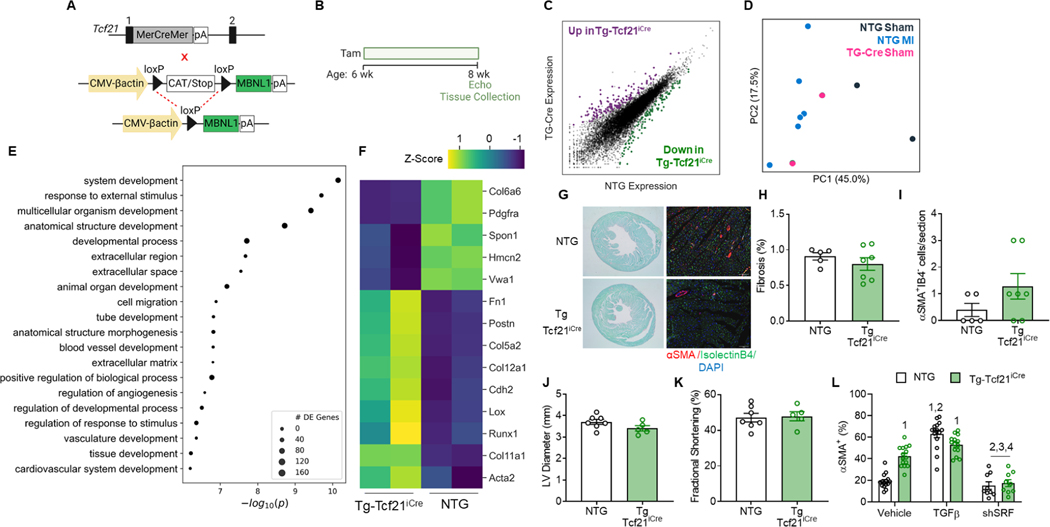
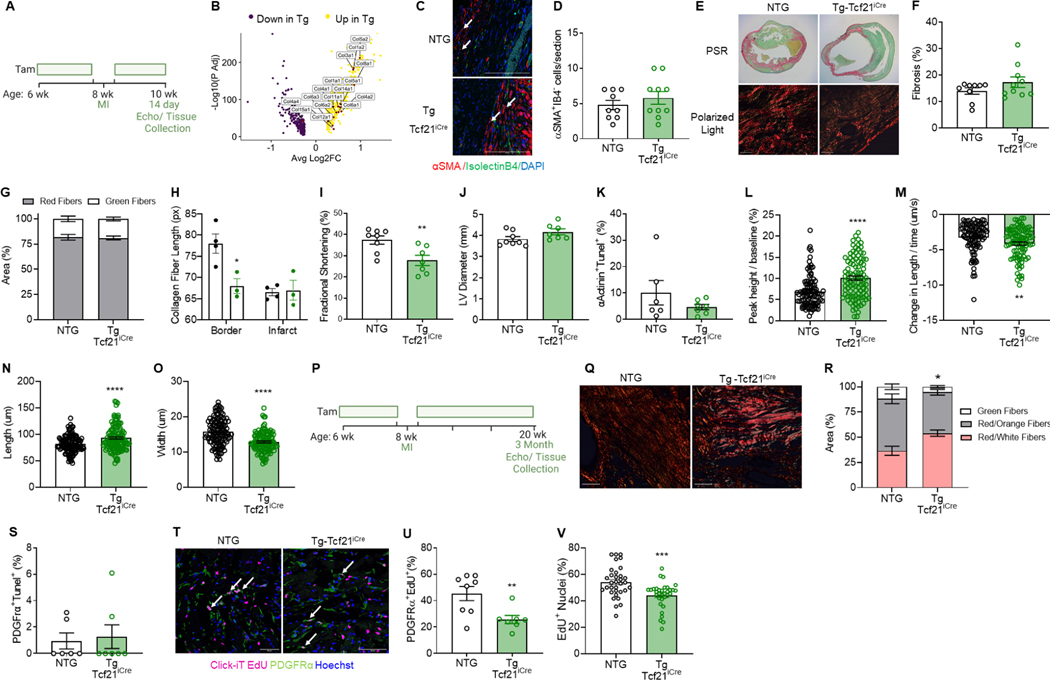
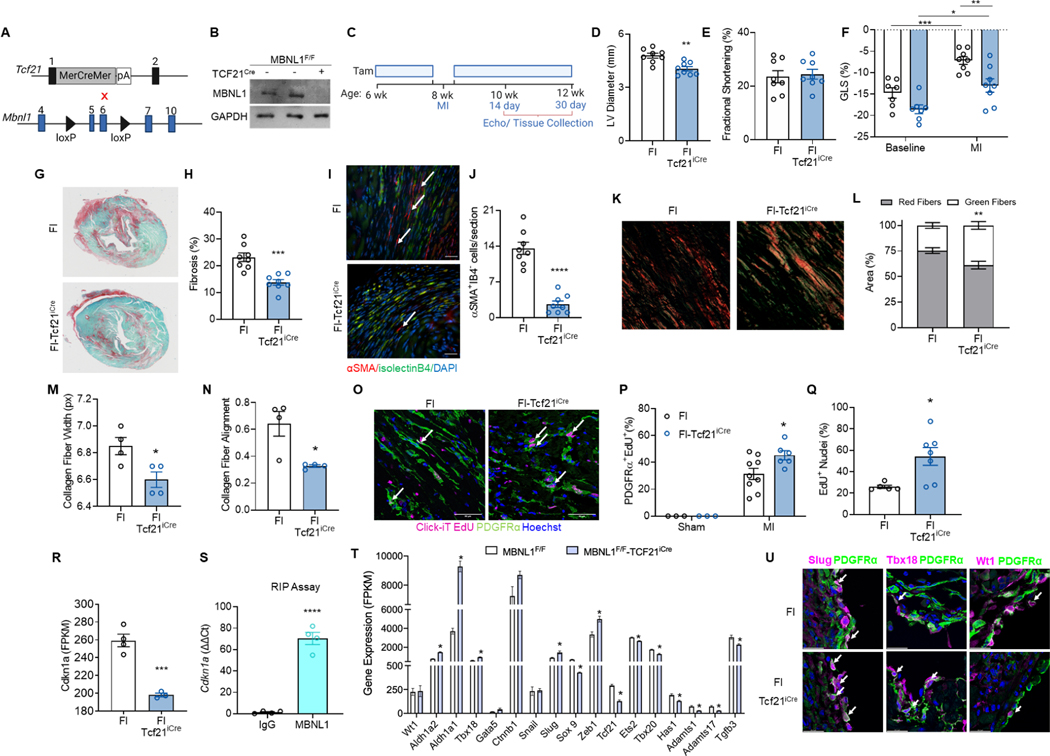
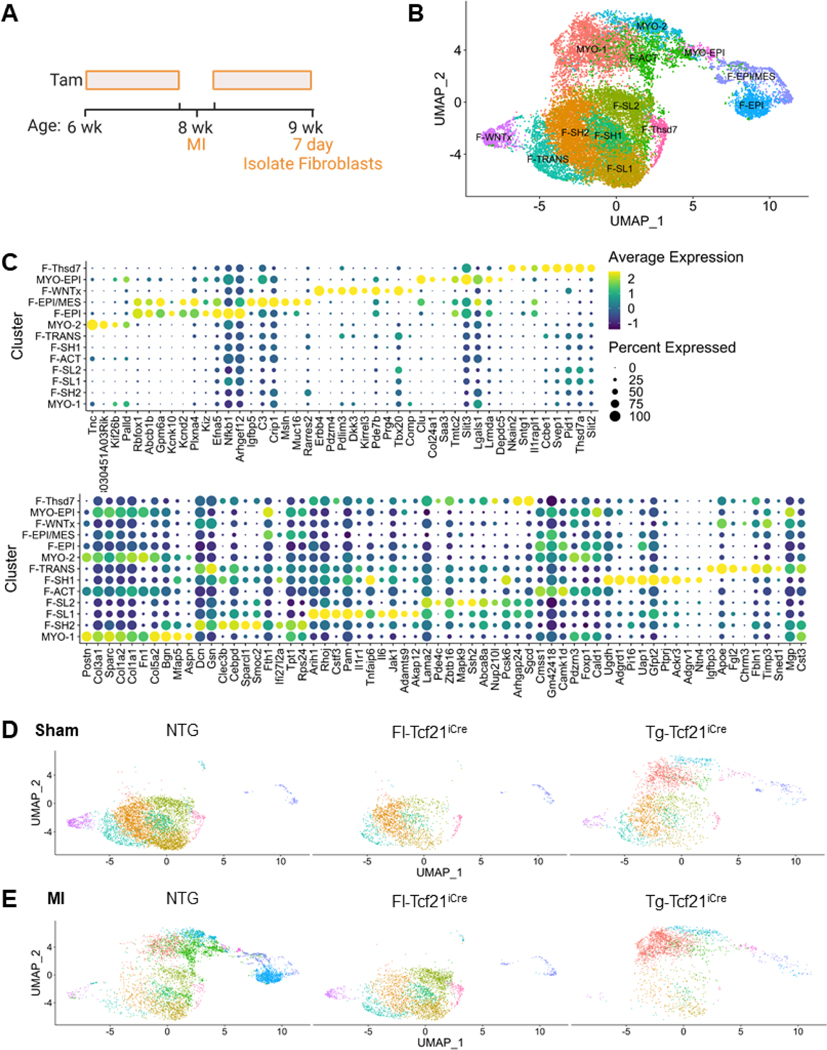
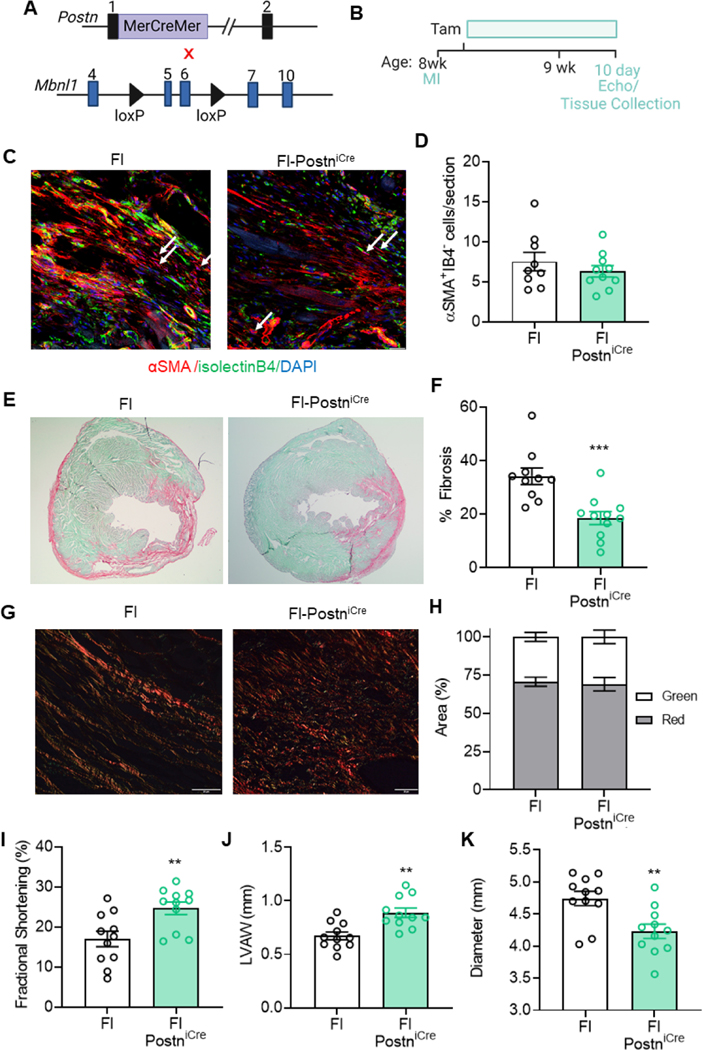
Dynamic fibroblast to myofibroblast state transitions underlie the heart's fibrotic response. Because transcriptome maturation by muscleblind-like 1 (MBNL1) promotes differentiated cell states, this study investigated whether tactical control of MBNL1 activity could alter myofibroblast activity and fibrotic outcomes. In healthy mice, cardiac fibroblast-specific overexpression of MBNL1 transitioned the fibroblast transcriptome to that of a myofibroblast and after injury promoted myocyte remodeling and scar maturation. Both fibroblast- and myofibroblast-specific loss of MBNL1 limited scar production and stabilization, which was ascribed to negligible myofibroblast activity. The combination of MBNL1 deletion and injury caused quiescent fibroblasts to expand and adopt features of cardiac mesenchymal stem cells, whereas transgenic MBNL1 expression blocked fibroblast proliferation and drove the population into a mature myofibroblast state. These data suggest MBNL1 is a post-transcriptional switch, controlling fibroblast state plasticity during cardiac wound healing.
动态成纤维细胞向肌成纤维细胞状态的转变是心脏纤维化反应的基础。由于肌肉盲样蛋白 1(MBNL1)的转录组成熟促进了分化细胞状态,因此本研究调查了战术性控制 MBNL1 活性是否可以改变肌成纤维细胞的活性和纤维化结果。在健康小鼠中,心脏成纤维细胞特异性过表达 MBNL1 将成纤维细胞的转录组转变为肌成纤维细胞,并且在损伤后促进心肌细胞重塑和疤痕成熟。成纤维细胞和肌成纤维细胞特异性的 MBNL1 缺失都限制了疤痕的产生和稳定,这归因于肌成纤维细胞活性可忽略不计。MBNL1 缺失和损伤的组合导致静止的成纤维细胞扩张并表现出心脏间充质干细胞的特征,而转基因 MBNL1 表达则阻止了成纤维细胞的增殖,并促使该群体进入成熟的肌成纤维细胞状态。这些数据表明,MBNL1 是一种转录后开关,控制心脏伤口愈合过程中成纤维细胞状态的可塑性。