Division of Plastic, Reconstructive and Aesthetic Surgery, Geneva University Hospitals, University of Geneva Faculty of Medicine, Geneva, Switzerland; Department of Pathology and Immunology, Faculty of Medicine, University of Geneva, Geneva, Switzerland.
Department of Pathology and Immunology, Faculty of Medicine, University of Geneva, Geneva, Switzerland.
Redox Biol. 2023 Apr;60:102609. doi: 10.1016/j.redox.2023.102609. Epub 2023 Jan 13.
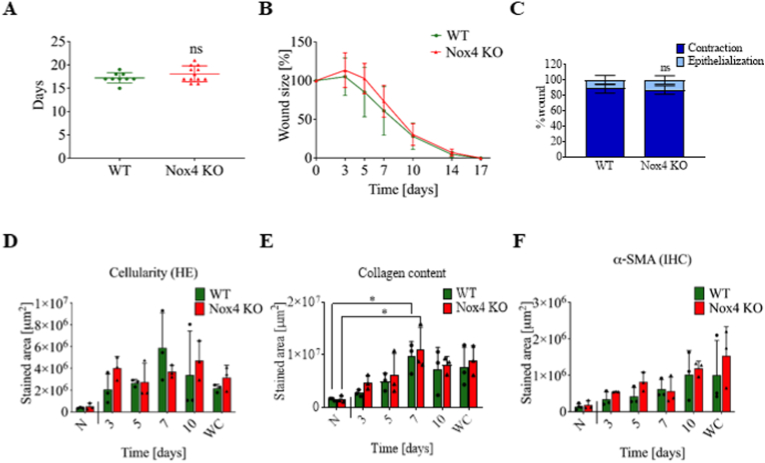
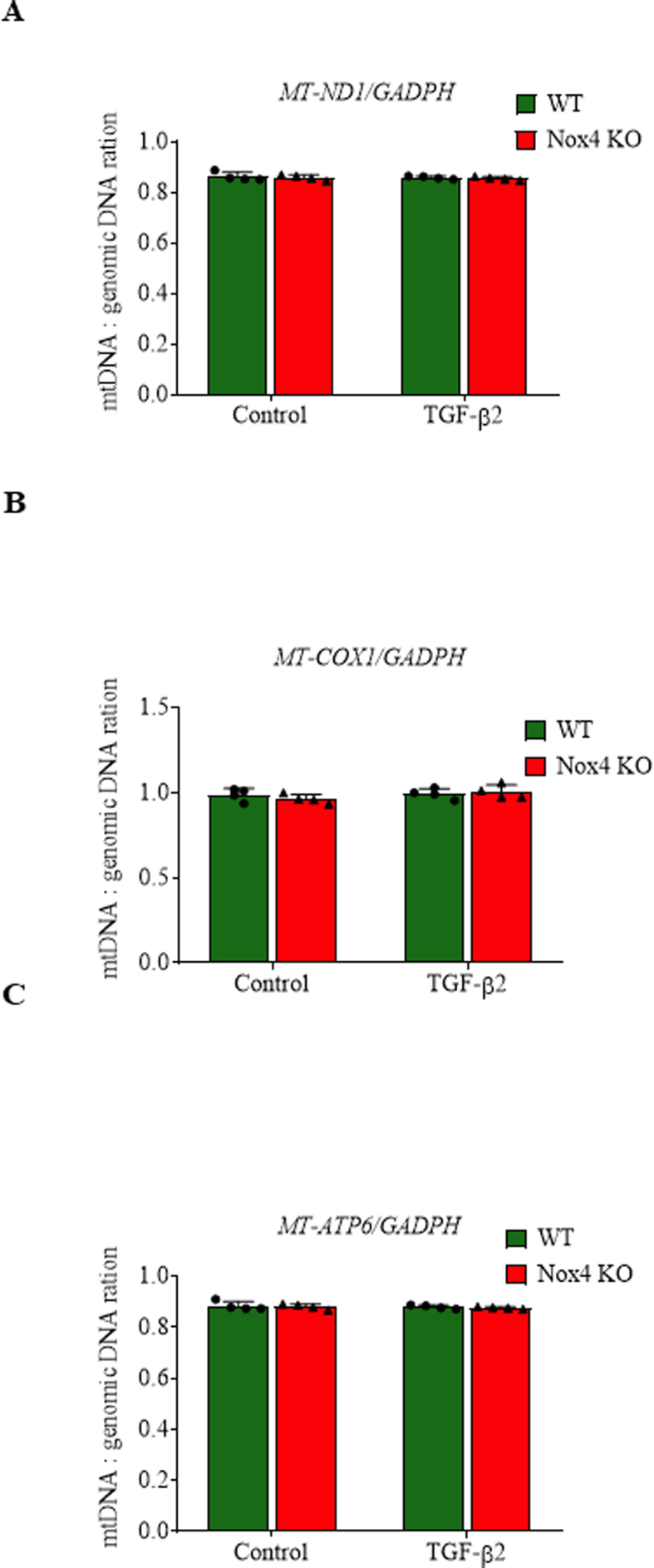
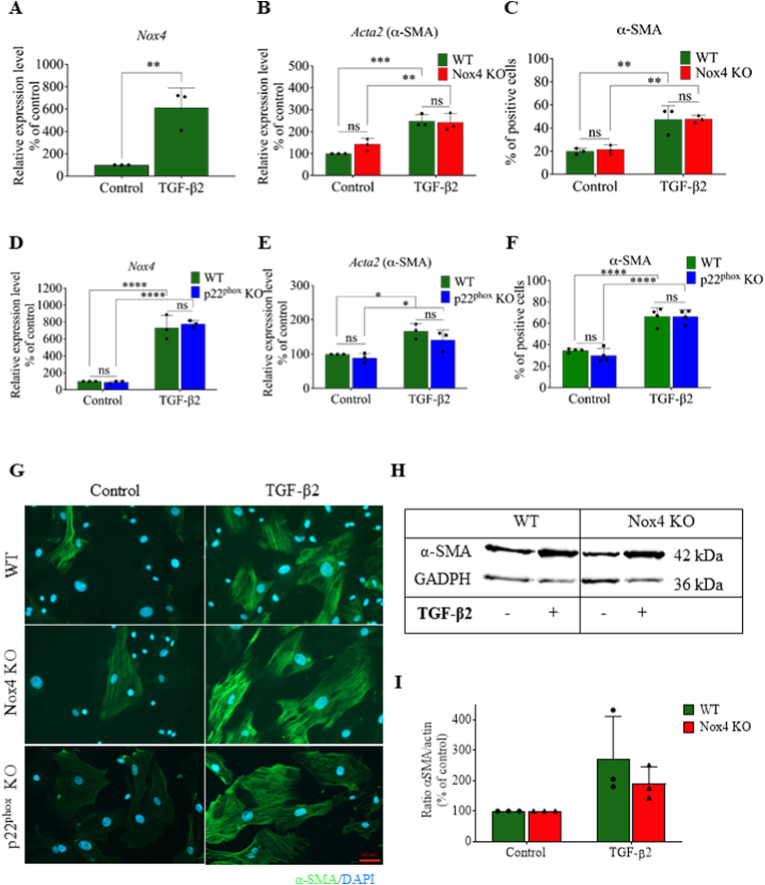
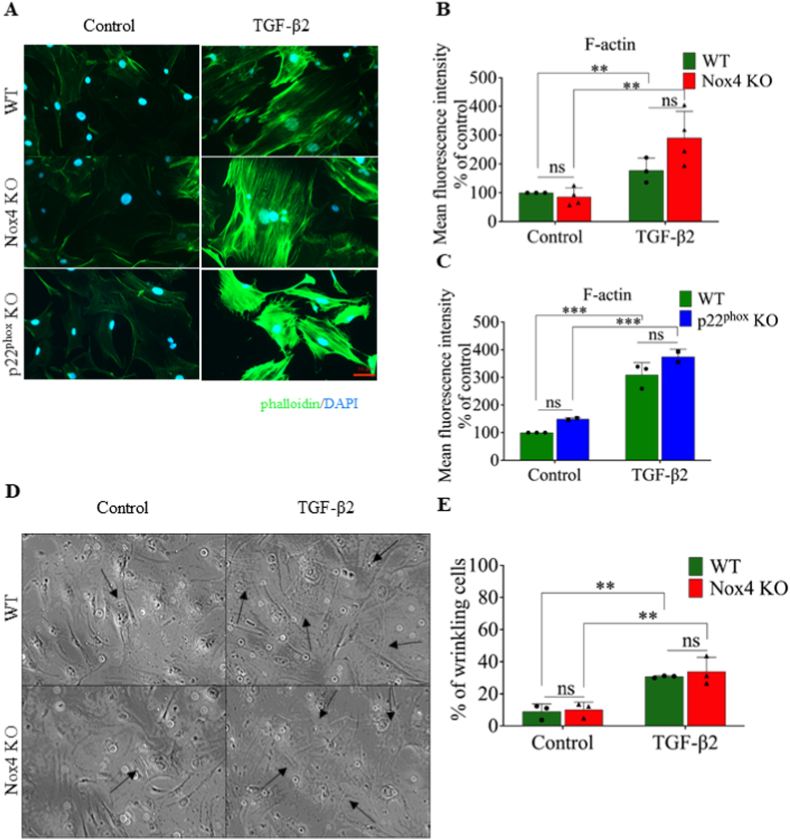
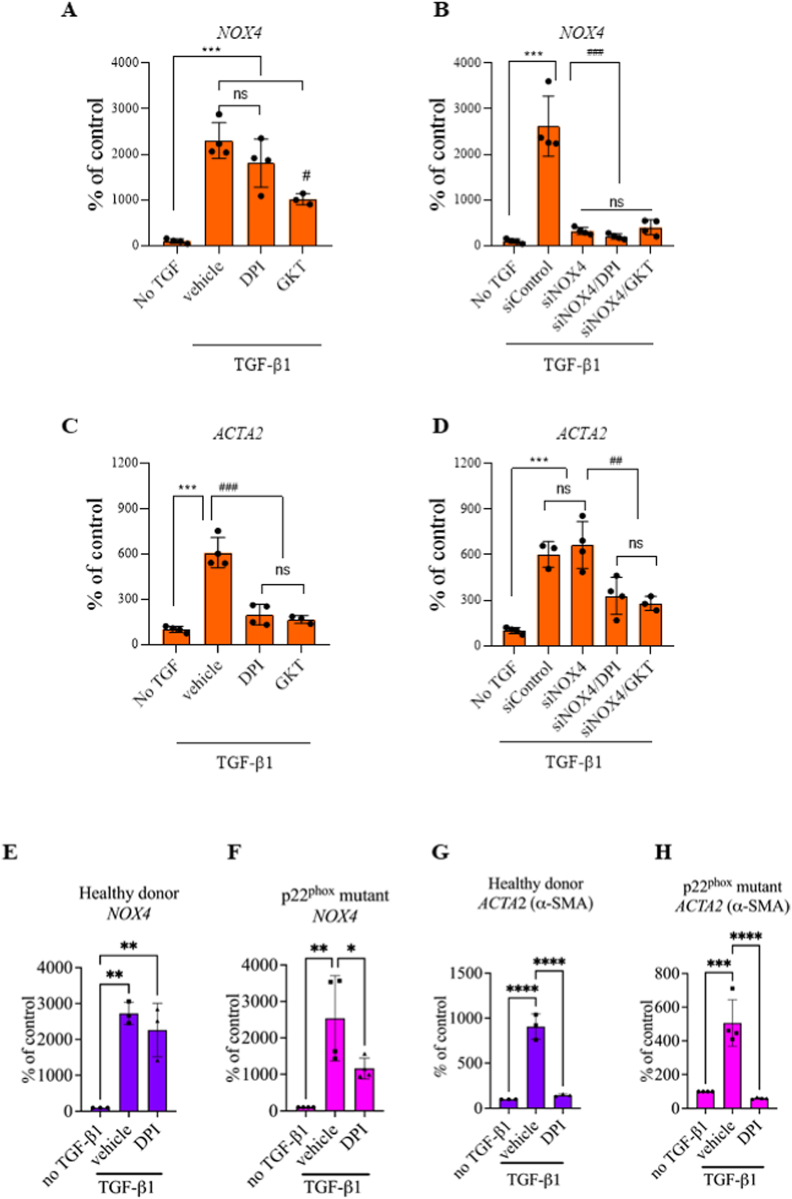
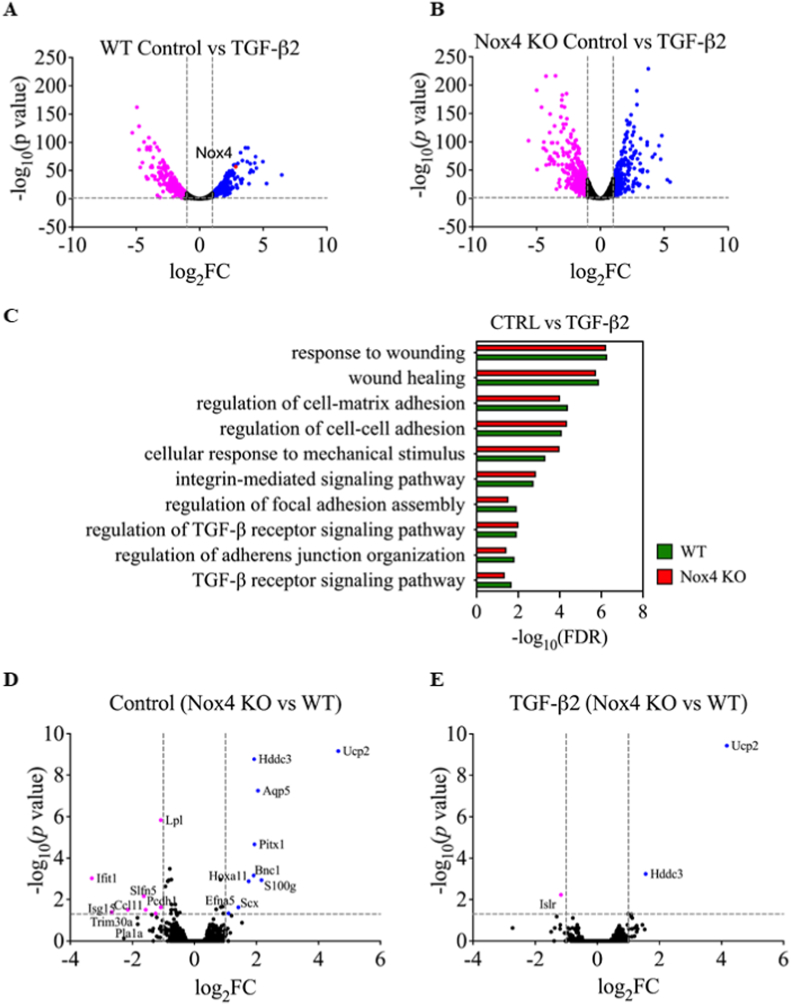
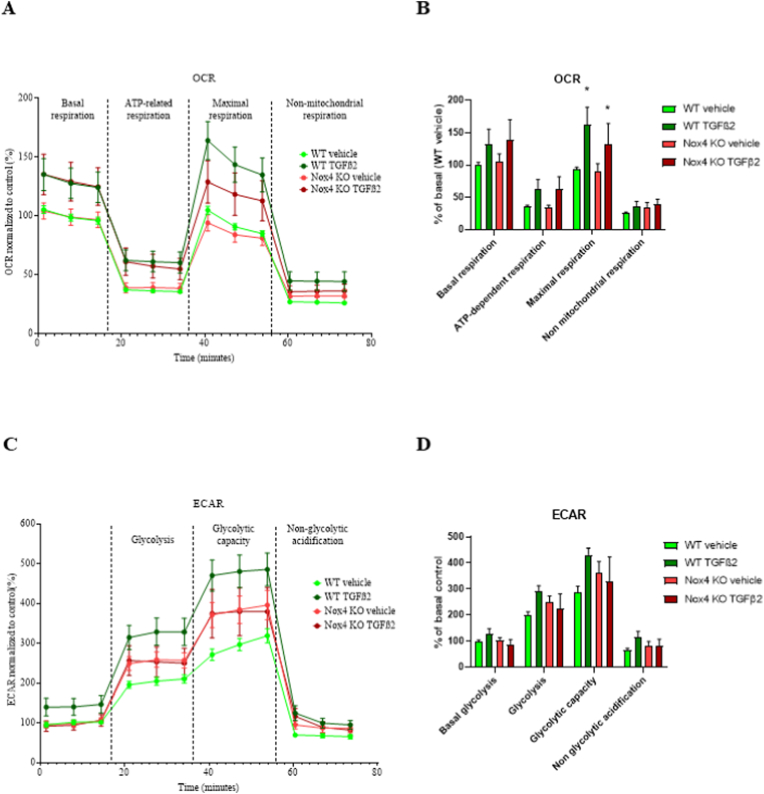
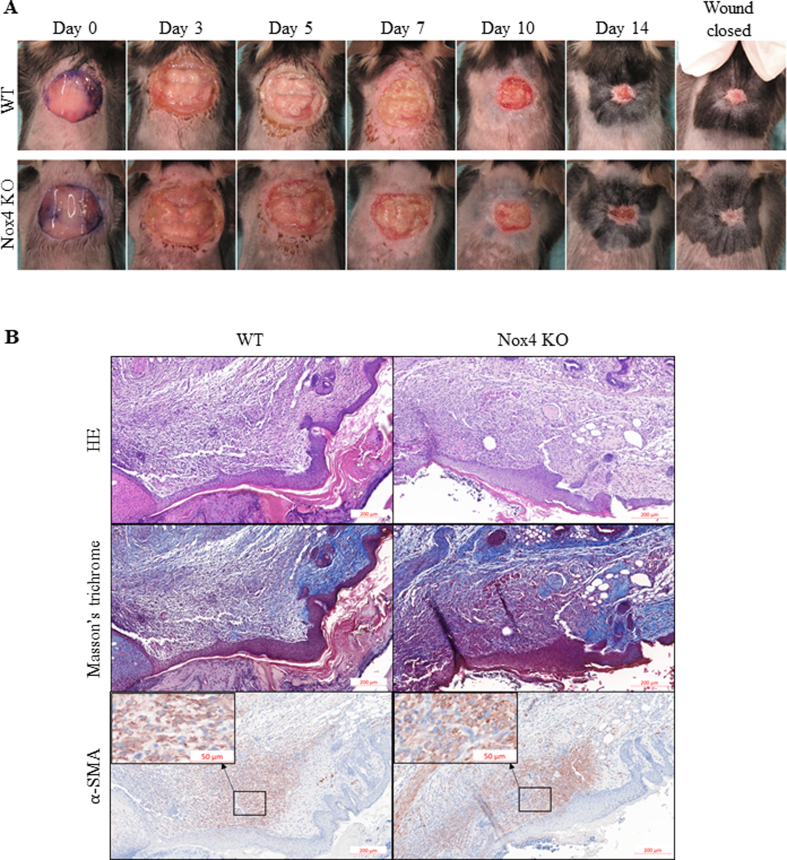
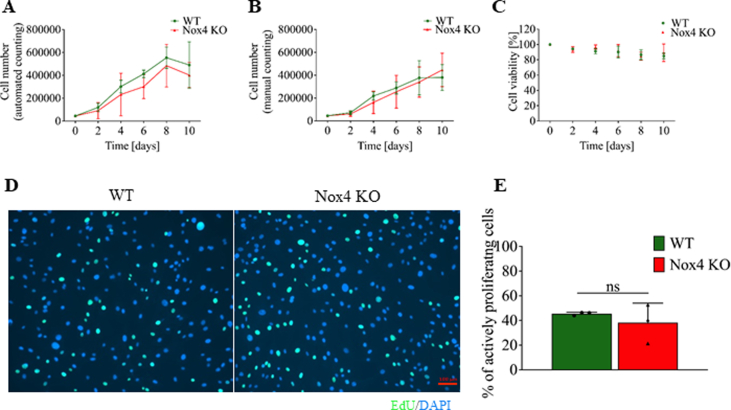
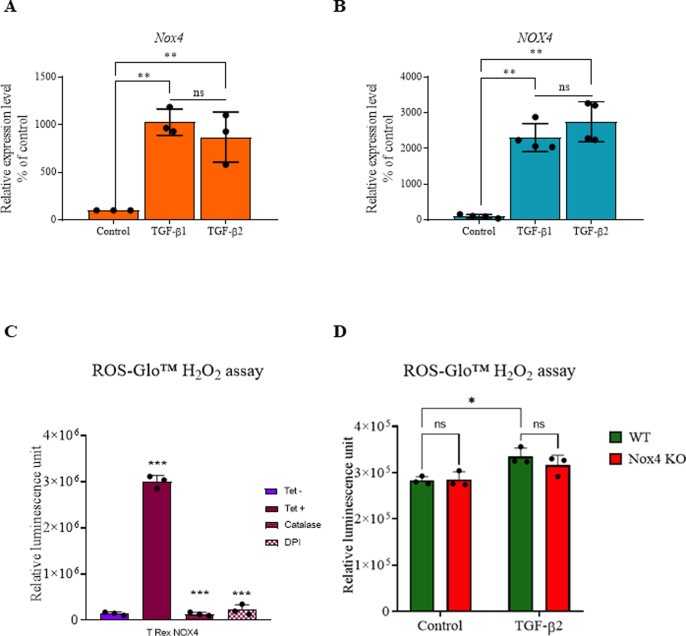
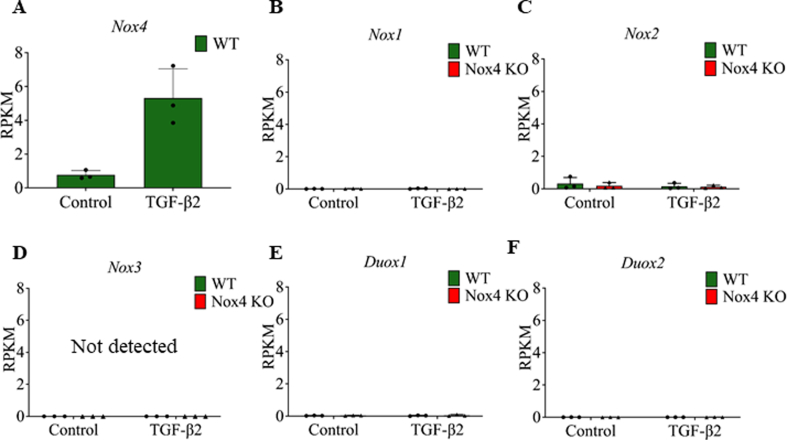
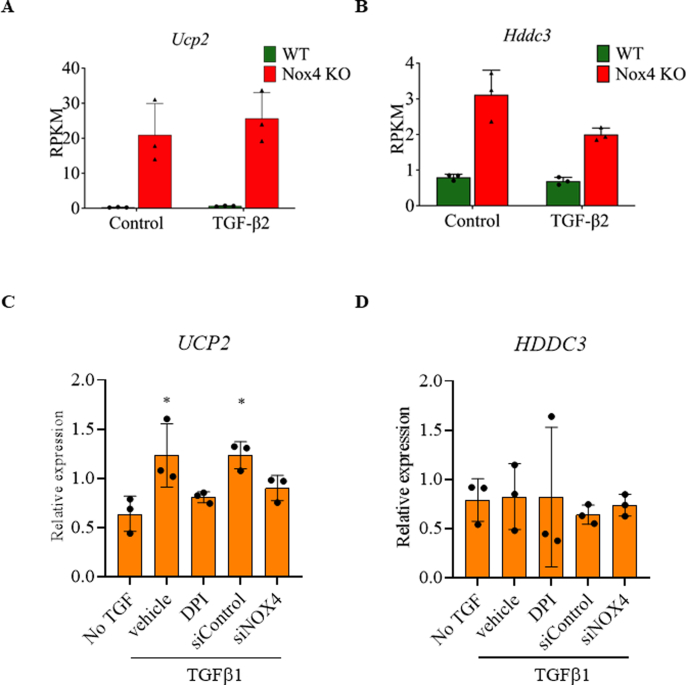
Differentiation of fibroblasts to myofibroblasts is governed by the transforming growth factor beta (TGF-β) through a mechanism involving redox signaling and generation of reactive oxygen species (ROS). Myofibroblasts synthesize proteins of the extracellular matrix (ECM) and display a contractile phenotype. Myofibroblasts are predominant contributors of wound healing and several pathological states, including fibrotic diseases and cancer. Inhibition of the ROS-generating enzyme NADPH oxidase 4 (NOX4) has been proposed to mitigate fibroblast to myofibroblast differentiation and to offer a therapeutic option for the treatment of fibrotic diseases. In this study, we addressed the role of NOX4 in physiological wound healing and in TGF-β-induced myofibroblast differentiation. We explored the phenotypic changes induced by TGF-β in primary skin fibroblasts isolated from Nox4-deficient mice by immunofluorescence, Western blotting and RNA sequencing. Mice deficient for Cyba, the gene coding for p22, a key subunit of NOX4 were used for confirmatory experiments as well as human primary skin fibroblasts. In vivo, the wound healing was similar in wild-type and Nox4-deficient mice. In vitro, despite a strong upregulation following TGF-β treatment, Nox4 did not influence skin myofibroblast differentiation although a putative NOX4 inhibitor GKT137831 and a flavoprotein inhibitor diphenylene iodonium mitigated this mechanism. Transcriptomic analysis revealed upregulation of the mitochondrial protein Ucp2 and the stress-response protein Hddc3 in Nox4-deficient fibroblasts, which had however no impact on fibroblast bioenergetics. Altogether, we provide extensive evidence that NOX4 is dispensable for wound healing and skin fibroblast to myofibroblast differentiation, and suggest that another HO-generating flavoprotein drives this mechanism.
成纤维细胞向肌成纤维细胞的分化受转化生长因子-β(TGF-β)调控,该过程涉及氧化还原信号和活性氧(ROS)的产生。肌成纤维细胞合成细胞外基质(ECM)的蛋白质,并表现出收缩表型。肌成纤维细胞是伤口愈合和几种病理状态(包括纤维化疾病和癌症)的主要贡献者。抑制ROS 生成酶 NADPH 氧化酶 4(NOX4)已被提议减轻成纤维细胞向肌成纤维细胞的分化,并为纤维化疾病的治疗提供一种治疗选择。在这项研究中,我们研究了 NOX4 在生理伤口愈合和 TGF-β诱导的肌成纤维细胞分化中的作用。我们通过免疫荧光、Western blot 和 RNA 测序探索了 TGF-β在从 Nox4 缺陷型小鼠分离的原代皮肤成纤维细胞中诱导的表型变化。我们还使用缺乏编码 NOX4 关键亚基 p22 的 Cyba 基因的小鼠以及人原代皮肤成纤维细胞进行了确认实验。体内,野生型和 Nox4 缺陷型小鼠的伤口愈合相似。体外,尽管 TGF-β处理后 NOX4 强烈上调,但 NOX4 并未影响皮肤肌成纤维细胞的分化,尽管潜在的 NOX4 抑制剂 GKT137831 和黄素蛋白抑制剂二苯基碘鎓减轻了这种机制。转录组分析显示 Nox4 缺陷型成纤维细胞中线粒体蛋白 Ucp2 和应激反应蛋白 Hddc3 的上调,但这对成纤维细胞的生物能量学没有影响。总的来说,我们提供了广泛的证据表明,NOX4 对于伤口愈合和皮肤成纤维细胞向肌成纤维细胞的分化是可有可无的,并表明另一种 HO 生成黄素蛋白驱动了这种机制。