Yuan Renyikun, Fan Qiumei, Liang Xiaowei, Han Shan, He Jia, Wang Qin-Qin, Gao Hongwei, Feng Yulin, Yang Shilin
College of Pharmacy, Jiangxi University of Traditional Chinese Medicine, Nanchang, 330004, China.
College of Pharmacy, Guangxi University of Chinese Medicine, Nanning, 530000, China.
Chin Med. 2022 Feb 19;17(1):24. doi: 10.1186/s13020-022-00581-z.
Lung cancer is the leading cause of cancer mortality worldwide, and most of the patients after treatment with EGF-TKIs develop drug resistance, which is closely correlated with EMT. Cucurbitacin B (CuB) is a natural product of the Chinese herb Cucurbitaceae plant, which has a favorable role in anti-inflammation and anti-cancer activities. However, the effect of CuB on EMT is still far from fully explored. In this study, the inhibition effect of CuB on EMT was investigated.
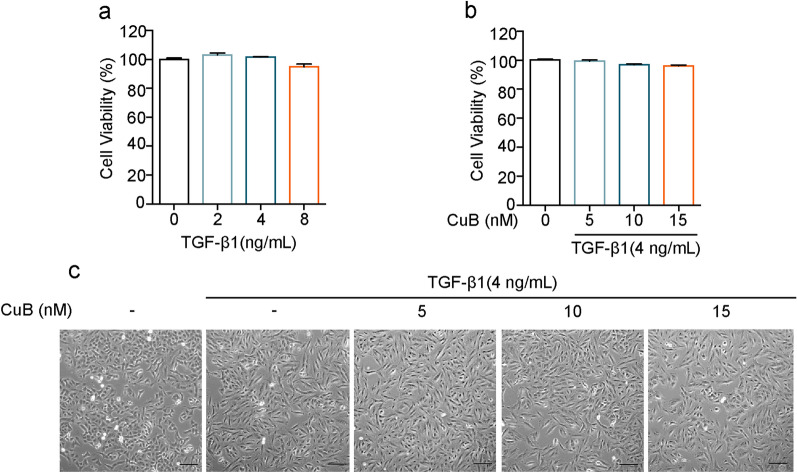
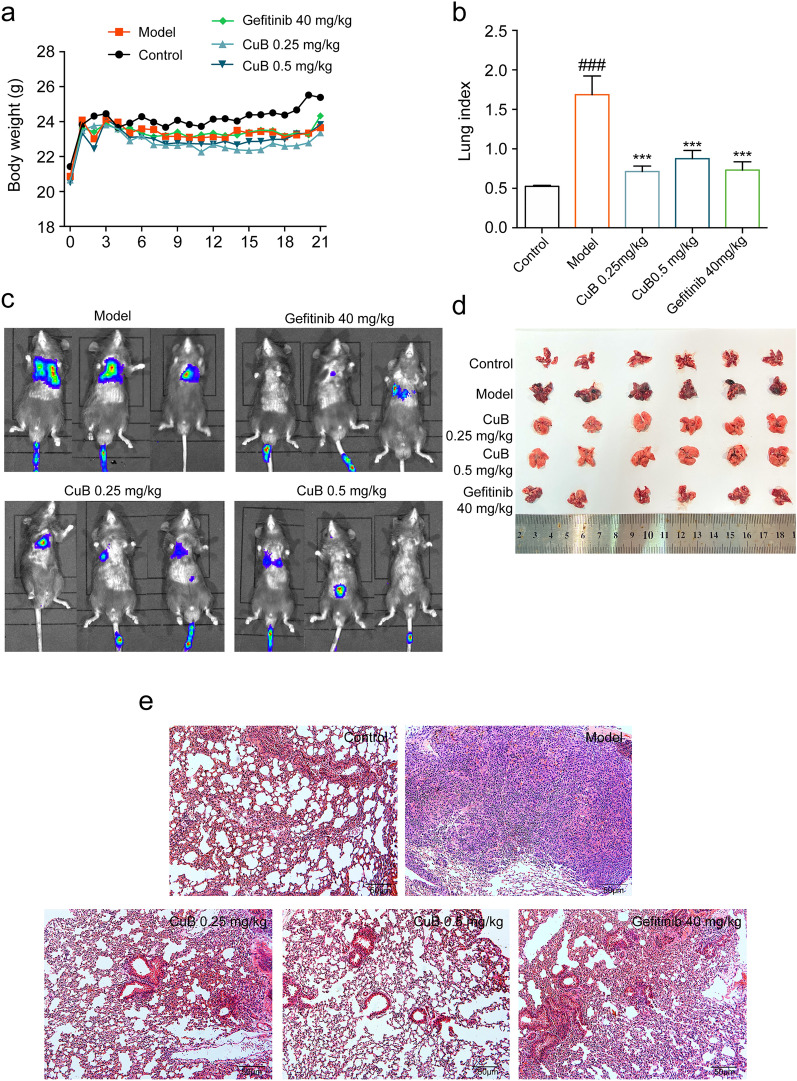
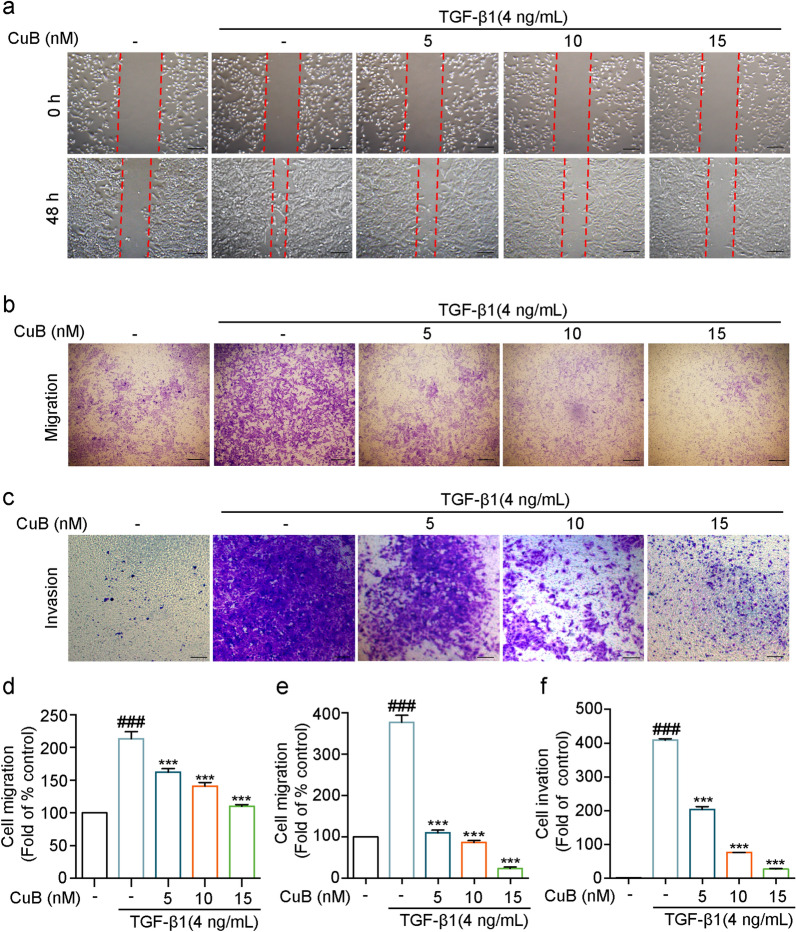
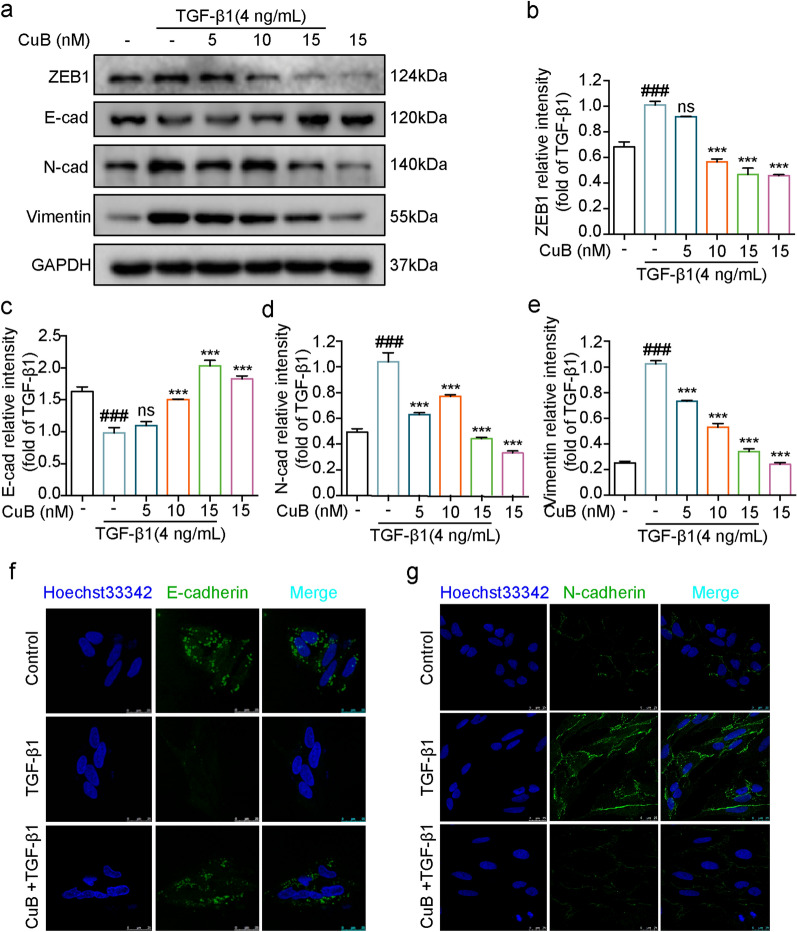
In this study, TGF-β1 was used to induce EMT in A549 cells. MTS assay was used to detect the cell viability of CuB co-treated with TGF-β1. Wound healing assay and transwell assay were used to determine the migration and invasion capacity of cells. Flow cytometry and fluorescence microscope were used to detect the ROS level in cells. Western blotting assay and immunofluorescence assay were used to detect the proteins expression. Gefitinib was used to establish EGF-TKI resistant NSCLC cells. B16-F10 intravenous injection mice model was used to evaluate the effect of CuB on lung cancer metastasis in vivo. Caliper IVIS Lumina and HE staining were used to detect the lung cancer metastasis of mice.
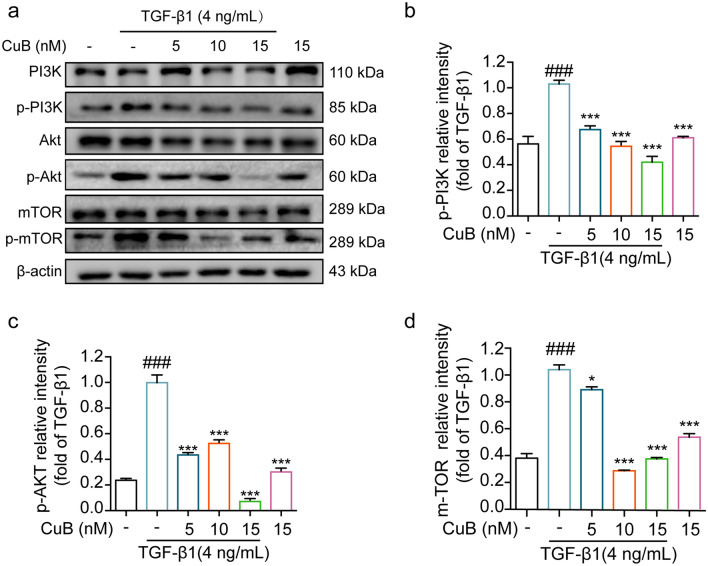
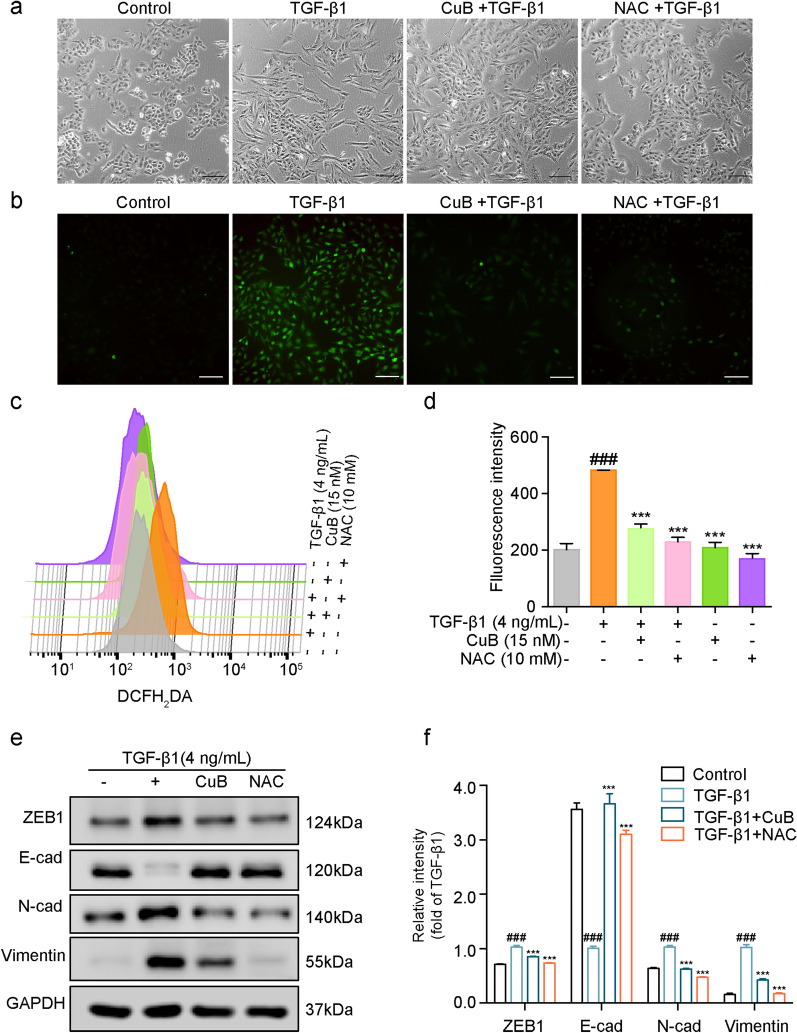
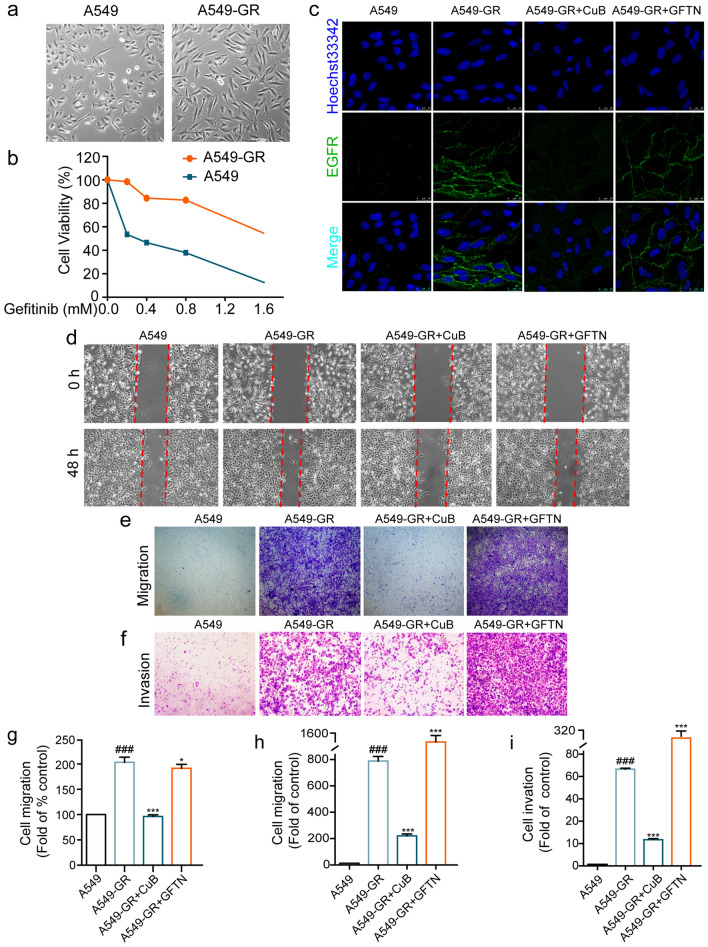
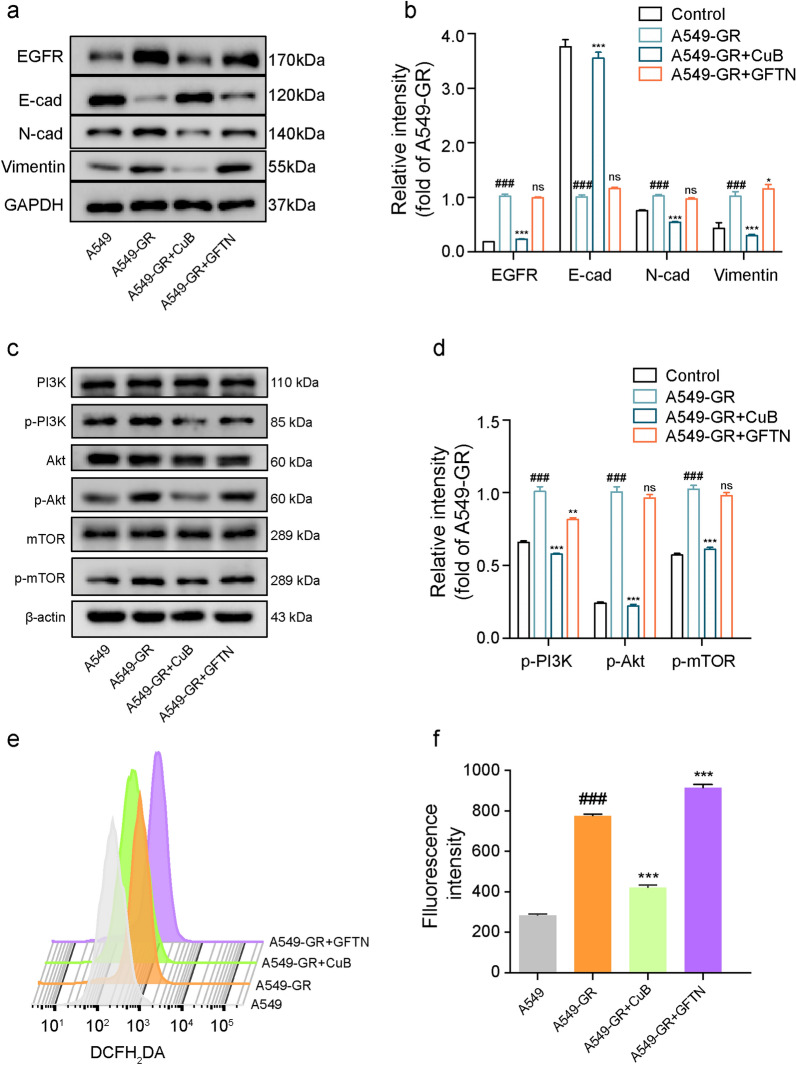
In this study, the results indicated that CuB inhibited TGF-β1-induced EMT in A549 cells through reversing the cell morphology changes of EMT, increasing the protein expression of E-cadherin, decreasing the proteins expression of N-cadherin and Vimentin, suppressing the migration and invasion ability. CuB also decreased the ROS production and p-PI3K, p-Akt and p-mTOR expression in TGF-β1-induced EMT in A549 cells. Furthermore, Gefitinib resistant A549 cells (A549-GR) were well established, which has the EMT characteristics, and CuB could inhibit the EMT in A549-GR cells through ROS and PI3K/Akt/mTOR pathways. In vivo study showed that CuB inhibited the lung cancer metastasis effectively through intratracheal administration.
CuB inhibits EMT in TGF-β1-induced A549 cells and Gefitinib resistant A549 cells through decreasing ROS production and PI3K/Akt/mTOR signaling pathway. In vivo study validated that CuB inhibits lung cancer metastasis in mice. The study may be supporting CuB as a promising therapeutic agent for NSCLC and Gefitinib resistant NSCLC.
肺癌是全球癌症死亡的主要原因,大多数接受表皮生长因子受体酪氨酸激酶抑制剂(EGF-TKIs)治疗的患者会产生耐药性,这与上皮-间质转化(EMT)密切相关。葫芦素B(CuB)是一种来自葫芦科植物的天然产物,在抗炎和抗癌活动中具有积极作用。然而,CuB对EMT的影响仍远未得到充分研究。在本研究中,对CuB对EMT的抑制作用进行了研究。
在本研究中,使用转化生长因子-β1(TGF-β1)诱导A549细胞发生EMT。采用MTS法检测CuB与TGF-β1共同处理后的细胞活力。采用伤口愈合试验和Transwell试验测定细胞的迁移和侵袭能力。采用流式细胞术和荧光显微镜检测细胞内活性氧(ROS)水平。采用蛋白质免疫印迹法和免疫荧光法检测蛋白质表达。使用吉非替尼建立EGF-TKI耐药的非小细胞肺癌(NSCLC)细胞。采用B16-F10静脉注射小鼠模型评估CuB对肺癌体内转移的影响。使用卡尺IVIS Lumina和苏木精-伊红(HE)染色检测小鼠的肺癌转移情况。
在本研究中,结果表明CuB通过逆转EMT的细胞形态变化、增加E-钙黏蛋白的蛋白质表达、降低N-钙黏蛋白和波形蛋白的蛋白质表达、抑制迁移和侵袭能力,从而抑制TGF-β1诱导的A549细胞发生EMT。CuB还降低了TGF-β1诱导的A549细胞发生EMT过程中的ROS产生以及磷酸化磷脂酰肌醇-3激酶(p-PI3K)、磷酸化蛋白激酶B(p-Akt)和磷酸化哺乳动物雷帕霉素靶蛋白(p-mTOR)的表达。此外,成功建立了具有EMT特征的吉非替尼耐药A549细胞(A549-GR),并且CuB可通过ROS和PI3K/Akt/mTOR途径抑制A549-GR细胞中的EMT。体内研究表明,通过气管内给药,CuB可有效抑制肺癌转移。
CuB通过降低ROS产生和PI3K/Akt/mTOR信号通路,抑制TGF-β1诱导的A549细胞和吉非替尼耐药A549细胞中的EMT。体内研究证实CuB可抑制小鼠肺癌转移。该研究可能支持将CuB作为一种有前景的治疗NSCLC和吉非替尼耐药NSCLC的药物。