Kim Tae-Hun, Lee Myeong Soo, Birch Stephen, Alraek Terje
Korean Medicine Clinical Trial Center, Korean Medicine Hospital, Kyung Hee University, Seoul, South Korea.
KM Science Research Division, Korea Institute of Oriental Medicine, Daejeon, South Korea.
Front Neurosci. 2022 Feb 3;16:834112. doi: 10.3389/fnins.2022.834112. eCollection 2022.
Sham acupuncture was developed to be used as an inert control intervention in clinical trials of acupuncture. However, controversies exist regarding the validity of sham acupuncture. In this systematic review (SR) of acupuncture trials, we assessed whether serum biomarkers showed significant differences after sham and verum acupuncture treatments.
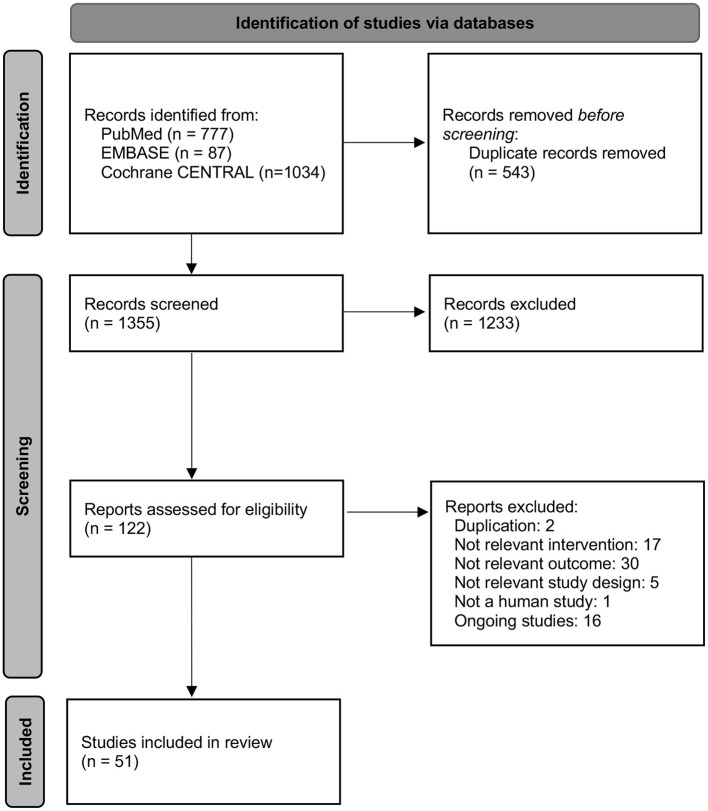
Any acupuncture clinical trials that evaluated serum biomarker changes between sham acupuncture and verum acupuncture were included in this review. Relevant literature was searched in the PubMed database, EMBASE, and The Cochrane Central Register of Controlled Trials (CENTRAL) database from inception until June 2021. The Cochrane risk of bias was assessed. Summary effect estimates for each biomarker between groups were calculated with a random effect model.
From 51 sham acupuncture trials, we found that there were no significant differences in most of the 36 serum biomarkers after sham acupuncture and verum acupuncture needling. Only VEGF, IG-E, TNF-a, NGF, GABA, NPY, and VIP serum levels were identified as being different between the groups. The overall risk of bias of the included studies and the limited numbers of studies for meta-analysis do not strongly support the results of this SR.
Sham acupuncture techniques might have similar effects on biomarkers as the so-called "real acupuncture" techniques, which indicates that sham acupuncture, as an inert intervention similar to a placebo drug, needs to be reconsidered.
identifier [CRD42021260889].
假针刺疗法被开发用作针刺临床试验中的惰性对照干预措施。然而,关于假针刺疗法的有效性存在争议。在这项针刺试验的系统评价(SR)中,我们评估了假针刺和真针刺治疗后血清生物标志物是否显示出显著差异。
本评价纳入了任何评估假针刺和真针刺之间血清生物标志物变化的针刺临床试验。从数据库建立至2021年6月,在PubMed数据库、EMBASE和Cochrane对照试验中心注册库(CENTRAL)中检索相关文献。评估Cochrane偏倚风险。采用随机效应模型计算各组间每种生物标志物的汇总效应估计值。
从51项假针刺试验中,我们发现,在假针刺和真针刺针刺后,36种血清生物标志物中的大多数没有显著差异。仅VEGF、IG-E、TNF-a、NGF、GABA、NPY和VIP血清水平在组间被确定为存在差异。纳入研究的总体偏倚风险以及用于荟萃分析的研究数量有限,并不强烈支持本系统评价的结果。
假针刺技术对生物标志物的影响可能与所谓的“真针刺”技术相似,这表明假针刺作为一种类似于安慰剂药物的惰性干预措施,需要重新考虑。
系统评价PROSPERO注册:标识符[CRD42021260889]。