Li Zhuofei, Deng Xingming, Luo Jun, Lei Yunpeng, Jin Xinghan, Zhu Jing, Lv Guoqing
Department of Gastroinerstinal Surgery, Peking University Shenzhen Hospital, Shenzhen, China.
Front Oncol. 2022 Feb 4;11:574318. doi: 10.3389/fonc.2021.574318. eCollection 2021.
The difficulties of early diagnosis of colorectal cancer (CRC) result in a high mortality rate. The ability to predict the response of a patient to surgical resection or chemotherapy may be of great value for clinicians when planning CRC treatments. Metabolomics is an emerging tool for biomarker discovery in cancer research. Previous reports have indicated that the metabolic profile of individuals can be significantly altered between CRC patients and healthy controls. However, metabolic changes in CRC patients at different treatment stages have not been explored.
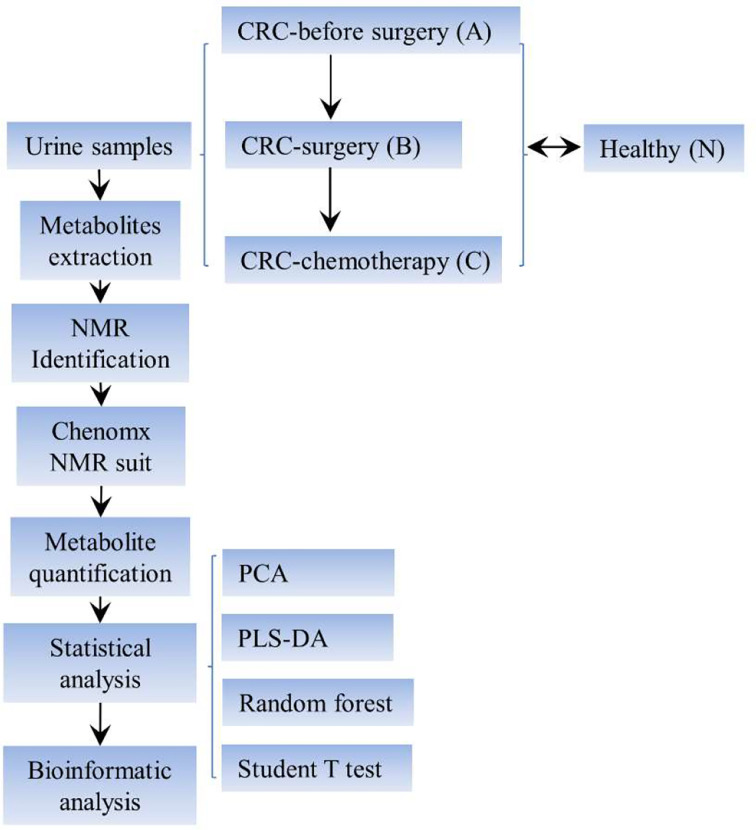
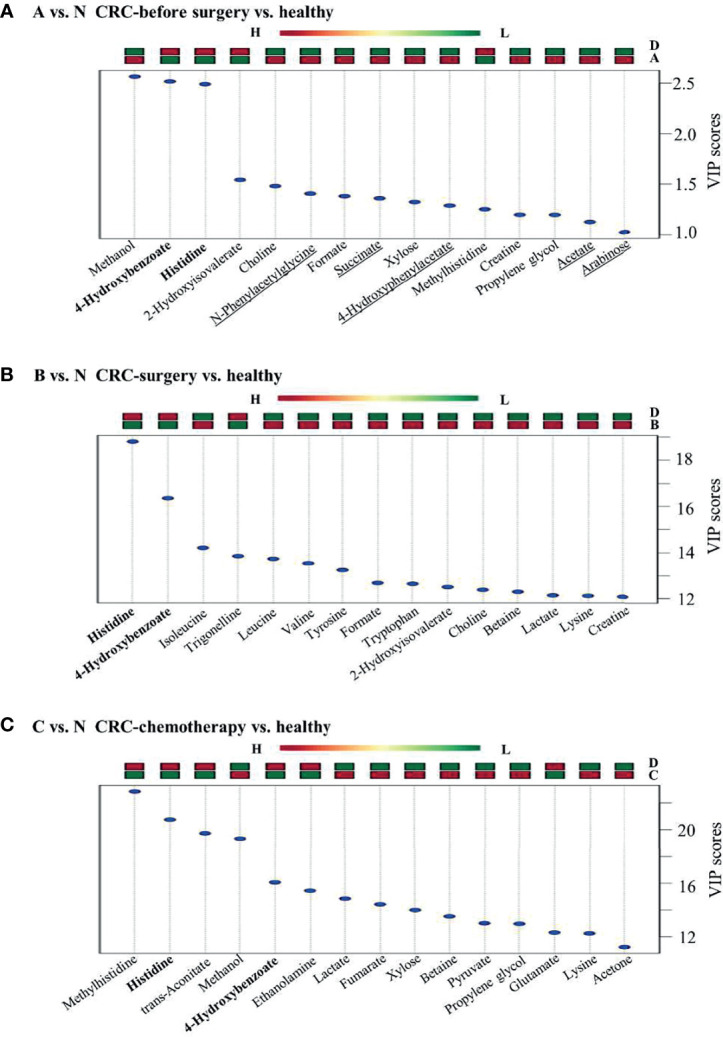
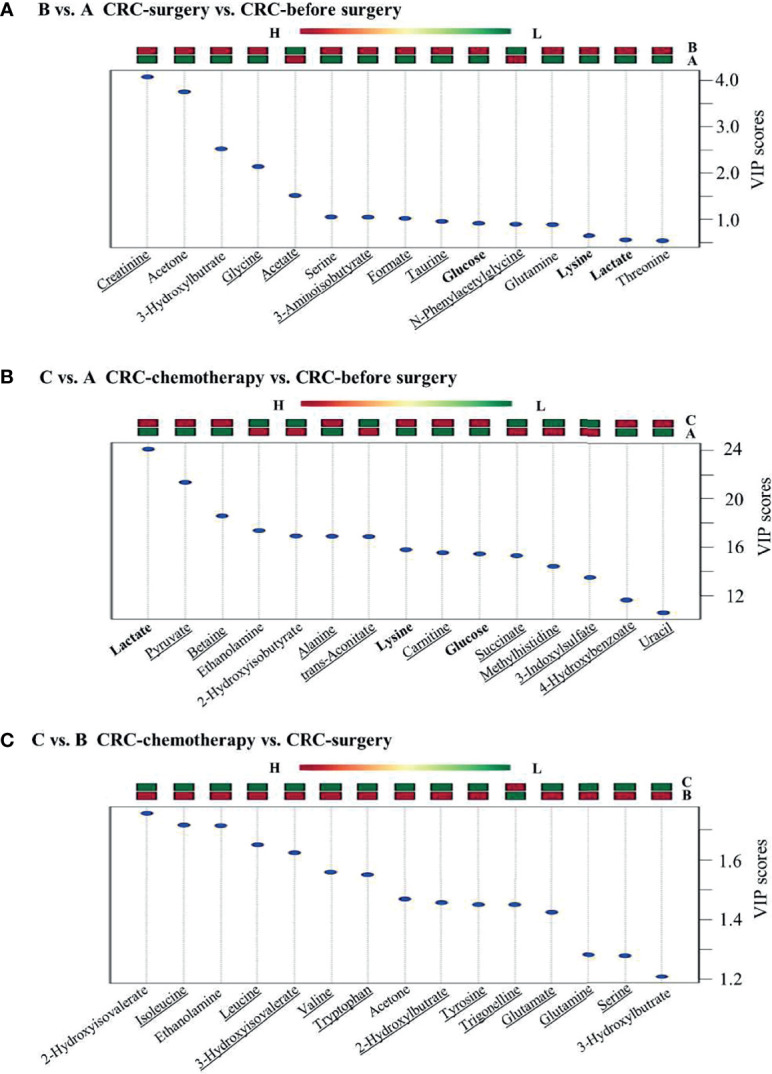
To this end, we performed nuclear magnetic resonance (NMR)-based metabolomic analysis to determine metabolite aberrations in CRC patients before and after surgical resection or chemotherapy. In general, a total of 106 urine samples from four clinical groups, namely, healthy volunteers (n = 31), presurgery CRC patients (n = 25), postsurgery CRC patients (n = 25), and postchemotherapy CRC patients (n = 25), were collected and subjected to further analysis.
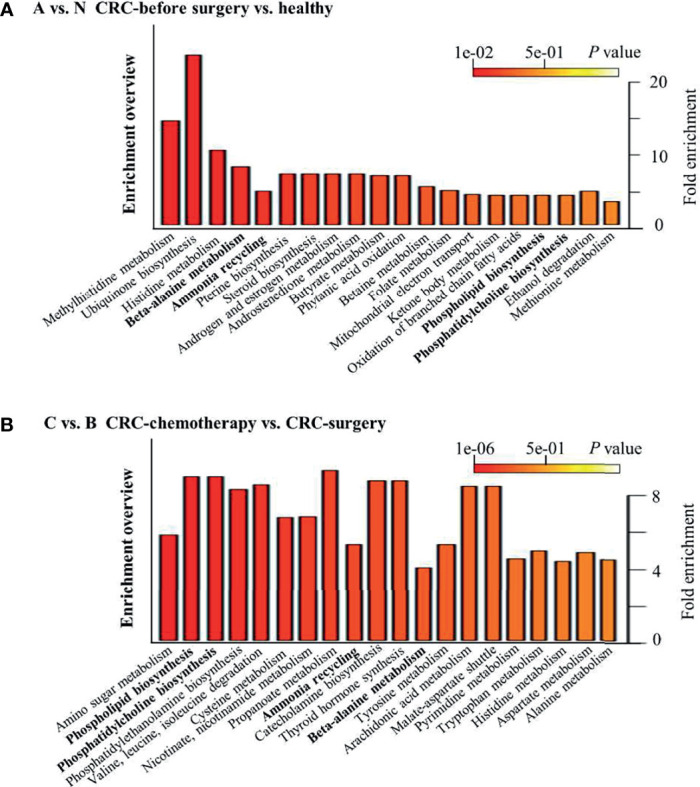
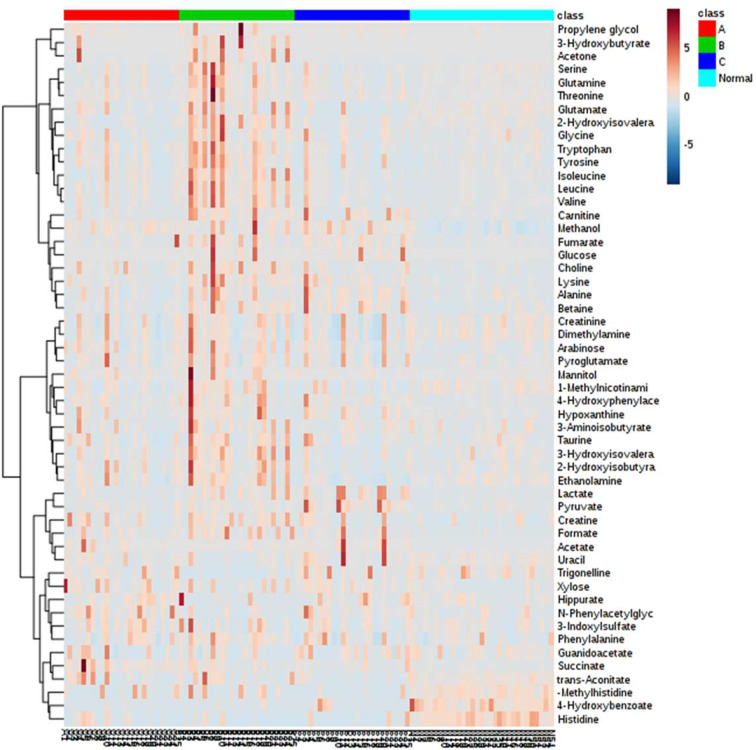
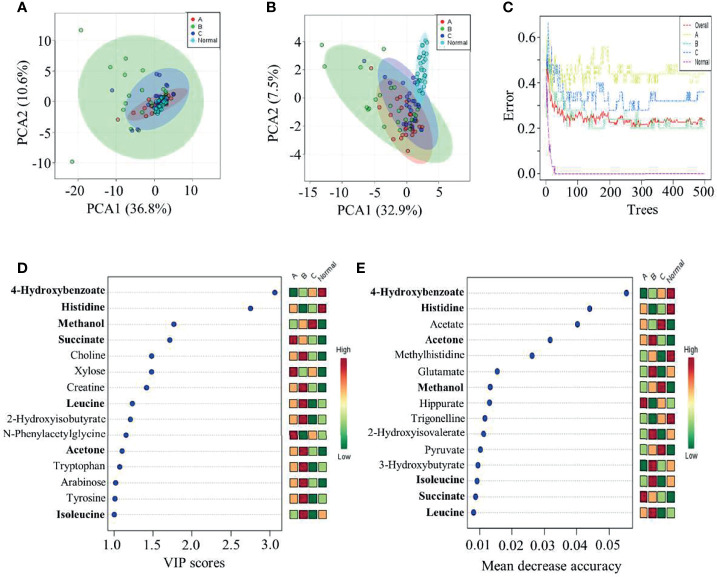
In the present study, we identified five candidate metabolites, namely, N-phenylacetylglycine, succinate, 4-hydroxyphenylacetate, acetate, and arabinose, in CRC patients compared with healthy individuals, three of which were reported for the first time. Furthermore, approximately ten metabolites were uniquely identified at each stage of CRC treatment, serving as good candidates for biomarker panel selection.
In summary, these potential metabolite candidates may provide promising early diagnostic and monitoring approaches for CRC patients at different anticancer treatment stages.
结直肠癌(CRC)早期诊断的困难导致其死亡率很高。在规划CRC治疗方案时,预测患者对手术切除或化疗反应的能力对临床医生可能具有重要价值。代谢组学是癌症研究中发现生物标志物的一种新兴工具。先前的报告表明,CRC患者与健康对照者之间个体的代谢谱可能会发生显著变化。然而,尚未探讨CRC患者在不同治疗阶段的代谢变化。
为此,我们进行了基于核磁共振(NMR)的代谢组学分析,以确定手术切除或化疗前后CRC患者的代谢物异常情况。一般来说,我们收集了来自四个临床组的总共106份尿液样本,即健康志愿者(n = 31)、术前CRC患者(n = 25)、术后CRC患者(n = 25)和化疗后CRC患者(n = 25),并进行进一步分析。
在本研究中,我们在CRC患者中与健康个体相比鉴定出了五种候选代谢物,即N-苯乙酰甘氨酸、琥珀酸、4-羟基苯乙酸、乙酸和阿拉伯糖,其中三种是首次报道。此外,在CRC治疗的每个阶段分别独特鉴定出约十种代谢物,可作为生物标志物组合选择的良好候选物。
总之,这些潜在的代谢物候选物可能为处于不同抗癌治疗阶段的CRC患者提供有前景的早期诊断和监测方法。