University of Edinburgh, Centre for Discovery Brain Sciences, Edinburgh, United Kingdom.
Simons Initiative for the Developing Brain, University of Edinburgh, Edinburgh, United Kingdom.
Elife. 2022 Feb 21;11:e73162. doi: 10.7554/eLife.73162.
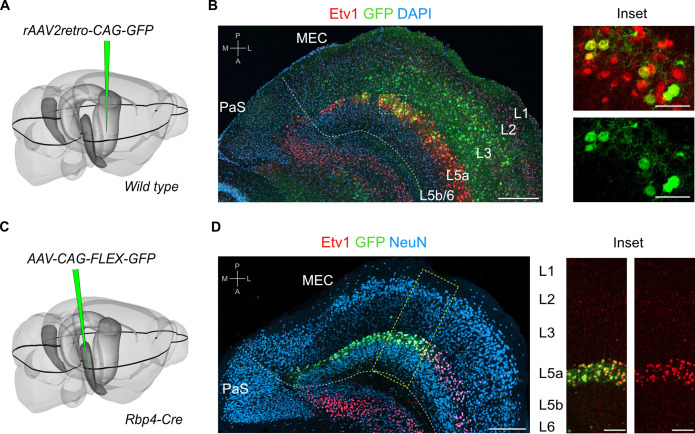
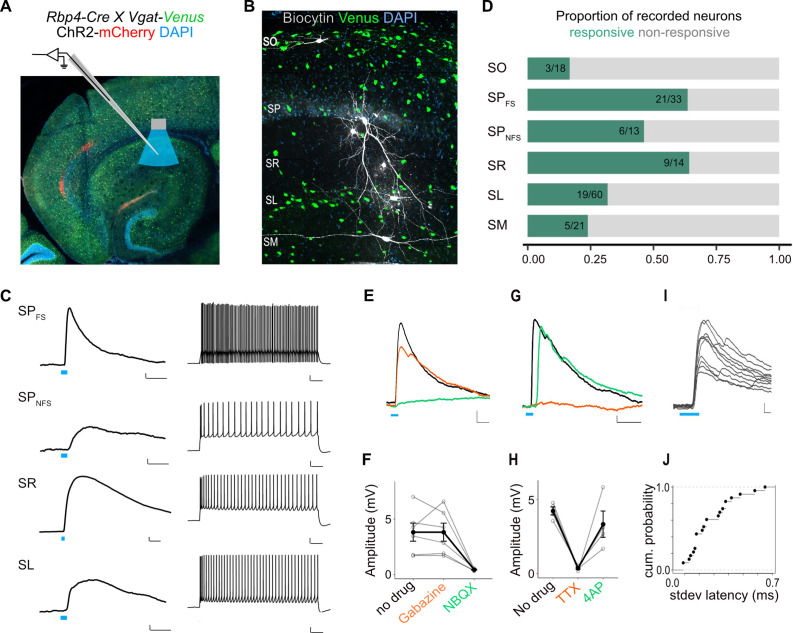
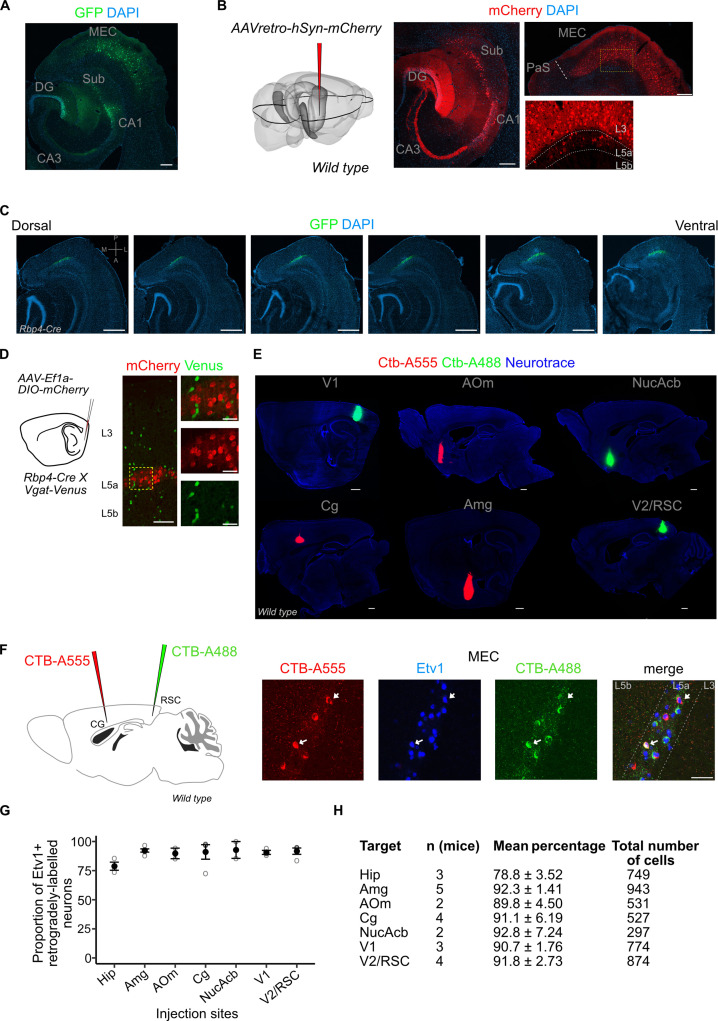
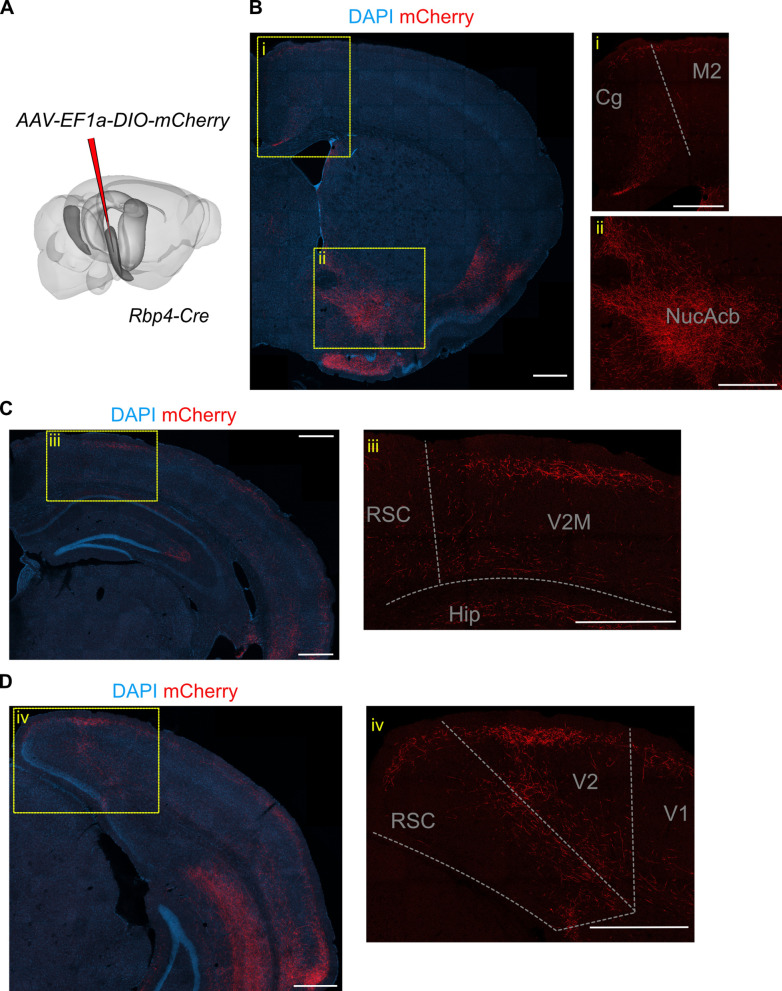
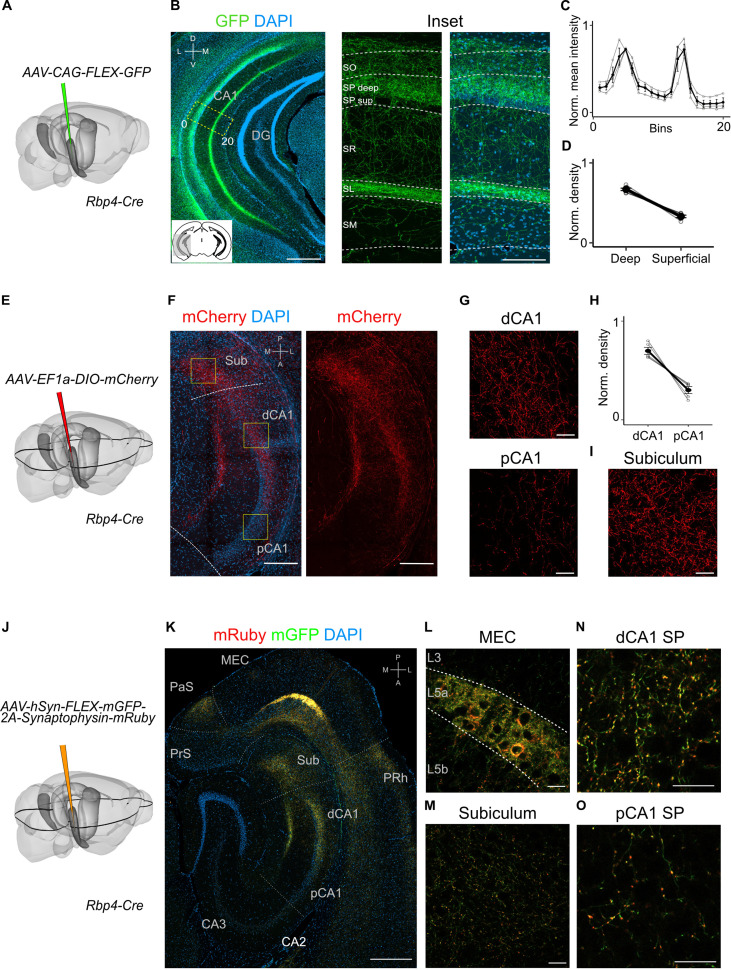
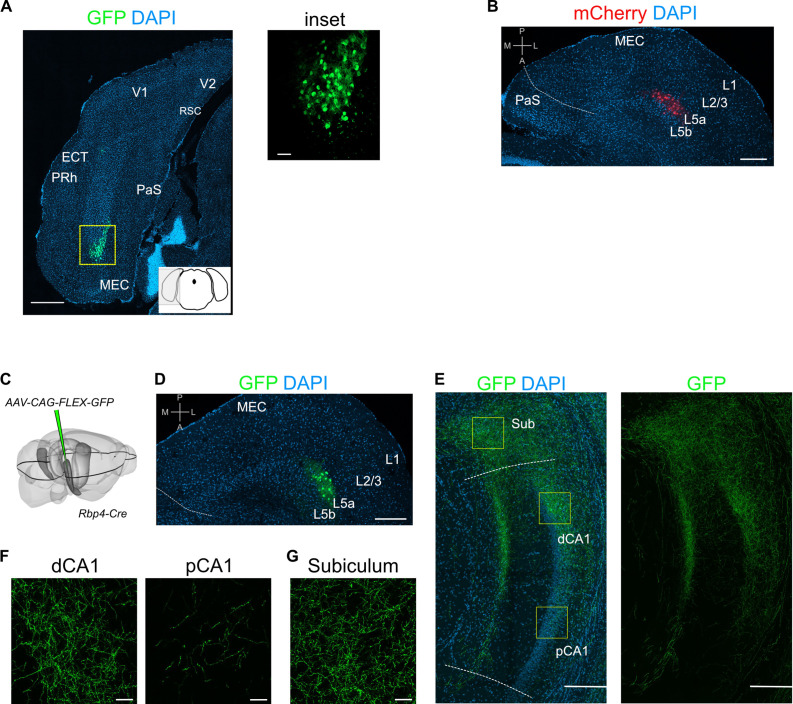
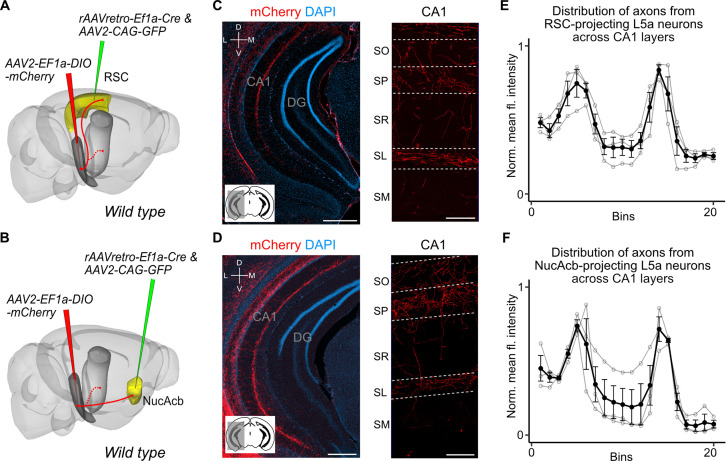
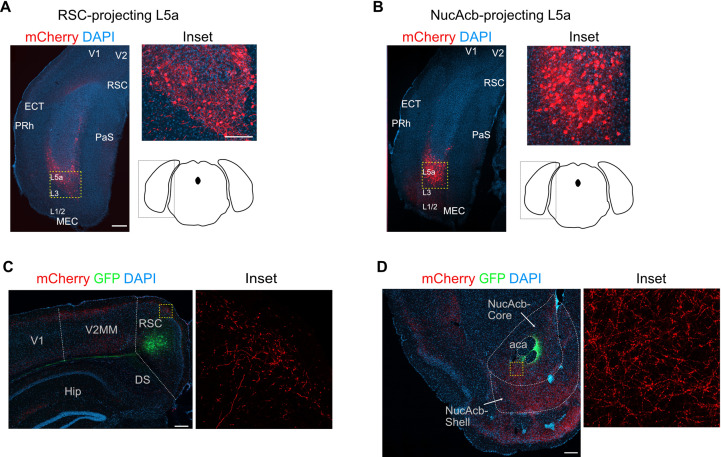
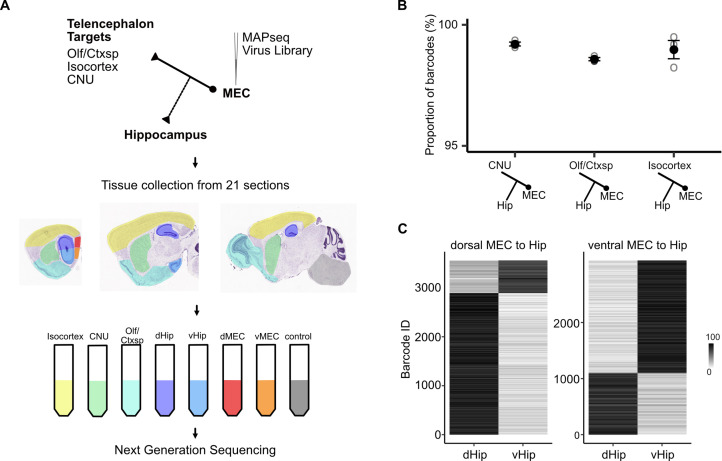
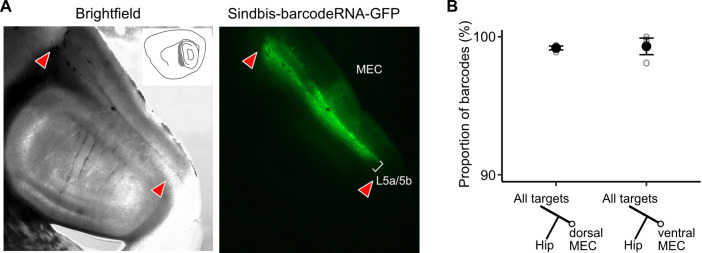
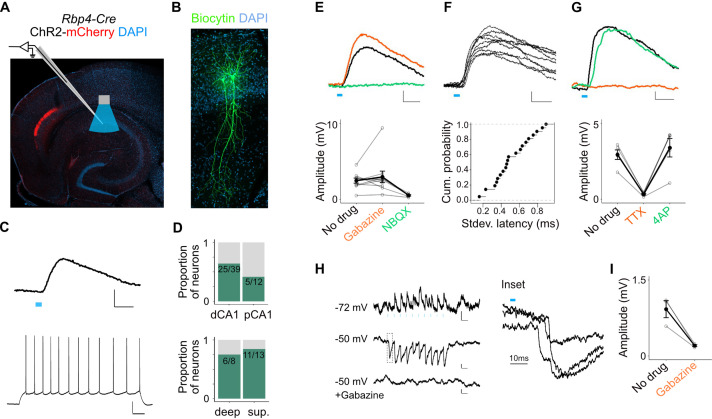
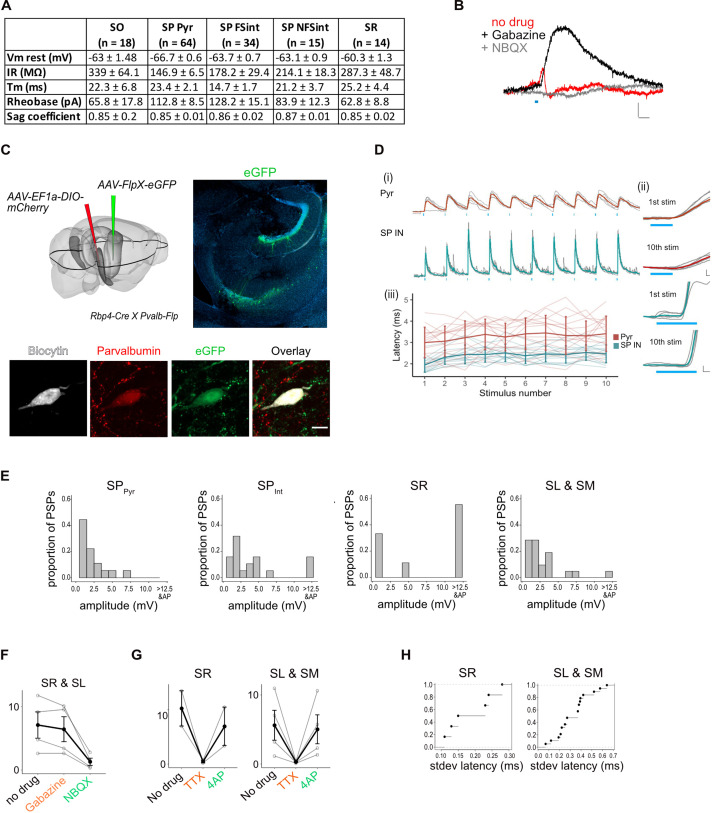
Complementary actions of the neocortex and the hippocampus enable encoding and long-term storage of experience dependent memories. Standard models for memory storage assume that sensory signals reach the hippocampus from superficial layers of the entorhinal cortex (EC). Deep layers of the EC on the other hand relay hippocampal outputs to the telencephalic structures including many parts of the neocortex. Here, we show that cells in layer 5a of the medial EC send a copy of their telencephalic outputs back to the CA1 region of the hippocampus. Combining cell-type-specific anatomical tracing with high-throughput RNA-sequencing based projection mapping and optogenetics aided circuit mapping, we show that in the mouse brain these projections have a unique topography and target hippocampal pyramidal cells and interneurons. Our results suggest that projections of deep medial EC neurons are anatomically configured to influence the hippocampus and neocortex simultaneously and therefore lead to novel hypotheses on the functional role of the deep EC.
新皮层和海马体的互补作用使经验依赖记忆的编码和长期存储成为可能。记忆存储的标准模型假设感觉信号从内嗅皮层(EC)的浅层到达海马体。另一方面,EC 的深层将海马体的输出传递到包括新皮层许多部分在内的端脑结构。在这里,我们表明,内侧 EC 的第 5a 层的细胞将其端脑输出的副本发送回海马体的 CA1 区域。通过细胞类型特异性解剖追踪与基于高通量 RNA 测序的投射映射和光遗传学辅助的回路映射相结合,我们表明在小鼠大脑中,这些投射具有独特的拓扑结构,靶向海马体锥体神经元和中间神经元。我们的研究结果表明,深层内侧 EC 神经元的投射在解剖结构上被配置为同时影响海马体和新皮层,因此为深层 EC 的功能作用提出了新的假设。