Cancer and Stem Cell Biology and Centre for Computational Biology, Duke-NUS Medical School, Singapore.
Department of Biomedical Engineering, National University of Singapore.
J R Soc Interface. 2022 Feb;19(187):20210631. doi: 10.1098/rsif.2021.0631. Epub 2022 Feb 23.
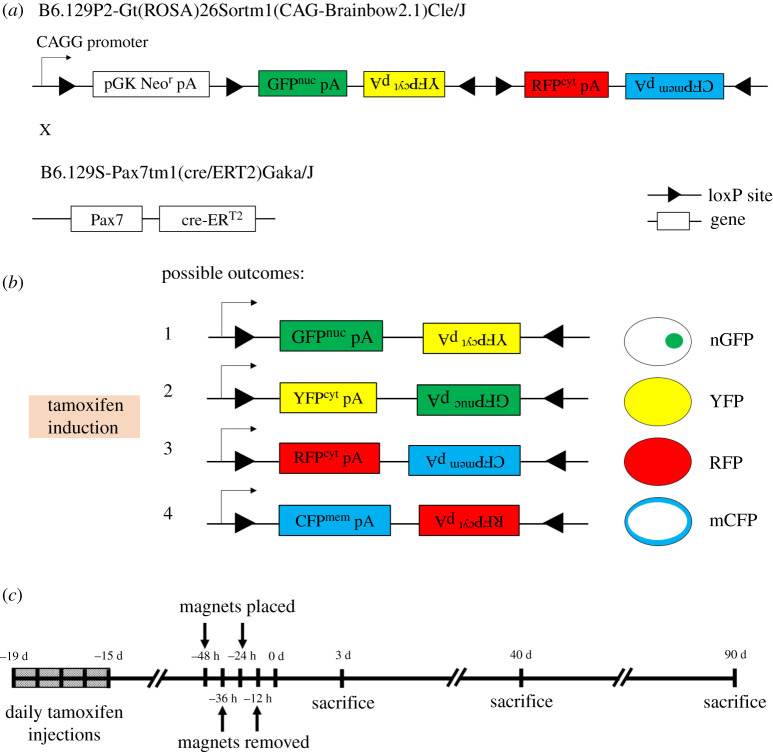
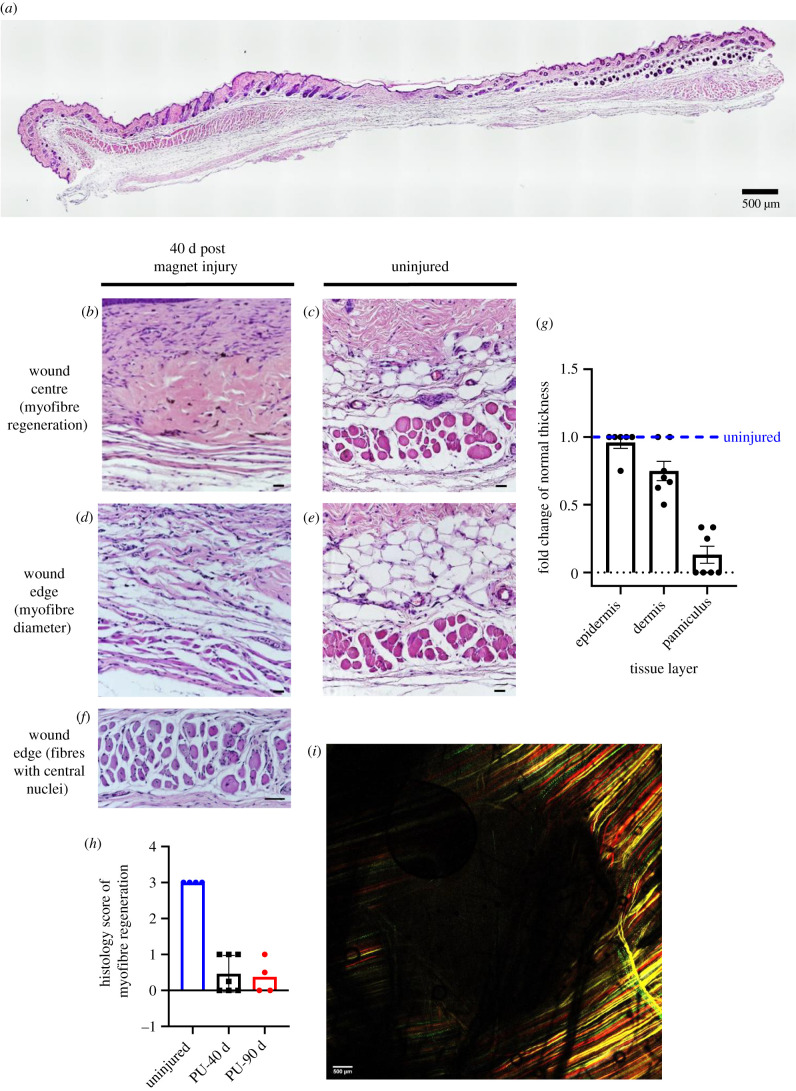
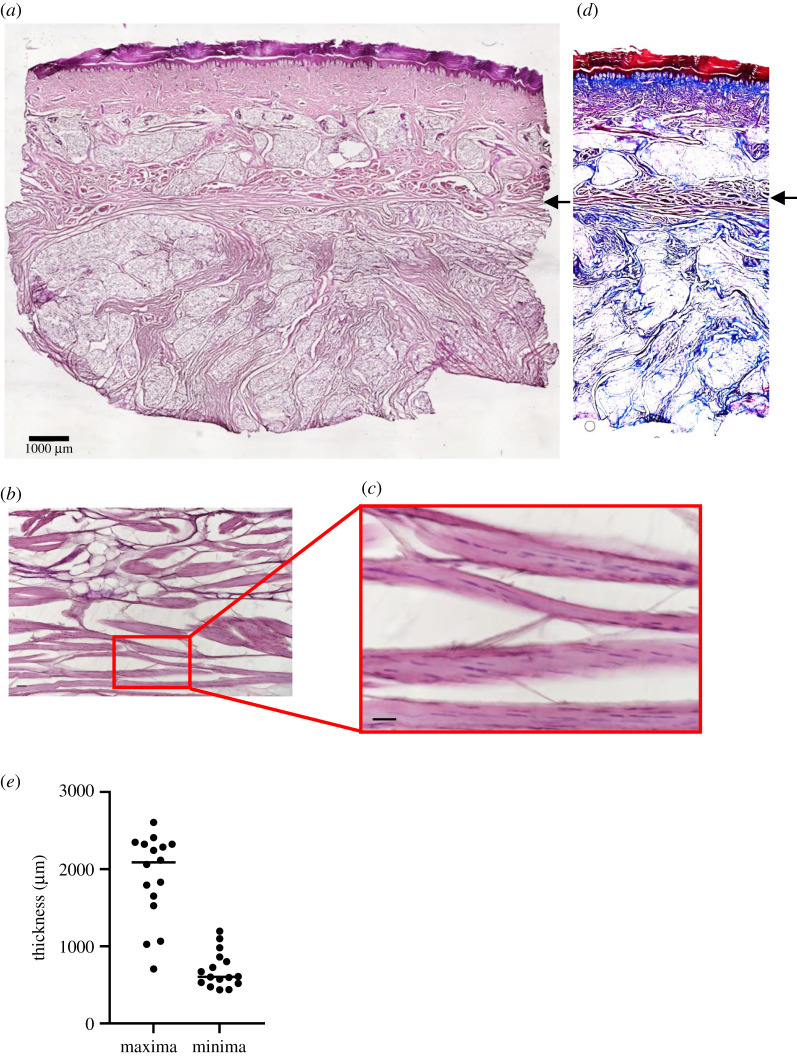
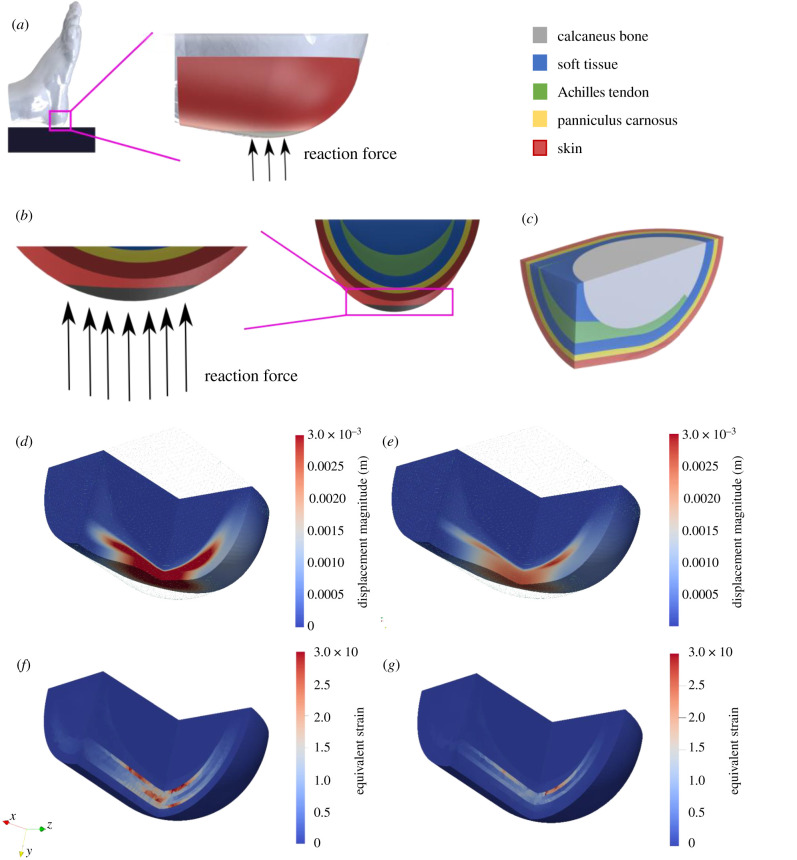
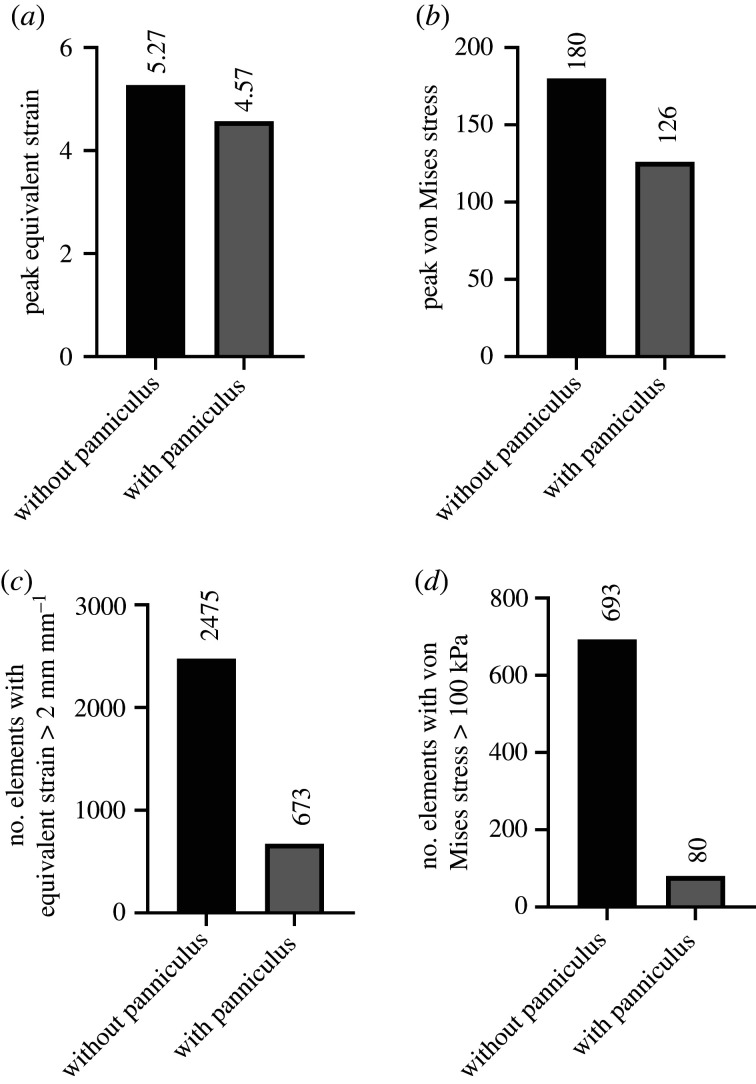
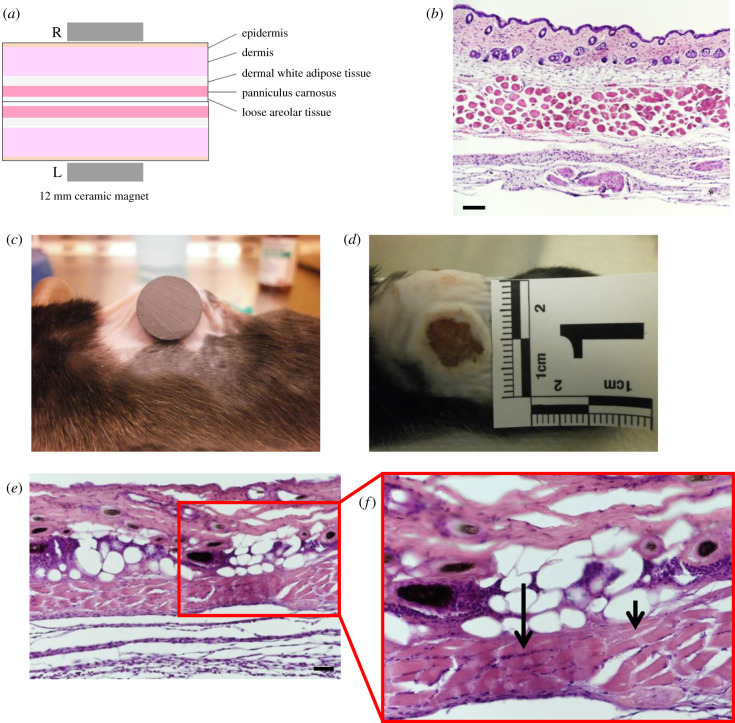
Chronic and recurring pressure ulcers (PUs) create an unmet need for predictive biomarkers. In this work, we examine the panniculus carnosus, a thin cutaneous muscle, traditionally considered vestigial in humans, and ask whether the panniculus may play a role in the chronicity and reinjury of heel PUs. To determine whether humans have a panniculus muscle layer at the heel, we dissected eight cadavers. To assess the influence of the panniculus layer on PU, we performed computational simulations of supine weight bearing. Finally, we assessed panniculus regeneration in fluorescent mice. Results show a panniculus layer present in all cadavers examined. Simulations show a thin layer of panniculus muscle causes a dramatic decrease in the volume of soft tissue experiencing high strain and stress, compared to a heel without a panniculus. Importantly, in the mouse model, the panniculus fails to regenerate after PU, even when other cutaneous layers had fully regenerated. Our work shows that the panniculus is able to redistribute load around the heel bone, which might allow it to prevent PUs. Moreover, it is highly susceptible to incomplete regeneration after PU. Poor panniculus regeneration after PU might be a predictive anatomical biomarker for recurrence, and this biomarker should be evaluated prospectively in future clinical trials.
慢性和复发性压疮(PU)产生了对预测性生物标志物的未满足需求。在这项工作中,我们研究了薄的皮肤肌肉——脂肪垫,传统上认为它在人类中是退化的,我们想知道脂肪垫是否在足跟部 PUs 的慢性和再损伤中发挥作用。为了确定人类足跟处是否存在脂肪垫肌肉层,我们解剖了 8 具尸体。为了评估脂肪垫层对 PU 的影响,我们对仰卧位承重进行了计算模拟。最后,我们评估了荧光小鼠中的脂肪垫再生。结果表明,所有检查的尸体中都存在脂肪垫层。模拟表明,与没有脂肪垫的足跟相比,薄的脂肪垫肌肉层会导致承受高应变和高应力的软组织体积显著减少。重要的是,在小鼠模型中,即使其他皮肤层已完全再生,PU 后脂肪垫也无法再生。我们的工作表明,脂肪垫能够在足跟骨周围重新分配负荷,这可能使其能够预防 PU。此外,它在 PU 后极易发生不完全再生。PU 后脂肪垫再生不良可能是复发的预测性解剖学生物标志物,应在未来的临床试验中前瞻性评估该生物标志物。