Melange Communications Pte Ltd, Singapore, Singapore.
Centre for Rheumatology, Calicut, Kerala, 673009, India.
BMC Musculoskelet Disord. 2022 Feb 22;23(1):169. doi: 10.1186/s12891-022-05126-x.
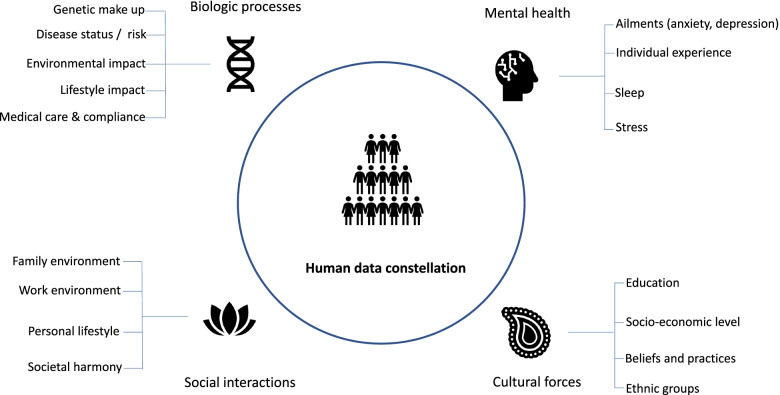
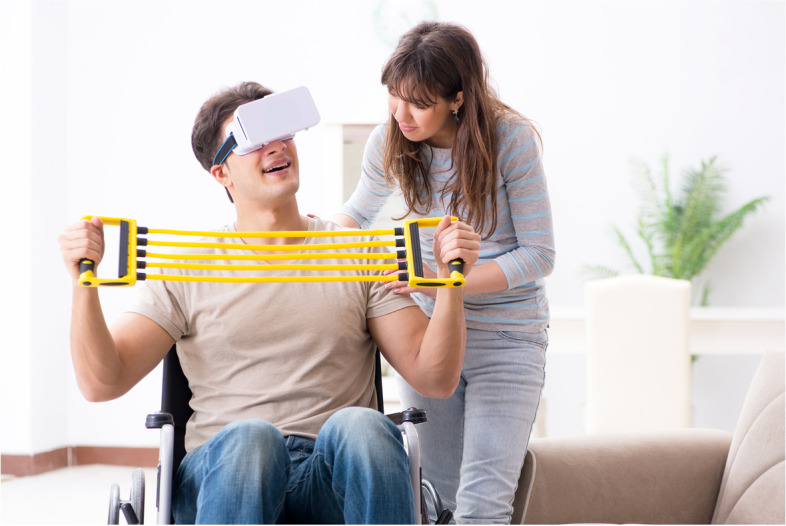
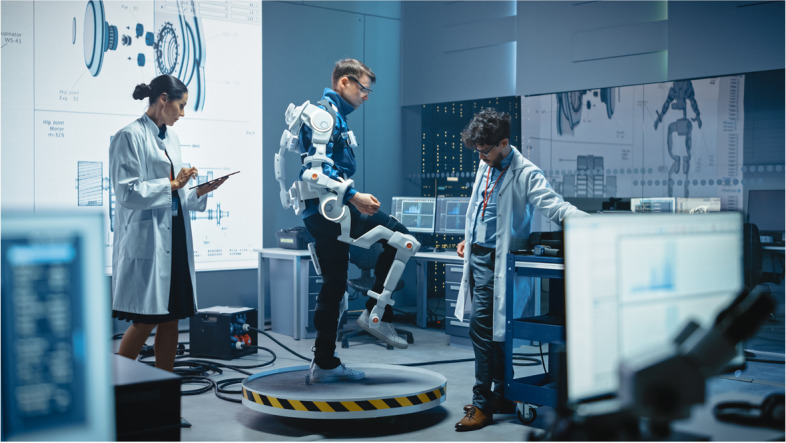
Data has always been integral to modern medicine in almost all aspects of patient care and the recent proliferation of data has opened up innumerable opportunities for all the stakeholders in trying to improve the quality of care and health outcomes including quality of life and rehabilitation. Greater usage and adoption of digital technologies have led to the convergence of health data in different forms - clinical, self-reported, electronic health records social media, etc. The application and utilization of patient data set continue to get broadened each day with greater availability and access. These are empowering newer cutting-edge solutions such as connected care and artificial intelligence, 3D printing and real-life mimicking prosthetics. The availability of data at micro and macro levels has the potential to act as a catalyst for personalized care based on behavioral, cultural, genetic, and psychological needs for patients with musculoskeletal disorders. Realistic algorithms coupled with biomarkers which can identify relevant interventions and alert the care providers regarding any deterioration. Although in the nascent stage currently, 3D printing, exoskeletons, and virtual rehabilitation hold tremendous potential of cost-effective, precise interventions for the patients.
数据在患者护理的几乎所有方面一直是现代医学的重要组成部分,而最近数据的大量涌现为所有利益相关者提供了无数机会,试图提高护理质量和健康结果,包括生活质量和康复。更多地使用和采用数字技术导致了不同形式的健康数据的融合——临床、自我报告、电子健康记录、社交媒体等。随着更大的可用性和可访问性,患者数据集的应用和利用每天都在不断扩大。这些新兴的前沿解决方案,如互联护理和人工智能、3D 打印和逼真的仿生假肢,正在获得动力。微观和宏观层面的数据可用性有可能成为基于行为、文化、遗传和心理需求的个性化护理的催化剂,适用于患有肌肉骨骼疾病的患者。结合生物标志物的现实算法可以识别相关干预措施,并提醒护理人员注意任何恶化。尽管目前处于起步阶段,但 3D 打印、外骨骼和虚拟康复为患者提供了具有成本效益、精确干预的巨大潜力。