Department of Physical Therapy, University of Illinois at Chicago, Chicago, USA.
School of Nursing, Vanderbilt University, 461 21st Avenue South, 415 Godchaux Hall, Nashville, TN, 37240-1119, USA.
Cardiovasc Toxicol. 2022 Mar;22(3):236-245. doi: 10.1007/s12012-022-09728-8. Epub 2022 Feb 23.
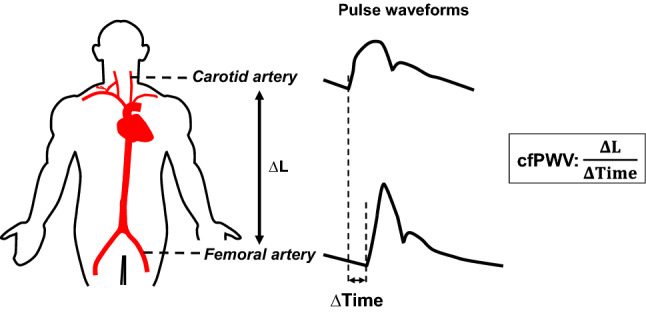
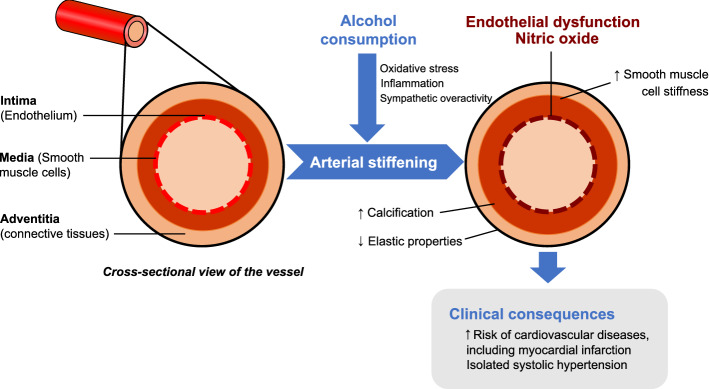
The relationship between alcohol consumption and cardiovascular disease risk is complex. Low-to-moderate daily alcohol consumption (1-2 drinks/day) is associated with reduced risk, whereas greater amounts of alcohol consumption and a "binge" pattern of drinking are associated with increased cardiovascular risk and mortality. Arterial stiffness may help explain the complex relationship. This integrated review summarizes data from studies examining the associations between alcohol consumption and pulse wave velocity, a gold standard measure of arterial stiffness. We also briefly review the concept and methodology of pulse wave velocity measurement as well as the mechanisms of alcohol-induced arterial stiffening. Findings among the different studies reviewed were inconsistent with methodological challenges related to alcohol use assessment. While making specific conclusions regarding this relationship is tenuous; the data suggest that excessive alcohol consumption or a binge drinking pattern is associated with increased arterial stiffness.
饮酒与心血管疾病风险之间的关系较为复杂。低至中度的日常饮酒量(每天 1-2 杯)与降低风险相关,而大量饮酒和“狂饮”模式与心血管风险和死亡率增加相关。动脉僵硬度可能有助于解释这种复杂的关系。本综合综述总结了研究饮酒与脉搏波速度之间关联的研究数据,脉搏波速度是动脉僵硬度的黄金标准测量指标。我们还简要回顾了脉搏波速度测量的概念和方法以及酒精引起动脉僵硬的机制。由于与饮酒评估相关的方法学挑战,不同研究中的结果不一致。虽然对于这种关系做出具体结论还为时过早,但数据表明,过量饮酒或狂饮模式与动脉僵硬度增加相关。