School of Biomedical Sciences, University of Leeds, Leeds LS2 9JT, United Kingdom.
School of Medicine, University of Leeds, Leeds LS9 7TF, United Kingdom.
ACS Appl Mater Interfaces. 2022 Mar 9;14(9):11078-11091. doi: 10.1021/acsami.1c21655. Epub 2022 Feb 23.
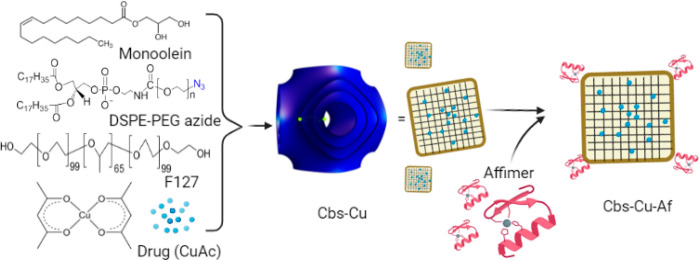
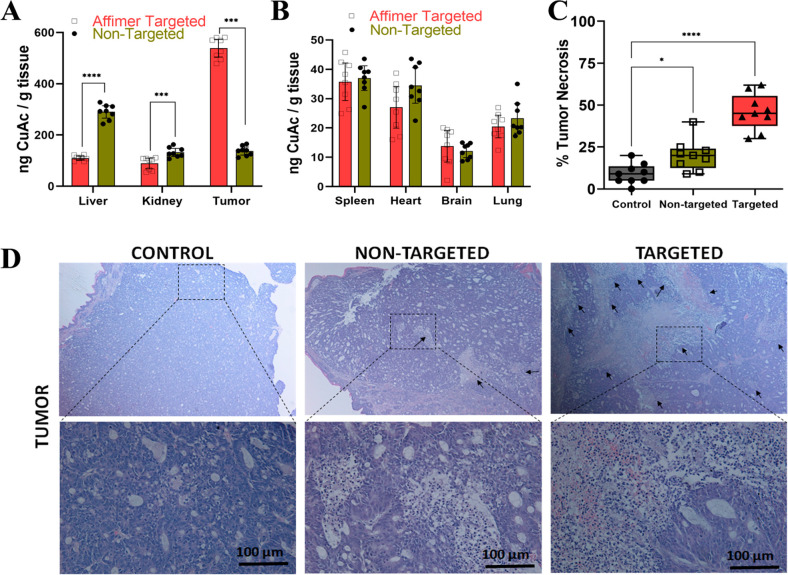
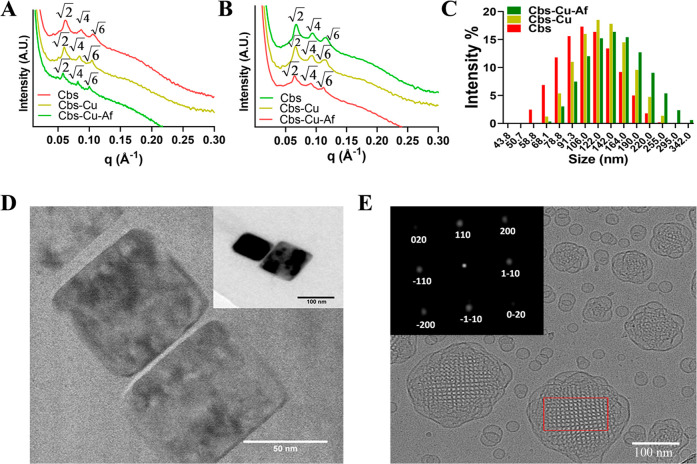
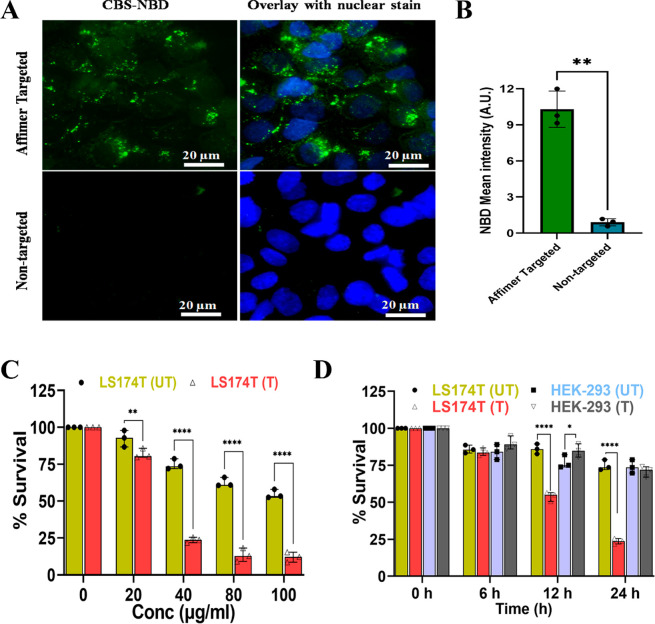
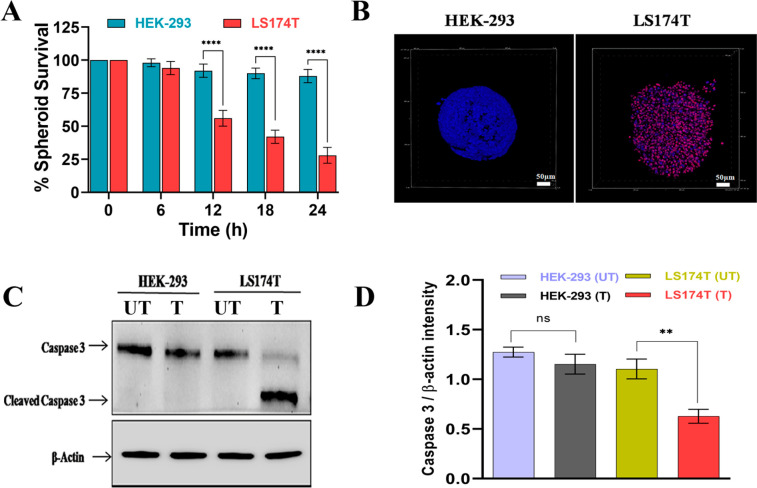
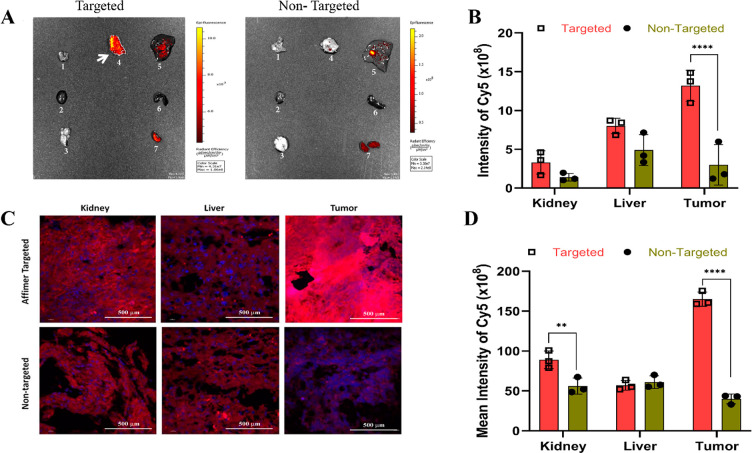
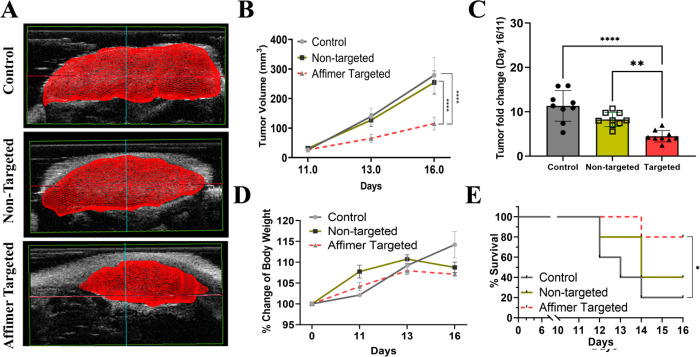
Nanomedicines, while having been approved for cancer therapy, present many challenges such as low stability, rapid clearance, and nonspecificity leading to off-target toxicity. Cubosomes are porous lyotropic liquid crystalline nanoparticles that have shown great premise as drug delivery vehicles; however, their behavior is largely underexplored, hindering clinical translation. Here, we have engineered cubosomes based on the space group 3 that are loaded with copper acetylacetonate as a model drug, and their surfaces are functionalized for the first time with Affimer proteins via copper-free click chemistry to actively target overexpressed carcinoembryonic antigens on LS174T colorectal cancer cells. Unlike nontargeted cubosomes, Affimer tagged cubosomes showed preferential accumulation in cancer cells compared to normal cells not only (2D monolayer cell culture and 3D spheroid models) but also in colorectal cancer mouse xenografts, while exhibiting low nonspecific absorption and toxicity in other vital organs. Cancerous spheroids had maximum cell death compared to noncancerous cells upon targeted delivery. Xenografts subjected to targeted drug-loaded cubosomes showed a 5-7-fold higher drug accumulation in the tumor tissue compared to the liver, kidneys, and other vital organs, a significant decrease in tumor growth, and an increased survival rate compared to the nontargeted group. This work encompasses the first thorough preclinical investigation of Affimer targeted cubosomes as a cancer therapeutic.
尽管纳米药物已被批准用于癌症治疗,但它们仍存在许多挑战,如低稳定性、快速清除和非特异性,导致靶向毒性。立方液晶纳米载体是具有巨大应用前景的药物递送载体;然而,其行为在很大程度上尚未得到充分探索,这阻碍了其临床转化。在这里,我们基于空间群 3 设计了载有乙酰丙酮铜的立方液晶纳米载体作为模型药物,并首次通过无铜点击化学将亲和体蛋白功能化到立方液晶纳米载体的表面,以主动靶向 LS174T 结直肠癌细胞过度表达的癌胚抗原。与非靶向立方液晶纳米载体相比,亲和体标记的立方液晶纳米载体不仅在(2D 单层细胞培养和 3D 球体模型),而且在结直肠癌细胞异种移植模型中优先在癌细胞中积累,而在其他重要器官中表现出低非特异性吸收和毒性。与非癌细胞相比,靶向给药后癌变球体的细胞死亡最多。与未靶向组相比,接受靶向载药立方液晶纳米载体的异种移植瘤组织中药物积累增加了 5-7 倍,肿瘤生长显著减少,存活率增加。这项工作涵盖了作为癌症治疗方法的亲和体靶向立方液晶纳米载体的首次全面临床前研究。