Department of Pharmacy, Chengde Medical University Affiliated Hospital, Chengde 067000, China.
Department of Functional Center, Chengde Medical University, Chengde 067000, China.
Biomed Res Int. 2022 Feb 14;2022:5217885. doi: 10.1155/2022/5217885. eCollection 2022.
Early diagnosis of paediatric sepsis is crucial for the proper treatment of children and reduction of hospitalization and mortality. Biomarkers are a convenient and effective method for diagnosing any disease. However, huge differences among the studies reporting biomarkers for diagnosing sepsis have limited their clinical application. Therefore, in this study, we aimed to evaluate the diagnostic value of key genes involved in paediatric sepsis based on the data of the Gene Expression Omnibus database.
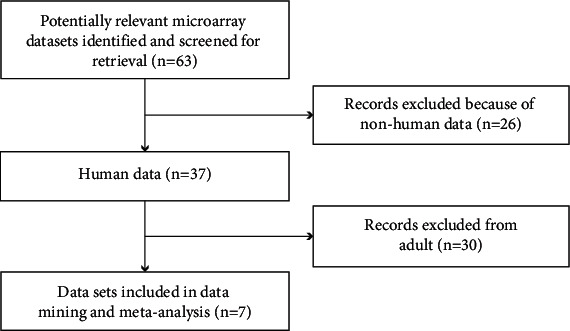
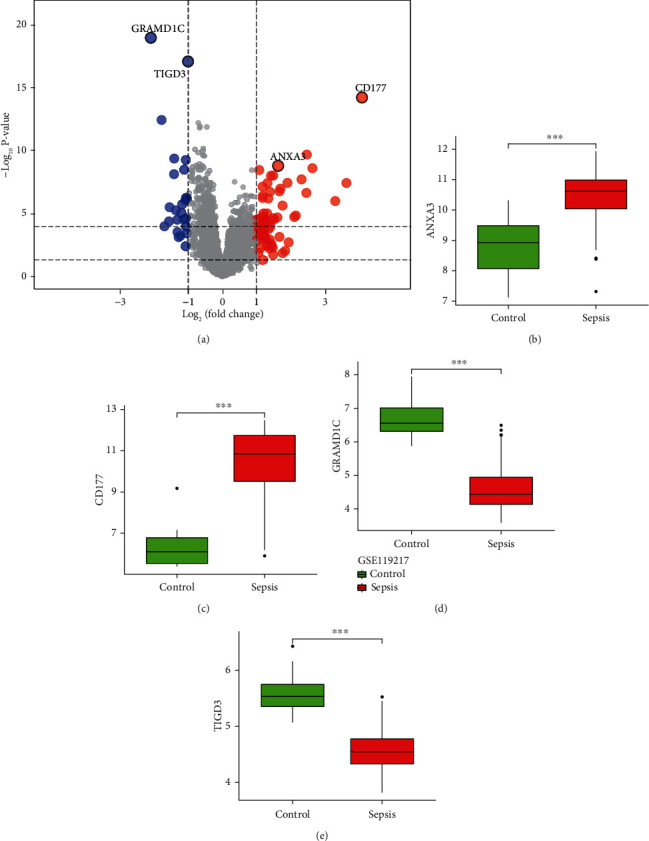
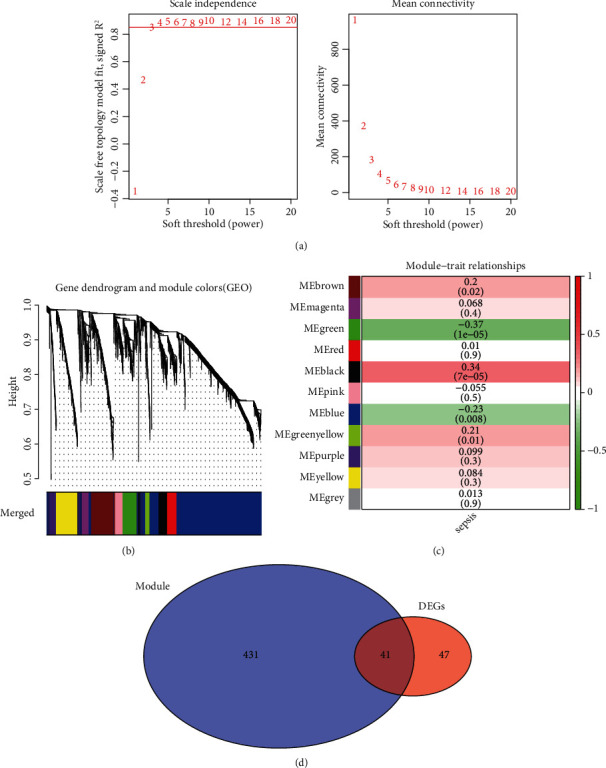
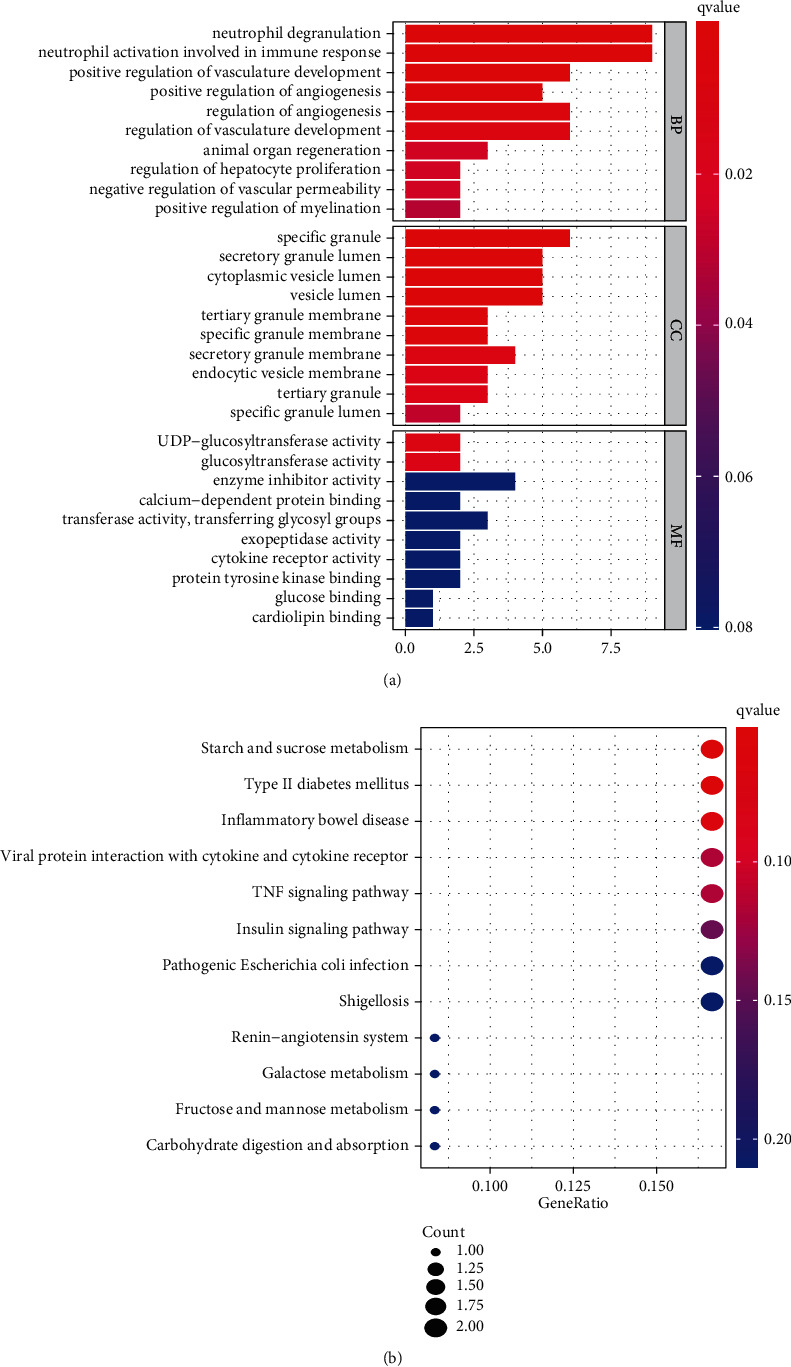
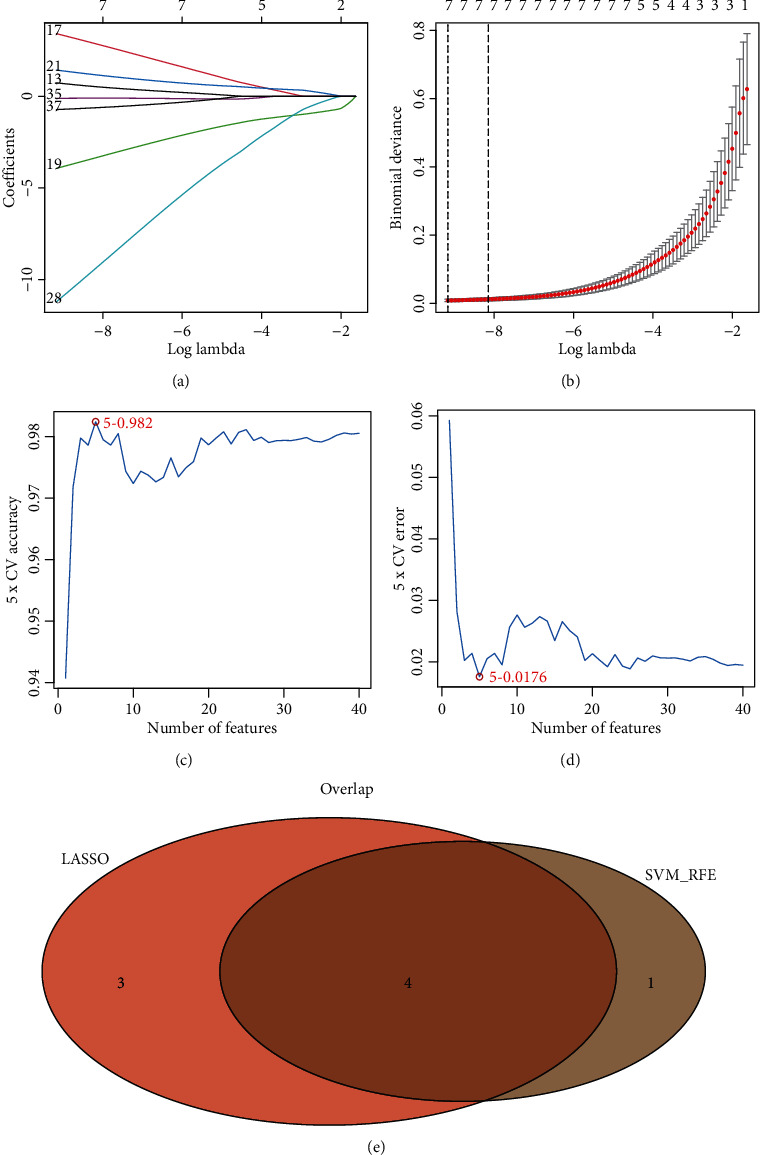
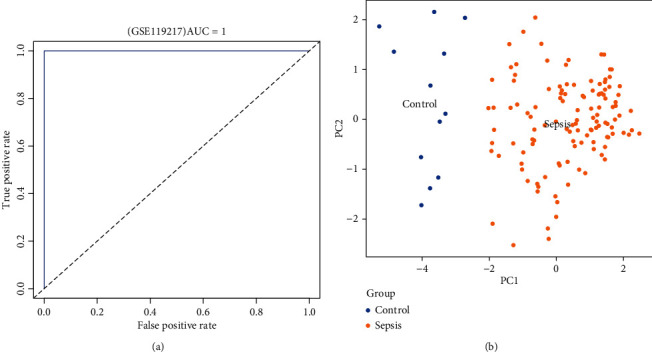
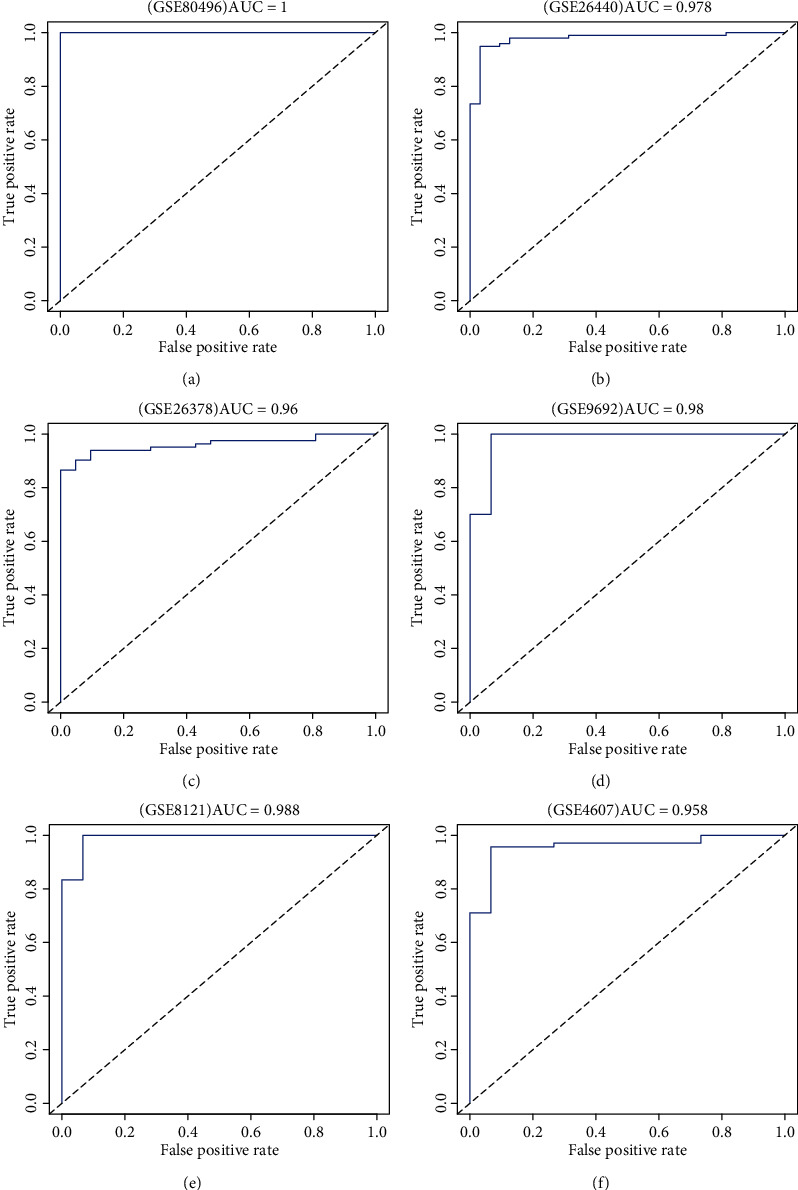
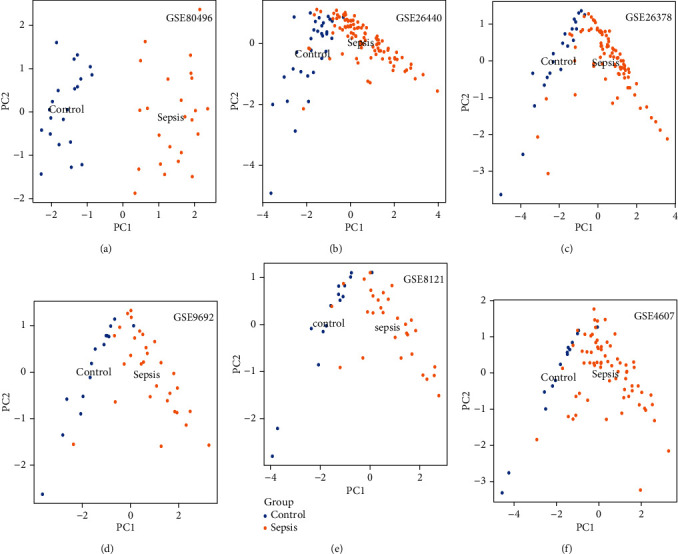
We used the GSE119217 dataset to identify differentially expressed genes (DEGs) between patients with and without paediatric sepsis. The most relevant gene modules of paediatric sepsis were screened through the weighted gene coexpression network analysis (WGCNA). Common genes (CGs) were found between DEGs and WGCNA. Genes with a potential diagnostic value in paediatric sepsis were selected from the CGs using least absolute shrinkage and selection operator regression and support vector machine recursive feature elimination. The principal component analysis, receiver operating characteristic curves, and C-index were used to verify the diagnostic value of the identified genes in six other independent sepsis datasets. Subsequently, a meta-analysis of the selected genes was performed to evaluate the value of these genes as biomarkers in paediatric sepsis.
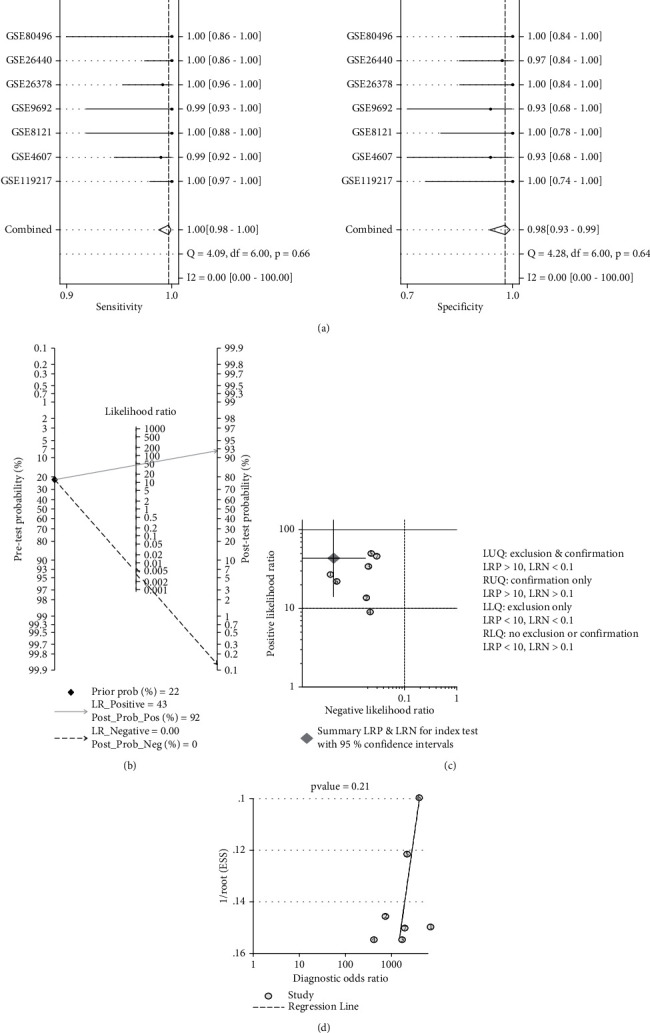
A total of 41 CGs were selected from the GSE119217 dataset. A four-gene signature composed of , , , and effectively distinguished patients with paediatric sepsis from those in the control group. The signature was verified using six other independent datasets. In addition, the meta-analysis results showed that the pooled sensitivity, specificity, and area under the curve values were 1.00, 0.98, and 1.00, respectively.
The four-gene signature can be used as new biomarkers to distinguish patients with paediatric sepsis from healthy individuals.
儿科脓毒症的早期诊断对于儿童的正确治疗以及减少住院和死亡率至关重要。生物标志物是诊断任何疾病的一种便捷有效的方法。然而,报告用于诊断脓毒症的生物标志物的研究之间存在巨大差异,限制了其临床应用。因此,在本研究中,我们旨在基于基因表达综合数据库的数据评估参与儿科脓毒症的关键基因的诊断价值。
我们使用 GSE119217 数据集鉴定脓毒症患儿和非脓毒症患儿之间的差异表达基因(DEGs)。通过加权基因共表达网络分析(WGCNA)筛选与儿科脓毒症最相关的基因模块。在 DEGs 和 WGCNA 之间找到共同基因(CGs)。使用最小绝对收缩和选择算子回归和支持向量机递归特征消除从 CGs 中选择具有儿科脓毒症潜在诊断价值的基因。使用主成分分析、接收者操作特征曲线和 C 指数验证在另外六个独立脓毒症数据集鉴定的基因的诊断价值。随后,对选定基因进行荟萃分析,以评估这些基因作为儿科脓毒症生物标志物的价值。
从 GSE119217 数据集共筛选出 41 个 CGs。由 、 、 、 组成的四个基因特征能够有效地将儿科脓毒症患儿与对照组患者区分开来。该特征在另外六个独立数据集得到验证。此外,荟萃分析结果表明,合并敏感性、特异性和曲线下面积值分别为 1.00、0.98 和 1.00。
该四个基因特征可作为新的生物标志物用于区分儿科脓毒症患儿与健康个体。