Bozzato Alessandro Marco, Martingano Paola, Pozzi Mucelli Roberta Antea, Cavallaro Marco Francesco Maria, Cesarotto Matteo, Marcello Cristina, Tiribelli Claudio, Pascut Devis, Pizzolato Riccardo, Pozzi Mucelli Fabio, Giuffrè Mauro, Crocè Lory Saveria, Cova Maria Assunta
Department of Medical, Surgical and Health Sciences, University of Trieste, 34151 Trieste, Italy.
Department of Radiology, ASUGI, Ospedale di Cattinara, 34149 Trieste, Italy.
Diagnostics (Basel). 2022 Feb 1;12(2):374. doi: 10.3390/diagnostics12020374.
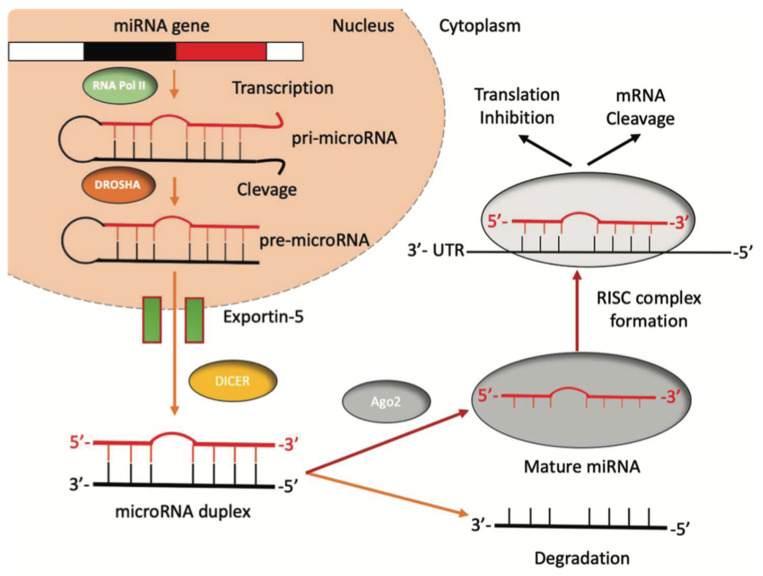
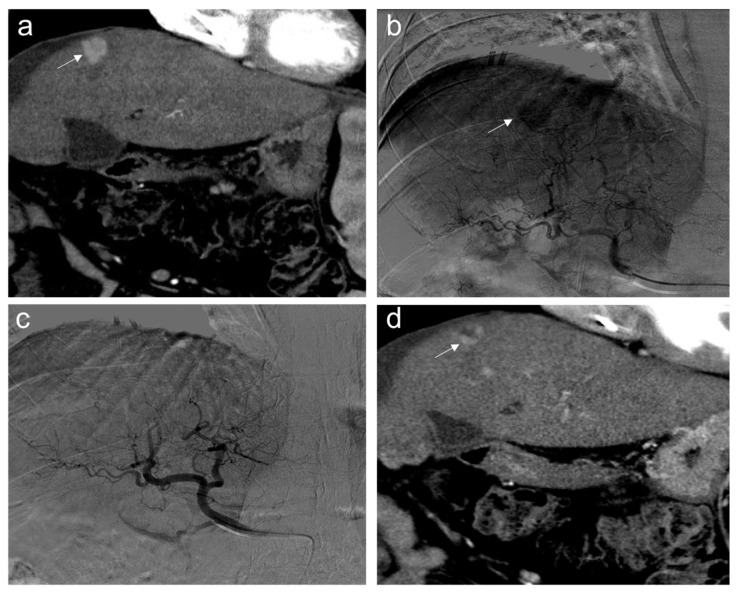
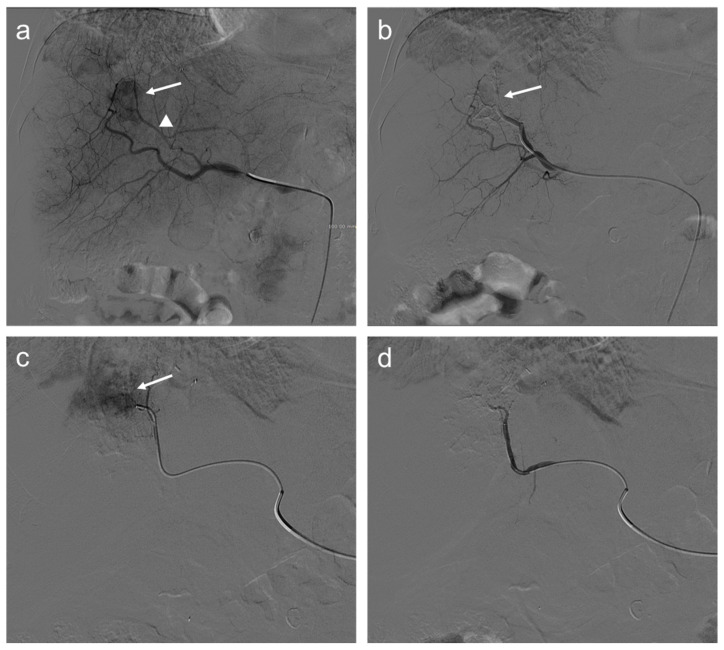
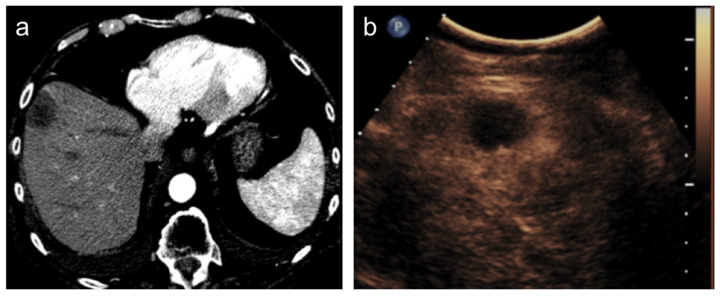
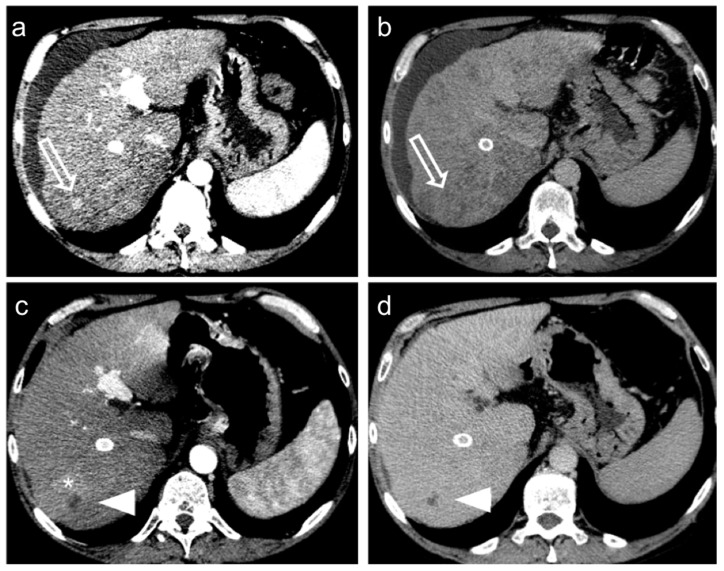
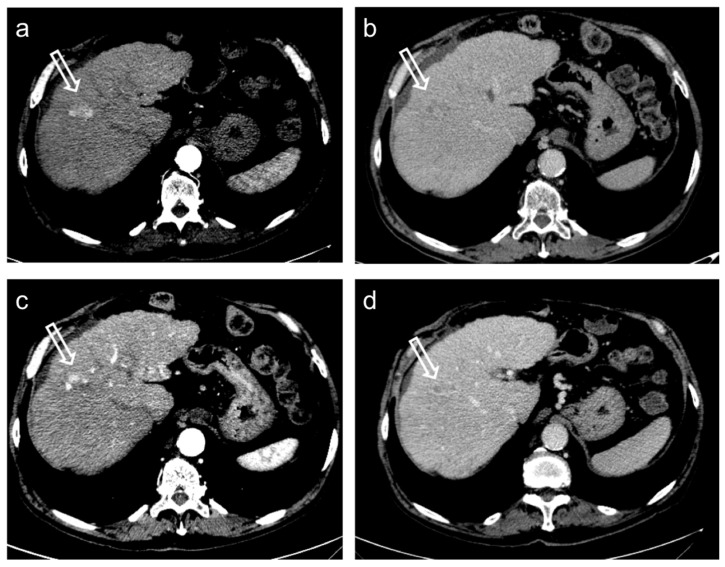
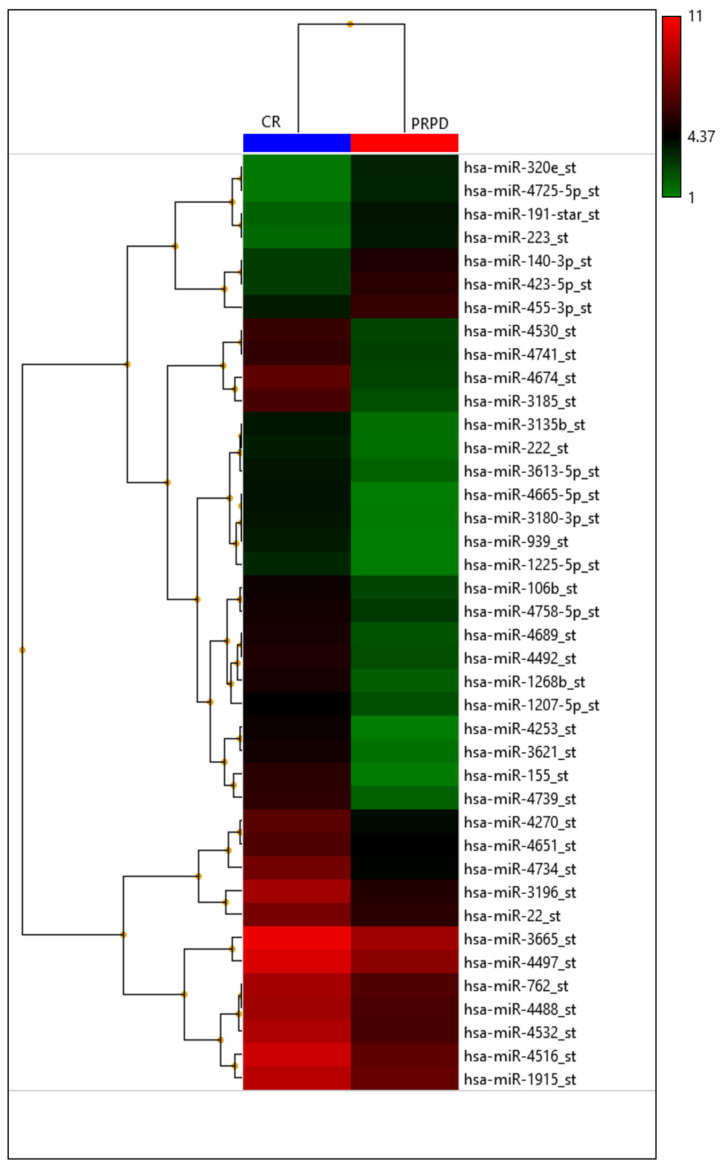
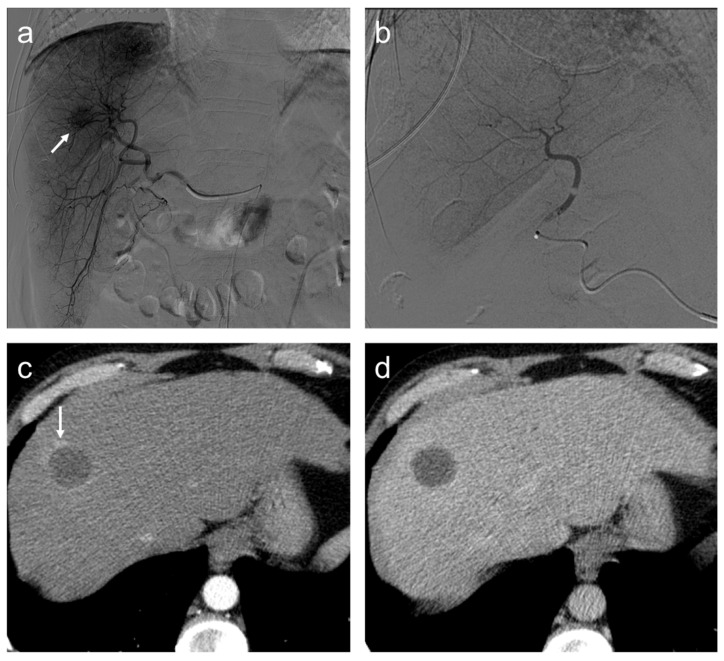
Hepatocellular Carcinoma (HCC) is the sixth most common cancer in the world. Patients with intermediate stage (Barcelona Clinic Liver Cancer, B stage) hepatocellular carcinoma (HCC) have been able to benefit from TACE (transarterial chemoembolization) as a treatment option. MicroRNAs (miRNAs), i.e., a subclass of non-coding RNAs (ncRNAs), participate in post-transcriptional gene regulation processes and miRNA dysfunction has been associated with apoptosis resistance, cellular proliferation, tumor genesis, and progression. Only a few studies have investigated the role of miRNAs as biomarkers predicting TACE treatment response in HCC. Here, we review the studies' characteristics from a radiological point of view, also correlating data with radiological images chosen from the cases of our institution.
肝细胞癌(HCC)是全球第六大常见癌症。中期(巴塞罗那临床肝癌分期,B期)肝细胞癌(HCC)患者已能够从经动脉化疗栓塞术(TACE)作为一种治疗选择中获益。微小RNA(miRNA),即非编码RNA(ncRNA)的一个亚类,参与转录后基因调控过程,且miRNA功能障碍与凋亡抵抗、细胞增殖、肿瘤发生和进展有关。仅有少数研究探讨了miRNA作为预测HCC中TACE治疗反应的生物标志物的作用。在此,我们从放射学角度回顾这些研究的特征,并将数据与从我们机构病例中选取的放射影像相关联。