Laboratoire CLEMENT, Avenue d'Eylau, 75016 Paris, France.
Bourn Hall Clinic, Cambridge CB232TN, UK.
Biomolecules. 2022 Jan 24;12(2):197. doi: 10.3390/biom12020197.
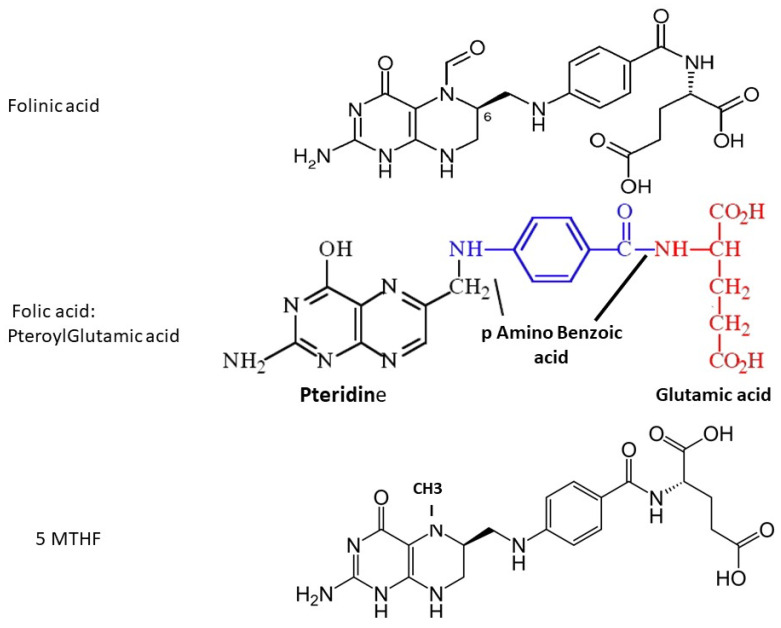
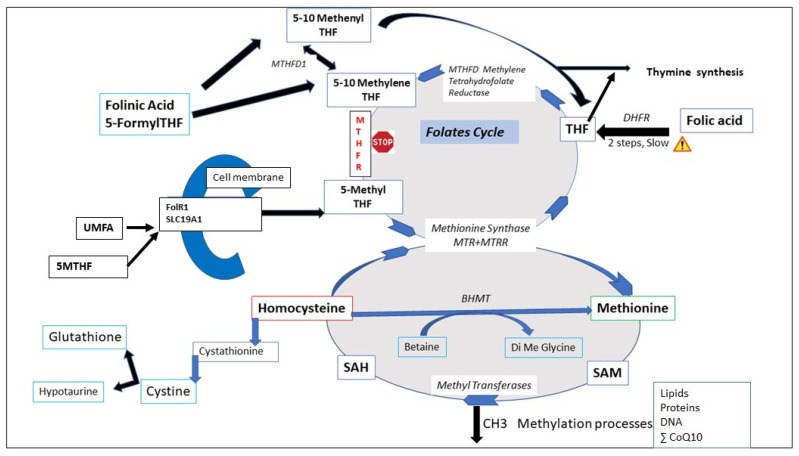
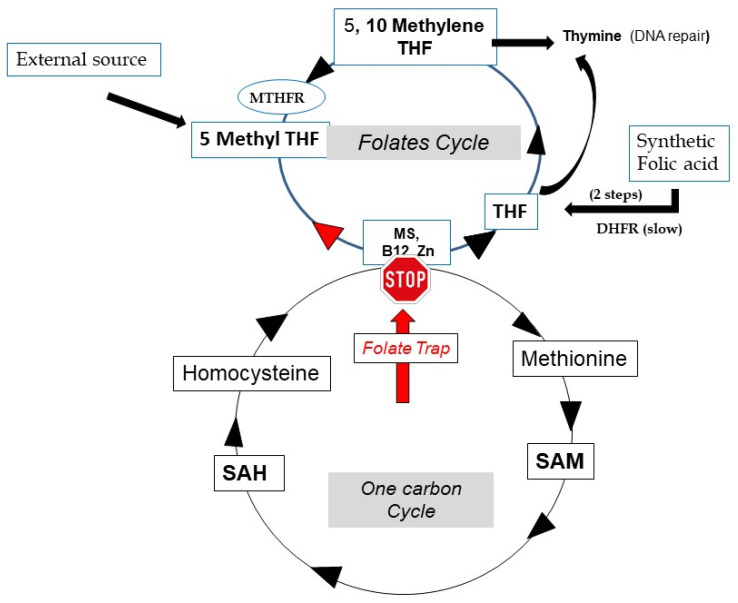
Methylation is an essential biochemical mechanism that is central to the transmission of life, and crucially responsible for regulating gametogenesis and continued embryo development. The methylation of DNA and histones drives cell division and regulation of gene expression through epigenesis and imprinting. Brain development and its maturation also depend on correct lipid methylation, and continued neuronal function depends on biogenic amines that require methylation for their synthesis. All methylation processes are carried out via a methyltransferase enzyme and its unique co-factor S-adenosylmethionine (SAM); the transfer of a methyl group to a target molecule results in the release of SAH (SA homocysteine), and then homocysteine (Hcy). Both of these molecules are toxic, inhibiting methylation in a variety of ways, and Hcy recycling to methionine is imperative; this is achieved via the one carbon cycle, supported by the folates cycle. Folate deficiency causes hyperhomocysteinaemia, with several associated diseases; during early pregnancy, deficiency interferes with closure of the neural tube at the fourth week of gestation, and nutraceutical supplementation has been routinely prescribed to prevent neural tube defects, mainly involving B vitamins, Zn and folates. The two metabolic pathways are subject to single nucleotide polymorphisms that alter their activity/capacity, often severely, impairing specific physiological functions including fertility, brain and cardiac function. The impact of three types of nutraceutical supplements, folic acid (FA), folinic acid (FLA) and 5 Methyl THF (MTHF), will be discussed here, with their positive effects alongside potentially hazardous secondary effects. The issue surrounding FA and its association with UMFA (unmetabolized folic acid) syndrome is now a matter of concern, as UMFA is currently found in the umbilical cord of the fetus, and even in infants' blood. We will discuss its putative role in influencing the acquisition of epigenetic marks in the germline, acquired during embryogenesis, as well as the role of FA in the management of cancerous disease.
甲基化是一种重要的生化机制,是生命传递的核心,对于调节配子发生和胚胎发育的持续至关重要。DNA 和组蛋白的甲基化通过表观遗传学和印迹驱动细胞分裂和基因表达的调节。大脑发育及其成熟也依赖于正确的脂质甲基化,而神经元功能的持续依赖于需要甲基化才能合成的生物胺。所有的甲基化过程都是通过甲基转移酶及其独特的辅助因子 S-腺苷甲硫氨酸(SAM)进行的;将一个甲基转移到一个靶分子上,导致 SAH(SA 同型半胱氨酸)的释放,然后是同型半胱氨酸(Hcy)。这两种分子都是有毒的,以各种方式抑制甲基化,并且 Hcy 必须循环回蛋氨酸;这是通过一碳循环实现的,该循环得到叶酸循环的支持。叶酸缺乏会导致高同型半胱氨酸血症,伴随多种相关疾病;在怀孕早期,缺乏会干扰妊娠第四周神经管的闭合,营养补充剂已被常规开处方以预防神经管缺陷,主要涉及 B 族维生素、Zn 和叶酸。这两种代谢途径都受到单核苷酸多态性的影响,这些多态性改变了它们的活性/能力,通常会严重损害特定的生理功能,包括生育能力、大脑和心脏功能。本文将讨论三种营养补充剂,叶酸(FA)、叶酸酸(FLA)和 5 甲基四氢叶酸(MTHF)的作用,以及它们的积极作用和潜在的危险副作用。FA 及其与 UMFA(未代谢的叶酸)综合征的关联问题现在引起了人们的关注,因为 UMFA 目前存在于胎儿的脐带中,甚至存在于婴儿的血液中。我们将讨论它在影响生殖系中获得表观遗传标记的潜在作用,这些标记是在胚胎发生过程中获得的,以及 FA 在癌症治疗中的作用。